7 Gentle Steps for Sensitive Skin Care Success


Sensitive skin can feel like a constant guessing game. One day your face feels calm, the next it's red and angry after trying a new product. If you've ever wondered why your skin reacts to seemingly everything, you're not alone. Building the best skincare routine sensitive skin types need doesn't have to be overwhelming. It's about understanding what your skin actually wants and giving it exactly that—gentle, consistent care that works with your skin barrier, not against it. Let's walk through seven simple steps that can transform your skincare game without the drama.
Sensitive skin isn't just about occasional redness—it's your skin's way of telling you something's not quite right. Common signs include stinging, burning, or tightness after applying products, persistent redness, dry patches that won't budge, and reactions to weather changes. Your skin might also feel rough or bumpy, or develop rashes from products others swear by. The thing about sensitive skin care is that it's often about what you don't put on your skin as much as what you do. Your skin barrier—think of it as your skin's protective bouncer—can become compromised by harsh ingredients, over-cleansing, or environmental factors. When this happens, irritants slip through more easily, causing inflammation and that familiar burning sensation. Common triggers include fragrances, alcohol-based products, harsh scrubs, extreme temperatures, and even stress. Skincare for redness and irritation works best when you identify and avoid these triggers whilst strengthening your skin barrier. The goal isn't to eliminate every potential irritant from your life—it's about building resilience so your skin can handle daily life without constant flare-ups.
Your cleanser sets the tone for everything that follows, so getting this step right is crucial. The best skincare routine sensitive skin needs starts with a soap-free, fragrance free skincare cleanser that removes dirt and makeup without stripping your skin's natural oils. Look for cream or lotion cleansers rather than foaming ones. Foaming cleansers often contain sulfates, which can be too harsh for sensitive skin. Instead, opt for hypoallergenic skincare cleansers with ingredients like ceramides, glycerin, or niacinamide. These help maintain your skin barrier whilst cleaning effectively. The cleansing technique matters just as much as the product. Use lukewarm water—hot water can trigger redness and dryness. Gently massage the cleanser for about 30 seconds, then rinse thoroughly. Pat your skin dry with a clean towel instead of rubbing, and apply your next product whilst your skin is still slightly damp to lock in moisture.
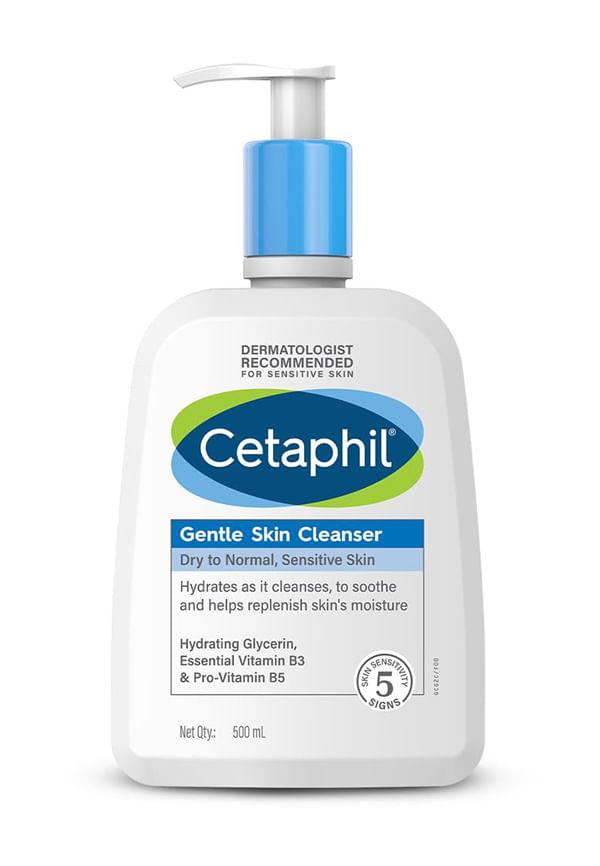 500 ml
Gentle Skin Cleanser
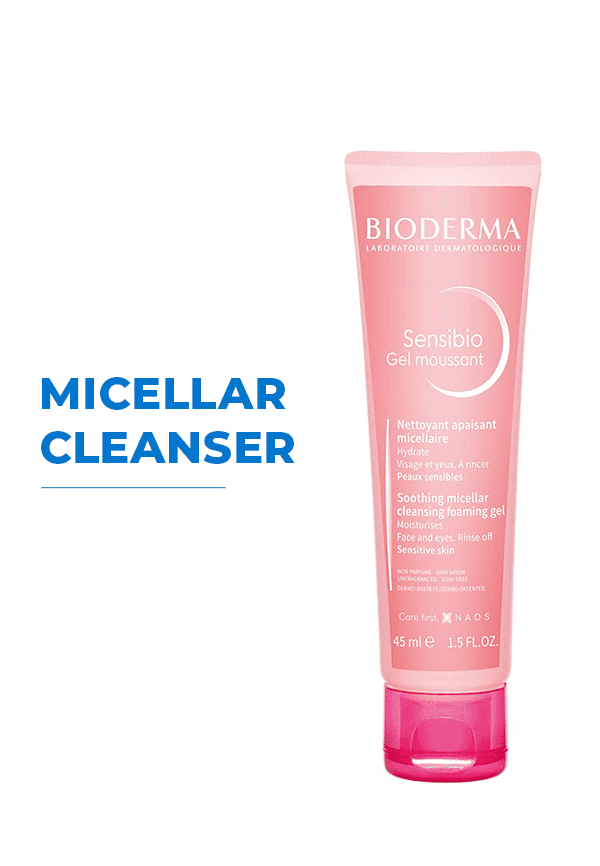 45 ml
45 mlSensibio Gentle Soothing Micellar Cleansing Foaming Gel For Sensitive Skin
Exfoliation for sensitive skin is like seasoning food—a little goes a long way. Many people with sensitive skin avoid exfoliation completely, but gentle exfoliation can actually help by removing dead skin cells that can clog pores and make products less effective. For a gentle skincare routine, chemical exfoliation is usually better than physical scrubs. Look for low concentrations of lactic acid or mandelic acid—these are gentler than glycolic acid but still effective. Start with once a week and see how your skin responds before increasing frequency. If you prefer physical exfoliation, choose a product with very fine, round particles rather than rough, jagged ones. Better yet, try a soft washcloth or konjac sponge with your regular cleanser. The key is being gentle and listening to your skin—if it feels tight or looks red after exfoliating, dial it back.
Calming skincare serums are where you can really target specific concerns whilst being kind to sensitive skin. The best ingredients for sensitive skin include niacinamide, which reduces inflammation and strengthens the skin barrier, hyaluronic acid for hydration without heaviness, and ceramides to repair and protect. For rosacea skincare, look for serums with azelaic acid or green tea extract, which can help reduce redness over time. If you're dealing with eczema skincare needs, colloidal oatmeal and allantoin are your friends—they're incredibly soothing skincare ingredients that calm irritation. When introducing new serums, start slowly. Use a new product every other night for the first week, then gradually increase to daily use if your skin tolerates it well. Always patch test new products on a small area first—your inner arm or behind your ear works well.
Moisturising sensitive skin isn't just about hydration—it's about barrier repair and protection. The best moisturisers for sensitive skin contain a mix of humectants (like hyaluronic acid), emollients (like squalane), and occlusives (like petrolatum or dimethicone) to hydrate, smooth, and seal in moisture. Hypoallergenic skincare moisturisers should feel comfortable on your skin without any stinging or burning. If you have oily sensitive skin, look for lightweight, gel-based formulas. For dry sensitive skin, cream-based moisturisers with ingredients like shea butter or ceramides work brilliantly. Don't forget about your neck and décolletage—these areas have sensitive skin too and often show signs of ageing first. Apply moisturiser to slightly damp skin for better absorption, and consider using a heavier night cream to give your skin extra repair time whilst you sleep.
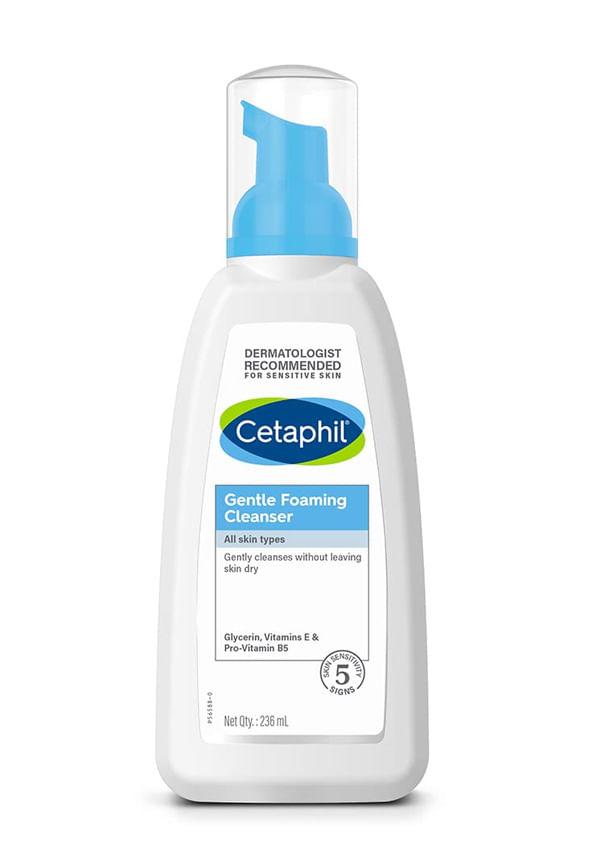 236 ml
Gentle Foaming Cleanser For All Skin
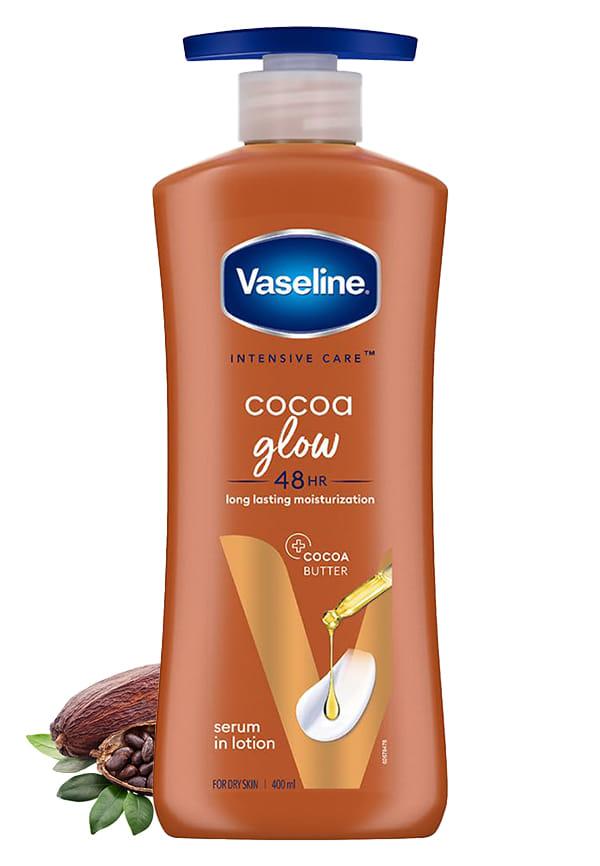 400 ml
Cocoa Glow Lotion
Sun protection is non-negotiable for sensitive skin, but finding the right sunscreen can be tricky. Mineral sunscreens with zinc oxide or titanium dioxide are generally better tolerated than chemical sunscreens, which can cause stinging or reactions. Look for broad-spectrum SPF 30 or higher that's specifically formulated for sensitive skin. Many brands now make fragrance free skincare sunscreens that don't leave a white cast or feel heavy on the skin. If you're prone to skincare for redness, some tinted sunscreens can provide coverage whilst protecting. Reapplication doesn't have to be a nightmare for sensitive skin. Use a gentle setting spray or powder sunscreen over makeup, or try sunscreen sticks for easy touch-ups without disturbing your base.
Not all sensitive skin is the same, and your best skincare routine sensitive skin needs might differ from someone else's. Understanding your specific type helps you choose products that work with your skin, not against it. Oily sensitive skin benefits from lightweight, gel-based products that won't clog pores. Look for non-comedogenic formulas and avoid over-cleansing, which can actually make oiliness worse. A gentle foaming cleanser might work for you, but stick to fragrance free skincare options. Dry sensitive skin needs extra hydration and barrier repair. Layer lightweight hydrating products under a richer moisturiser, and consider adding a facial oil to your evening routine. Eczema skincare often falls into this category and benefits from occlusive ingredients that prevent water loss. Combination sensitive skin requires a balanced approach. You might need different products for different areas of your face—a lighter moisturiser on your T-zone and a richer one on your cheeks. The key is consistency in gentleness across all products. Your routine might also need seasonal adjustments. Winter often requires richer products and more frequent moisturising, whilst summer might call for lighter formulas and extra sun protection. Listen to your skin and adjust accordingly.
Even with the best intentions, it's easy to make mistakes that can set back your sensitive skin care progress. Over-cleansing is probably the biggest culprit—washing your face more than twice daily can strip your skin barrier and make sensitivity worse. Another common mistake is using too many active ingredients at once. Your skin needs time to adjust to new products, especially if they contain acids or retinoids. Introduce one new product at a time and give it at least two weeks before adding something else. Skipping patch tests might seem like a time-saver, but it's not worth the risk of a full-face reaction. Test new products on a small area for 24-48 hours before using them on your entire face. Also, don't assume that expensive means better for sensitive skin—some of the gentlest, most effective products are surprisingly affordable. With over 25 million users discovering their perfect skincare matches, Smytten understands that finding the right products for sensitive skin shouldn't involve expensive mistakes. The platform's trial-sized products from trusted brands like Cetaphil and Dot & Key let you test soothing skincare formulas before committing to full sizes, making it easier to build your ideal routine without the guesswork.
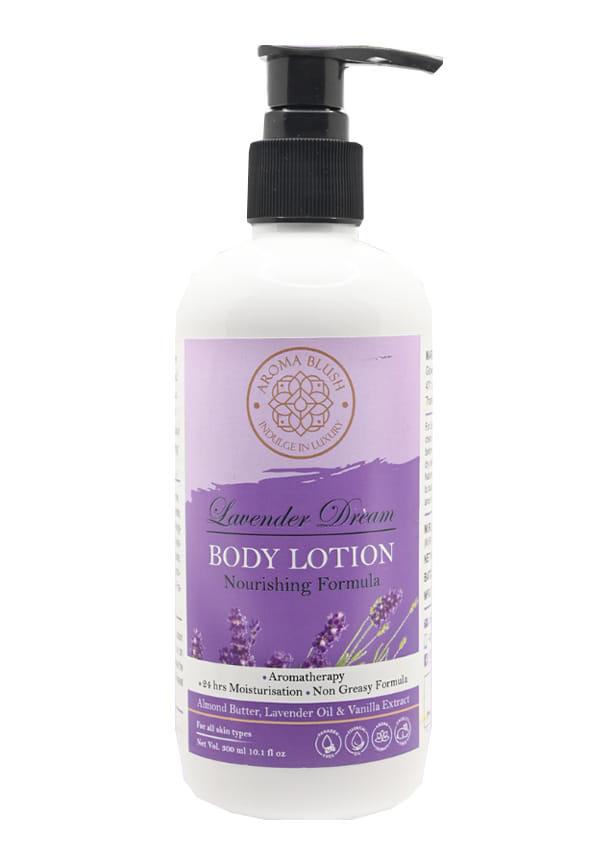 300 ml
Lavender Dream Body Lotion
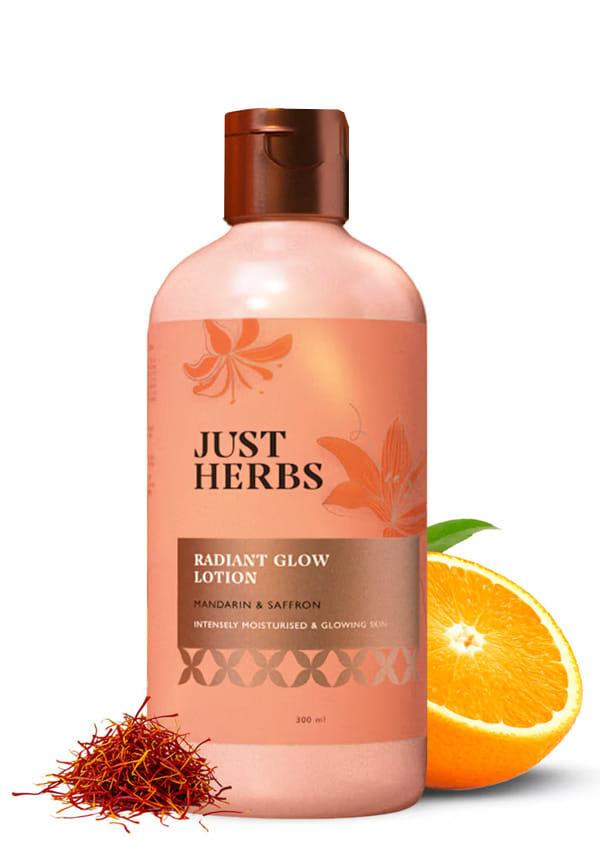 300 ml
Radiant Glow Body Lotion
A gentle routine should include a soap-free cleanser, alcohol-free toner (optional), calming serum, barrier-repairing moisturiser, and mineral sunscreen. Keep it simple and introduce new products gradually.
Look for fragrance free skincare products with minimal ingredient lists. Brands that focus on sensitive skin often use gentle, proven ingredients like ceramides, niacinamide, and hyaluronic acid.
Check for labels like "hypoallergenic," "fragrance-free," and "dermatologist-tested." Avoid products with alcohol, strong fragrances, or long lists of active ingredients.
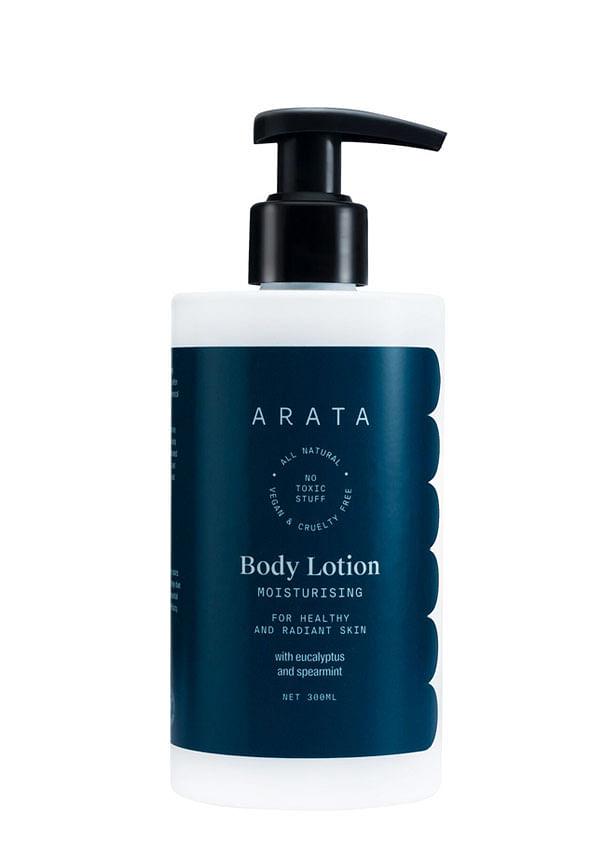 300 ml
Natural Moisturising Body Lotion
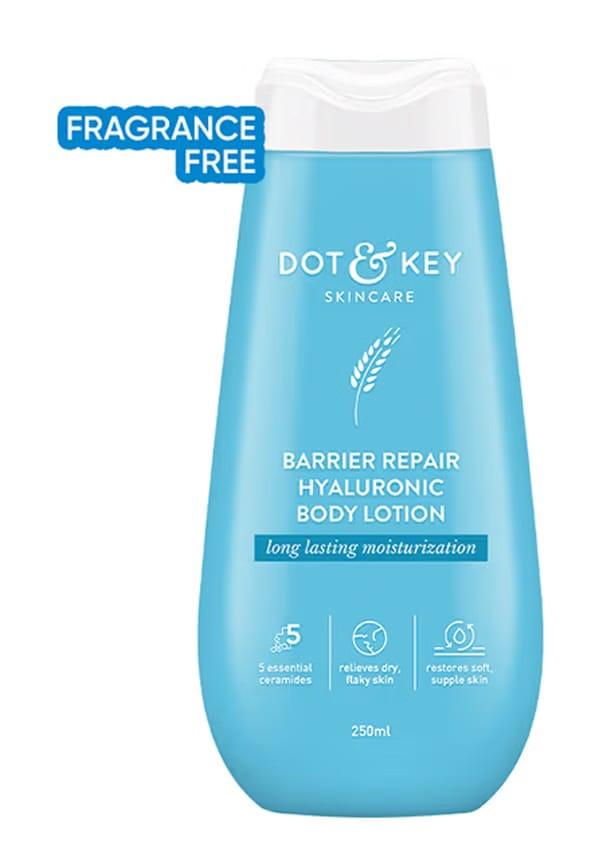 250 ml
Barrier Repair Hyaluronic Body Lotion
Yes, but start with a very low concentration and use it only once or twice a week initially. Look for encapsulated retinol or retinyl palmitate, which are gentler alternatives.
You might notice less irritation within a few days, but significant improvements in skin texture and appearance typically take 4-6 weeks of consistent use.
Building the best skincare routine sensitive skin thrives with doesn't have to be complicated or expensive. It's about understanding what your skin needs, being patient with the process, and choosing products that support your skin barrier rather than disrupting it. Remember, consistency beats complexity every time. The beauty of sensitive skin is that once you find products that work, your skin often responds beautifully to gentle, consistent care. With Smytten's curated trial packs from over 1,500 trusted brands, you can explore calming skincare options without the commitment of full-size purchases. After all, why settle for products that might irritate when you can discover ones that truly work for your unique skin needs?
