7 Gentle Skincare Tips for Sensitive Skin Relief


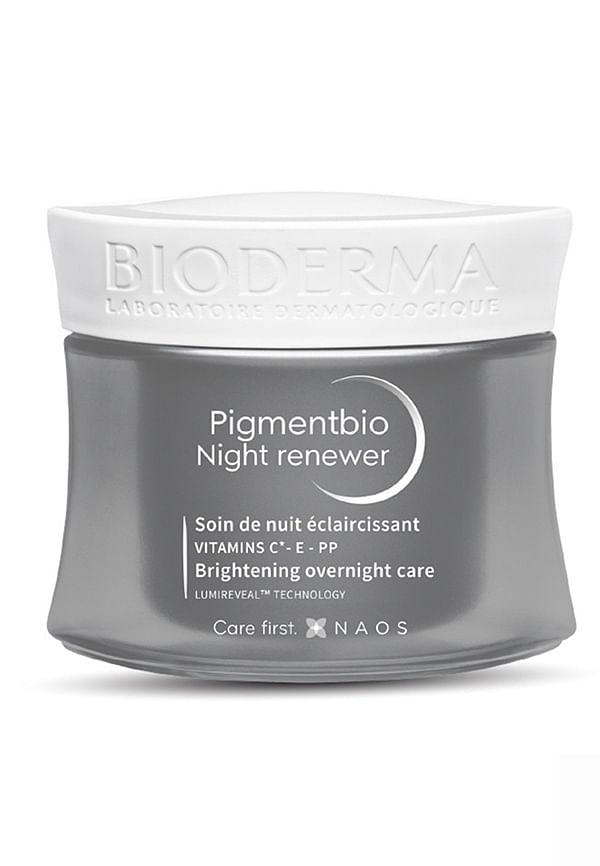 50 ml
50 mlPigmentbio Night Renewer Brightening Overnight Cream for Dark Spots, Sensitive Skin
If you've ever felt like your skin throws a tantrum at the slightest provocation, you're definitely not alone. Sensitive skin affects millions of women, turning what should be a simple skincare routine into a minefield of potential irritation. From unexpected redness to that annoying stinging sensation when you try a new product, sensitive skin can feel like it has a mind of its own. But here's the thing—with the right approach and a bit of patience, you can absolutely create a sensitive skin routine for women that actually works. Let's dive into seven gentle, dermatologist-approved tips that'll help you achieve the calm, comfortable skin you've been dreaming of.
Before we jump into solutions, let's get real about what sensitive skin actually means. It's not just about having delicate skin—it's about having skin that reacts more intensely to environmental factors, products, or even stress. The telltale signs are pretty unmistakable: redness that appears out of nowhere, burning or stinging when you apply products, dryness that seems impossible to fix, or that tight feeling that makes you want to splash cold water on your face. Some women also experience bumps, rashes, or even breakouts when their skin gets irritated. What makes sensitive skincare tricky is that sensitivity can stem from different conditions. You might be dealing with rosacea, which causes persistent redness and sometimes small bumps. Eczema is another common culprit, leading to dry, itchy patches that can flare up unexpectedly. Then there's contact dermatitis, where your skin reacts to specific ingredients or environmental factors. Hormonal changes can also play havoc with sensitive skin. Many women notice their skin becomes more reactive during certain times of their cycle, pregnancy, or menopause. Environmental triggers like pollution, weather changes, stress, and even certain fabrics can set off a reaction. The key is learning to identify your specific triggers and building a routine that works with your skin, not against it.
Creating a calming skin routine doesn't mean you need a dozen products—in fact, less is often more when it comes to sensitive skin. The goal is consistency and gentleness, not complexity. Your routine should focus on three main principles: gentle cleansing, adequate hydration, and protection from environmental stressors. Think of it as giving your skin exactly what it needs without overwhelming it with unnecessary extras.
Start your day with lukewarm water and a gentle, soap-free cleanser. Pat your skin dry—never rub—and immediately follow with a fragrance-free moisturiser while your skin is still slightly damp. This helps lock in hydration. Sunscreen is absolutely non-negotiable, even on cloudy days. Look for mineral sunscreens with zinc oxide or titanium dioxide, as these are typically gentler than chemical sunscreens.
Your evening routine is when your skin does most of its repair work. Remove makeup with a gentle cleansing oil or micellar water, then follow with your regular cleanser if needed. Apply a slightly richer moisturiser than your morning one, and consider adding a few drops of a gentle facial oil if your skin feels particularly dry.
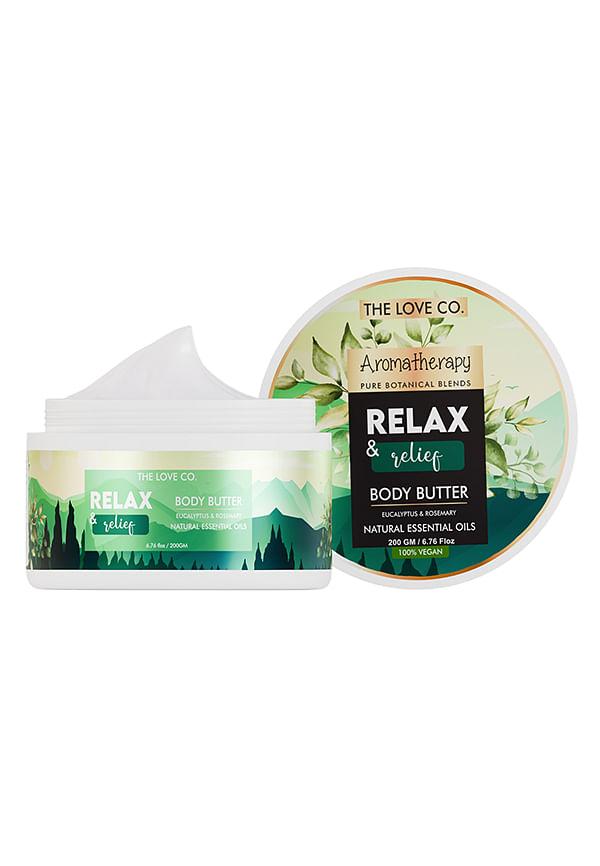 200 gm
Aromatherapy Relax & Relief Body Butter
Cleansing might seem straightforward, but when you have sensitive skin, technique matters just as much as the product you choose. The wrong approach can strip your skin's natural barrier and trigger irritation that lasts for hours. First up, ditch any cleanser that foams heavily or leaves your skin feeling squeaky clean. That tight feeling isn't a sign of cleanliness—it's a sign that your skin's protective barrier has been compromised. Instead, look for cream or lotion cleansers that feel more like a gentle massage than a deep scrub. Water temperature is crucial too. Hot water might feel lovely, but it can actually inflame sensitive skin and worsen conditions like rosacea. Stick to lukewarm water, and keep your cleansing time to about 30 seconds. When it comes to technique, think gentle circular motions with your fingertips—never scrub or use rough washcloths. Your skin should never feel raw or irritated after cleansing. Ingredients to look for include ceramides, which help restore your skin barrier, and glycerin, which provides gentle hydration. Avoid anything with sulphates, which can be too harsh, and steer clear of cleansers with added fragrances or essential oils.
Here's something that might surprise you: fragrance is one of the most common causes of skin irritation, even in products marketed as "gentle" or "natural." When building your sensitive skin routine for women, going fragrance-free isn't just a nice-to-have—it's essential. But here's where it gets tricky. "Fragrance-free" and "unscented" aren't the same thing. Unscented products might still contain masking fragrances to cover up the natural smell of ingredients. True fragrance-free products contain no added fragrances at all. Hypoallergenic skincare products are formulated to minimise the risk of allergic reactions, though it's worth noting that "hypoallergenic" isn't a regulated term. Still, products with this label typically avoid common irritants and undergo additional testing. When reading ingredient lists, watch out for terms like "parfum," "fragrance," or specific essential oils like lavender or tea tree oil. Even natural fragrances can trigger sensitivity. Look for products that are specifically formulated for sensitive skin and have been tested by dermatologists. Brands that focus on sensitive skin often provide detailed ingredient information and avoid common irritants altogether.
Not all skincare ingredients are created equal, especially when you're dealing with sensitive skin. The right soothing skincare products can make the difference between a good skin day and a red, irritated mess. Some ingredients are absolute heroes for sensitive skin. Niacinamide is brilliant for reducing redness and strengthening your skin barrier. Hyaluronic acid provides intense hydration without any heaviness or irritation. Ceramides help repair and maintain your skin's protective barrier.
Aloe vera gel is fantastic for immediate cooling relief, especially after sun exposure or during flare-ups. Colloidal oatmeal has anti-inflammatory properties and can help calm irritated skin. Chamomile extract is another gentle option that can help reduce redness and inflammation. Just make sure you're not allergic to ragweed, as there can be cross-reactivity.
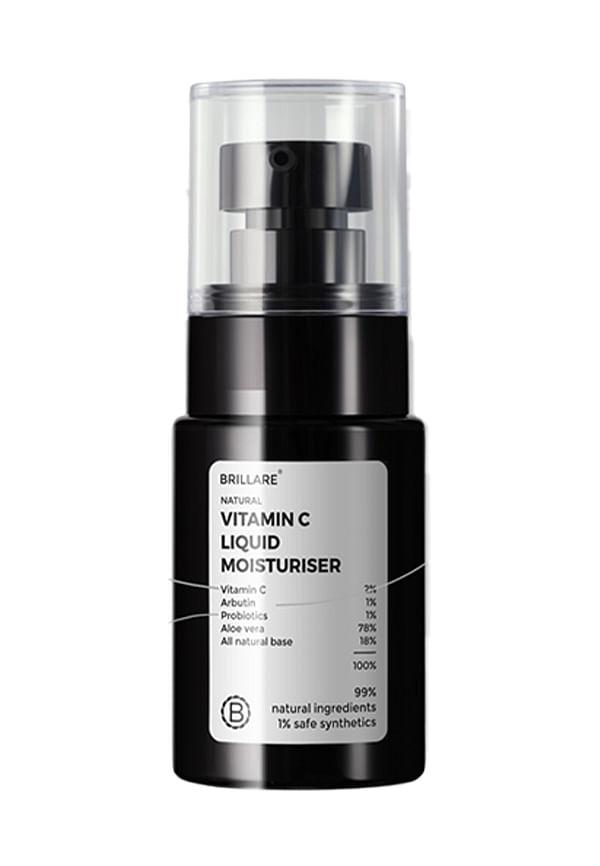 30 ml
30 mlVitamin C Liquid Moisturiser for Bright, Glowing Skin
If you're dealing with rosacea skincare needs, look for products with azelaic acid or metronidazole gel (prescription). For eczema skincare, focus on thick, occlusive moisturisers and avoid anything with potential allergens. The key is introducing one new ingredient at a time and giving your skin at least two weeks to adjust before adding anything else.
When it comes to sensitive skincare, more isn't always better. In fact, the fewer products you use, the lower your risk of irritation. This is where multi-purpose products become your best friend. Look for moisturisers with built-in SPF for daytime use, or cleansers that also remove makeup. A good vitamin C serum can provide antioxidant protection while also helping with brightening. This approach isn't just gentler on your skin—it's also easier on your wallet. Instead of buying five different products, you might only need two or three that do multiple jobs. When introducing new products, do it slowly. Add one new product every two weeks, and always patch test first. Apply a small amount to your inner wrist or behind your ear and wait 24-48 hours to see if any reaction occurs. Smytten's trial packs are perfect for this approach, letting you test products without committing to full sizes. With over 1,500 trusted brands available in mini sizes, you can experiment safely and find what works for your unique skin needs.
Sometimes the best skin irritation treatment comes from your kitchen cupboard. While you should never replace medical treatment with home remedies, certain natural solutions can provide gentle relief for sensitive skin. Oatmeal masks are brilliant for soothing irritated skin. Simply grind plain oats into a fine powder, mix with a little water to form a paste, and apply for 10-15 minutes. The anti-inflammatory properties can help calm redness and itching. Honey, particularly Manuka honey, has antimicrobial and healing properties. Apply a thin layer to clean skin for 10 minutes, then rinse with cool water. Cold compresses can provide immediate relief during flare-ups. Wrap ice cubes in a soft cloth or use a cold, damp flannel on affected areas for a few minutes. Cucumber slices aren't just for spa days—they actually contain compounds that can help reduce inflammation and provide cooling relief. Lifestyle changes matter too. Use a humidifier in dry environments, choose cotton or bamboo fabrics over synthetic materials, and always rinse thoroughly after swimming in chlorinated pools.
Dermatologists consistently recommend certain types of products for sensitive skin, and understanding these categories can help you make smarter choices. Gentle, soap-free cleansers are universally recommended. Look for cream or lotion formulations rather than gels or foams. Brands like Cetaphil and CeraVe are often dermatologist favourites for good reason. Moisturisers should be your skin's best friend. Choose products with ingredients like ceramides, hyaluronic acid, and glycerin. Avoid anything with added fragrances, dyes, or harsh preservatives. Sunscreen is crucial, but choose wisely. Mineral sunscreens with zinc oxide or titanium dioxide are generally better tolerated than chemical sunscreens. When patch testing new products, apply a small amount to your inner forearm and wait 48 hours. If there's no reaction, try it on a small area of your face before using it all over. Building a routine on a budget is absolutely possible. Focus on the essentials first: a gentle cleanser, a good moisturiser, and sunscreen. You can always add targeted treatments later once your skin is stable. With platforms like Smytten, you can try products from trusted brands without the financial risk. Getting up to 8 minis for just ₹249 means you can test multiple options and find your perfect match without breaking the bank.
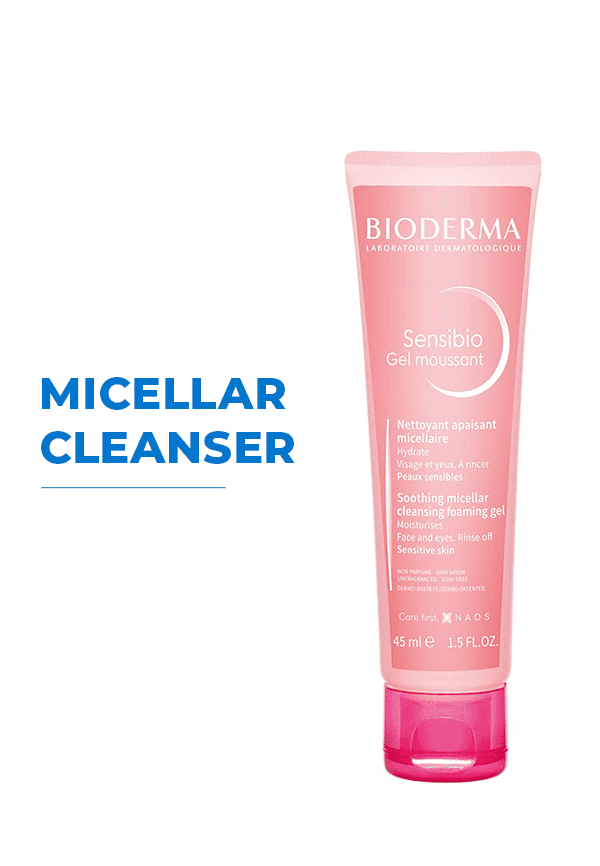 45 ml
45 mlSensibio Gentle Soothing Micellar Cleansing Foaming Gel For Sensitive Skin
The best routine is simple and consistent: gentle cleansing, adequate moisturising, and sun protection. Start with just these three steps and only add products gradually once your skin is stable.
Avoid fragrances, essential oils, alcohol-based toners, harsh exfoliants, and products with high concentrations of acids. Also steer clear of sulphates in cleansers and synthetic dyes.
You might notice immediate relief from irritation within days, but it typically takes 4-6 weeks to see significant improvement in your skin's overall condition and barrier function.
Yes, but choose gentle formulations. Look for products with niacinamide, peptides, or low concentrations of retinol. Always introduce anti-ageing ingredients slowly and one at a time.
Sensitive skin typically involves mild irritation like redness or stinging. Allergic reactions are more severe and might include swelling, severe itching, or hives. If you suspect an allergic reaction, discontinue use immediately and consult a healthcare professional.
Building a sensitive skin routine for women that actually works isn't about finding the most expensive products or following the latest trends. It's about understanding your skin's needs and responding with gentleness and consistency. Remember, what works for your friend might not work for you, and that's completely normal. Sensitive skin is highly individual, and finding your perfect routine often involves some trial and error. The key is being patient with the process and kind to your skin along the way. Smytten makes this journey so much easier by letting you try products before committing to full sizes. With over 25 million users trusting the platform and access to brands like Cetaphil, Dot & Key, and Bella Vita in convenient trial sizes, you can explore what works for your unique skin without the usual risks. After all, why settle for 'maybe' when you can try it all and find exactly what your sensitive skin needs to thrive?
