7 Gentle Skincare Steps for Complete Beginners


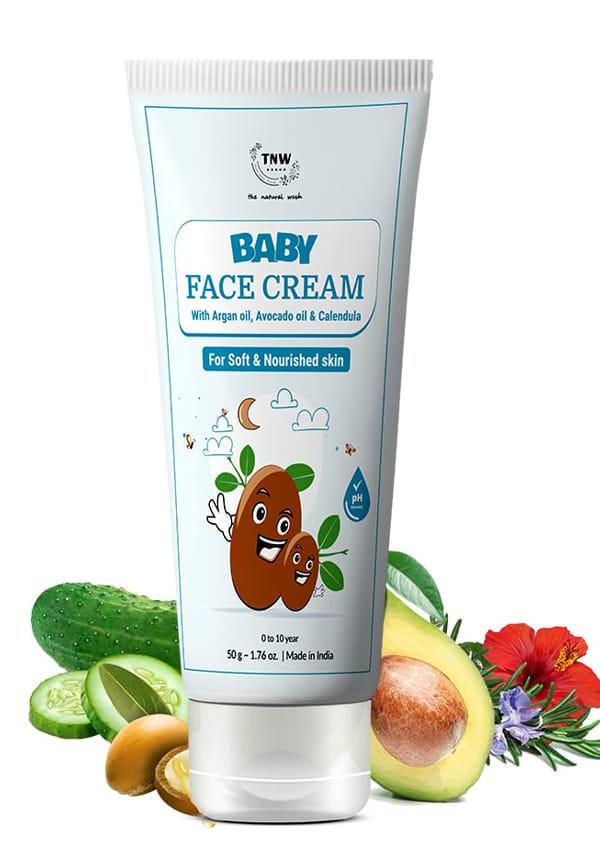 50 gm
50 gmBaby Face Cream For Soft Skin
Starting your skincare journey can feel like trying to decode a foreign language. With endless products, complicated routines, and conflicting advice everywhere, it's no wonder most beginners feel overwhelmed before they even begin. But here's the thing—the best beginner skincare approach isn't about having a 12-step routine or expensive serums. It's about keeping things simple, gentle, and consistent. Think of it like learning to cook: you wouldn't start with a five-course meal, right? Same logic applies here. These seven gentle steps will help you build a solid foundation without the drama or confusion. Let's break down an easy skincare routine that actually works for real people with real lives.
Real talk—your skin doesn't need a chemistry degree to look good. The beauty industry loves to convince us that more products equal better results, but that's just not true. When you're starting out, a basic skincare routine with gentle, effective products will always beat an overcomplicated regimen that leaves your skin confused and irritated.
Think of your skin like a new friendship. You wouldn't overwhelm a new mate with intense conversations on day one, would you? Your skin needs the same gentle approach. Starting with too many active ingredients or harsh products can trigger irritation, breakouts, and sensitivity that takes weeks to calm down. The "less is more" philosophy isn't just trendy—it's scientifically sound.
Gentle skincare products work by supporting your skin's natural barrier function rather than stripping it down and rebuilding from scratch. This approach is especially crucial for those with sensitive skin, but honestly, everyone benefits from a gentler touch. Plus, keeping things simple means your routine is more likely to stick. A three-step routine you do consistently beats a ten-step routine you abandon after a week.
Budget-wise, starting simple makes sense too. You can build an effective affordable skincare routine with just a few key products, then gradually add targeted treatments as you learn what your skin actually needs. No need to blow your entire paycheck on products that might not even suit you.
Here's where we get practical. These seven steps form the backbone of any good skincare routine for beginners, but don't worry—you won't be doing all seven twice a day. Some are daily essentials, others are weekly treats, and a few are optional add-ons for when you're ready to level up.
Your cleanser is like the foundation of a house—get this wrong, and everything else wobbles. Look for cream or lotion cleansers that remove dirt and makeup without leaving your skin feeling tight or squeaky. That squeaky-clean feeling? It's actually your skin crying for help because you've stripped away its natural oils.
Toners have had a major glow-up in recent years. Skip anything with alcohol or astringent properties—those are skincare relics from the past. Modern toners are all about adding hydration and prepping your skin for the next steps. Start with this just in the evening to avoid overwhelming your skin.
Every skin type needs moisture, even oily skin. The trick is finding the right texture. Gel moisturisers work brilliantly for oily skin, while cream formulas suit dry skin better. This step is non-negotiable—it's what keeps your skin barrier happy and healthy.
If you take away just one thing from this entire post, let it be this: wear SPF every single day. UV damage is the number one cause of premature ageing, and it happens even on cloudy days. Look for broad-spectrum SPF 30 or higher, and make it the final step in your morning routine.
Once a week, give your skin a gentle buff to remove dead skin cells. Chemical exfoliants with BHA or AHA are gentler than physical scrubs, but start slowly—once a week is plenty for beginners.
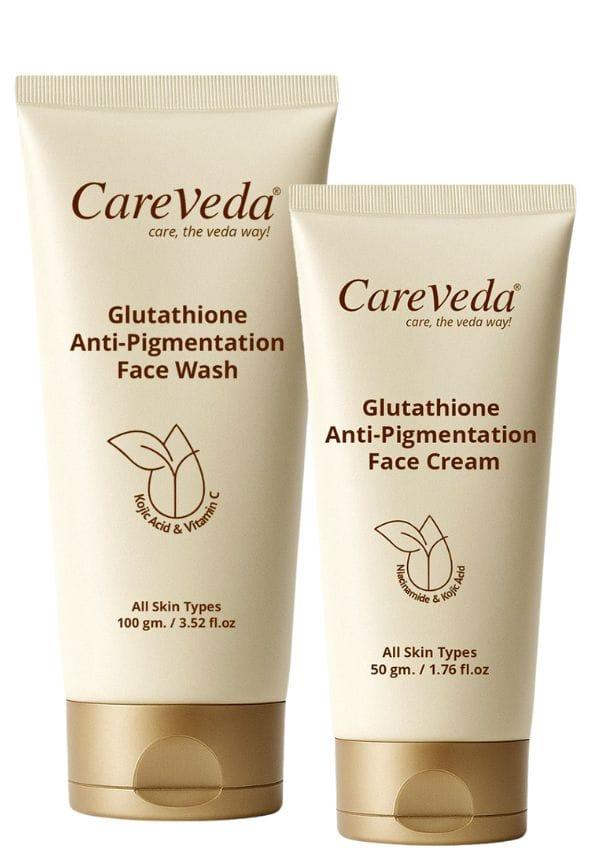 150gm
150gmFace Wash & Cream for Bright, Even-Toned Skin
This is where you can add serums or treatments for specific concerns like dark spots or fine lines. But honestly, master the basics first. Your skin will thank you for the patience.
Keep a simple log of what you're using and how your skin responds. This isn't about being obsessive—it's about learning what works for your unique skin.
Now let's talk timing. Your skin has different needs in the morning versus evening, and your routine should reflect that. Morning routines are all about protection and prep for the day ahead, while evening routines focus on repair and renewal.
Keep mornings simple because, let's be honest, who has time for a lengthy routine when you're rushing to get ready? Start with a gentle cleanser or even just a splash of lukewarm water if your skin isn't particularly oily. Follow with a lightweight moisturiser that absorbs quickly, then finish with your SPF. That's it—three steps and you're sorted.
Evenings are when you can be a bit more indulgent. Start with your cleanser to remove the day's grime, follow with your alcohol-free toner, then apply your moisturiser. This is also when you'd add any weekly treatments or targeted serums. Your skin does most of its repair work while you sleep, so evening is prime time for nourishing products.
Reading ingredient lists doesn't have to feel like deciphering ancient hieroglyphics. There are some key players to seek out and others to avoid, especially when you're building your first skincare routine for beginners.
Your skin-friendly ingredients include ceramides (they strengthen your skin barrier), hyaluronic acid (a hydration powerhouse), and niacinamide (great for reducing redness and regulating oil). These are gentle workhorses that deliver results without drama.
Steer clear of products with high alcohol content, synthetic fragrances, and sulfates. These can be particularly harsh for beginners or anyone with sensitive skin. Essential oils might sound natural and lovely, but they're common irritants too.
Before slathering any new product all over your face, do a patch test. Apply a small amount to your inner wrist or behind your ear, wait 24 hours, and see how your skin reacts. It's a simple step that can save you from a full-face reaction.
When shopping for affordable skincare, drugstore brands often offer excellent gentle formulations. Look for products labeled as hypoallergenic or designed for sensitive skin—these are usually good starting points for beginners.
 50 gm
50 gmBaby Face Cream Extra Soft And Gentle
We've all been there—excited about a new routine and going completely overboard. Here are the most common pitfalls that trip up skincare beginners, and how to sidestep them gracefully.
The biggest mistake? Trying to fix everything at once. Your skin didn't develop its current concerns overnight, and it won't transform overnight either. Patience isn't just a virtue in skincare—it's essential. Most people need at least 4-6 weeks of consistent use to see real changes.
Exfoliation feels productive, like you're really doing something for your skin. But too much of a good thing becomes a bad thing quickly. Stick to once a week maximum when starting out. Your skin will tell you if it can handle more frequency later on.
Instagram and TikTok make 10-step routines look glamorous, but your skin doesn't need that much stimulation. Start with the basics and add one new product at a time, leaving at least two weeks between introductions. This way, you'll know exactly what's working and what isn't.
This one's non-negotiable. Skipping SPF is like working out consistently but eating rubbish—you're undermining all your other efforts. Make it as automatic as brushing your teeth.
While the basic framework stays the same, you can tweak your daily skincare routine based on your skin's specific needs. Think of it like adjusting a recipe to suit your taste preferences—the core structure remains, but the details change.
If your skin tends to be oily, opt for gel-based cleansers and lightweight, oil-free moisturisers. You might benefit from a gentle BHA exfoliant once a week to help keep pores clear. But remember—oily skin still needs moisture, so don't skip the moisturiser.
Dry skin loves cream-based products and hydrating serums. Look for ingredients like ceramides and hyaluronic acid. You might want to use your moisturiser twice in the evening—once after cleansing, then again as a final step.
The trickiest skin type to navigate, combination skin benefits from a zone-specific approach. Use lighter products on your T-zone and richer formulas on drier areas like your cheeks. It sounds complicated, but you'll get the hang of it quickly.
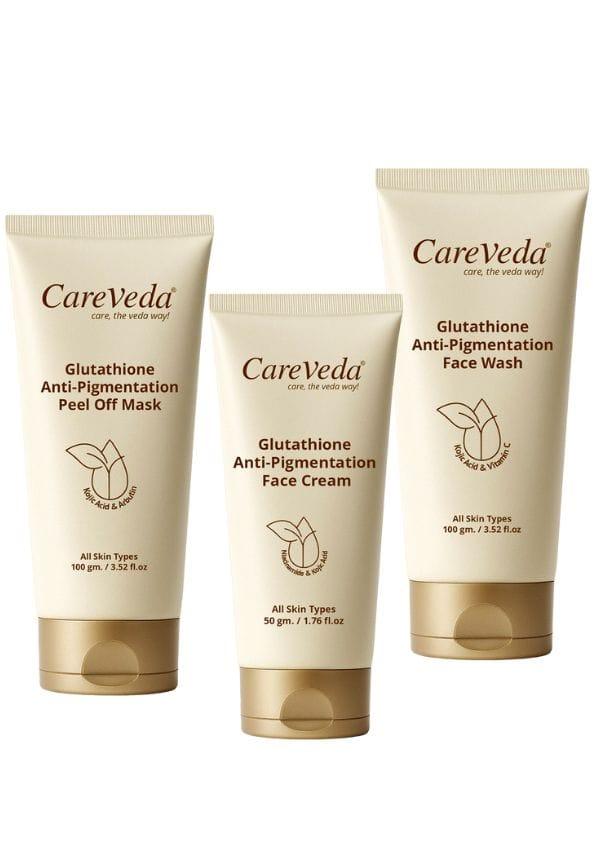 250gm
250gmFace Cream & Face Wash, Peel off Mask for Bright, Even-Toned Skin
Keep everything minimal and fragrance-free. Introduce new products one at a time and always patch test. Your mantra should be "gentle and consistent" rather than "active and aggressive."
This is where platforms like Smytten become incredibly valuable for beginners. Instead of committing to full-size products that might not suit your skin, you can try curated trial packs from trusted brands like Cetaphil and Dot & Key. With over 1,500 brands available in mini sizes, you can experiment with different formulations without the financial risk. Getting up to 8 minis for just ₹249 means you can test various products to find your perfect match before investing in full sizes.
Start with four essentials: a gentle cleanser, alcohol-free toner, lightweight moisturiser, and broad-spectrum SPF 30+. Focus on fragrance-free, hypoallergenic products from trusted brands. The key is keeping things simple while your skin adjusts to a consistent routine.
A basic 3-step routine includes cleanse, moisturise, and protect with SPF. Add toning and weekly exfoliation as your skin adapts. Consistency matters more than complexity—it's better to do a simple routine every day than a complicated one sporadically.
Most beginners notice improved hydration within 1-2 weeks. Significant improvements in texture and tone typically appear after 4-6 weeks of consistent use. Remember, skincare is a marathon, not a sprint.
Drugstore options can provide excellent results under ₹2000 total. Look for gentle cleansers, basic moisturisers, and reliable SPF from established brands. Trial sizes are perfect for testing products before committing to full sizes.
Natural isn't always gentler. Focus on gentle formulations regardless of natural or synthetic origin. Some natural ingredients like essential oils can actually be more irritating than synthetic alternatives. Always patch test everything.
Your basic routine can stay consistent, but you might need to adjust product textures seasonally. Lighter moisturisers in summer, richer ones in winter. Your skin's needs change with weather, hormones, and age.
Building the best beginner skincare routine isn't about perfection—it's about consistency and patience. These seven gentle steps provide a solid foundation that you can build upon as you learn more about your skin's unique needs. Remember, your skin is as individual as you are, so what works for your mate might not work for you, and that's completely normal.
Start with the basics: cleanse, moisturise, and protect. Add other steps gradually as your skin adjusts and you become more confident. Most importantly, give your routine time to work. Skincare isn't magic—it's science, and science takes time to show results.
The beauty of starting simple is that you're building sustainable habits rather than overwhelming yourself with complicated routines you'll eventually abandon. Your future self will thank you for taking this gentle, thoughtful approach to skincare. After all, the best routine is the one you'll actually stick to, and with these skincare tips for beginners, you're well on your way to healthier, happier skin.
