7 Gentle Acne Solutions for Sensitive Skin


Dealing with acne when you have sensitive skin feels like being stuck between a rock and a hard place. Traditional acne treatments can leave your skin red, irritated, and sometimes even worse than before. But here's the thing—you don't have to choose between clear skin and comfort. The right acne skincare for sensitive skin approach can tackle breakouts without turning your face into an angry tomato. Let's dive into seven gentle solutions that actually work, backed by dermatologists and real results. Your skin deserves products that treat it kindly whilst getting the job done.
Your skin isn't being difficult—it's trying to protect itself. When you have both sensitive skin and acne, your skin barrier is already compromised, making it react to ingredients that others might tolerate just fine. Traditional acne treatments often contain high concentrations of active ingredients that can trigger inflammation, redness, and irritation in sensitive skin types.
The problem with harsh sensitive skin acne treatment approaches is they create a vicious cycle. Strong ingredients strip your skin's natural oils, causing it to produce even more sebum to compensate. This leads to more breakouts, more irritation, and a damaged skin barrier that struggles to heal itself. Your skin becomes hypersensitive to everything, making it nearly impossible to find products that don't cause reactions.
Signs your skin falls into the sensitive-acne category include redness that lingers after breakouts heal, stinging sensations when applying products, and skin that feels tight or uncomfortable after cleansing. You might also notice that your acne gets worse with traditional treatments rather than better. Understanding this helps you choose the right acne and sensitive skin routine that works with your skin, not against it.
Gentle doesn't mean weak—it means smart. The best non-irritating acne solutions work by supporting your skin's natural healing processes rather than overwhelming them. These formulations typically use lower concentrations of active ingredients, pH-balanced formulas, and include soothing ingredients that calm inflammation whilst targeting acne-causing bacteria.
Research shows that maintaining your skin barrier function is crucial for managing both sensitivity and acne. When your barrier is healthy, it can better regulate oil production, prevent bacteria from penetrating deeper layers, and heal from breakouts more efficiently. Calming acne skincare focuses on this dual approach—treating acne whilst nurturing your skin's protective barrier.
The key lies in anti-inflammatory ingredients that reduce redness and swelling without causing additional irritation. These work differently from traditional antibacterial approaches by addressing the root cause of acne inflammation rather than just killing bacteria. This gentler method is particularly effective for sensitive skin because it doesn't disrupt the skin's natural microbiome or trigger defensive reactions.
Finding the best acne treatment for sensitive skin means looking for ingredients that are both effective and gentle. These seven solutions have been dermatologist-tested and proven to work without causing the irritation that sensitive skin typically experiences with traditional acne treatments.
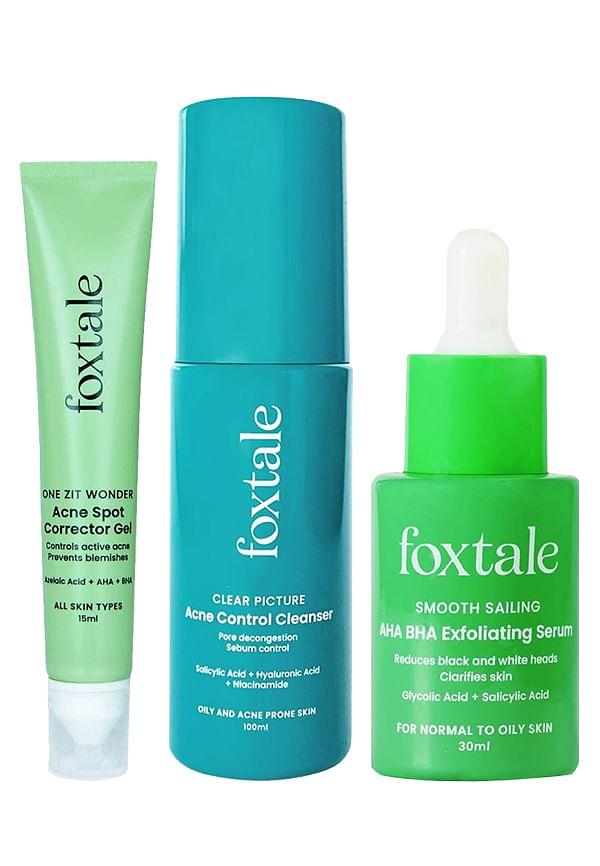 Combo
ComboAcne Essentials
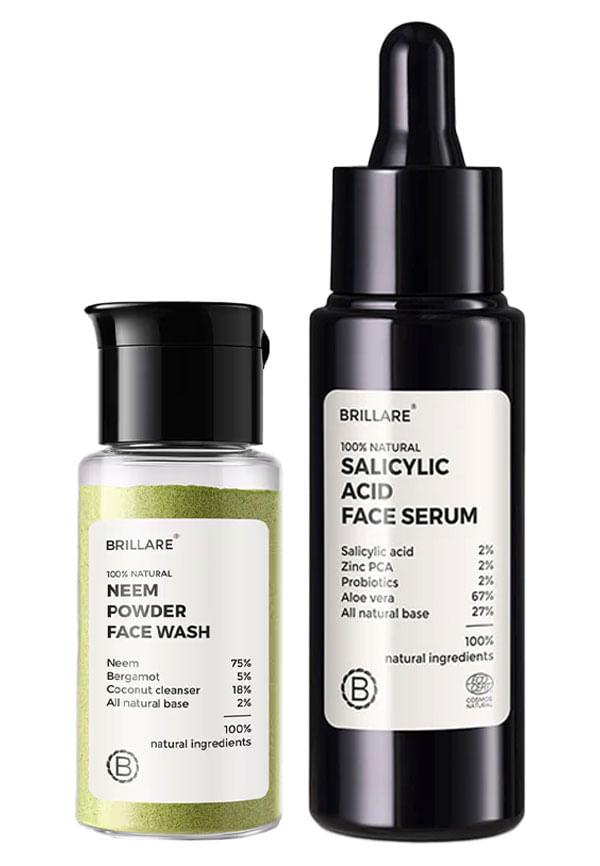 Combo
ComboNeem & Salicylic Acne Control Combo
Salicylic acid is a beta-hydroxy acid that gently exfoliates inside your pores, removing dead skin cells and excess oil that can lead to breakouts. For sensitive skin, concentrations between 0.5% and 1% provide effective results without over-drying or irritating your skin. Unlike higher concentrations that can cause peeling and redness, these gentler formulations work gradually to improve your skin texture.
Look for salicylic acid in cream or lotion formulations rather than alcohol-based solutions. These tend to be more hydrating and less likely to cause irritation. Start by using it every other day and gradually increase frequency as your skin builds tolerance.
Adapalene is a third-generation retinoid that's significantly gentler than other retinoids whilst still being highly effective for acne. It works by normalising skin cell turnover, preventing pores from becoming clogged, and reducing inflammation. The 0.1% concentration is perfect for sensitive skin because it provides retinoid benefits without the harsh side effects.
The key to success with adapalene is slow introduction. Start with twice-weekly application and always follow with a gentle moisturiser. This ingredient is particularly good for sensitive skin because it's less likely to cause the initial purging period that other retinoids might trigger.
Niacinamide is a form of vitamin B3 that's become a holy grail ingredient for sensitive, acne-prone skin. It regulates oil production, reduces inflammation, and strengthens your skin barrier—all without causing irritation. Redness relief skincare often features niacinamide because it's so effective at calming inflamed skin.
Concentrations between 5% and 10% are most effective for acne control. Niacinamide plays well with other ingredients, making it easy to incorporate into your existing routine. It's particularly beneficial for sensitive skin because it actually helps reduce sensitivity over time by strengthening your skin's protective barrier.
Azelaic acid is a multitasking ingredient that provides both antibacterial and anti-inflammatory benefits. It's naturally found in grains and is particularly gentle on sensitive skin whilst being effective against acne-causing bacteria. This ingredient also helps with post-acne marks and uneven skin tone, making it perfect for sensitive skin that tends to develop dark spots after breakouts.
For sensitive skin, look for concentrations around 10-15%. Azelaic acid has a slightly gritty texture, so choose cream formulations that feel more comfortable on sensitive skin. It's one of the few acne ingredients that's safe to use during pregnancy, making it a versatile choice for many people.
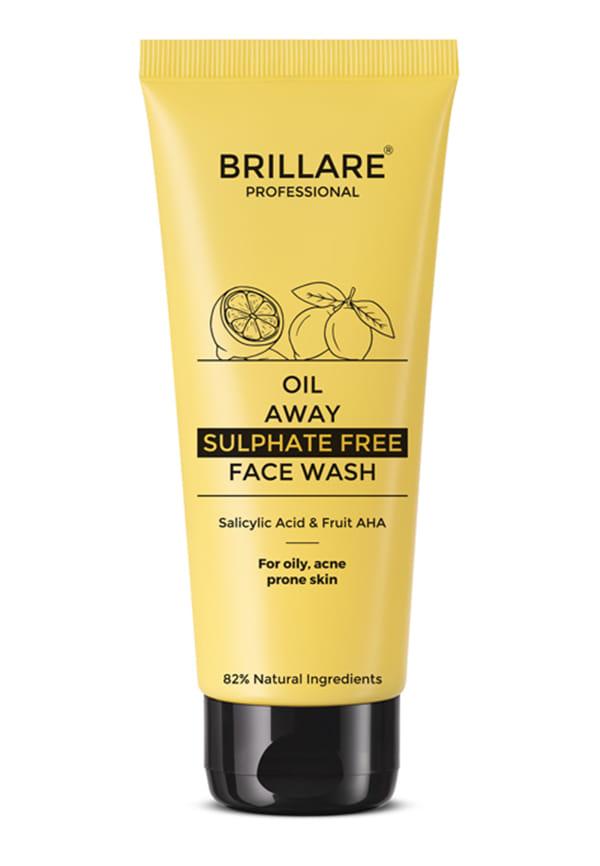 100 ml
Facewash For Oily, Acne Prone Skin
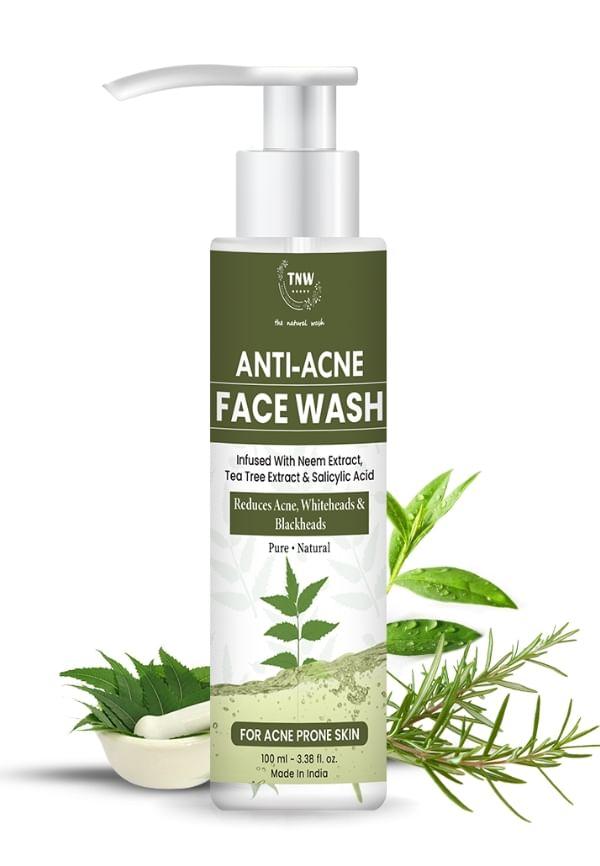 100 ml
Anti-Acne Face Wash For Acne & Blemishes
Benzoyl peroxide is highly effective against acne bacteria, but traditional concentrations (5-10%) can be too harsh for sensitive skin. The 2.5% concentration provides the same antibacterial benefits with significantly less irritation. Research shows that 2.5% benzoyl peroxide is just as effective as higher concentrations but with fewer side effects.
Choose cream formulations over gels, as they tend to be more moisturising and less drying. Always start with short contact therapy—apply for 10-15 minutes, then rinse off—before progressing to leave-on application. This helps your sensitive skin build tolerance gradually.
Zinc is a natural anti-inflammatory ingredient that's incredibly gentle on sensitive skin. It helps regulate oil production, reduces inflammation, and supports skin healing. Zinc oxide is particularly effective as it provides both acne-fighting benefits and gentle sun protection, which is crucial for sensitive skin.
You can find zinc in various forms—topical creams, spot treatments, and even supplements. For sensitive skin, topical zinc oxide formulations tend to be most effective and least likely to cause irritation. Look for products that combine zinc with other soothing ingredients like aloe vera or ceramides.
Your skin's microbiome plays a crucial role in both acne development and skin sensitivity. Probiotic and prebiotic skincare helps balance the beneficial bacteria on your skin, reducing inflammation and supporting your skin's natural defence mechanisms. This approach is particularly beneficial for sensitive skin because it works with your skin's natural processes rather than against them.
Look for products containing lactobacillus ferment or prebiotic ingredients like inulin. These ingredients help maintain a healthy skin microbiome, which can reduce both acne breakouts and sensitivity reactions. This gentler approach to acne treatment is becoming increasingly popular among dermatologists.
Creating an effective acne and sensitive skin routine is about finding the right balance between treating acne and maintaining skin comfort. Your routine should be simple, consistent, and focused on supporting your skin barrier whilst addressing breakouts. The key is introducing new products slowly and paying attention to how your skin responds.
Start with a basic three-step routine: gentle cleanser, treatment product, and moisturiser. Once your skin tolerates this well, you can gradually add additional treatments or targeted products. Remember that with sensitive skin, less is often more—it's better to use fewer products consistently than to overwhelm your skin with too many active ingredients.
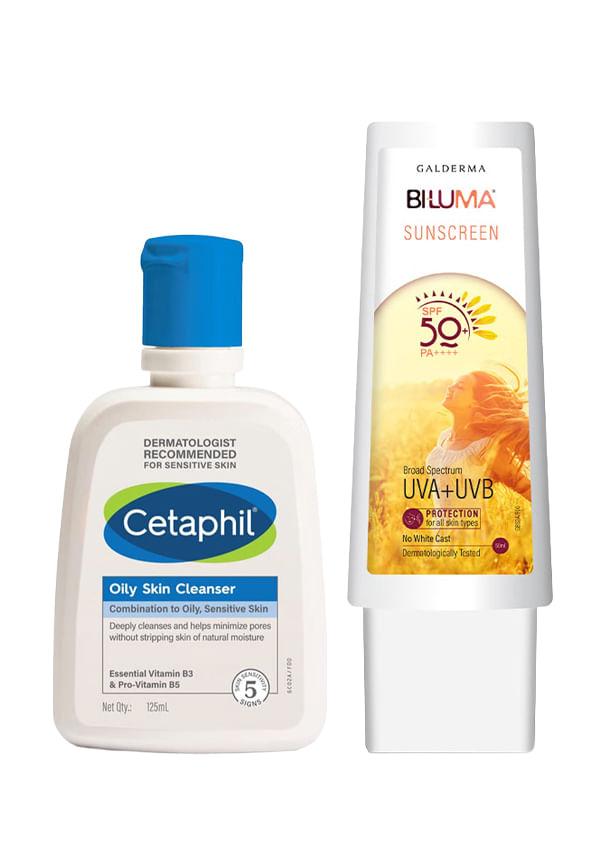 Combo
ComboSensitive Skin Summer Protection
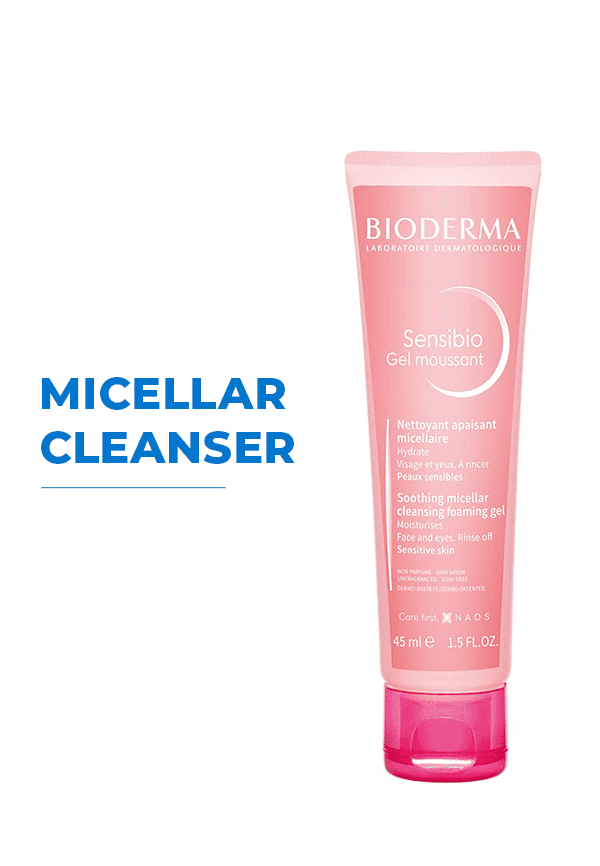 45 ml
45 mlSensibio Gentle Soothing Micellar Cleansing Foaming Gel For Sensitive Skin
Your morning routine should focus on protection and gentle treatment. Start with a gentle acne cleanser that removes overnight buildup without stripping your skin. Look for fragrance-free acne skincare options that won't trigger sensitivity reactions.
Follow with a lightweight treatment containing niacinamide or low-concentration salicylic acid. These ingredients work well under sunscreen and won't make your skin more photosensitive. Always finish with a broad-spectrum SPF 30 or higher—sun protection is crucial for sensitive skin and helps prevent post-acne marks from darkening.
Evening is when your skin does most of its repair work, making it the ideal time for more active treatments. If you're using adapalene or azelaic acid, apply these in the evening after cleansing. Follow with a nourishing moisturiser that contains ceramides or hyaluronic acid to support your skin barrier overnight.
Consider incorporating a soothing acne cream that combines treatment ingredients with calming components like aloe vera or centella asiatica. These help reduce any potential irritation whilst your skin adjusts to new treatments.
Knowing what to avoid is just as important as knowing what to use. Many traditional acne products for sensitive skin contain ingredients that can trigger reactions or worsen sensitivity. Common culprits include high concentrations of acids, alcohol-based formulations, and products with synthetic fragrances or essential oils.
Avoid physical scrubs or harsh exfoliating tools that can damage your already sensitive skin barrier. Over-cleansing is another common mistake—washing your face more than twice daily can strip your skin's natural oils and trigger increased oil production. Stick to gentle, pH-balanced cleansers that clean without compromising your skin's protective barrier.
Be cautious with products that promise immediate results or contain very high concentrations of active ingredients. Your sensitive skin needs time to adjust to new treatments, and rushing the process often leads to irritation and setbacks. When trying new products, especially those designed for acne treatment, consider starting with trial sizes to test compatibility before committing to full-size products.
This is where platforms like Smytten become invaluable for sensitive skin types. With access to trial packs from trusted brands like Cetaphil, Dot & Key, and other dermatologist-recommended options, you can test products without the financial risk of purchasing full sizes that might not work for your skin. This approach is particularly beneficial for sensitive skin, where finding the right products often requires trial and error.
 40 ml
40 mlUnderArm Roll On with 4% Lactic Acid & 1% Mandelic Acid - Fragrance Free for Sensitive Skin
 200 GM
HealthBest Body Yogurt for Kids SPF-15 | L-Glutathione, Vitamin-C, Kojic Acid, Vitamin-E | Normal Skin, Sensitive Skin & Dry Skin | Tear, Paraben, SL
Gentle acne treatments typically take 6-12 weeks to show significant improvement. Because these formulations are milder, they work more gradually than harsh treatments. However, this slower approach often leads to more sustainable results with less irritation. You might notice reduced redness and inflammation within 2-4 weeks, with clearer skin developing over the following months.
Yes, but introduce them one at a time. Start with one active ingredient for 2-4 weeks before adding another. Good combinations for sensitive skin include niacinamide with salicylic acid, or azelaic acid with zinc. Avoid combining retinoids with other acids initially, and always use a gentle moisturiser to support your skin barrier.
Stop using the product immediately and return to your basic routine of gentle cleanser and moisturiser. Even gentle products can cause reactions in very sensitive skin. Once your skin calms down (usually 3-7 days), you can try introducing the product again at a lower frequency or look for an even milder alternative.
Not necessarily. Some natural ingredients like essential oils or plant extracts can be more irritating than synthetic alternatives. Focus on ingredients that are proven gentle and effective rather than whether they're natural or synthetic. Fragrance-free formulations, whether natural or synthetic, are typically better for sensitive skin.
If your acne is moderate to severe, or if you're not seeing improvement after 3 months of consistent gentle treatment, consider consulting a dermatologist. They can prescribe stronger treatments that are formulated specifically for sensitive skin or identify underlying factors contributing to both your acne and sensitivity.
Managing acne with sensitive skin doesn't have to be a constant battle. The right approach combines gentle, effective ingredients with patience and consistency. Remember that your skin's sensitivity isn't a weakness—it's just a different skin type that requires thoughtful product selection and a more gradual approach to treatment.
The seven solutions we've covered—low-concentration salicylic acid, adapalene, niacinamide, azelaic acid, gentle benzoyl peroxide, zinc treatments, and probiotic skincare—offer proven results without the harsh side effects of traditional acne treatments. The key is finding which combination works best for your unique skin needs.
Building an effective routine takes time, and what works for others might not work for you. This is why trying products before committing to full sizes is so valuable. With platforms like Smytten, you can explore curated trial packs from over 1,500 trusted brands, making it easier to discover your perfect skincare routine without the risk of wasting money on products that don't suit your sensitive skin. After all, why settle for 'maybe' when you can try it all and find what truly works for your skin?
