7 Expert Ways to Repair Your Skin Barrier Fast


Your skin feels tight, looks red, and seems to react to everything you put on it? Real talk—your skin barrier might be crying for help. Think of your skin barrier as your body's bouncer, keeping the good stuff in and the bad stuff out. When it's damaged, your skin becomes sensitive, dry, and basically unhappy with life. But here's the good news: with the right approach, you can restore your skin barrier faster than you think. Let's dive into seven expert-backed ways to get your skin back to its happy, healthy state.
Your skin barrier is basically your skin's protective shield—the outermost layer called the stratum corneum. It's made up of skin cells held together by lipids like ceramides, cholesterol, and fatty acids. When this barrier is healthy, it keeps moisture locked in and irritants locked out.
The skin barrier function is like having a really good security system for your face. It's made up of dead skin cells arranged like bricks, with lipids acting as the mortar between them. This structure prevents water loss and blocks harmful substances from penetrating your skin. When everything's working properly, your skin stays hydrated, calm, and resilient.
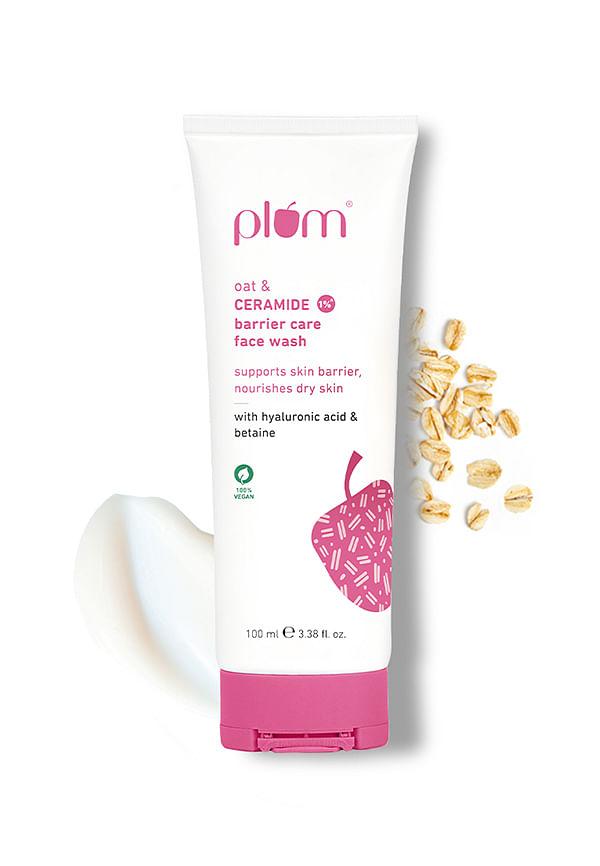 100 ml
Plum 1% Ceramide & Oat Barrier Care Face Wash
Wondering if your skin barrier needs some TLC? Here are the telltale signs:
Persistent dryness that doesn't improve with moisturiser
Increased sensitivity to products you used to tolerate
Redness, irritation, or inflammation
Rough, flaky texture
Frequent breakouts or skin reactions
Stinging sensation when applying skincare
Several culprits can wreck your skin barrier. Over-exfoliation is probably the biggest offender—using too many acids or scrubbing too aggressively. Harsh cleansers that strip your skin, environmental factors like pollution and UV damage, and even stress can all contribute to barrier breakdown.
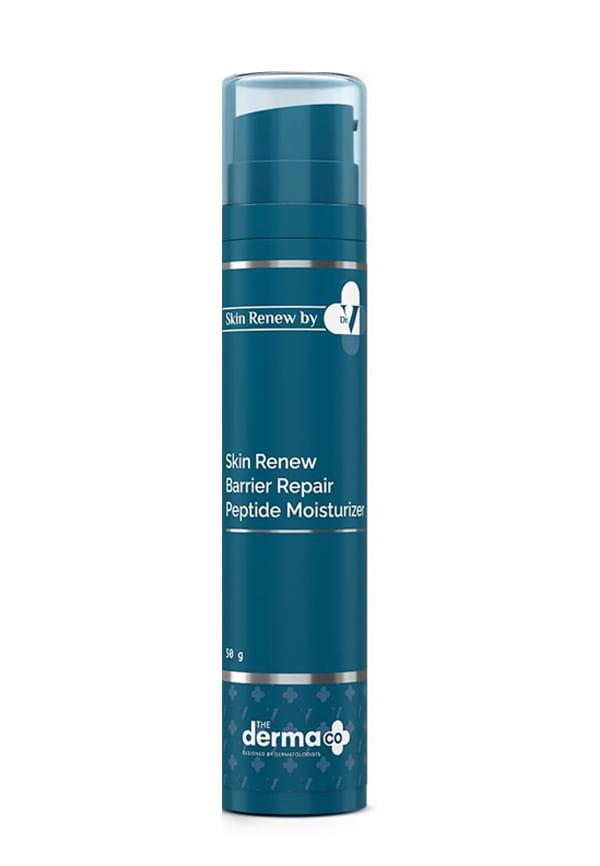 50 ml
50 mlSkin Renew Barrier Repair Peptide Moisturizer with Peptide & Vitamin C
Let's set realistic expectations here. Your skin barrier didn't get damaged overnight, and it won't heal overnight either. But with consistent care, you can see improvements sooner than you might think.
Most people start noticing improvements within 2-4 weeks of starting a proper skin barrier repair routine. Significant changes typically happen around the 4-8 week mark, whilst complete restoration can take anywhere from 2-4 months. Remember, everyone's skin is different, so your timeline might vary.
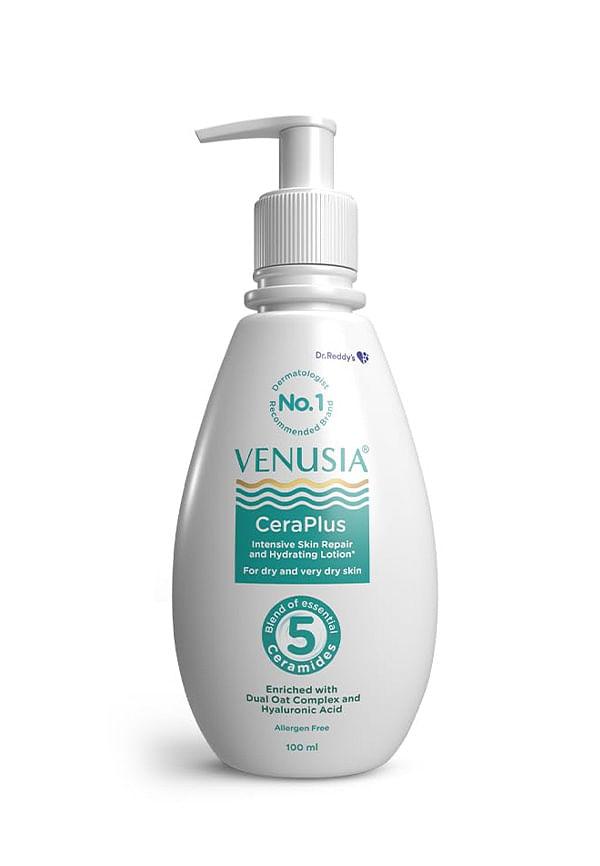 100 ml
Ceraplus Lotion for Dry Skin 5 Essential Ceramides for Deep moisturization barrier repair
Several things influence how quickly your skin bounces back. The severity of damage plays a huge role—minor irritation heals faster than chronic barrier dysfunction. Your age, skin type, and how consistent you are with your routine all matter too.
Ready to give your skin the TLC it deserves? These seven methods are backed by dermatologists and proven to speed up the healing process. The key is being gentle and patient with your skin.
This might be the hardest step, but it's crucial. Put away your retinoids, AHAs, BHAs, and vitamin C serums for now. These actives can further irritate already compromised skin. Think of it as giving your skin a holiday from all the hard work. You can gradually reintroduce them once your barrier is stronger, usually after 4-6 weeks of consistent repair routine.
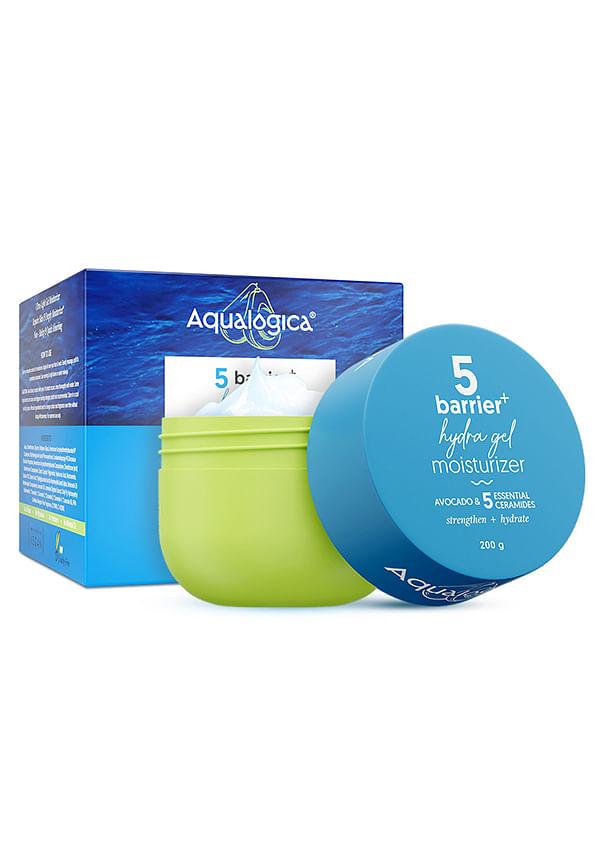 200 gm
Barrier+ Hydra Gel Moisturizer with 5 Ceramides & Avocado
Ditch anything that foams aggressively or leaves your skin feeling squeaky clean. Look for gentle, hydrating cleansers with a pH between 5.0-6.5. Avoid sulfates and use lukewarm water instead of hot water, which can further strip your skin. Your cleanser should remove dirt and makeup without making your skin feel tight.
Ceramides for skin are absolute game-changers when it comes to barrier repair. These lipids naturally occur in your skin and help maintain the barrier structure. Look for products containing ceramides 1, 3, and 6-II. Apply them to slightly damp skin to boost hydration, and don't be afraid to layer—your damaged barrier needs all the help it can get.
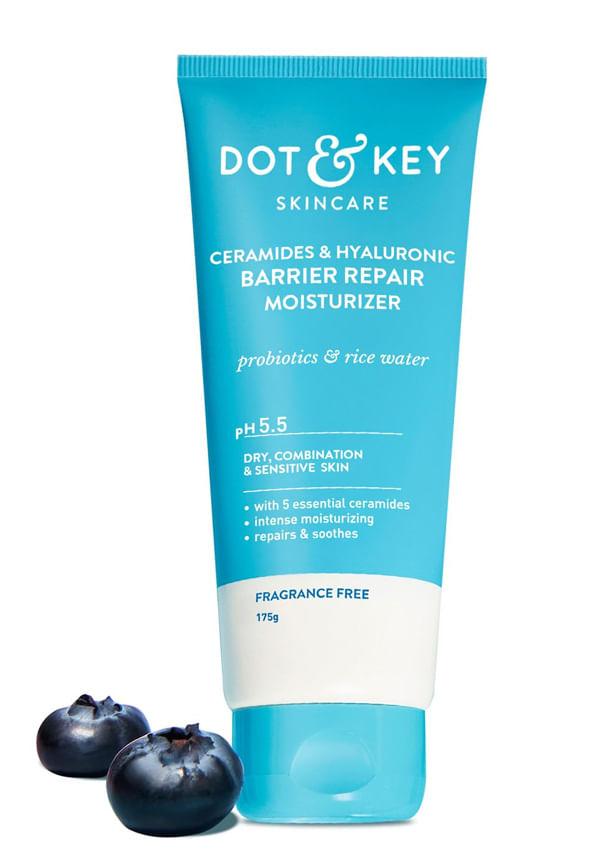 175 gm
Ceramides & Hyaluronic Barrier Repair Moisturizer
A good skin barrier serum can accelerate healing significantly. Hyaluronic acid draws moisture into your skin, whilst niacinamide reduces inflammation and strengthens the barrier. Peptides can also help speed up the repair process. Apply these serums before your moisturiser for maximum benefit.
Your skin barrier cream should be rich and occlusive to prevent transepidermal water loss. Look for ingredients like petrolatum, shea butter, or ceramides. Apply whilst your skin is still slightly damp to lock in moisture. Don't worry if it feels heavy at first—your skin needs this level of protection right now.
UV damage can seriously slow down your healing process. Choose a mineral sunscreen with zinc oxide or titanium dioxide, as these are less likely to irritate sensitive skin. SPF 30 is the minimum, but SPF 50 is even better. Reapply throughout the day, especially if you're spending time outdoors.
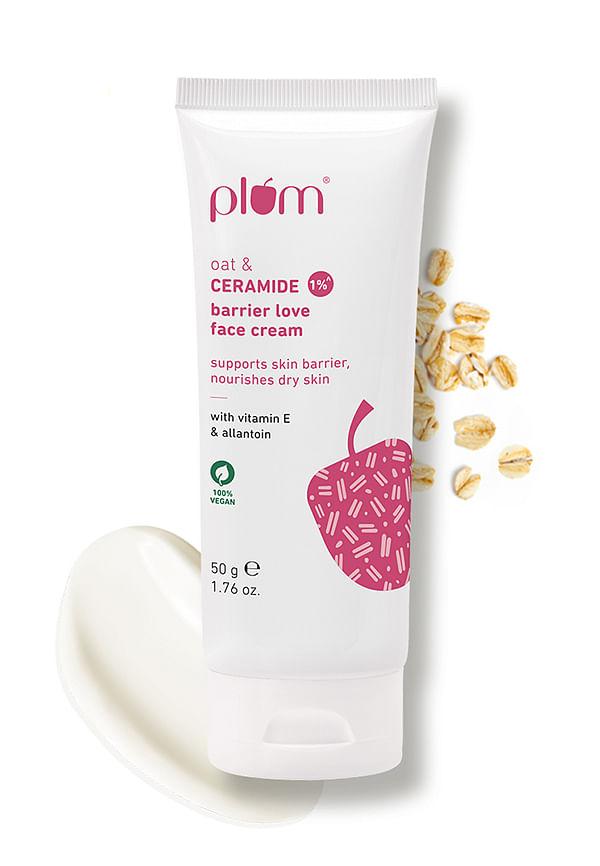 50 gm
50 gmOat & 1% Ceramide Barrier Love Face Cream | Repairs, Strenghtens Skin Barrier
Keep it simple: cleanse, treat, moisturise, protect. In the morning, use your gentle cleanser, apply a hydrating serum, follow with your barrier cream, and finish with sunscreen. Evening routine is similar but skip the sunscreen and consider adding a facial oil for extra nourishment.
Not all skincare ingredients are created equal when it comes to barrier repair. Some are absolute heroes, whilst others might actually slow down your progress. Here's what to look for and what to avoid.
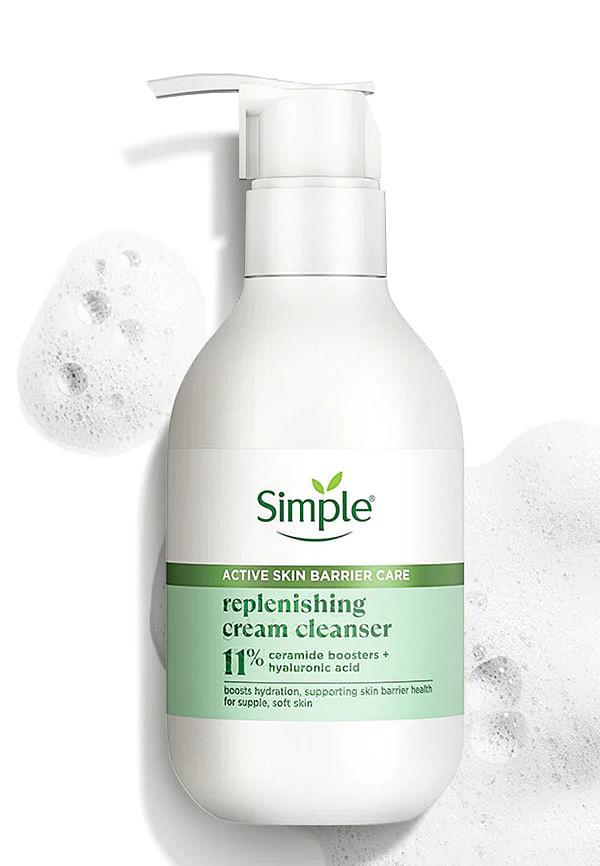 150 ml
Active Skin Barrier Care Replenishing Cream Cleanser
The holy trinity of barrier repair includes ceramides, cholesterol, and fatty acids. These skin barrier ingredients work together to rebuild your skin's protective structure. Squalane is another fantastic option—it's lightweight but deeply nourishing and suitable for all skin types.
Hyaluronic acid and glycerin are moisture magnets that help plump up dehydrated skin. Niacinamide is brilliant for reducing inflammation and strengthening the barrier over time. Panthenol (Pro-Vitamin B5) soothes irritation and supports healing.
Steer clear of anything that might irritate your compromised skin. This includes alpha and beta hydroxy acids, high-concentration vitamin C, retinoids, and fragranced products. Essential oils might seem natural, but they can be highly irritating to damaged skin.
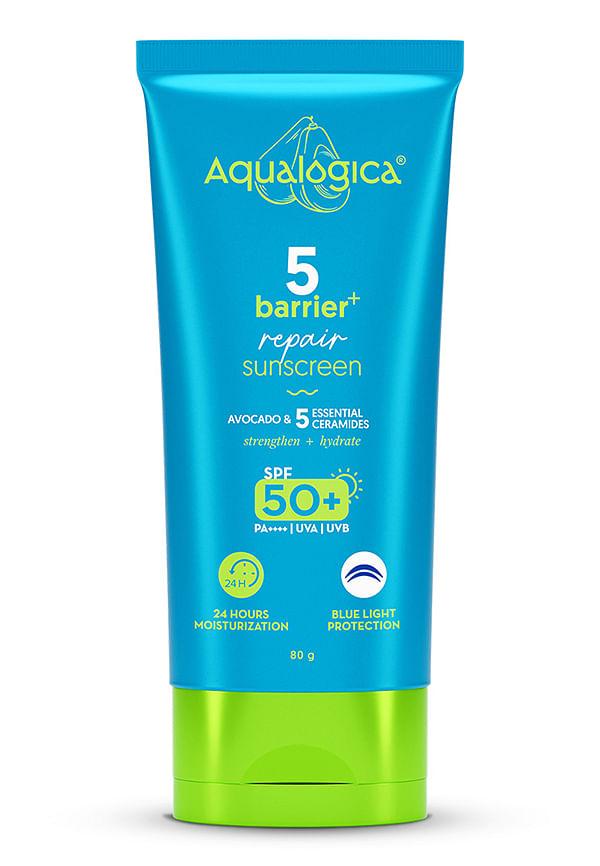 80 gm
80 gmBarrier+ Repair Sunscreen
Even with the best intentions, it's easy to make mistakes that slow down your progress. Being aware of these common pitfalls can help you avoid them and speed up your healing journey.
Impatience is probably the biggest barrier to healing. Many people give up after a week or two when they don't see dramatic results. Others continue using irritating products because they're afraid of breaking out or losing their glow. Trust the process and give your skin time to heal.
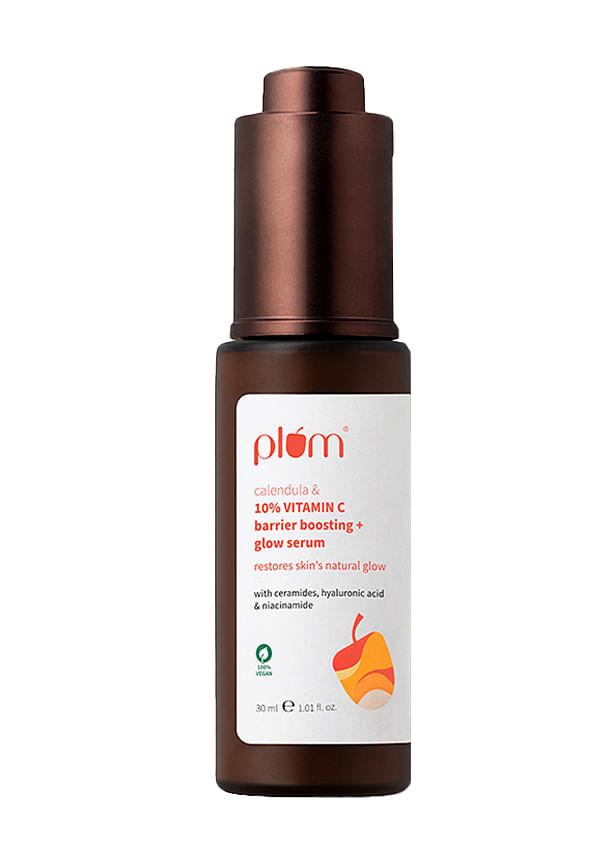 30 gm
30 gmPlum Calendula & 10% Vitamin C Barrier Boosting + Glow Serum
More isn't always better when it comes to damaged skin barriers. Introducing too many new products at once can overwhelm your skin and make it harder to identify what's helping or hurting. Stick to the basics and add new products slowly, one at a time.
Hot showers, over-washing your face, and constantly touching your skin can all interfere with healing. Stress and poor sleep also impact your skin's ability to repair itself. Create a calm environment for both your skin and your mind.
When you're ready to explore new products for your skin barrier repair journey, platforms like Smytten make it easier to find your perfect match. With trial packs from trusted brands like Cetaphil and Dot & Key, you can test barrier-repairing products without committing to full sizes—perfect when your skin is feeling sensitive and unpredictable.
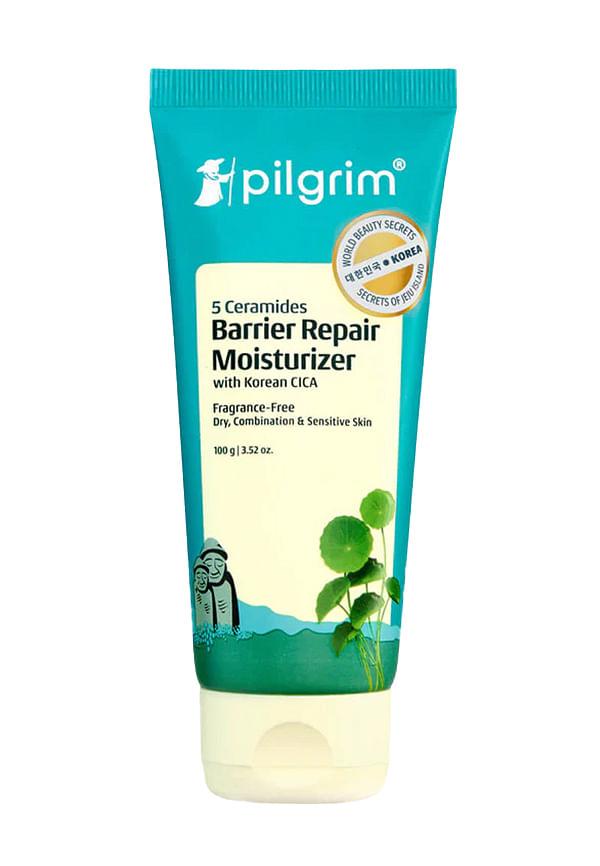 100 gm
5 Ceramides Barrier Repair Moisturizer with Korean CICA Lightweight & Non-Sticky
The fastest way to repair your skin barrier is to immediately stop using all active ingredients, switch to a gentle cleanser, apply ceramide-rich moisturisers twice daily, and protect with SPF 30+ sunscreen. This simplified routine can show improvement in 2-4 weeks with consistent use.
Initial improvements typically appear within 2-4 weeks, with significant repair occurring in 4-8 weeks. Complete barrier restoration can take 2-4 months depending on damage severity and consistency with your repair routine.
Whilst you cannot completely repair a damaged skin barrier overnight, you can begin the healing process immediately by simplifying your routine and using barrier-supporting ingredients like ceramides and hyaluronic acid.
Avoid all exfoliating acids, retinoids, vitamin C serums, physical scrubs, fragranced products, and harsh cleansers containing sulfates during the active repair phase. These can further irritate compromised skin.
Some people experience a brief adjustment period when switching to gentler products, but your skin shouldn't get significantly worse. If irritation increases, you might be using too many new products or have an ingredient sensitivity.
Repairing your skin barrier requires patience, consistency, and a gentle approach. Remember, this isn't about quick fixes—it's about giving your skin the support it needs to heal properly. Stick to the basics, avoid the temptation to over-complicate things, and trust that your skin knows how to heal itself when given the right environment.
The journey to a healthy skin barrier might feel slow, but the results are worth it. Once your barrier is restored, your skin will be more resilient, less reactive, and better able to handle the skincare products you love. Whether you're trying new barrier-repairing products through trial sizes or investing in full-size favourites, remember that consistency trumps perfection every time. Your skin barrier repair journey is unique to you, so listen to your skin and adjust your routine as needed.
