7 Expert Tips to Hydrate Dry Skin Naturally
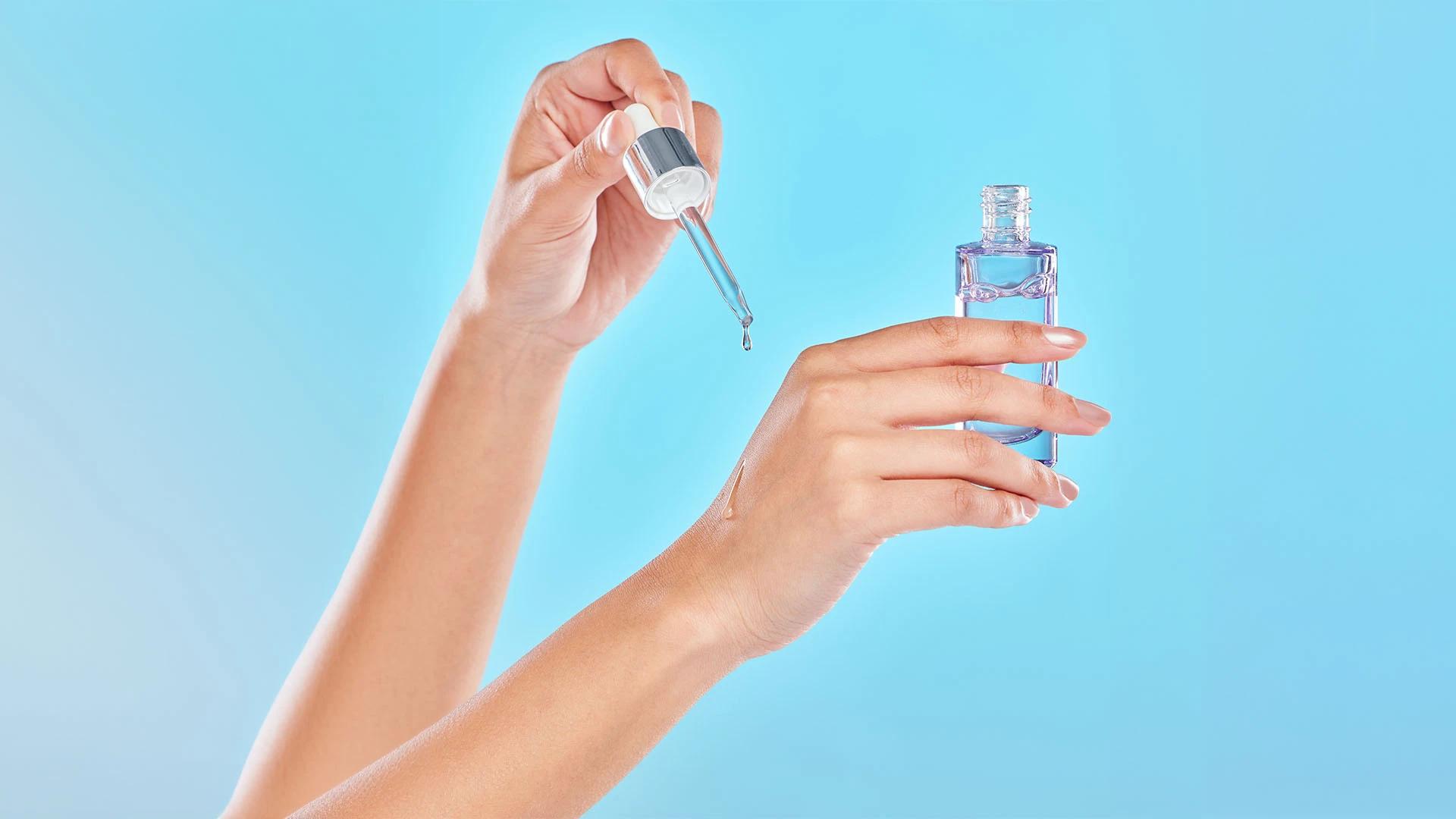

Dealing with dry skin can feel like a never-ending battle, especially when your usual skincare routine just isn't cutting it. Whether you're facing flaky patches, tight-feeling skin, or that uncomfortable sensation that no amount of moisturiser seems to fix, you're definitely not alone. The good news? There are proven, natural ways to restore your skin's hydration levels without breaking the bank or relying on harsh chemicals. Let's dive into seven expert-backed methods that actually work to give your skin the moisture it's been craving.
Before we jump into solutions, let's clear up a common mix-up that might be sabotaging your skincare efforts. Dry skin lacks oil (sebum), whilst dehydrated skin lacks water. Think of it this way: dry skin is a skin type you're born with, but dehydrated skin is a temporary condition that can affect anyone, even those with oily skin.
Dry skin typically feels rough, looks flaky, and might have visible fine lines. It's often genetic and tends to worsen with age, harsh weather, or over-cleansing. Dehydrated skin, on the other hand, feels tight and looks dull but might still produce oil. You might notice your makeup doesn't sit well, or your skin feels uncomfortable even after moisturising.
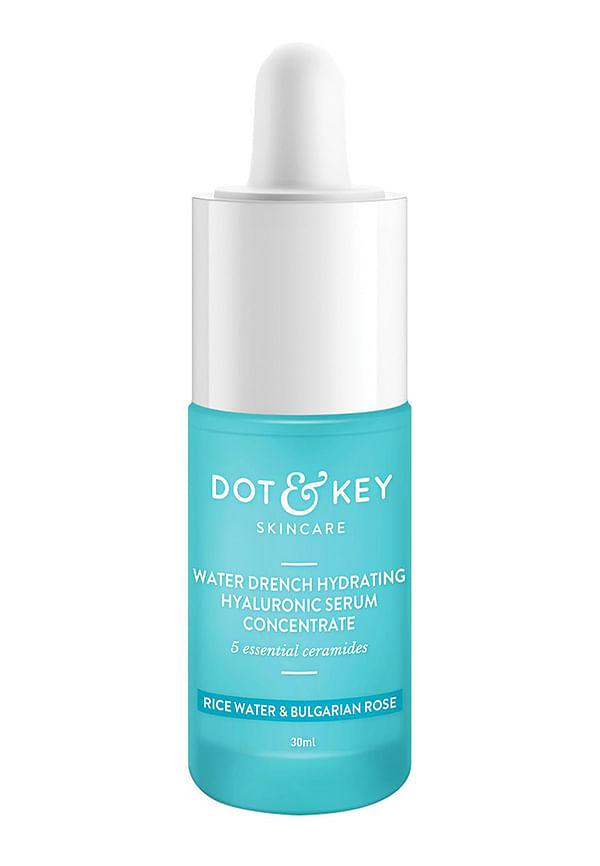 30 ml
30 mlWater Drench Hydrating Hyaluronic Serum Concentrate
If your skin feels tight after cleansing but gets oily throughout the day, you're likely dealing with dehydration. If it's consistently flaky, rough, and never feels oily, you're probably managing dry skin. The good news is that many dehydrated skin solutions work brilliantly for both conditions.
Skin barrier repair is crucial for maintaining hydration. Your skin barrier is like a protective wall that keeps moisture in and irritants out. When it's compromised, even the best moisturisers won't do their job properly.
Ready to transform your skin? These expert-recommended methods focus on working with your skin's natural processes rather than against them. Each tip builds on the others, so you can mix and match based on what your skin needs most.
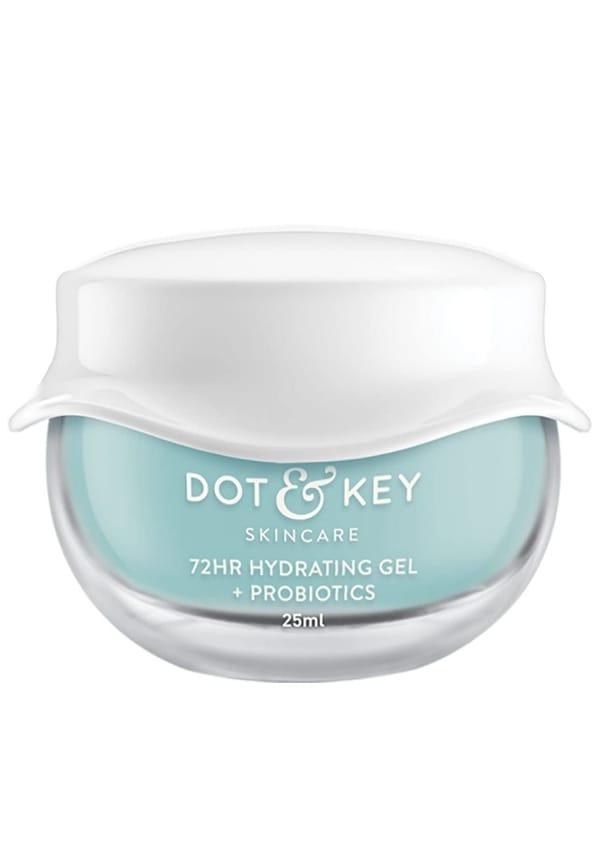 25 ml
25 ml72 Hr Hydrating Gel + Probiotics
This game-changing technique is all about timing. Apply your moisturiser within three minutes of cleansing whilst your skin is still slightly damp. Why? Damp skin acts like a moisture magnet, helping your products penetrate deeper and work more effectively.
For your face, gently pat (don't rub) with a soft towel, leaving skin about 80% dry. Then immediately apply your face hydration methods – whether that's a hydrating serum followed by moisturiser or a rich cream on its own. For your body, the same rule applies with your body lotion for dry skin.
Think of layering like building a moisture sandwich. Start with the thinnest consistency and work your way up to the thickest. Begin with a hydrating toner or essence, follow with a hyaluronic acid serum (this ingredient can hold up to 1,000 times its weight in water), then seal everything in with a moisturiser.
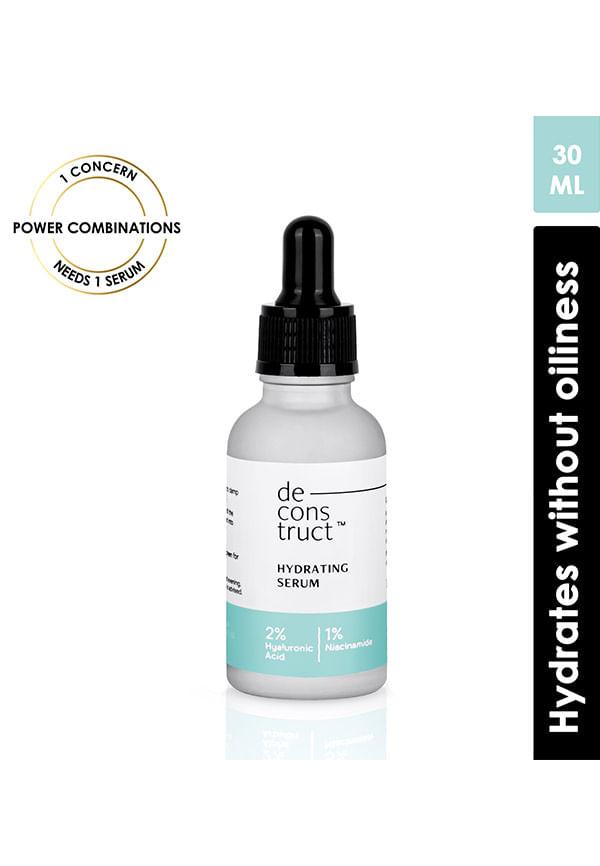 30 ml
30 mlHydrating Serum Hyaluronic Acid + 1% Niacinamide
The key is to let each layer absorb for about 30 seconds before applying the next. This prevents pilling and ensures each product can do its job properly.
Your cleanser sets the tone for everything that follows. Harsh, stripping cleansers can undo all your hydrating efforts. Look for gentle, creamy cleansers that don't leave your skin feeling tight or squeaky clean (that squeaky feeling actually means you've stripped away beneficial oils).
Water temperature matters too. Hot water feels lovely but strips natural oils faster than you can say "moisture barrier." Stick to lukewarm water and limit cleansing to once or twice daily – over-cleansing is one of the biggest culprits behind persistent dryness.
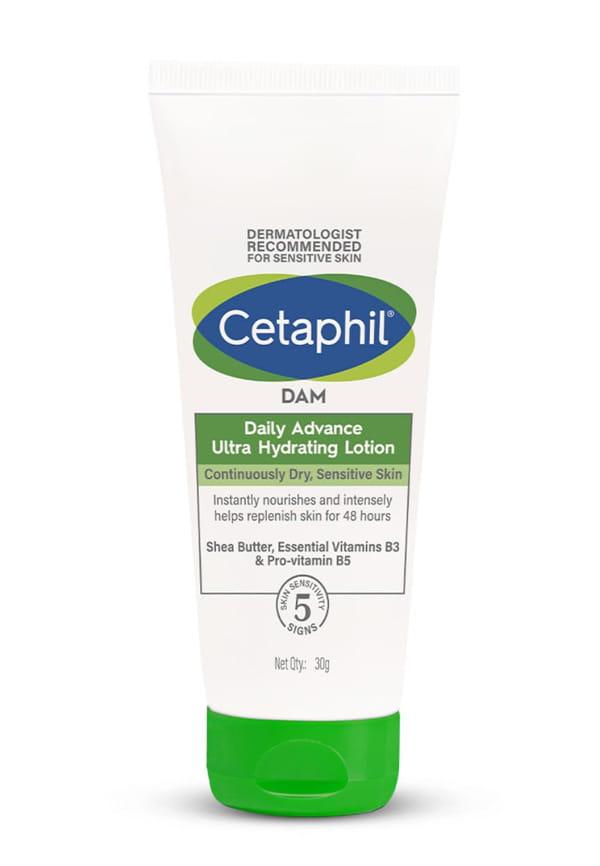 30 gm
30 gmDaily Advance Ultra Hydrating Lotion
Your skin does most of its repair work whilst you sleep, making nighttime the perfect opportunity for intensive hydration. Consider using a slightly heavier moisturiser at night or adding a facial oil as the final step in your routine.
Weekly overnight masks can provide an extra hydration boost. Look for ingredients like hyaluronic acid, ceramides, or squalane. Even a thin layer of pure aloe vera gel can work wonders for particularly parched skin.
Sometimes the issue isn't just your skincare routine – it's the air around you. Central heating, air conditioning, and low humidity can all contribute to skin dryness. A humidifier in your bedroom can make a noticeable difference, especially during winter months.
Aim for humidity levels between 40-60%. If a humidifier isn't in your budget, try placing a bowl of water near your radiator or hanging damp towels in your room.
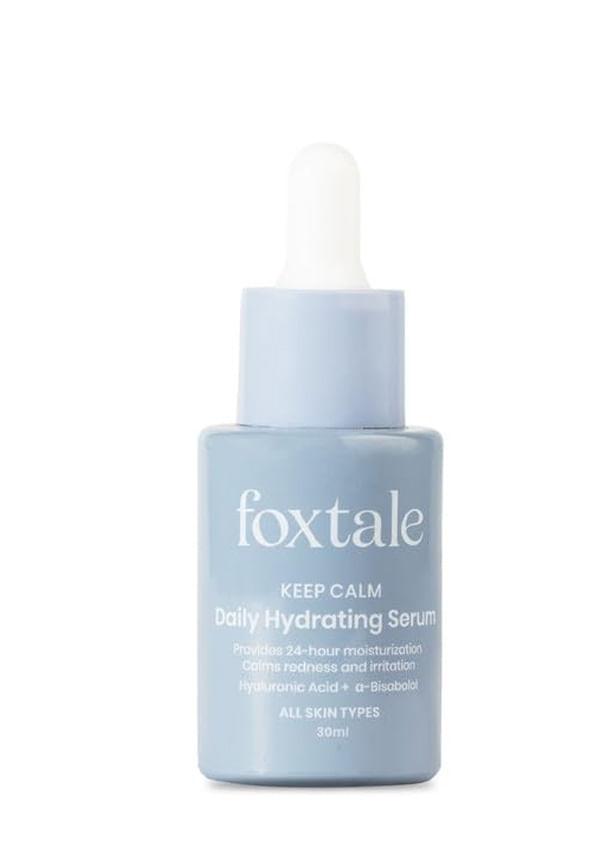 30 ml
30 mlHydrating Serum with Hyaluronic Acid and Bisabolol
What you put in your body shows up on your skin. Whilst drinking water alone won't cure dry skin, staying properly hydrated supports your skin's natural functions. Aim for about 8 glasses daily, but remember that hydrating foods count too.
Foods rich in omega-3 fatty acids (like salmon, walnuts, and flaxseeds) help maintain your skin barrier. Antioxidant-rich fruits and vegetables provide the building blocks your skin needs for repair and renewal.
Some old-school remedies have stood the test of time for good reason. Oatmeal contains compounds called avenanthramides that have anti-inflammatory properties. A simple oatmeal mask (blend oats with water to form a paste) can soothe irritated, dry skin.
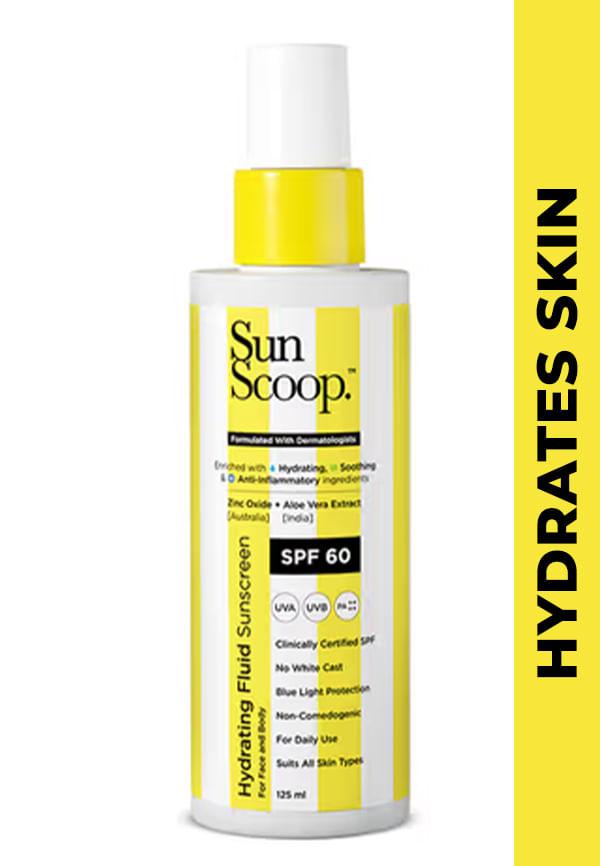 125 ml
Hydrating Fluid Sunscreen For Face and Body, SPF 60 PA++++
Raw honey is a natural humectant, meaning it draws moisture from the air into your skin. Aloe vera gel provides immediate cooling relief and contains polysaccharides that help retain moisture.
Not all moisturisers are created equal, and understanding ingredients can help you make smarter choices. The best moisturisers for dry skin typically contain a combination of humectants, emollients, and occlusives.
Hyaluronic acid is the superstar of hydration – it can hold an incredible amount of water and works for all skin types. Ceramides are lipids that naturally occur in your skin barrier and help prevent water loss. Glycerin is a gentle humectant that draws moisture to your skin without irritation.
 50ml
50mlHydroboost Hydrating Fluid Sunscreen Moisturizer Spf 50
Other ingredients worth seeking out include niacinamide (which strengthens the skin barrier), squalane (a lightweight oil that mimics your skin's natural sebum), and peptides (which support skin repair).
Your facial skin is more delicate and has different needs than your body. Face hydration methods often involve lighter textures and more targeted ingredients. Your body can typically handle richer, more occlusive formulas.
For your face, consider gel-creams if you're combination skin or rich creams if you're truly dry. For your body, look for lotions with ingredients like shea butter, cocoa butter, or ceramides.
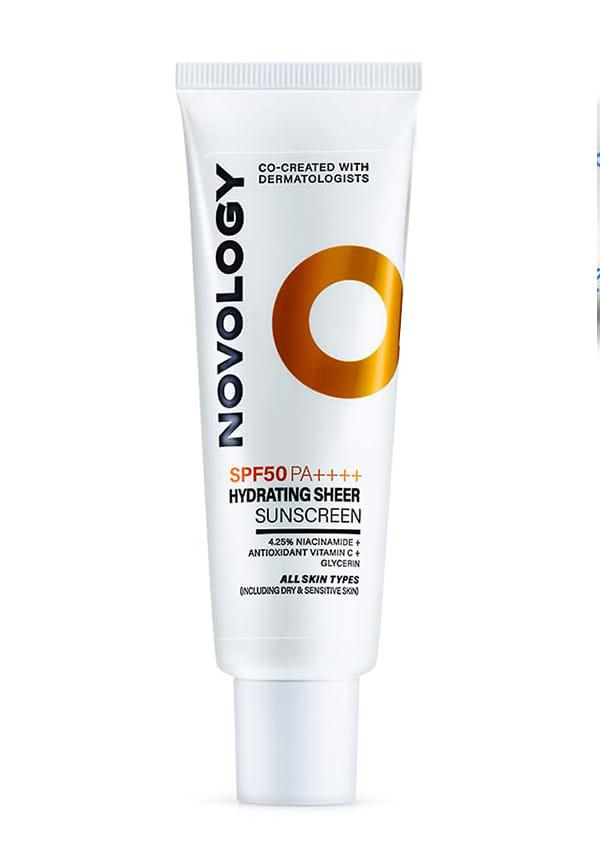 50 g
50 gSPF50 PA ++++ Hydrating Sheer Sunscreen, 4.5% Niacinamide For Dry Skin, No White Cast
Sometimes you need results fast – maybe you've got an event coming up or your skin is having a particularly rough patch. Here's how to hydrate skin overnight for noticeable improvement by morning.
Start with a gentle exfoliation (chemical exfoliants like lactic acid work well for dry skin) to remove dead skin cells that prevent products from penetrating. Follow with a hydrating serum, then a rich moisturiser, and finish with a few drops of facial oil to seal everything in.
For emergency hydration, try the "slugging" method – apply a thin layer of petroleum jelly or a similar occlusive over your entire nighttime routine. It might feel heavy, but you'll wake up with noticeably softer, more hydrated skin.
Even with the best intentions, it's easy to make mistakes that sabotage your hydration efforts. Over-cleansing is probably the biggest culprit – if you're washing your face more than twice daily or using harsh scrubs regularly, you're likely stripping away the very oils your skin needs.
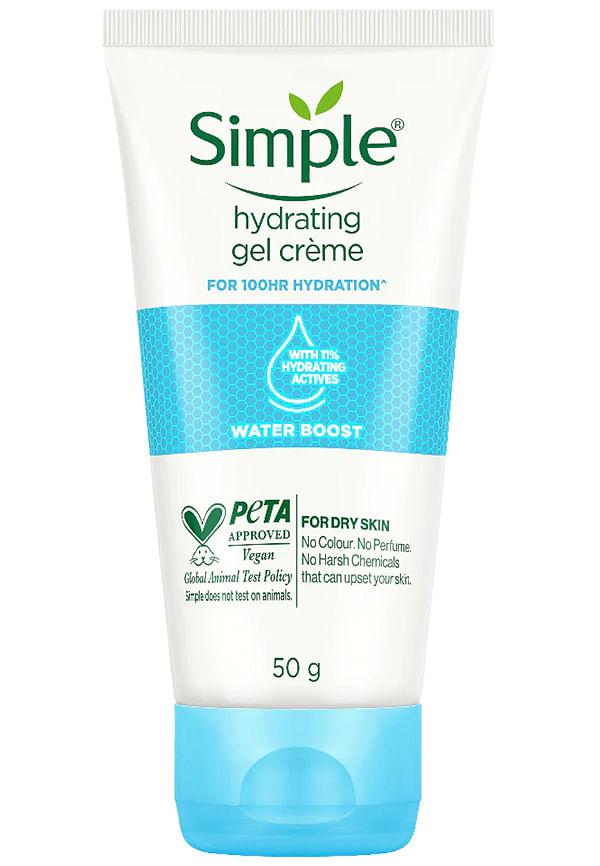 50 ml
50 mlWater Boost Hydrating Gel Creme
Another common mistake is skipping sunscreen. UV damage breaks down collagen and elastin, which are crucial for maintaining your skin's moisture-holding capacity. Use a broad-spectrum SPF 30 or higher daily, even in winter.
Product layering mistakes can also backfire. Applying products in the wrong order (thick before thin) or not allowing adequate absorption time between layers can prevent your skincare for dry skin from working effectively.
When exploring new products to address these concerns, platforms like Smytten make it easier to find what works for your skin without the commitment of full-size purchases. With curated trial packs from trusted brands, you can test different hydrating formulas and discover your perfect match before investing in full-size products.
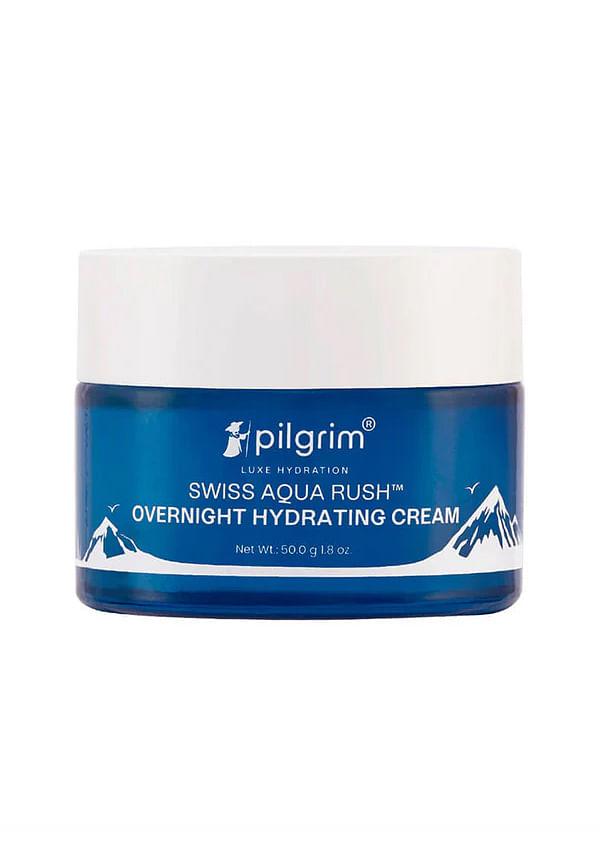 50 gm
50 gmSwiss Aqua Rush Overnight Hydrating Face Cream
Create a nighttime routine with gentle cleansing, followed by a hydrating serum with hyaluronic acid, a rich moisturiser, and a few drops of facial oil. Use a humidifier in your bedroom and apply products to slightly damp skin for maximum absorption. Consider weekly overnight masks with ingredients like aloe vera or honey.
Dry skin typically lacks natural oils (sebum), whilst dehydrated skin lacks water. If your skin feels tight but gets oily during the day, you need hydration. If it's consistently flaky and never oily, you need moisturisation. Most people benefit from both water-based and oil-based products.
Apply moisturiser to damp skin within three minutes of cleansing, use a hydrating mist throughout the day, and try the "sandwich" method – apply serum, then moisturiser, then a light oil. Drink plenty of water and use a humidifier. Results typically show within 24-48 hours.
Aloe vera gel provides immediate soothing relief, honey acts as a natural humectant, oatmeal has anti-inflammatory properties, and coconut oil can work as a gentle moisturiser. Always patch test natural ingredients first, as some people may be sensitive even to natural products.
Transforming dry skin doesn't happen overnight, but with consistent care and the right approach, you can achieve the healthy, hydrated complexion you're after. Remember that how to hydrate dry skin effectively is about understanding your skin's specific needs and building a routine that addresses them systematically.
The key is patience and consistency. Start with one or two of these methods and gradually build your routine. Pay attention to how your skin responds and adjust accordingly. What works for your friend might not work for you, and that's perfectly normal.
With Smytten's extensive range of skincare trial packs from over 1,500 trusted brands, you can explore different hydrating products without the guesswork. From gentle cleansers to intensive moisturisers, you can discover what truly works for your skin before committing to full-size purchases. After all, why settle for 'maybe' when you can try it all and find your perfect hydration routine?
