7 Essential Steps for Ultimate Dry Skin Care


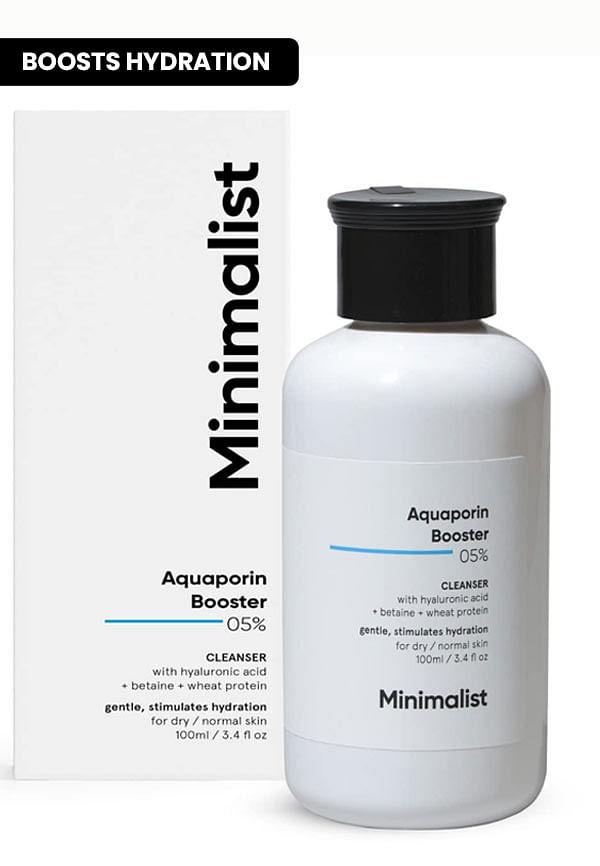 100 ml
5% Aquaporin Booster Cleanser For Dry Skin With Hyaluronic Acid
Let's be real—dry skin can feel like a never-ending battle. One day your face feels tight and flaky, the next it's practically crying out for moisture. If you've been slapping on random creams hoping something will stick (literally), you're not alone. The thing is, dry skin needs a proper strategy, not just wishful thinking. A solid dry skin routine guide isn't about using the most expensive products—it's about understanding what your skin actually needs and giving it exactly that. Whether you're dealing with occasional dryness or full-on desert vibes, these seven steps will help you build a routine that actually works. Ready to give your skin the hydration it's been begging for?
Here's the thing about dry skin—it's not just about slapping on more moisturiser and calling it a day. Your skin barrier might be compromised, which means it's literally leaking moisture faster than you can replace it. Think of it like trying to fill a bucket with holes in it. No matter how much water you pour in, it's going to keep draining out. Signs your skin barrier is having a moment include that tight, uncomfortable feeling after washing your face, flakiness that won't budge no matter how much you moisturise, and that lovely stinging sensation when you apply certain products. If any of this sounds familiar, your dry skincare routine needs a serious rethink.
Using harsh cleansers that strip your skin's natural oils is probably the biggest culprit. Those foaming cleansers that make you feel squeaky clean? They're likely doing more harm than good. Over-exfoliating is another biggie—scrubbing away at already compromised skin just makes things worse.
Your skin has three main ways of staying hydrated: humectants draw moisture from the environment, emollients smooth and soften, and occlusives create a barrier to prevent water loss. A proper skin hydration routine needs all three working together, not just one doing all the heavy lifting.
Your cleanser sets the tone for everything that follows, so this step is crucial. The goal here isn't to strip your skin clean—it's to remove dirt and impurities whilst keeping your natural moisture barrier intact. Look for gentle, cream-based or oil-based cleansers that won't leave your skin feeling tight. Ingredients to hunt for include ceramides (they help repair your skin barrier), hyaluronic acid (holds up to 1000 times its weight in water), and glycerin (a gentle humectant). Avoid anything with sulphates, alcohol, or strong fragrances—these are basically kryptonite for dry skin.
Gentle is the name of the game here. Use lukewarm water (hot water strips natural oils), massage your dry skin cleanser in circular motions for about 30 seconds, and pat—don't rub—your skin dry with a soft towel.
If you wear makeup or sunscreen, double cleansing is your friend. Start with an oil-based cleanser to break down makeup and SPF, then follow with your gentle cream cleanser. This ensures everything comes off without aggressive scrubbing.
Serums are where the magic happens in your skin hydration routine. These concentrated formulas can deliver active ingredients deep into your skin, and for dry skin, hydration is the priority. The key is applying them to slightly damp skin—this helps lock in that extra moisture. Hyaluronic acid serums are absolute game-changers for dry skin. They work like tiny moisture magnets, pulling hydration from the environment and deeper layers of your skin to plump up the surface. Apply a few drops to damp skin and gently press it in—no rubbing needed.
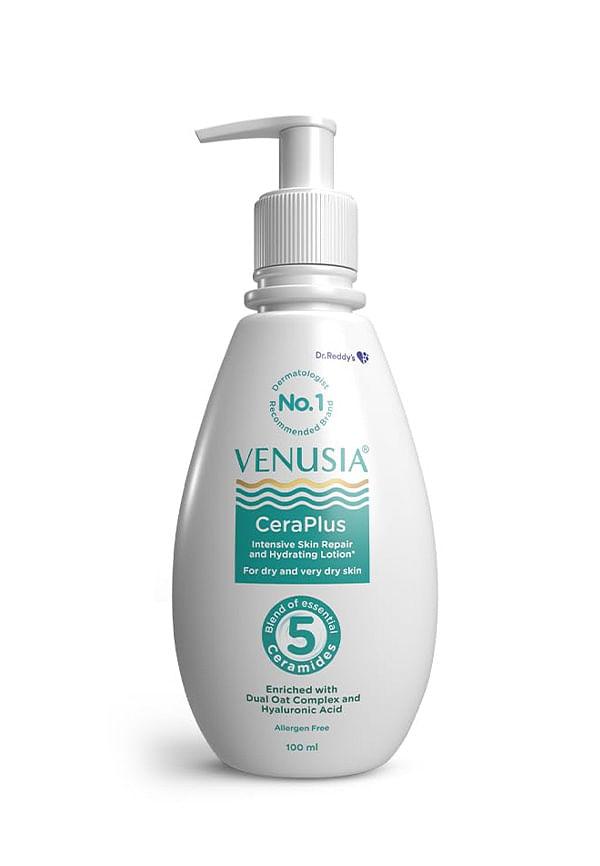 100 ml
Ceraplus Lotion for Dry Skin 5 Essential Ceramides for Deep moisturization barrier repair
If you're using multiple serums, apply them from thinnest to thickest consistency. A hydrating serum should go on first, followed by any treatment serums you might be using. Give each layer about 30 seconds to absorb before applying the next.
For sensitive dry skin, look for serums with niacinamide—it's gentle but effective at strengthening your skin barrier. If you're dealing with both dryness and ageing concerns, peptide serums can help with both hydration and firmness.
Not all moisturisers are created equal, and dry skin needs specific types of hydration at different times of day. Understanding the difference between humectants, emollients, and occlusives will help you choose the best moisturizer for dry skin for your specific needs. Daytime moisturisers should be lightweight enough to sit well under makeup and sunscreen, but still provide adequate hydration. Look for formulas with hyaluronic acid, glycerin, and ceramides. They should absorb quickly without leaving a greasy residue.
Your nighttime skincare for dry skin can be much more intensive. This is when you can use heavier creams with occlusive ingredients like shea butter, petrolatum, or dimethicone. These create a protective barrier that prevents water loss whilst you sleep.
Your skin's needs change with the weather. In winter, you might need a heavier moisturiser, whilst summer might call for something lighter. Pay attention to how your skin feels and adjust accordingly.
Face oils aren't just trendy—they're actually brilliant for dry skin when used correctly. The trick is knowing when and how to use them in your routine. Generally, oils should go after your serum but before your moisturiser, or you can mix a few drops into your moisturiser for an extra hydration boost. For dry skin, look for oils rich in fatty acids like jojoba, argan, or rosehip oil. These face oil for dry skin options are less likely to clog pores whilst providing deep nourishment. Squalane is another excellent option—it's lightweight but incredibly moisturising.
If you're dealing with conditions like eczema or extremely dry skin, you might need more intensive dry skin treatment options. Look for products with urea, lactic acid, or ceramides. These ingredients help repair the skin barrier whilst providing deep hydration.
Once or twice a week, treat your skin to an overnight hydrating mask. These intensive treatments work whilst you sleep, delivering concentrated moisture and nutrients. Wake up to plumper, more hydrated skin.
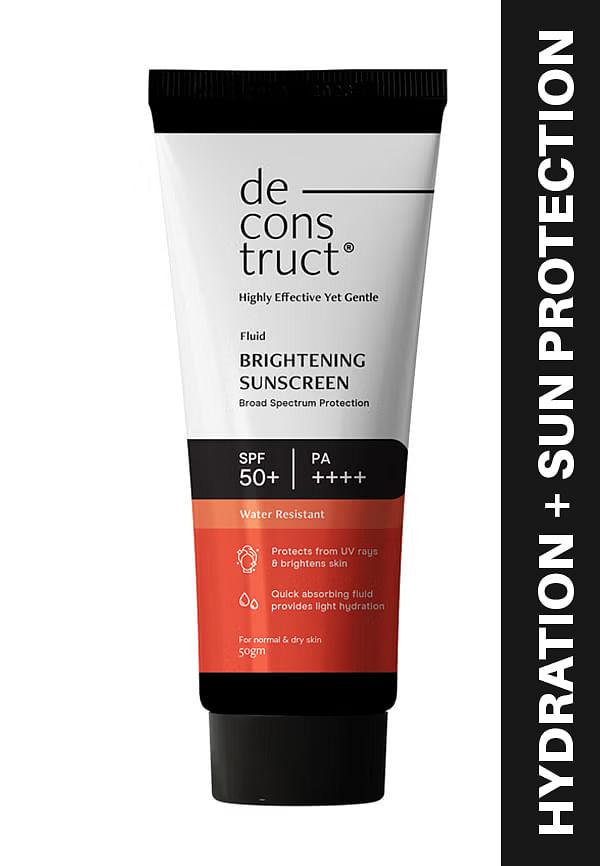 50 gm
50 gmFluid Brightening Sunscreen for Dry Skin with Spf 50+ And Pa++++
Sun damage makes dry skin worse by breaking down collagen and compromising your skin barrier. Even if you're staying indoors, UV rays can penetrate windows and cause damage. Choose a broad-spectrum SPF 30 or higher that won't pill or feel heavy on your already dry skin. Look for sunscreens with hydrating ingredients like hyaluronic acid or glycerin. Mineral sunscreens with zinc oxide or titanium dioxide are often gentler for sensitive skin routine needs, though they might leave a slight white cast.
If you're wearing makeup, reapplying sunscreen can be tricky. Consider using a setting spray with SPF or a powder sunscreen for touch-ups. The key is finding a method that works for your lifestyle.
Dry skin still needs exfoliation, but it needs to be done gently and less frequently. Dead skin cells can build up and prevent your moisturisers from penetrating effectively. The key is using chemical exfoliants rather than physical scrubs. Lactic acid is perfect for dry skin—it's gentler than glycolic acid but still effective at removing dead skin cells whilst providing some hydration. Start with once a week and see how your skin responds.
If your skin becomes red, irritated, or even drier after exfoliating, you're probably overdoing it. Scale back to every two weeks or switch to an even gentler formula.
Your skincare routine is just one part of the equation. What you do outside of your bathroom cabinet matters too. Drinking enough water, using a humidifier, and avoiding super hot showers all contribute to healthier, more hydrated skin. Diet plays a role too—foods rich in omega-3 fatty acids like salmon, walnuts, and flaxseeds can help support your skin barrier from the inside out. Getting enough sleep is crucial as well, since your skin repairs itself overnight.
Central heating, air conditioning, and harsh weather can all contribute to dry skin. Using a humidifier in your bedroom can help maintain moisture levels in the air, which benefits your skin. Trying new products for your dry skin routine doesn't have to break the bank or leave you with full-size products you might not love. Smytten offers curated trial packs from trusted brands like Cetaphil and Dot & Key, letting you test different eczema skincare and hydrating products before committing to full sizes. With over 1,500 brands available and the ability to get up to 8 minis for just ₹249, you can experiment with different serums, moisturisers, and treatments to find what works best for your skin.
Now that you understand each step, let's put it all together into a practical daily routine. Consistency is key with dry skin—your skin needs regular hydration to maintain its barrier function.
• Gentle cleanser: Use a cream or oil-based cleanser with lukewarm water • Hydrating serum: Apply to damp skin and let absorb for 30 seconds • Daytime moisturiser: Choose something lightweight but hydrating • Sunscreen: Never skip this step, even on cloudy days
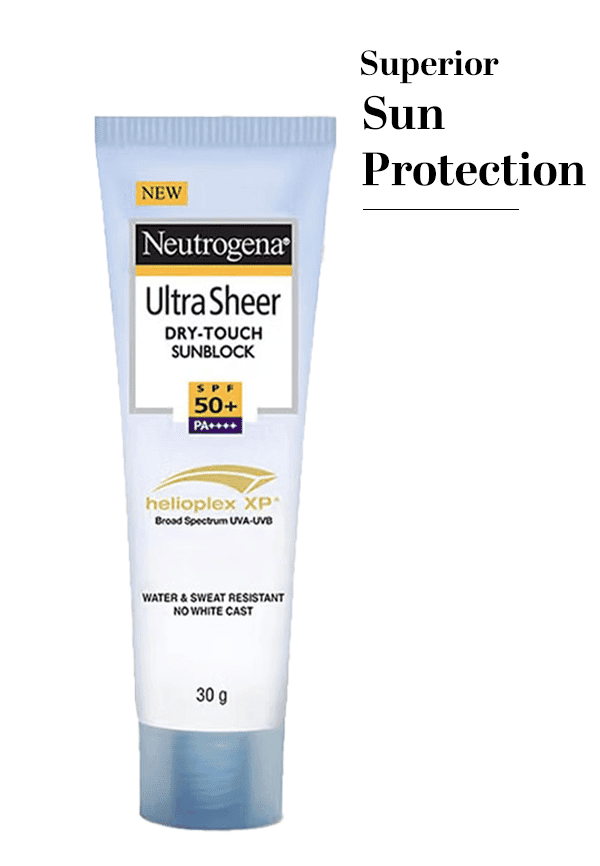 30 ml
30 mlUltra Sheer Sunscreen SPF 50+ - Ultra Light, For Oily And Dry Skin
• Double cleanse: Oil cleanser first, then gentle cream cleanser • Exfoliation: 1-2 times per week with gentle chemical exfoliant • Hydrating serum: Apply to damp skin • Face oil: 2-3 drops mixed with moisturiser or applied separately • Night moisturiser: Go heavier than your morning formula • Overnight treatment: 1-2 times per week for intensive hydration
Once or twice a week, incorporate a hydrating mask or overnight treatment. This gives your skin an extra boost of moisture and helps repair any damage from environmental stressors.
Most people start noticing improvements within 2-4 weeks of consistent use. However, if you're dealing with severely compromised skin, it might take 6-8 weeks to see significant changes. The key is patience and consistency.
Surprisingly, yes. Using too many heavy products can actually clog pores and prevent your skin from functioning normally. Start with the basics and gradually add products as needed.
Honey masks can provide gentle hydration, and oatmeal baths can soothe irritated skin. However, these should supplement, not replace, a proper skincare routine with proven ingredients.
Focus on the essentials: a gentle cleanser, a good moisturiser, and sunscreen. You can find effective products at various price points. Trial sizes are also a great way to test products without the full-size commitment.
If your dry skin is accompanied by severe itching, bleeding, or doesn't improve after 6-8 weeks of consistent care, it's time to see a professional. You might be dealing with a condition like eczema that needs medical treatment.
Building the perfect dry skin routine isn't about using every product on the market—it's about understanding what your skin needs and giving it consistent, gentle care. The seven steps we've covered create a foundation that addresses the root causes of dryness whilst supporting your skin's natural barrier function. Remember, what works for your friend might not work for you, and that's completely normal. Your skin is unique, and finding the right combination of products might take some trial and error. The good news is that with platforms like Smytten, you can explore different brands and formulations without the commitment of full-size purchases. With over 25 million users discovering their perfect products through trial minis, you're in good company on this journey to healthier, more hydrated skin. The most important thing is to be patient with the process. Dry skin didn't develop overnight, and it won't be fixed overnight either. But with consistent care and the right products, you can absolutely achieve the comfortable, hydrated skin you're after. Your skin barrier will thank you for the gentle, thoughtful approach, and you'll wonder why you didn't start sooner.
