7 Essential Steps for Perfect Combination Skin


Combination skin can feel like you're dealing with two completely different skin types on one face—and honestly, you kind of are. Your T-zone might be producing enough oil to power a small engine whilst your cheeks are crying out for moisture. It's the skincare equivalent of trying to please everyone at once, but here's the thing: with the right combination skin routine for all, you can actually get your skin working in harmony. Let's break down the seven essential steps that'll help you master this balancing act and finally achieve that healthy, balanced glow you've been after.
Before diving into the perfect routine, let's get clear on what we're actually dealing with. Combination skin care starts with recognising that your face has different zones with different needs—typically an oily T-zone (forehead, nose, and chin) paired with normal to dry cheeks.
The telltale signs are pretty obvious once you know what to look for. Your T-zone probably gets shiny by midday, might be prone to blackheads or the occasional breakout, and feels a bit rough to touch. Meanwhile, your cheeks might feel tight after cleansing, look a bit dull, or even show some flaky patches. Sound familiar?
Here's where it gets interesting—treating combination skin isn't about using completely different products on each zone (though sometimes that helps). It's more about finding the right balance and knowing when to customise your approach. The biggest myth? That you need to dry out your oily areas completely. Real talk: over-drying your T-zone can actually trigger more oil production, making the problem worse.
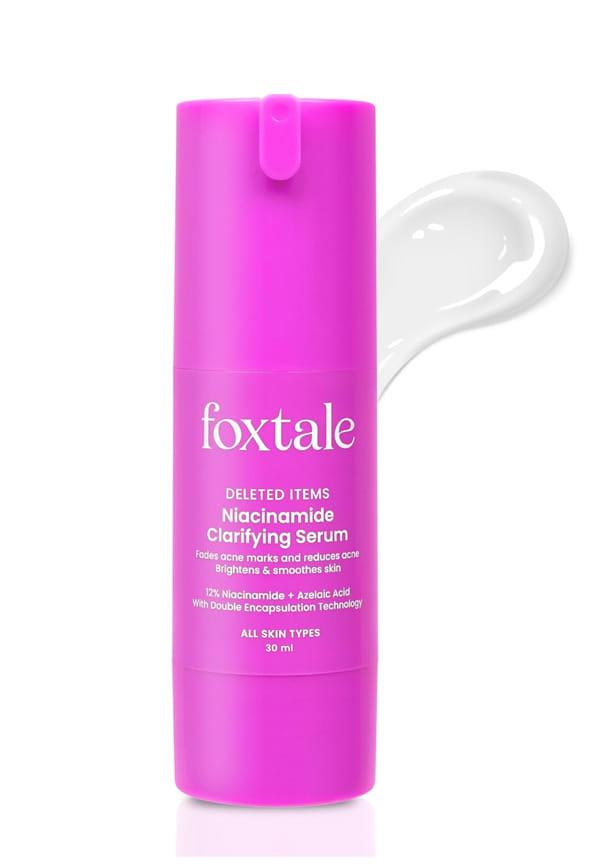 30 ml
30 mlFoxtale 12% Niacinamide Serum with Azelaic Acid for Oil Control & Brightening
Your cleanser sets the tone for everything that follows, so this step is crucial for any best skincare routine. The goal here isn't to strip your skin bare—it's to gently remove dirt, oil, and makeup without disrupting your skin's natural balance.
Look for a gentle, non-foaming cleanser that won't leave your cheeks feeling like the Sahara whilst still managing to clean your oily T-zone effectively. Ingredients like gentle surfactants and ceramides are your friends here. They clean without being harsh, which is exactly what combination skin needs.
In the morning, a gentle splash of water might be enough for your dry areas, but your T-zone will probably need that cleanser. In the evening, everyone gets the full treatment—you need to remove the day's buildup of oil, pollution, and any makeup.
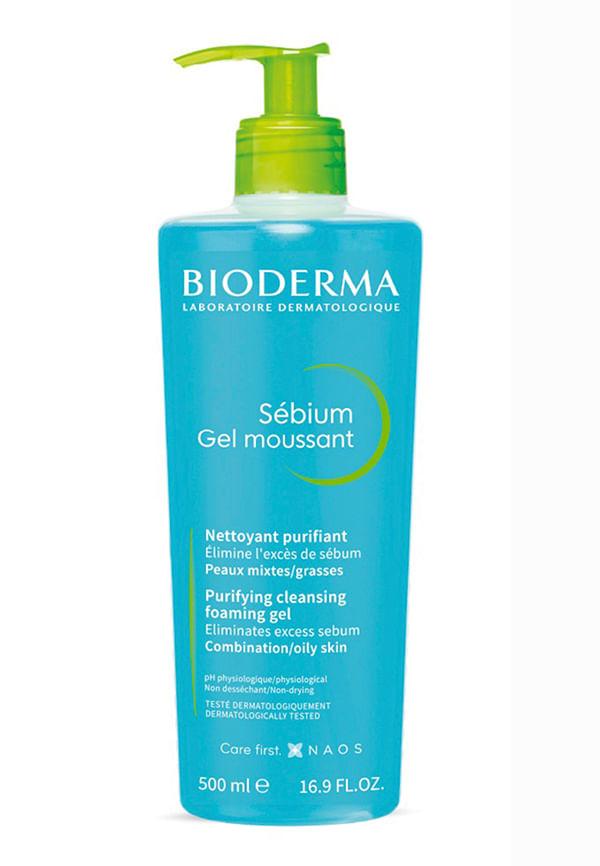 500 ml
Sebium Gel Moussant Purifying Cleansing Foaming Gel Combination/Oily Skin 500 ml
Here's a pro tip: spend a bit more time massaging the cleanser into your T-zone, but be gentler on your cheeks. Think of it as giving each area what it needs without overdoing it.
Exfoliation is where your oily and dry skin routine gets a bit more complex, but stick with us—it's worth getting this right. Your T-zone can probably handle more frequent exfoliation than your cheeks, and that's perfectly fine.
Aim for 2-3 times per week, but listen to your skin. If your cheeks start feeling irritated or your T-zone gets too dry, dial it back. Chemical exfoliants like BHA (salicylic acid) work brilliantly for oily areas because they can get into pores and clear out buildup. For drier areas, a gentler AHA (like lactic acid) might be more suitable.
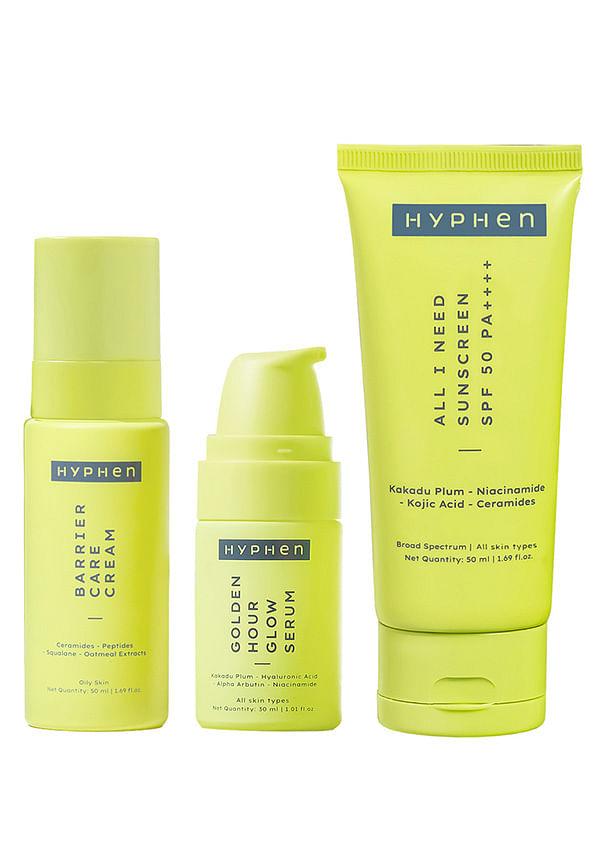 130 ml
Skincare Routine for Oily & Combination Skin
You don't have to use the same exfoliant everywhere. Apply your BHA to the T-zone and a gentler option to your cheeks, or use the same product but adjust the frequency—maybe every other day for your T-zone and twice a week for your cheeks.
Watch out for increased sensitivity, redness, or that tight, uncomfortable feeling. Your skin should feel smooth and refreshed after exfoliating, not raw or irritated.
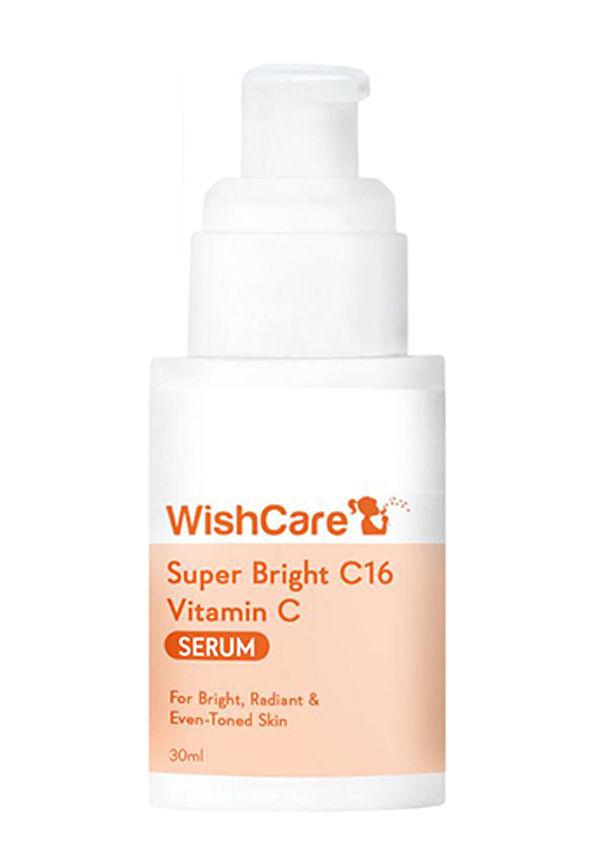 30 ml
30 mlSuper Bright C16 Vitamin C Face Serum
Serums are where you can really customise your skincare for balanced skin. This is your chance to give each area exactly what it needs—hydration for dry zones, oil control for your T-zone, or a bit of both with the right formula.
Hyaluronic acid is brilliant for combination skin because it hydrates without adding oil. Niacinamide is another winner—it helps control oil production in your T-zone whilst being gentle enough for your drier areas. If you're feeling fancy, you can even use two different serums, applying a hydrating one to your cheeks and an oil-controlling one to your T-zone.
If you're using multiple serums, apply the thinnest consistency first, then build up. Give each layer a minute to absorb before adding the next—your skin will thank you for the patience.
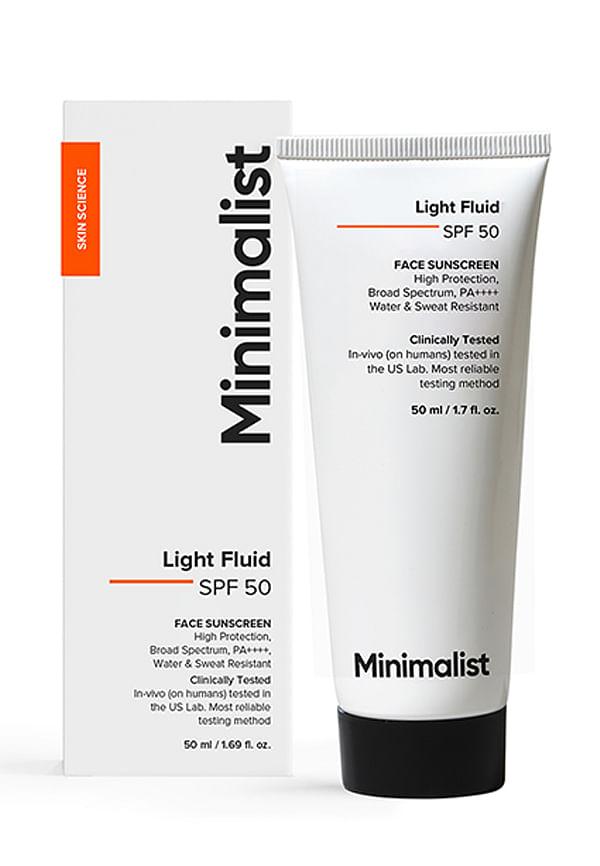 50 ml
50 mlLight Fluid SPF 50 Face Sunscreen
Most serums work best on slightly damp skin, so apply them right after cleansing or toning, before your moisturiser. This helps with absorption and maximises the benefits.
Here's where many people get stuck with their combination skin moisturiser choice. The trick is finding something that hydrates your dry areas without making your T-zone feel like an oil slick by lunchtime.
Look for lightweight, non-comedogenic formulas that won't clog pores. Gel-based moisturisers often work well for combination skin, or you might prefer a light lotion. The key is finding something that absorbs well and doesn't leave a heavy residue.
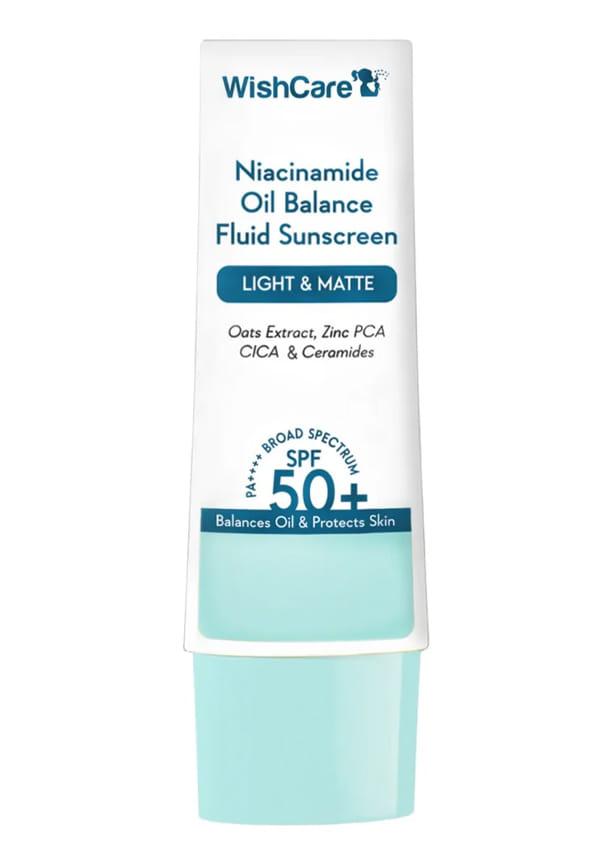 50 gm
50 gmWishCare Niacinamide Oil Balance Sunscreen SPF 50 PA++++ - In-Vivo Tested
Your skin's needs change throughout the day. A lighter moisturiser might work perfectly in the morning under makeup, whilst you might want something slightly richer at night when your skin is in repair mode.
Don't forget that your skin changes with the seasons. What works in humid summer might leave you feeling dry in winter, so be prepared to adjust your routine accordingly.
SPF is non-negotiable in any best skincare routine, and combination skin is no exception. Look for a broad-spectrum SPF 30 or higher that won't feel heavy or greasy on your skin.
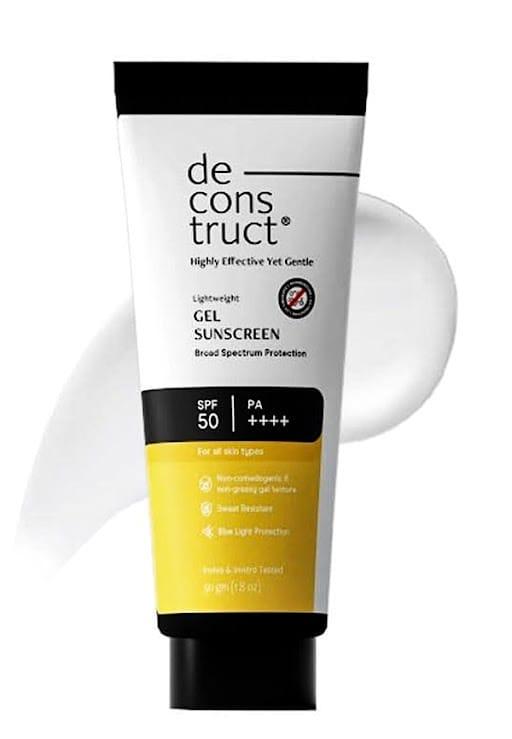 50 gm
50 gmLightweight Gel Sunscreen- SPF 50+ and PA+++
Many modern sunscreens are designed to work well under makeup and won't interfere with your other skincare products. If you're worried about your T-zone getting oily, look for mattifying formulas or powder sunscreens for touch-ups throughout the day.
Once or twice a week, treat your skin to something special. Clay masks work brilliantly on the T-zone to draw out impurities, whilst hydrating masks can give your cheeks the extra moisture they crave. You can even do both at the same time—just apply different masks to different areas.
Your evening routine is when you can really focus on treatment and repair. This might be when you use your stronger actives, richer moisturisers, or targeted treatments for specific concerns.
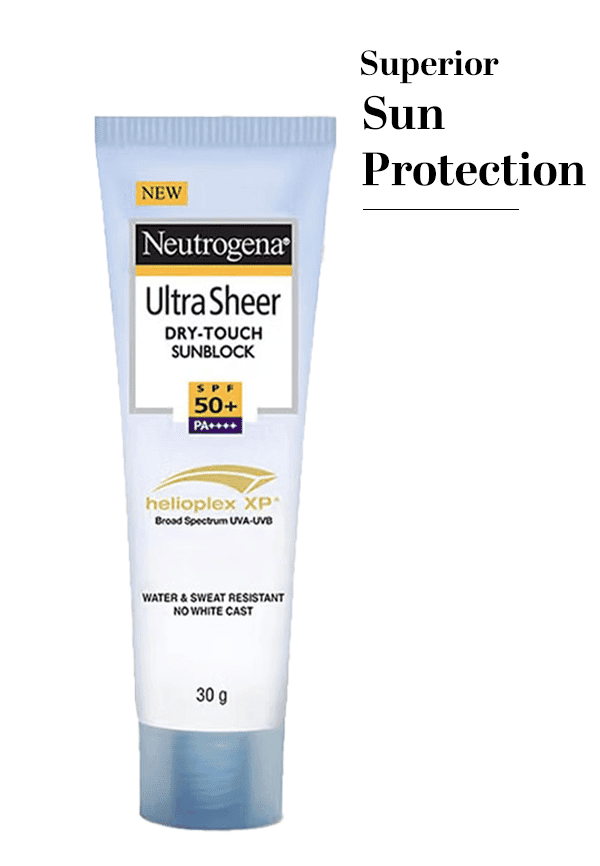 30 ml
30 mlUltra Sheer Sunscreen SPF 50+ - Ultra Light, For Oily And Dry Skin
Now that we've covered the essential steps, let's put it all together into a practical skincare routine guide that actually works for real life. The beauty of a good combination skin routine is that once you've got the basics down, you can adapt and customise as needed.
Your morning routine should be about protection and preparation for the day ahead. Start with your gentle cleanser, follow with any serums, apply your moisturiser, and finish with SPF. Keep it simple but effective—you want something you can stick to even on busy mornings.
Gentle cleanser (focus on T-zone)
Hydrating or oil-controlling serum
Lightweight moisturiser
Broad-spectrum SPF
Optional: primer if wearing makeup
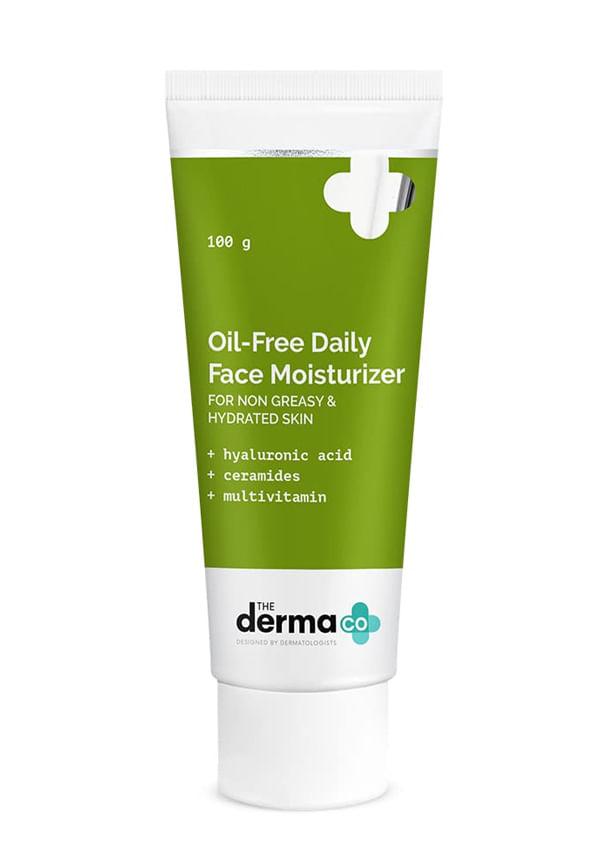 100 gm
Oil-Free Daily Face Moisturizer
Evenings are for deeper cleansing, treatment, and repair. This is when you might double cleanse if you wear makeup, use your exfoliating products, apply treatment serums, and use a slightly richer moisturiser.
Set aside time for weekly treatments like masks, deeper exfoliation, or professional treatments. This is also when you might want to assess how your routine is working and make any necessary adjustments.
Finding the perfect products for your combination skin doesn't have to involve buying full-size versions of everything and hoping for the best. With platforms like Smytten, you can try mini versions of products from trusted brands before committing to the full size. This approach is particularly brilliant for combination skin, where finding the right balance can take some experimentation. You can explore different cleansers, serums, and moisturisers without the financial commitment, making it easier to build a routine that truly works for your unique skin needs.
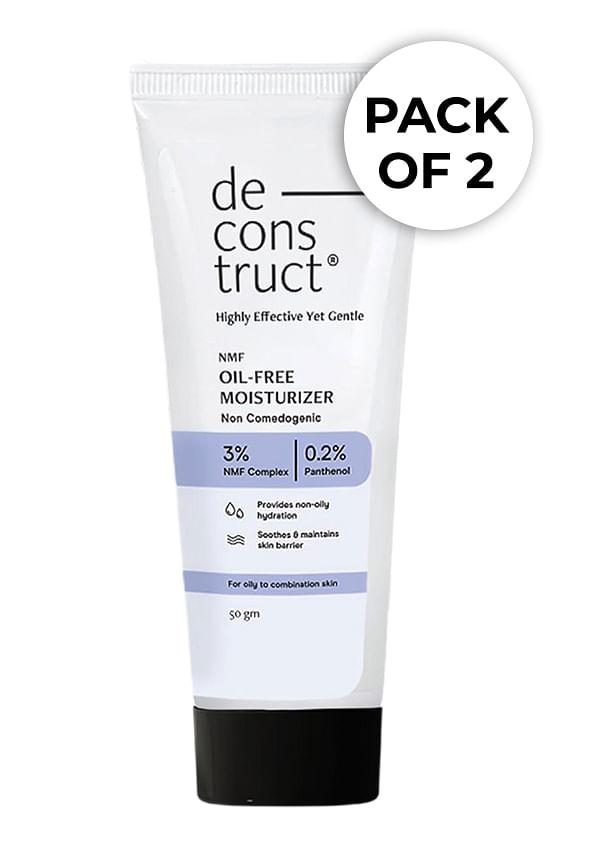 Combo
ComboOil-Free Moisturizer for Oily Skin - 3% NMF Complex + 0.2% Panthenol (Pack Of 2)
The best routine focuses on gentle cleansing, targeted treatment with serums, balanced hydration, and consistent sun protection. Use products that address both oily and dry areas without over-treating either zone. Look for non-comedogenic formulas and adjust frequency based on how your skin responds.
Gentle, non-foaming cleansers work brilliantly, along with lightweight moisturisers and targeted serums. Ingredients like niacinamide, hyaluronic acid, and gentle BHAs are particularly effective. The key is maintaining your skin's natural balance rather than trying to eliminate oil completely.
Start with 2-3 times per week and adjust based on your skin's response. Your T-zone might handle more frequent exfoliation than your cheeks. Watch for signs of irritation and dial back if needed—your skin should feel smooth, not sensitive.
Many products work well across your entire face, especially gentle cleansers and lightweight moisturisers. However, you might want to use targeted treatments—like oil-controlling serums on your T-zone and hydrating masks on your cheeks—for optimal results.
You should notice some improvements within 2-4 weeks of consistent use. However, significant changes in skin texture and balance can take 6-8 weeks. Be patient and consistent—combination skin responds well to routine but needs time to adjust.
Mastering a combination skin routine for all is about finding balance, not perfection. Your skin is unique, and what works for someone else might not work for you—and that's completely fine. The key is understanding your skin's needs, being consistent with your routine, and making adjustments as needed.
Remember, good skincare is a marathon, not a sprint. Start with the basics—gentle cleansing, appropriate moisturising, and sun protection—then build from there. With patience and the right approach, you can achieve that balanced, healthy glow that makes combination skin look absolutely radiant. The journey to finding your perfect routine might take some trial and error, but with the right tools and knowledge, you'll get there.
