7 Essential Skincare Tips for Total Beginners

Starting your skincare journey can feel like trying to decode a foreign language. With endless products, complicated routines, and conflicting advice everywhere, it's no wonder most beginners feel overwhelmed before they even begin. But here's the thing—great skin doesn't require a chemistry degree or a bathroom cabinet full of expensive serums. The best skin care tips for beginners focus on simple, consistent habits that work with your skin, not against it. Whether you're dealing with breakouts, dryness, or just want that healthy glow everyone's talking about, these seven essential tips will set you up for success without the drama.
Before diving into products and routines, you need to know what you're working with. Think of your skin type as your skincare personality—once you understand it, everything else starts making sense. Most people fall into one of four main categories, and knowing yours will save you from wasting money on products that just won't work for you.
Oily skin tends to produce excess sebum, especially in the T-zone (forehead, nose, and chin). You might notice shine throughout the day and be more prone to breakouts. Dry skin feels tight, especially after cleansing, and may show flaky patches or fine lines more easily. Combination skin is exactly what it sounds like—oily in some areas (usually the T-zone) and normal to dry in others. Sensitive skin reacts easily to products, weather changes, or stress, often showing redness, burning, or irritation.
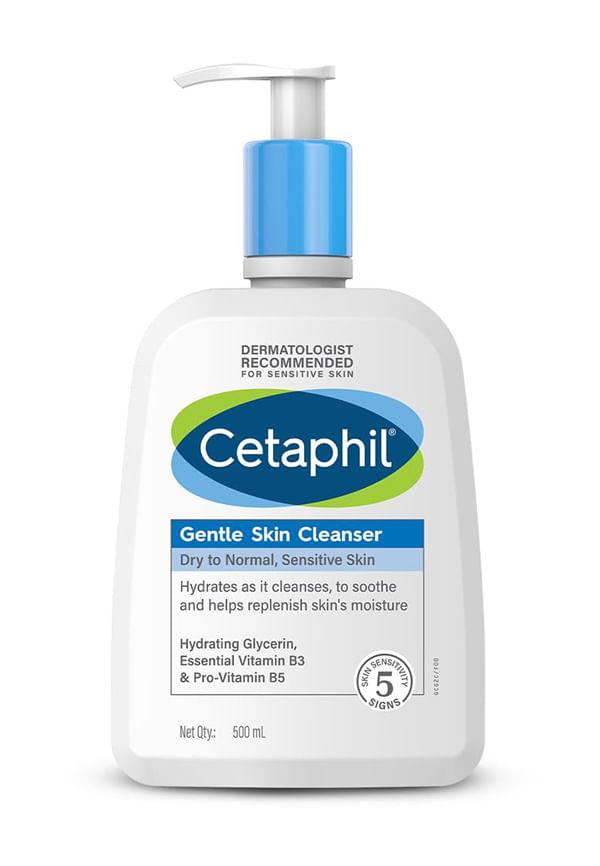 500 ml
Gentle Skin Cleanser
The easiest way to figure out your skin type is the bare-face test. Wash your face with a gentle cleanser, pat dry, and wait an hour without applying any products. Notice how your skin feels and looks. Is it tight and uncomfortable? That's likely dry skin. Shiny all over? Probably oily. Shiny only in the T-zone? You've got combination skin. If your skin feels irritated from this simple test, sensitivity might be your main concern.
Understanding your skin type isn't just skincare trivia—it's the key to building a basic skincare routine that actually works. Oily skin needs lightweight, non-comedogenic products that won't clog pores. Dry skin craves rich, hydrating formulas. Sensitive skin requires gentle, fragrance-free options. Using the wrong products for your skin type is like wearing the wrong shoe size—technically possible, but definitely not comfortable.
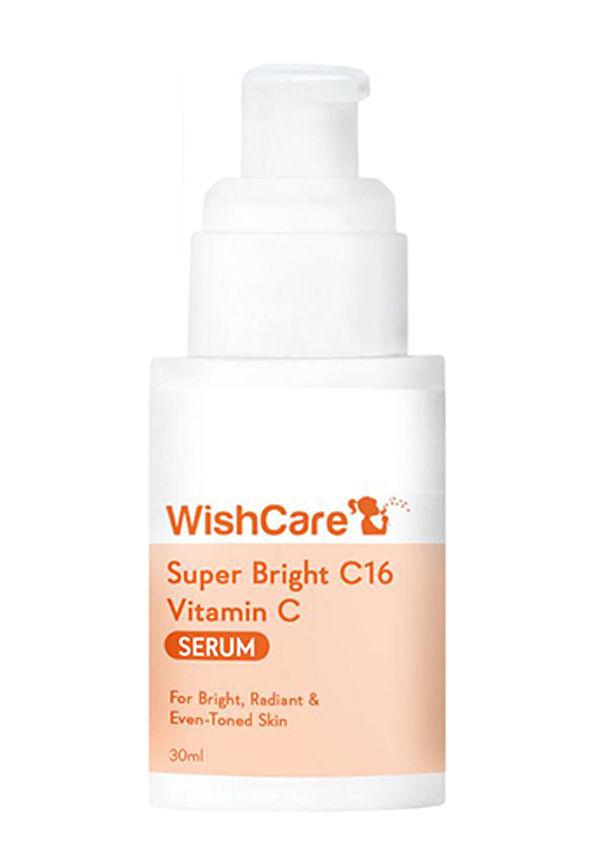 30 ml
30 mlSuper Bright C16 Vitamin C Face Serum
Real talk: you don't need a 10-step routine to achieve healthy skin. The most effective skincare routine for beginners focuses on three essential steps that address your skin's basic needs. This approach is sustainable, budget-friendly, and gives your skin time to adjust without overwhelming it with too many new products at once.
Your morning routine should prep your skin for the day ahead. Start with a gentle cleanser to remove overnight buildup, follow with a moisturiser to maintain skin hydration, and finish with sunscreen for protection. This three-step process takes less than five minutes but sets the foundation for healthy skin habits that last a lifetime.
Evenings are for removing the day's buildup and giving your skin what it needs to repair overnight. Cleansing face thoroughly is crucial—you're washing away makeup, sunscreen, pollution, and excess oil. Follow with your moisturiser, and if you're ready to add treatments later, this is when you'd incorporate them. Keep it simple for now.
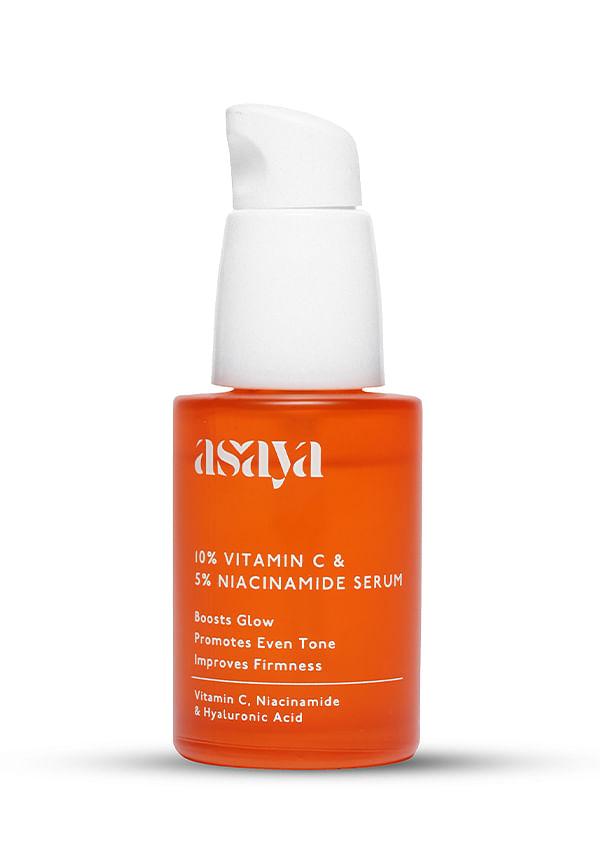 30 ml
30 ml10% Vitamin C & 5% Niacinamide Face Serum
The biggest mistake beginners make? Trying to do everything at once. Your skin needs time to adjust to new products, and you need time to build habits that stick. A simple routine you follow every day will always beat a complicated one you abandon after a week. Start with the basics, master them, then gradually add new elements if needed.
Cleansing might seem straightforward, but it's where many skincare journeys go wrong. The right approach removes dirt, oil, and impurities without stripping your skin's natural protective barrier. Think of it as giving your skin a gentle reset, not a deep scrub that leaves it feeling tight and uncomfortable.
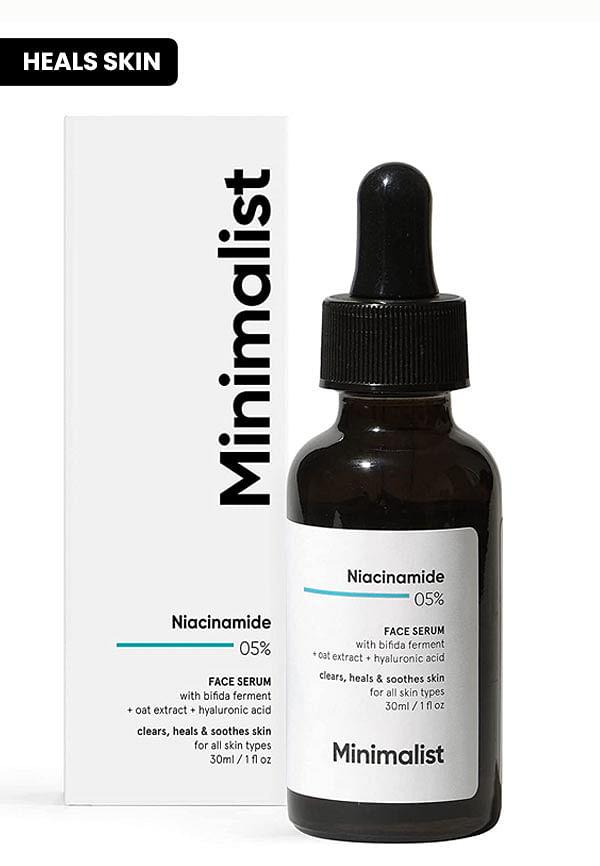 30 ml
30 ml5% Niacinamide Face Serum For Glowing & Clear Skin With 1% Hyaluronic Acid
For oily skin, look for gel or foaming cleansers with ingredients like salicylic acid that can help control excess oil. Dry skin benefits from cream or oil-based cleansers that add moisture while cleaning. Combination skin usually does well with gentle gel cleansers that balance without over-drying. Sensitive skin needs fragrance-free, hypoallergenic formulas with minimal ingredients.
Use lukewarm water—hot water strips natural oils, while cold water doesn't effectively remove buildup. Apply cleanser to damp skin using gentle, circular motions for about 30 seconds. Don't scrub or use rough washcloths. Rinse thoroughly and pat dry with a clean towel. This gentle skincare approach protects your skin barrier while still getting the job done.
Over-cleansing is real, and it's counterproductive. Washing your face more than twice daily can actually trigger more oil production and irritation. Using cleansers that leave your skin feeling "squeaky clean" usually means they're too harsh. Your skin should feel comfortable after cleansing, not tight or stripped.
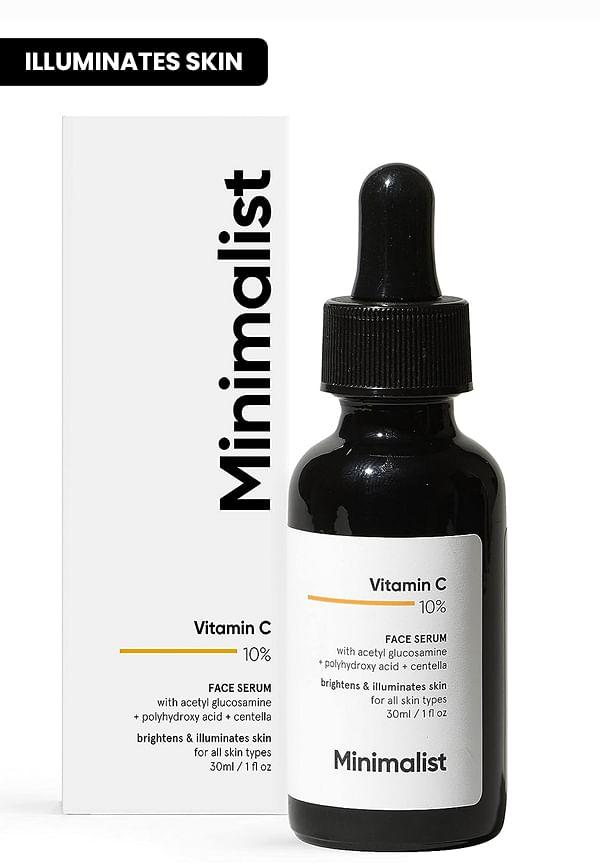 30 ml
30 ml10% Vitamin C Face Serum For Skin Brightening & Reduce Sun Damage
Moisturising skin is non-negotiable, regardless of your skin type. Even if you have oily skin and think you don't need it, skipping moisturiser can actually make your skin produce more oil to compensate for the lack of hydration. The key is finding the right formula and application method for your specific needs.
When oily skin lacks proper hydration, it goes into overdrive trying to compensate, often leading to more breakouts and shine. The solution isn't to skip moisturiser—it's to choose lightweight, oil-free formulas that hydrate without clogging pores. Look for gel-based or water-based moisturisers that absorb quickly and don't leave a greasy residue.
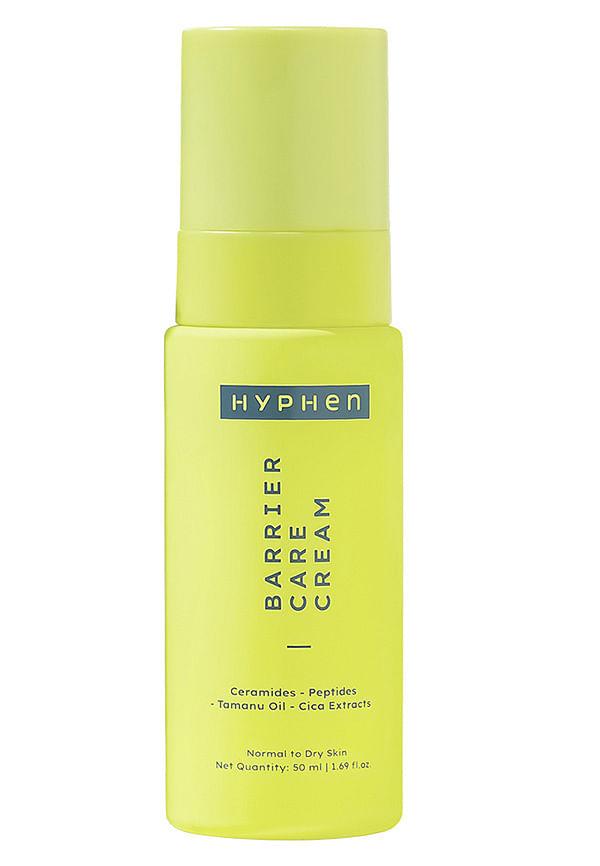 50 ml
50 mlBarrier Care Cream - Normal To Dry Skin
Day moisturisers are typically lighter and may include SPF, designed to work under makeup and provide protection. Night moisturisers can be richer and more nourishing since you don't need to worry about shine or makeup application. However, as a beginner, one good moisturiser that works for both morning and evening is perfectly fine.
Apply moisturiser to slightly damp skin—this helps lock in extra hydration. Use upward motions and don't forget your neck. A little goes a long way, so start with a small amount and add more if needed. Give it a few minutes to absorb before applying sunscreen or makeup.
If you take away just one thing from this guide, let it be this: sunscreen use daily is the single most important thing you can do for your skin's long-term health. UV damage is cumulative, meaning every unprotected moment adds up over time. The good news? Making sunscreen a habit is easier than you think.
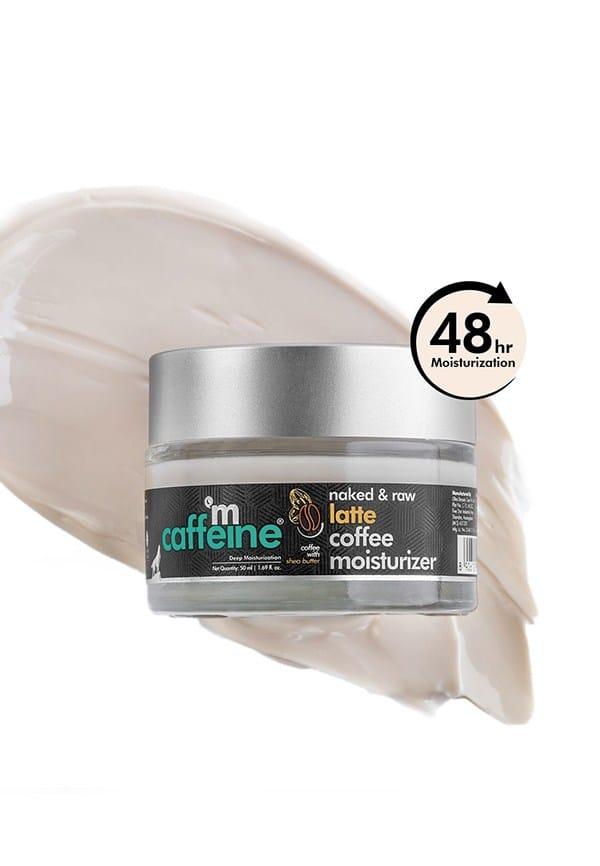 50 ml
50 mlLatte Coffee Face Moisturizer with Shea Butter - Ceramide - Almond Milk
SPF 30 blocks about 97% of UVB rays, which is sufficient for daily protection. Higher SPFs offer marginally better protection but can be heavier and more expensive. The key is consistent application—SPF 30 applied properly beats SPF 50 applied sporadically every time.
Physical sunscreens (with zinc oxide or titanium dioxide) sit on top of skin and reflect UV rays. They're generally better for sensitive skin but can leave a white cast. Chemical sunscreens absorb into skin and convert UV rays to heat. They're often more cosmetically elegant but may irritate sensitive skin. Try both types to see what works for you.
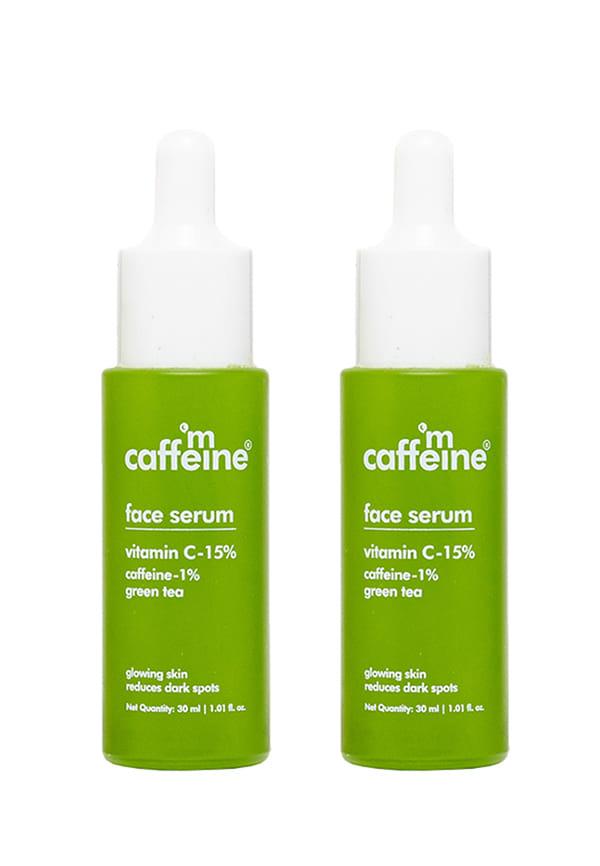 30*2 ml
Green Tea & 15% Vitamin C Face Serum for Glowing Skin
Use about a quarter teaspoon for your face and neck—most people use far too little. Apply 15-30 minutes before sun exposure and reapply every two hours, or immediately after swimming or sweating. Yes, even if you're indoors most of the day, UV rays can penetrate windows.
Once you've mastered the basics, you might want to add targeted treatments or try new products. The key is introducing changes gradually and paying attention to how your skin responds. This methodical approach helps you identify what works and avoid overwhelming your skin with too many new ingredients at once.
Before using any new product on your face, test it on a small area first. Apply a small amount to your inner wrist or behind your ear and wait 24-48 hours. If you experience redness, itching, or irritation, skip that product. This simple step can save you from a full-face reaction.
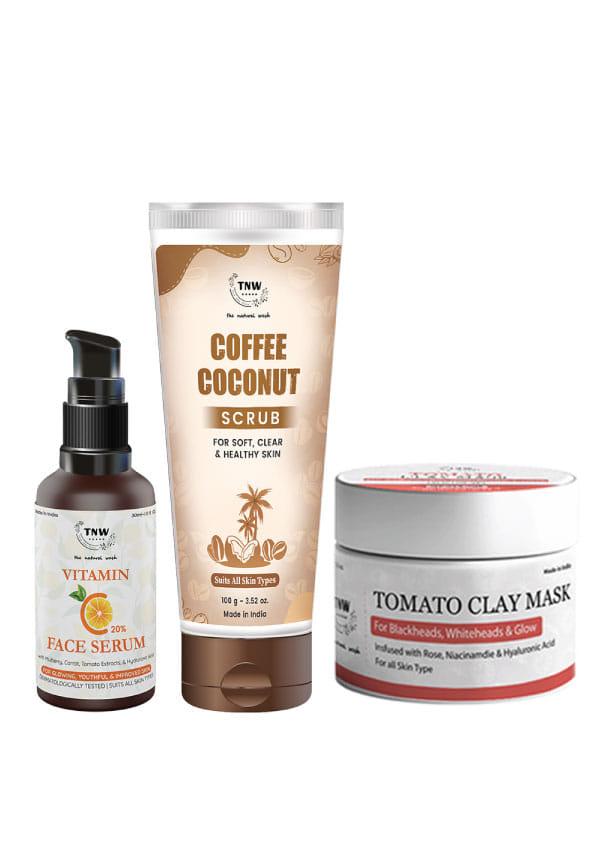 Combo
ComboTomato Clay Mask, Coffee Coconut Scrub & Vitamin C Face Serum for Glowing Skin
Once your basic routine is established (give it at least 4-6 weeks), you might consider gentle exfoliation. Exfoliation tips for beginners: start with once a week, use chemical exfoliants (like BHA or AHA) rather than physical scrubs, and always follow with extra moisturiser and sunscreen. Your skin will be more sensitive after exfoliating.
Great skincare isn't just about products—your lifestyle plays a huge role too. Drinking enough water supports skin hydration from within. Getting adequate sleep gives your skin time to repair. Managing stress helps prevent hormone-related breakouts. These healthy skin habits work alongside your topical routine for the best results.
This is where platforms like Smytten become invaluable for beginners. Instead of committing to full-size products that might not work for your skin, you can try curated trial packs from trusted brands. With access to over 1,500 brands and the ability to get up to 8 minis for just ₹249, you can experiment with different formulas and find what works for your unique skin without the financial risk.
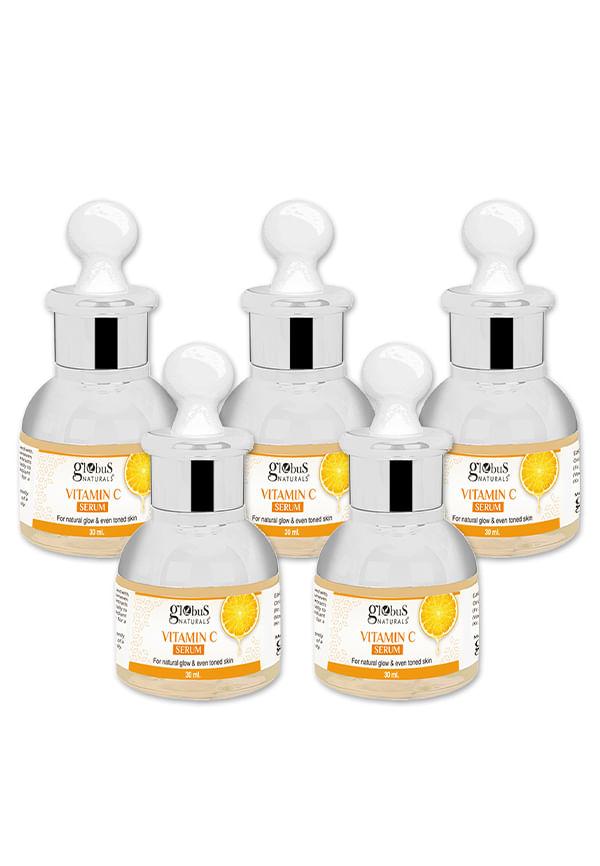 30 ml*5
Vitamin C Face Serum, for Natural Glow & Even Skin Tone
A good beginner routine includes three essential steps: gentle cleansing, moisturising, and sun protection. Start with these basics morning and evening, then gradually add treatments like exfoliation once your skin adjusts to the routine.
Most people see initial improvements in skin texture and hydration within 2-4 weeks of consistent use. However, significant changes like reduced breakouts or improved skin tone can take 6-12 weeks. Patience and consistency are key.
While your basic routine can remain consistent, you might need seasonal adjustments. Winter often requires richer moisturisers, while summer might call for lighter formulas. Pay attention to how your skin feels and adjust accordingly.
The five fundamentals are: cleanse gently, moisturise consistently, protect with sunscreen, be patient with results, and introduce new products gradually. These principles form the foundation of any effective skincare routine.
Signs a product isn't suitable include increased breakouts, persistent redness, burning or stinging, excessive dryness, or new skin irritation. If you experience any of these symptoms consistently, discontinue use and consider consulting a dermatologist.
Building an effective skincare routine doesn't require complicated formulas or expensive products—it requires understanding your skin and being consistent with the basics. Start with gentle cleansing, proper moisturising, and daily sun protection. These three steps form the foundation of healthy skin, and everything else is just extra credit.
Remember, skincare is deeply personal. What works for your friend might not work for you, and that's completely normal. The key is finding products that make your skin feel comfortable and healthy, then sticking with them long enough to see results. With Smytten's trial platform, you can explore different brands and formulas without the commitment, making it easier to discover what truly works for your skin. After all, why settle for maybe when you can try it all and find your perfect match?
