7 Essential Building Skincare Steps for Radiance
-775ca6db-b0c3-4ce7-92a1-ef80e8990206.webp&w=3840&q=75)

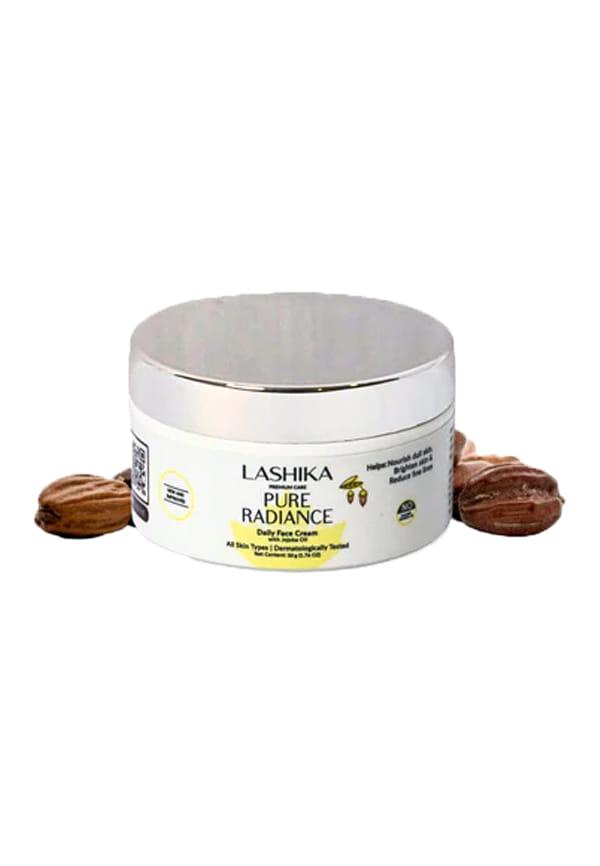 50gm
50gmPure Radiance Daily Face Cream
Building a solid skincare routine can feel overwhelming when you're staring at endless product options and conflicting advice online. But here's the thing—radiant skin isn't about having a 12-step routine or the most expensive products. It's about understanding the essential building skincare steps that actually work together to give your skin what it needs. Whether you're starting from scratch or looking to refine your current routine, these seven fundamental steps create the perfect foundation for healthy, glowing skin. Let's break down exactly what your skin needs and when it needs it.
Think of building skincare steps like constructing a house—you need a solid foundation before adding the fancy details. These seven essential steps work systematically to cleanse, protect, treat, and nourish your skin throughout the day and night.
The magic happens when you follow the right skincare order: cleanse, tone, treat with serums, moisturise, and protect during the day, then switch to deeper cleansing and active treatments at night. This approach addresses multiple skin concerns simultaneously—from dehydration and dullness to signs of ageing and environmental damage.
Here's what makes these steps so effective:
Most people see initial improvements in skin texture and hydration within the first two weeks, whilst more significant changes in tone and radiance develop over 6-12 weeks of consistent daily skincare.
Let's dive into exactly how to structure your morning skincare routine and night skincare routine for maximum impact. Each step builds on the previous one, creating a comprehensive face care routine that works.
Step 1: Gentle Cleanser
Your morning cleanse removes overnight buildup of oils and any residue from your night routine. Choose a gentle, pH-balanced cleanser that won't strip your skin's natural barrier. For dry skin, try cream or oil-based cleansers. Oily skin types benefit from gel or foam cleansers with salicylic acid.
Apply to damp skin using circular motions for 30-60 seconds, then rinse thoroughly with lukewarm water. This sets the stage for better absorption of everything that follows in your skincare guide.
Step 2: Toner/Essence
This step in your basic skincare routine balances your skin's pH after cleansing and provides the first layer of hydration. Modern toners aren't the harsh, alcohol-based formulas of the past—they're gentle, hydrating treatments that prep your skin.
Pat toner onto clean skin with your hands or a cotton pad. Look for ingredients like hyaluronic acid for hydration or niacinamide for oil control. This crucial step in the skincare order ensures your serums and moisturisers absorb more effectively.
Step 3: Targeted Serum Treatment
Morning serums should focus on protection and brightening. Vitamin C is your best friend here—it protects against environmental damage whilst promoting a radiant complexion. Apply 2-3 drops to clean skin, gently pressing in until absorbed.
If you're using multiple serums, apply them from thinnest to thickest consistency. This ensures each product can penetrate properly and work its magic in your face care routine.
Step 4: Broad-Spectrum Sunscreen
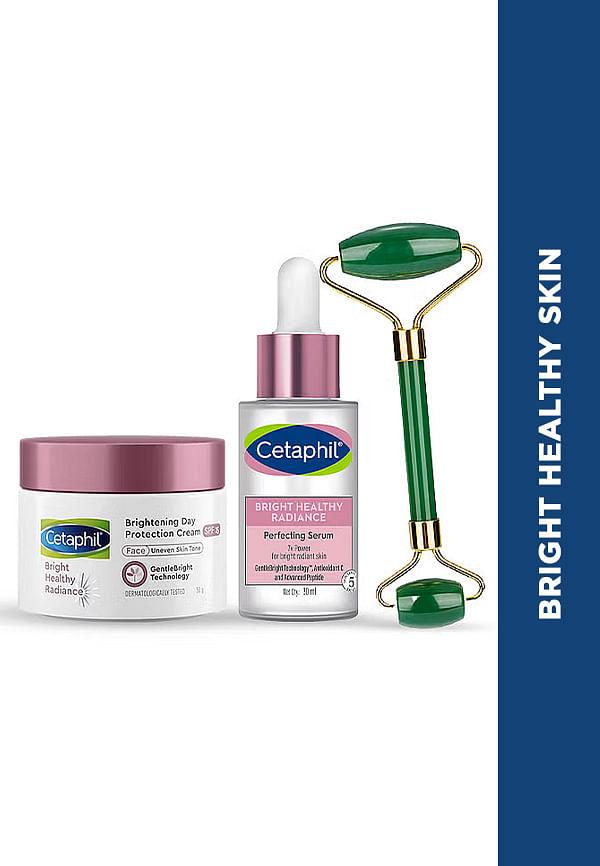 Combo
ComboRadiance Enhancing Kit
This is the most crucial step in any daily skincare routine. SPF 30 or higher protects against UV damage, which is the primary cause of premature ageing. Choose between chemical sunscreens (absorb UV rays) or mineral sunscreens (reflect UV rays) based on your skin sensitivity.
Apply generously—most people use far too little. Reapply every 2 hours if you're outdoors, and don't forget often-missed spots like your ears and neck.
Step 5: Double Cleansing Method
Evening cleansing is more thorough than your morning routine. Start with an oil-based cleanser to remove makeup, sunscreen, and oil-based impurities. Follow with your regular water-based cleanser to remove any remaining residue.
This double cleansing method ensures your skin is completely clean, allowing your night treatments to work more effectively. It's especially important if you wear makeup or live in a polluted environment.
Step 6: Active Treatment Products
Night-time is when your skin repairs itself, making it the perfect time for active ingredients. Retinoids, AHAs, and BHAs work best in the evening when there's no sun exposure to worry about.
Start slowly with actives—use them 2-3 times per week initially, gradually increasing frequency as your skin builds tolerance. Never use multiple strong actives on the same night, and always follow with a good moisturiser.
Step 7: Rich Moisturiser and Eye Care
Your night moisturiser should be richer and more nourishing than your daytime formula. Look for ingredients like ceramides, peptides, or hyaluronic acid that support overnight repair.
Don't forget your eye area—the delicate skin around your eyes needs special attention. Apply eye cream using your ring finger, gently patting from the inner corner outward.
Before rushing to buy new products, take inventory of what you already own. You might be surprised at how many essential steps you can already cover with your existing skincare collection.
Start by categorising your products: cleansers, treatments (serums, actives), moisturisers, and sun protection. Identify which steps you're missing and prioritise filling those gaps. For example, if you have a cleanser and moisturiser but no SPF, that's your next essential purchase.
When building skincare steps gradually, introduce one new product every 1-2 weeks. This approach helps you identify which products work well for your skin and which might cause reactions. It's also much kinder to your budget than overhauling everything at once.
Consider trying mini sizes or trial versions before committing to full-size products. This lets you test formulations and find your perfect matches without the financial risk. Many brands offer discovery sets that include multiple products in travel sizes—perfect for building your routine systematically.
While the basic framework remains the same, your specific skin type determines which formulations and frequencies work best for your daily skincare needs.
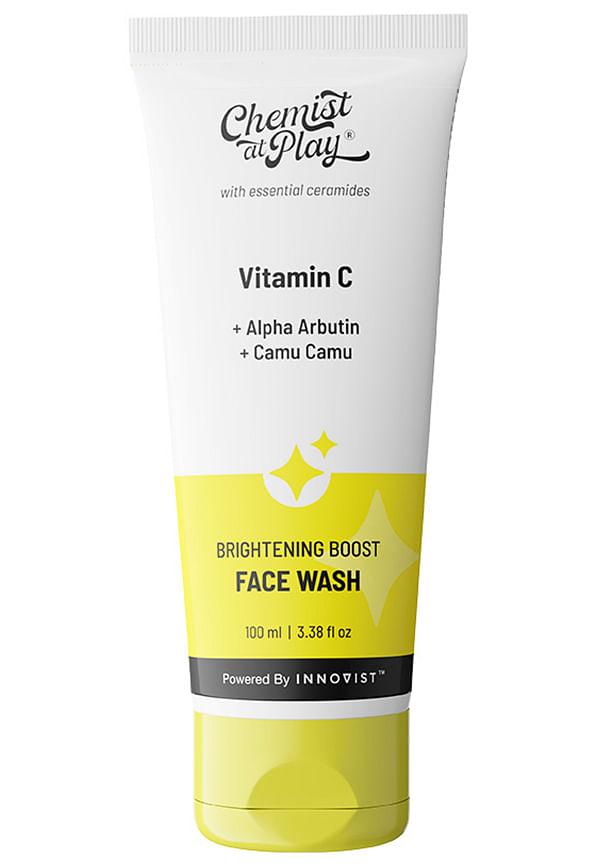 100 ml
Brightening Boost Face Wash | Brightens & Gives Radiance
Focus on hydrating and nourishing formulations at every step. Choose cream cleansers over foaming ones, and look for toners with hyaluronic acid or glycerin. Layer multiple hydrating products—essence, serum, and rich moisturiser—to build moisture levels gradually.
You might benefit from using facial oils as the final step in your evening routine, sealing in all the hydrating layers underneath.
Don't skip moisturiser thinking it'll make you oilier—dehydrated skin actually produces more oil to compensate. Choose lightweight, gel-based formulations that won't clog pores.
Incorporate salicylic acid (BHA) into your routine 2-3 times per week to help clear pores and reduce breakouts. Start slowly and always follow with a good moisturiser to prevent over-drying.
Keep your routine simple and introduce new products one at a time. Look for fragrance-free, hypoallergenic formulations with minimal ingredient lists.
Always patch test new products on a small area of skin before applying to your entire face. Stick to gentle, proven ingredients like niacinamide and ceramides rather than trendy actives.
You might need different products for different areas of your face. Use oil-controlling products on your T-zone whilst applying more hydrating formulations to your cheeks.
Alternatively, choose products designed for combination skin that balance oil control with hydration throughout your face.
Even with the best intentions, it's easy to make mistakes when establishing your skincare routine. Here are the most common pitfalls to avoid for better results.
The biggest mistake? Using too many products too quickly. Your skin needs time to adjust to new formulations, and introducing everything at once makes it impossible to identify what's working or causing problems. Stick to the one-new-product-per-week rule.
Another frequent error is applying products in the wrong skincare order. Remember: thinnest to thickest consistency, and always finish with SPF in the morning. Applying a heavy cream before a serum prevents the serum from penetrating effectively.
Key mistakes to avoid:
Once you've mastered the basics, these advanced techniques can take your results to the next level. Small tweaks to your application methods and routine timing can make a significant difference in how your skin looks and feels.
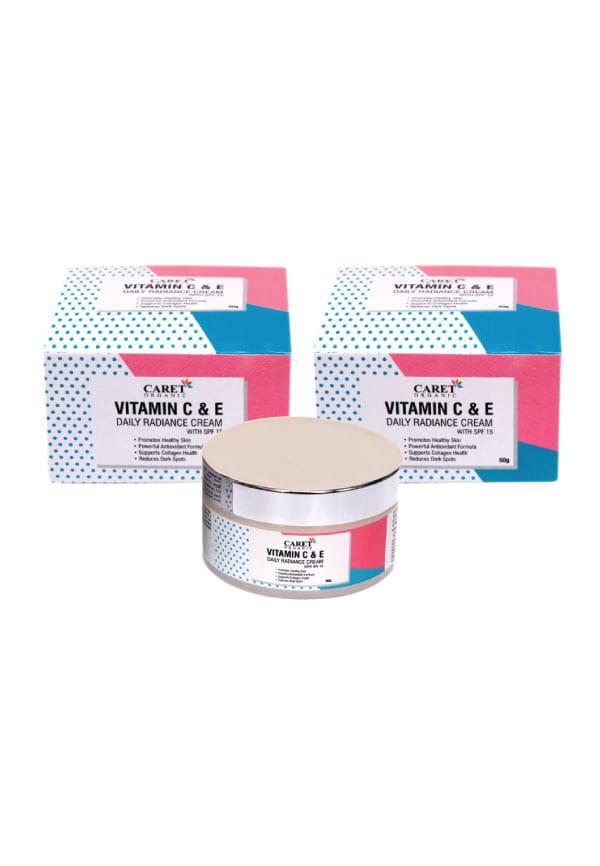 100 gm
Daily Radiance Light Cream With Vitamin C, E & Spf 15 For Dark Spots & Anti- Wrinkle- No Mineral Oil , Alcohol Or Paraben
Facial massage isn't just relaxing—it improves circulation and helps products absorb better. Spend an extra minute gently massaging your serum or moisturiser into your skin using upward, circular motions. This simple addition can boost radiance and reduce puffiness.
Your skincare routine should evolve with the seasons. Winter might require richer moisturisers and more hydrating serums, whilst summer calls for lighter formulations and extra sun protection. Pay attention to how your skin responds to weather changes and adjust accordingly.
Don't forget that skincare isn't just about what you put on your skin—what you put in your body matters too. Staying hydrated, eating antioxidant-rich foods, and getting adequate sleep all contribute to that coveted glow.
For those interested in exploring new products without the commitment, platforms like Smytten make it easy to try different formulations through curated trial packs. With access to over 1,500 trusted brands including Cetaphil, Dot & Key, and Love, Beauty & Planet, you can discover what works for your skin before investing in full-size products.
The five fundamental steps are: cleanse, tone, treat (with serums), moisturise, and protect with SPF during the day. These form the core of any effective daily skincare routine.
Start with the basics: gentle cleanser, moisturiser, and SPF. Add one new product every 1-2 weeks, beginning with a toner, then serums based on your skin concerns. Always patch test new products first.
The 1% rule suggests starting with the lowest concentration of active ingredients (like retinol or acids) and gradually increasing strength as your skin builds tolerance. This prevents irritation and helps your skin adapt safely.
Initial improvements in hydration and texture typically appear within 2 weeks. More significant changes in tone, radiance, and skin concerns usually take 6-12 weeks of consistent use to become noticeable.
While consistency is key, you can occasionally skip certain steps. Never skip cleansing or SPF, but you might skip toner or serums if you're short on time. However, regular use of all steps yields the best results.
Signs a product isn't suitable include persistent irritation, increased breakouts, or no improvement after 6-8 weeks of consistent use. Stop using any product that causes burning, severe redness, or allergic reactions immediately.
Building an effective skincare routine doesn't have to be complicated or expensive. These seven essential steps provide a solid foundation that you can customise based on your skin's unique needs and concerns. Remember, consistency beats complexity every time—a simple routine used daily will always outperform an elaborate one used sporadically.
The key to success lies in understanding your skin type, introducing products gradually, and being patient with the process. Your skin didn't develop its current concerns overnight, and it won't transform overnight either. Give your routine time to work, and don't be afraid to make adjustments as your skin's needs change.
Whether you're just starting your skincare journey or looking to refine your existing routine, the most important step is simply starting. With platforms like Smytten offering trial-sized products from trusted brands, you can explore different formulations and find your perfect matches without the guesswork. After all, why settle for maybe when you can try it all and discover what truly works for your skin?
