7 Essential Best Skincare Steps for Radiant Skin


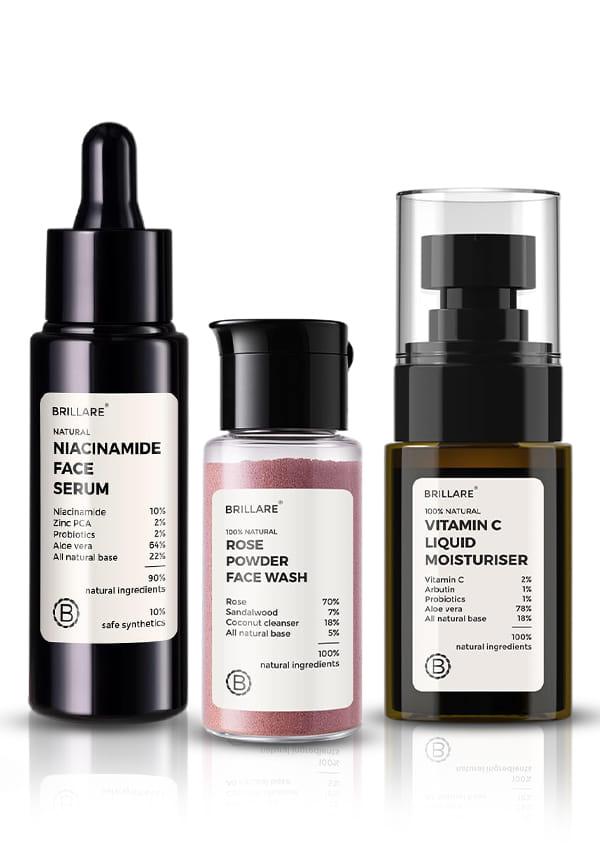 Combo
ComboRadiant Skin Trio
Let's be real—scrolling through endless skincare advice can feel overwhelming. One influencer swears by 12 steps, another says three is enough, and you're left wondering what actually works. The truth is, achieving radiant skin doesn't require a chemistry degree or a bathroom cabinet that looks like a beauty store. It's about understanding the best skincare steps that actually make a difference and doing them consistently. Whether you're a complete beginner or looking to refine your current routine, these seven essential steps will help you build a daily skincare routine that delivers real results without the guesswork.
Your skin is basically a complex ecosystem that thrives on consistency and proper care. Think of your skincare routine as a well-choreographed dance—each step builds on the previous one, creating a foundation for healthy, glowing skin. When you apply products in the wrong order or skip essential steps, you're not just wasting money; you're potentially sabotaging your skin's natural processes.
Research shows that applying products in the correct sequence can improve their effectiveness by up to 50%. This happens because your skin absorbs ingredients better when they're layered from thinnest to thickest consistency. Plus, certain ingredients work synergistically when applied in the right order, whilst others can actually cancel each other out if used incorrectly.
The most common mistake? Rushing through your routine or applying products haphazardly. Your skin barrier—that protective layer that keeps moisture in and irritants out—needs time to absorb each product properly. When you follow the right face care steps, you're supporting this natural barrier function and helping your skin maintain its optimal pH balance.
Ready to build a routine that actually works? These seven steps form the backbone of effective skincare, whether you're dealing with acne, dryness, or just want that natural glow everyone's after. Each step serves a specific purpose, and together they create a comprehensive approach to skin health.
Skin cleansing is where everything begins, but it's also where many people go wrong. Your cleanser should remove dirt, oil, and makeup without stripping your skin's natural moisture barrier. Think of it as hitting the reset button for your skin—you want a clean slate, not a squeaky-clean disaster.
Morning cleansing can be gentler since you're mainly removing overnight skincare products and natural oils. A mild, pH-balanced cleanser works perfectly here. Evening cleansing is where you might need something stronger, especially if you wear makeup or sunscreen. The double-cleansing method—starting with an oil-based cleanser followed by a water-based one—is worth trying if you want thorough removal without irritation.
Gone are the days when toners were harsh, alcohol-laden astringents that left your skin feeling tight. Modern toner uses focus on hydration, pH balancing, and preparing your skin for the products that follow. Think of toner as the bridge between cleansing and treatment—it helps your skin absorb serums and moisturisers more effectively.
Hydrating toners contain ingredients like hyaluronic acid and glycerin that plump your skin with moisture. Exfoliating toners with gentle acids like lactic acid can help with texture and brightness, but these should be introduced gradually. Apply toner with clean hands or a cotton pad, gently patting it into your skin rather than rubbing.
Serum application is where you can really customise your routine based on your skin's needs. Serums are concentrated treatments that deliver active ingredients deep into your skin. Whether you're targeting dark spots, fine lines, or dehydration, there's likely a serum that can help.
The key to effective serum layering is applying them from thinnest to thickest consistency. If you're using multiple serums, wait about 30 seconds between applications to let each one absorb properly. Vitamin C serums work brilliantly in the morning for anti-aging skincare benefits and protection against environmental damage, whilst retinol-based serums are best saved for evening use.
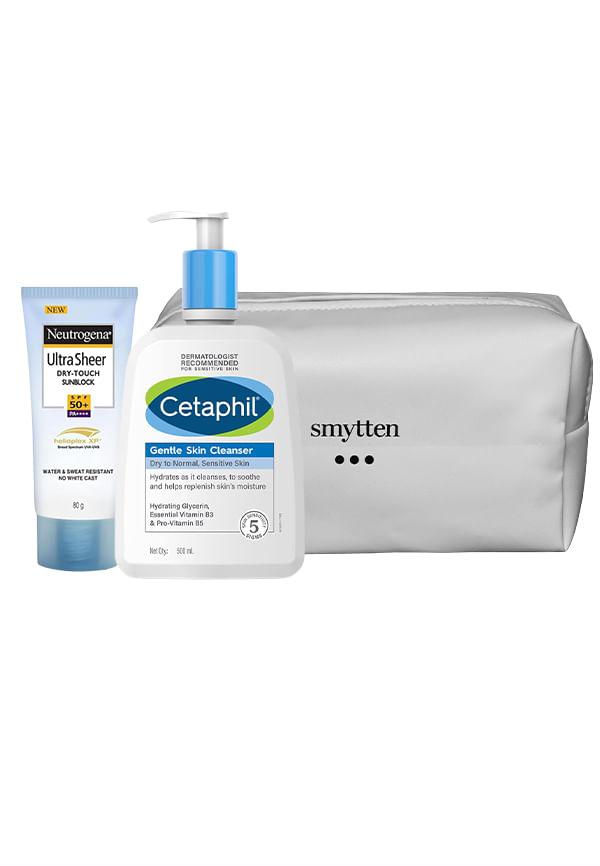 Combo
ComboRadiant Essentials Trio
The skin around your eyes is significantly thinner than the rest of your face, making it more prone to fine lines, puffiness, and dark circles. A dedicated eye cream or serum provides targeted care for this delicate area without overwhelming it with heavy formulations.
Apply eye products using your ring finger—it naturally applies the gentlest pressure. Dot the product along your orbital bone, starting from the inner corner and working outward. Avoid applying too close to your lash line, as products can migrate and cause irritation.
Regardless of your skin type, moisturising is non-negotiable. Even oily skin needs hydration—when your skin is dehydrated, it actually produces more oil to compensate. The trick is finding the right formula and following proper moisturising tips for your specific needs.
Day moisturisers tend to be lighter and may contain SPF, whilst night moisturisers are typically richer and focus on repair. For optimal skin hydration, apply moisturiser to slightly damp skin—this helps lock in extra moisture. Don't forget your neck and décolletage; these areas show signs of ageing just as quickly as your face.
Unlike the other steps, exfoliation isn't a daily requirement. The exfoliation benefits include removing dead skin cells, unclogging pores, and improving the absorption of other skincare products. However, over-exfoliating can damage your skin barrier and cause irritation.
Chemical exfoliants like AHAs and BHAs are generally gentler and more effective than physical scrubs. Start with once or twice a week and gradually increase frequency if your skin tolerates it well. Always follow exfoliation with extra moisturiser and never skip SPF the next day, as exfoliated skin is more sensitive to sun damage.
SPF isn't just for beach days—it's the most important anti-aging skincare step you can take. UV damage is responsible for up to 80% of visible facial ageing, including fine lines, dark spots, and loss of elasticity. A broad-spectrum SPF 30 or higher should be the final step in your morning routine.
Apply sunscreen generously—most people use only about a quarter of the recommended amount. Reapplication throughout the day is crucial, especially if you're spending time outdoors. Look for formulations that layer well under makeup and don't leave a white cast.
Whilst the basic structure of the best skincare steps remains consistent, the specific products you choose should reflect your skin's unique needs. Understanding your skin type helps you select formulations that support rather than fight against your skin's natural tendencies.
Oily skin benefits from lightweight, non-comedogenic formulations that control excess sebum without over-drying. Look for gel-based cleansers, alcohol-free toners with niacinamide, and oil-free moisturisers. Salicylic acid serums can help keep pores clear, whilst clay masks (used 1-2 times weekly) can provide additional oil control.
Dry skin craves rich, nourishing formulations that repair and strengthen the moisture barrier. Cream cleansers, hydrating toners with hyaluronic acid, and heavier moisturisers work best. Look for ingredients like ceramides, squalane, and glycerin that help retain moisture throughout the day.
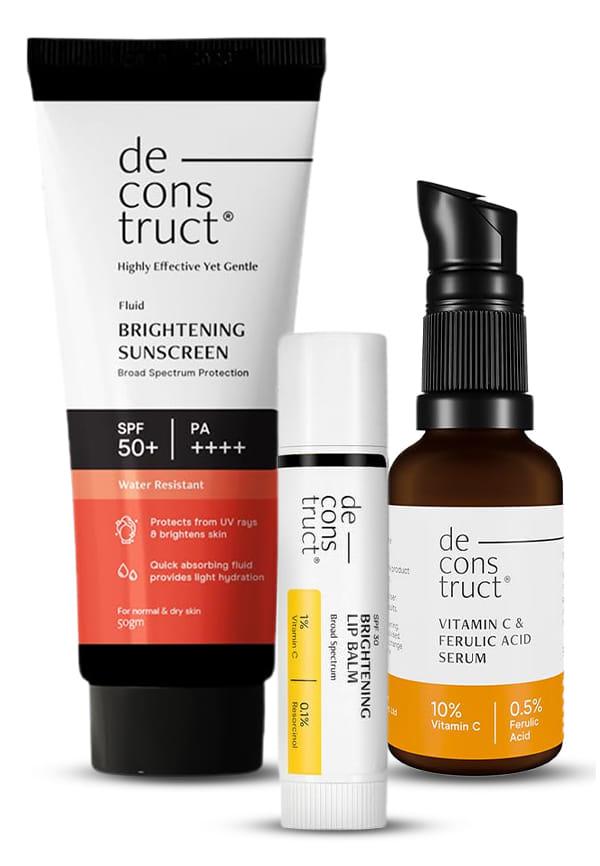 Combo
ComboRadiant Shield Trio
Sensitive skin responds best to minimal, gentle routines with fragrance-free formulations. Stick to basic steps initially and introduce new products one at a time. Look for soothing ingredients like aloe vera, chamomile, and centella asiatica that calm irritation rather than exacerbate it.
Your skin has different needs throughout the day, which is why morning and evening routines often look slightly different. Understanding when to use specific products maximises their effectiveness and prevents potential interactions.
Your morning daily skincare routine should focus on protection and hydration. Start with a gentle cleanser, follow with a hydrating toner, apply vitamin C serum for antioxidant protection, moisturise, and finish with SPF. This combination protects your skin from environmental stressors whilst maintaining hydration throughout the day.
Morning routines are typically quicker and more streamlined since you're preparing your skin for the day ahead. Focus on products that play well under makeup and provide a good base for sun protection.
Evening routines are where the real magic happens. Your skin repairs itself whilst you sleep, making nighttime the perfect opportunity for treatment products. After thorough cleansing, you might use a treatment toner, apply retinol or other active serums, and finish with a nourishing night moisturiser.
This is also when you'd incorporate weekly treatments like exfoliating masks or overnight treatments. Since you don't need SPF at night, you can use richer, more occlusive products that might feel too heavy during the day.
Creating a spa-like experience at home doesn't require expensive equipment or professional treatments. The key is consistency, quality products, and taking time to really focus on your skin. Transform your bathroom into a mini sanctuary with good lighting, clean towels, and a relaxing atmosphere.
Weekly at-home treatments can supplement your daily routine beautifully. Face masks, gentle exfoliation, and facial massage techniques can enhance your results without breaking the budget. The ritual itself—taking 10-15 minutes to focus solely on your skin—can be just as beneficial as the products you're using.
This is where platforms like Smytten become invaluable for discovering your perfect routine. With curated trial packs from over 1,500 trusted brands including Cetaphil, Dot & Key, and Love, Beauty & Planet, you can explore different products without committing to full sizes. Getting up to 8 minis for just ₹249 means you can test various cleansers, serums, and moisturisers to find what works best for your skin.
Even with the best intentions, it's easy to make mistakes that undermine your skincare efforts. Over-cleansing is surprisingly common—using harsh cleansers or cleansing too frequently can strip your skin's natural oils and trigger increased oil production or sensitivity.
Product overload is another frequent issue. Your skin can only absorb so much at once, and layering too many active ingredients can cause irritation or reduce effectiveness. Start with basic steps and gradually introduce new products, giving your skin time to adjust between additions.
 300 ml
Radiant Glow Body Lotion
Impatience might be the biggest skincare saboteur of all. Most products need 6-8 weeks of consistent use before you'll see significant results. Switching products too frequently prevents you from seeing their true potential and can confuse your skin's natural processes.
The 7 essential best skincare steps are: cleansing, toning, serum application, eye care, moisturising, exfoliation (2-3 times weekly), and sun protection. These steps work together to cleanse, treat, hydrate, and protect your skin for optimal health and appearance.
Start with gentle cleansing to remove impurities, follow with toner to balance pH, apply serums from thinnest to thickest consistency, add eye cream for delicate areas, moisturise to lock in hydration, and finish with SPF in the morning. Evening routines can include treatment products like retinol after cleansing and toning.
For beginners, focus on these 5 core steps: gentle cleanser, hydrating toner, targeted serum (like vitamin C or niacinamide), moisturiser, and daily sunscreen. This simplified routine covers all the basics whilst being manageable for those new to skincare.
Seven steps isn't too much if you build up gradually and each product serves a purpose. Start with 3-5 basic steps and add products slowly to avoid overwhelming your skin. Listen to your skin's needs—some people thrive with more steps, whilst others prefer minimal routines.
Wait about 30 seconds to 1 minute between each step to allow proper absorption. Serums typically need the most time to penetrate, whilst toners and moisturisers can be applied more quickly. Your skin should feel comfortable, not sticky or overwhelmed, before applying the next product.
Whilst the basic structure remains similar, morning and evening routines often differ slightly. Morning routines focus on protection with vitamin C and SPF, whilst evening routines emphasise repair with ingredients like retinol. Adjust product choices based on your skin's daily needs and the time of day.
Building an effective skincare routine doesn't have to be complicated or expensive. These seven essential steps provide a solid foundation for healthy, radiant skin when followed consistently. Remember, the best routine is one you'll actually stick to, so start simple and build gradually as your skin adapts.
The key is finding products that work for your unique skin type and concerns. With Smytten's trial platform, you can explore products from trusted brands without the commitment of full-size purchases. The platform's 100% cashback offer on trial minis makes it easy to experiment with different formulations until you find your perfect match. After all, why settle for 'maybe' when you can #TryItAll and discover what truly works for your skin?
