7 Collagen Boosting Foods for Radiant Skin


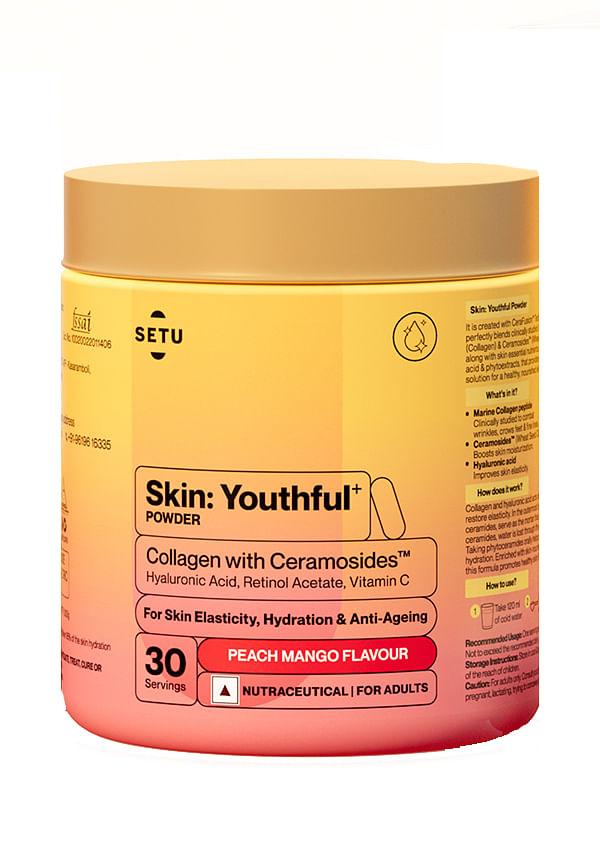 300 gm
Youthful with 8g Marine Collagen + Ceramosides™ for 4X Faster Hydration
Let's be real—your skin's glow isn't just about the serums you slather on. What you eat plays a massive role in how radiant and firm your skin looks. We're talking about foods for collagen, the protein that keeps your skin bouncy, smooth, and youthful. Think of collagen as your skin's scaffolding—it provides structure and elasticity. But here's the thing: your body's collagen production starts declining in your twenties. By the time you hit 45, you've lost about 25% of your collagen. Sounds scary? Don't worry. The right collagen boosting foods can help your body produce more of this wonder protein naturally. Ready to discover which foods deserve a permanent spot on your plate?
Collagen is basically the glue that holds everything together in your body—your skin, bones, muscles, and tendons. When it comes to your skin, collagen is responsible for that plump, firm texture we all crave. It's what keeps fine lines at bay and gives you that natural bounce-back when you press your cheek.
Now, foods for collagen work in two ways. Some foods actually contain collagen that your body can use directly, while others provide the building blocks—amino acids and nutrients—that help your body make its own collagen. The second type is what we call collagen boosting foods, and they're just as important as the first.
Your diet for healthy skin should include both types because your body needs a steady supply of collagen-supporting nutrients. Think vitamin C, zinc, copper, and specific amino acids like proline and glycine. Without these, your collagen production slows down, and that's when you start noticing changes in your skin's texture and firmness.
Here's where it gets interesting. Your body doesn't just magically create collagen—it needs specific nutrients for collagen production to make the magic happen. The process is like following a recipe, and if you're missing key ingredients, the end result won't be great.
The star players in collagen synthesis are amino acids: proline, glycine, and hydroxyproline. These are the building blocks that get assembled into collagen fibres. But they can't do their job without vitamin C, which acts like a supervisor in the collagen-making process. Zinc and copper are also essential—they're like the tools that help everything come together properly.
Foods that support collagen either provide these amino acids directly or supply the vitamins and minerals needed for production. Research shows that when you consistently eat these nutrients together, your skin's collagen levels can improve significantly. One study found that people who increased their vitamin C intake saw measurable improvements in skin elasticity within just eight weeks.
Right, let's get to the good stuff. These seven best foods for skin elasticity should become your skin's best mates. Each one brings something unique to the table, and together, they create the perfect environment for healthy collagen production.
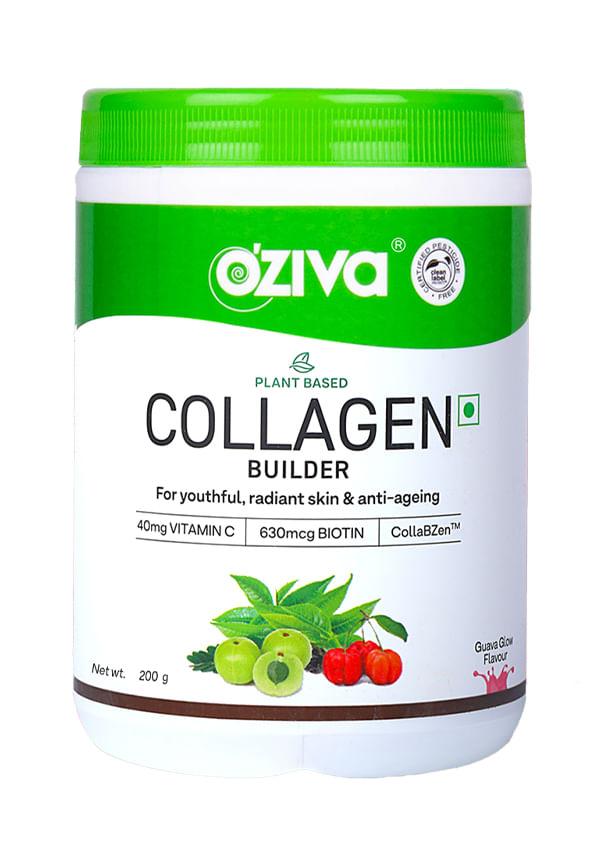 200 gm
Collagen Builder for Anti-Ageing & Skin Radiance with Vitamin C, Guava Glow 200g
Bone broth is basically liquid gold for your skin. It's packed with bioavailable collagen types I, II, and III—exactly what your skin needs. When you simmer bones for hours, all that collagen breaks down into a form your body can easily absorb. Plus, you're getting glycine and proline, those crucial amino acids we mentioned earlier. Try to have a cup of bone broth daily, or use it as a base for soups and stews.
Fish like salmon, mackerel, and sardines are collagen powerhouses. Marine collagen is actually absorbed better than land-based collagen, making it super efficient for your skin. These fish also come loaded with omega-3 fatty acids, which help reduce inflammation and support overall skin health. Aim for two to three servings of fatty fish per week for maximum benefits.
Oranges, lemons, grapefruits, and kiwis are your collagen production's best friends. Vitamin C is absolutely essential for collagen synthesis—without it, the process literally can't happen. One medium orange gives you about 70mg of vitamin C, which is close to your daily requirement. Try to include citrus fruits in your daily routine, whether it's a glass of fresh orange juice or sliced kiwi on your breakfast.
Spinach, kale, and Swiss chard don't just provide nutrients for making collagen—they also protect the collagen you already have. These greens are rich in chlorophyll, which has been shown to increase collagen precursors in the skin. They're also packed with antioxidants that fight free radicals, the molecules that break down collagen. A big salad or green smoothie daily will do wonders for your skin.
Blueberries, strawberries, and blackberries are like tiny shields for your collagen. They're loaded with anthocyanins, powerful antioxidants that protect your existing collagen from damage. Berries also provide vitamin C and help reduce inflammation that can accelerate collagen breakdown. A handful of mixed berries as a snack or in your morning yoghurt is perfect.
Almonds, walnuts, chia seeds, and pumpkin seeds provide zinc and copper—minerals that are crucial for collagen production. They also contain healthy fats that support your skin barrier function. A small handful of mixed nuts or a tablespoon of seeds daily gives you these essential minerals plus protein that supports overall skin health.
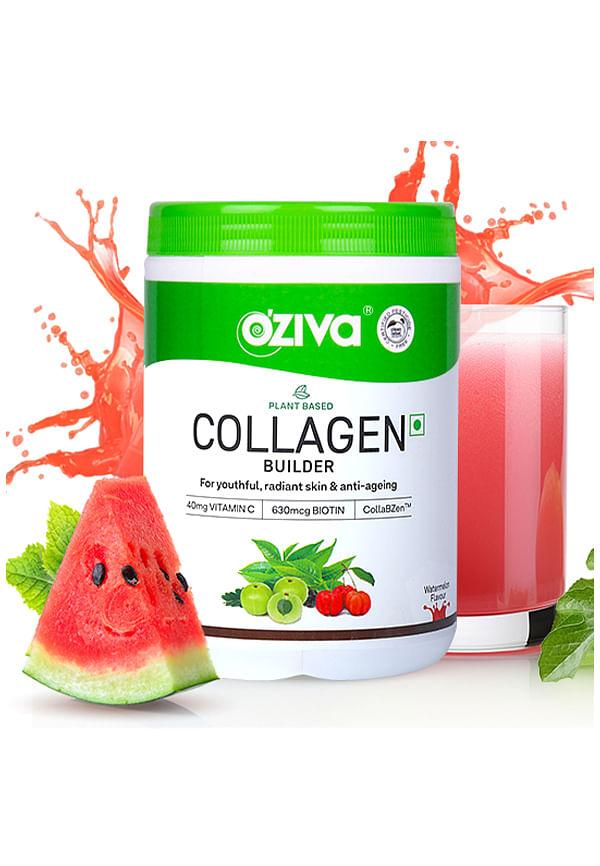 250 gm
Collagen Builder for Anti-Ageing & Skin Radiance with Vitamin C, Watermelon
Egg whites are one of the best sources of proline, an amino acid that's essential for collagen structure. They're also a complete protein, meaning they contain all the amino acids your body needs. Whether you have them scrambled, in an omelette, or added to smoothies, egg whites are a brilliant addition to your collagen rich diet.
Beyond our top seven, there are other anti-aging foods worth mentioning. Bell peppers, especially red ones, are vitamin C superstars. Tomatoes provide lycopene, which protects against UV damage. Soy products contain genistein, which may help prevent collagen breakdown.
But here's what you need to avoid: sugar and processed foods are collagen's worst enemies. Sugar causes glycation, a process that damages collagen fibres and makes them stiff and brittle. Processed foods often contain inflammatory ingredients that accelerate collagen breakdown.
Hydration is also crucial for collagen function. When you're dehydrated, your skin can't maintain its plump, elastic texture. Aim for at least eight glasses of water daily, and consider herbal teas as part of your fluid intake.
Building a collagen rich diet doesn't mean overhauling everything overnight. Start by incorporating one or two of these foods into each meal. For breakfast, try berries with yoghurt and a sprinkle of chia seeds. Lunch could be a big salad with salmon and citrus dressing. Dinner might feature bone broth-based soup with leafy greens.
If you're vegetarian or vegan, focus on vitamin C-rich foods, nuts, seeds, and plant proteins like lentils and quinoa. While you won't get direct collagen from plants, you can absolutely support your body's collagen production with the right nutrients.
Timeline-wise, don't expect overnight miracles. Most people start noticing improvements in skin texture and elasticity after about four to eight weeks of consistent eating. Your skin cells regenerate every 28 days, so give your new diet for healthy skin at least that long to show results.
Just like discovering the perfect skincare routine, finding the right nutrition approach for your skin takes some experimentation. That's where platforms like Smytten come in handy—with over 1,500 trusted beauty and wellness brands, you can explore skincare products that complement your nutritional efforts. From collagen-boosting serums to vitamin C treatments, Smytten's trial packs let you test what works for your skin without the commitment of full-size purchases.
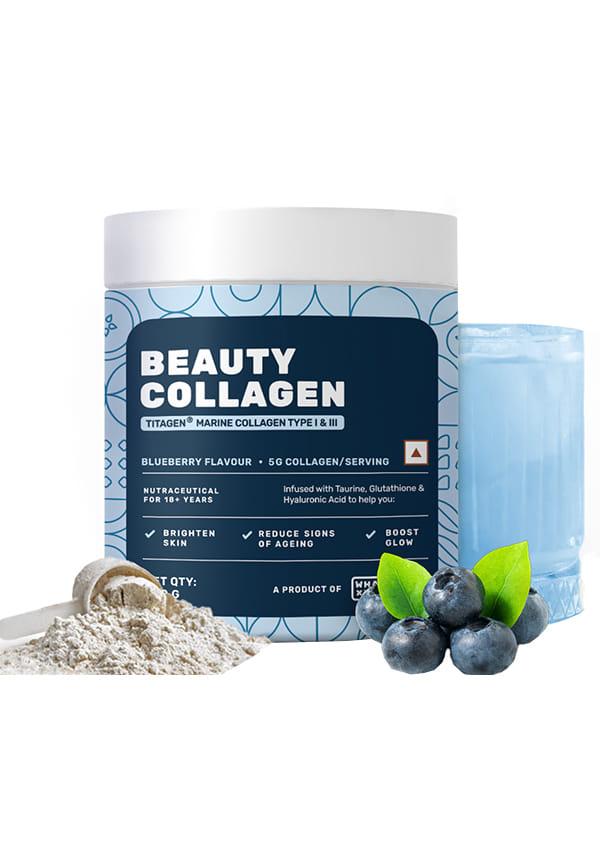 200 gm
Beauty Collagen with Glutathione, Biotin, & Vitamin C - Blueberry Flavour
Bone broth contains the highest concentration of bioavailable collagen, providing types I, II, and III collagen directly from animal connective tissues. It's essentially liquid collagen that your body can easily absorb and use.
Combine collagen-rich foods with vitamin C sources, reduce sugar intake, stay hydrated, and maintain consistent intake for 8-12 weeks for optimal results. Remember, collagen rebuilding is a gradual process that requires patience and consistency.
The five main collagen types (I, II, III, V, X) support different body functions. Type I benefits skin elasticity, Type II supports joint health, Type III aids blood vessels, Type V helps with tissue surfaces, and Type X supports bone and cartilage formation.
Fish, bone broth, citrus fruits, leafy greens, berries, nuts, seeds, and egg whites provide the amino acids and nutrients essential for natural collagen production. These foods for youthful skin work together to support your body's collagen synthesis.
Yes, through vitamin C-rich foods, plant proteins like soy and legumes, nuts, seeds, and collagen-supporting nutrients. While direct collagen sources are limited in plant foods, you can absolutely support your body's collagen production with the right plant-based nutrients.
Most people notice improved skin texture and elasticity within 4-8 weeks of consistent consumption of collagen boosting foods. Your skin regenerates every 28 days, so give your new eating habits at least a month to show visible improvements.
Your journey to radiant, firm skin starts from the inside out. These seven foods for collagen aren't just ingredients—they're your skin's support system. From bone broth's direct collagen supply to berries' protective antioxidants, each food plays a unique role in keeping your skin healthy and youthful.
Remember, consistency is key. You can't expect to eat salmon once and wake up with perfect skin. But stick with these skin firming foods for a few months, and you'll likely notice real improvements in your skin's texture, elasticity, and overall glow.
And while you're nourishing your skin from within, don't forget about external care. Smytten's curated selection of skincare products from trusted brands like Cetaphil and Dot & Key can complement your nutritional efforts perfectly. With trial packs available for just ₹249 and 100% cashback on your minis, you can discover products that work with your newly collagen-boosted skin. After all, why settle for maybe when you can try it all and find what truly works for your unique skin needs?
