7 Clear Signs of a Damaged Skin Barrier Now


Your skin's been acting up lately, and you can't quite put your finger on why. That trusty moisturiser that used to work like magic now leaves your face feeling tight. Your usual skincare routine suddenly stings. Sound familiar? You might be dealing with a damaged skin barrier. This protective shield is your skin's first line of defence, and when it's compromised, everything goes haywire. Let's dive into the telltale signs of damaged skin barrier and, more importantly, how to get your skin back to its happy, healthy state.
Think of your healthy skin barrier as your skin's bouncer – it decides what gets in and what stays out. This outer layer, called the stratum corneum, works like a brick wall where skin cells are the bricks and lipids (ceramides, cholesterol, and fatty acids) are the mortar holding everything together. Your skin barrier function is pretty impressive when it's working properly. It locks in moisture, keeps irritants and bacteria out, and maintains your skin's pH balance. When this protective layer gets damaged, it's like having gaps in your wall – moisture escapes, nasties get in, and chaos ensues. Research shows that nearly 40% of adults experience some form of barrier dysfunction, making it more common than you might think.
Spotting skin barrier symptoms early can save you weeks of frustration. Here are the red flags your skin is waving at you.
When your skin barrier is compromised, moisture escapes faster than you can replace it. You'll notice your skin feels tight even right after applying moisturiser. Those flaky, scaly patches keep coming back no matter how much you hydrate. Products that used to leave your skin soft and supple now seem to disappear into thin air.
One of the clearest signs of damaged skin barrier is when your tried-and-true products suddenly turn against you. That gentle cleanser now stings. Your favourite serum causes redness. Even fragrance-free, supposedly gentle formulas make your skin react. This happens because your compromised barrier can't filter out irritants like it used to.
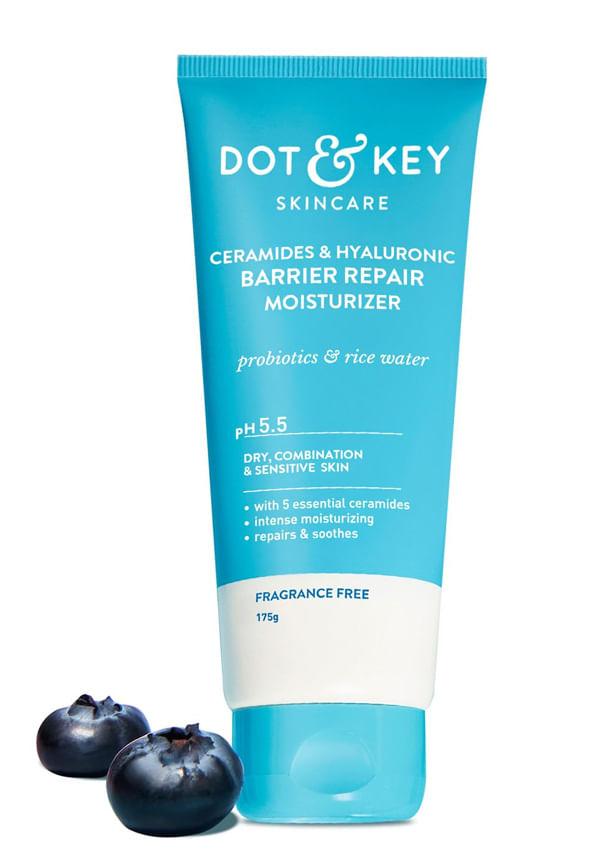 175 gm
Ceramides & Hyaluronic Barrier Repair Moisturizer
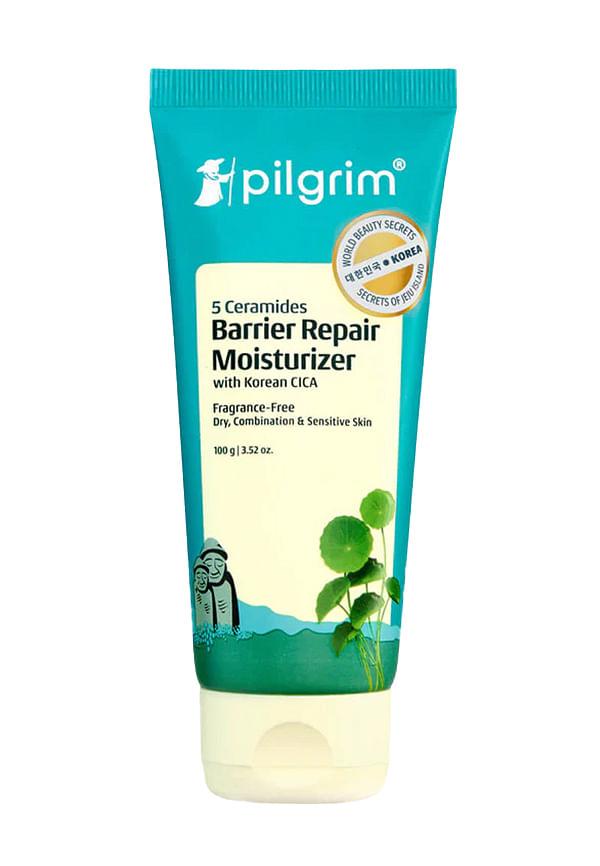 100 gm
5 Ceramides Barrier Repair Moisturizer with Korean CICA Lightweight & Non-Sticky
Persistent red patches or an overall ruddy complexion that doesn't seem to have an obvious cause often points to barrier damage. Your skin looks irritated and angry, and this redness doesn't fade even with gentle care. The inflammation happens because your skin is constantly trying to defend itself without its protective shield.
A damaged skin barrier can't keep bacteria out effectively, leading to new acne in areas that were previously clear. You might notice more bacterial infections or that existing blemishes take ages to heal. Your skin's natural defence system is down, making it vulnerable to all sorts of unwanted visitors.
Healthy skin should feel smooth and supple. When your barrier is damaged, you'll notice a bumpy, sandpaper-like texture. Your skin loses that soft, even feel, and you can see the texture changes, especially in certain lighting. It's like your skin's surface has become uneven and rough.
A compromised barrier often means goodbye to that natural glow. Your complexion looks sallow, tired, and just... meh. Makeup doesn't apply smoothly anymore, and your skin lacks the radiance it once had. This happens because damaged skin cells don't reflect light properly.
When your skin barrier isn't functioning properly, everything takes longer to heal. Cuts and scratches linger, acne marks stick around for weeks, and there's an increased risk of secondary infections. Your skin's repair mechanisms are working overtime but not very efficiently.
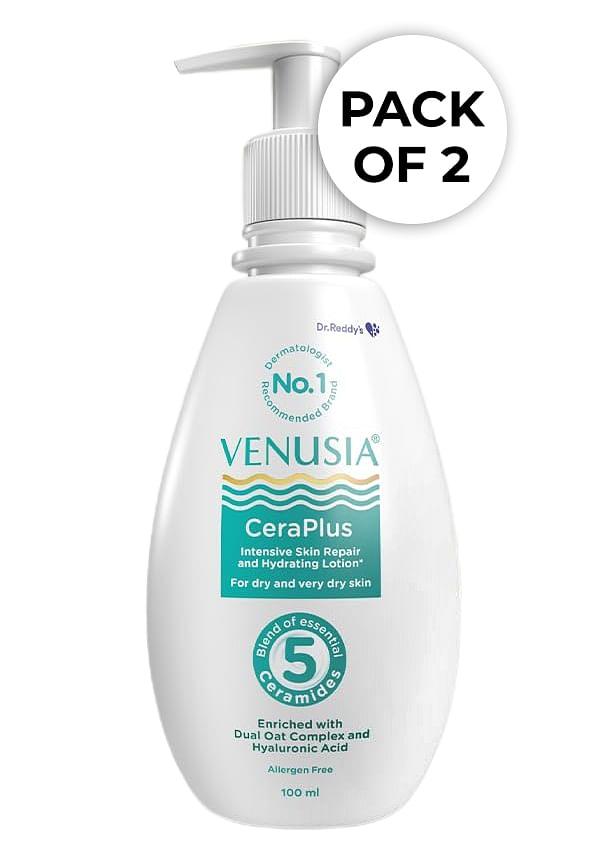 Combo
ComboCeraplus Lotion for Dry Skin 5 Essential Ceramides for Deep moisturization barrier repair (Pack of 2)
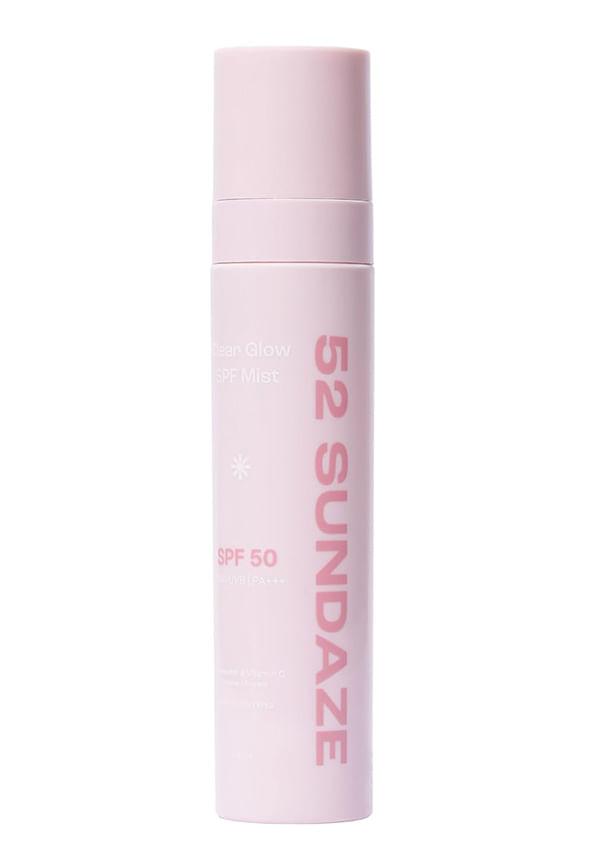 100 ml
Clear Glow SPF Mist - Rosewater
Understanding what leads to a damaged skin barrier helps prevent future issues. Over-exfoliation is probably the biggest culprit – whether it's scrubbing too hard with physical exfoliants or going overboard with chemical acids. Your skin needs time to regenerate, and constant exfoliation doesn't give it that chance. Harsh active ingredients, when used incorrectly, can also wreak havoc. Retinoids, AHAs, and BHAs are brilliant when used properly, but too much too soon can strip your barrier. Environmental factors like pollution, UV exposure, and extreme weather conditions constantly challenge your skin's defences. Even your daily habits matter. Hot showers, aggressive cleansing, stress, and hormonal changes all contribute to barrier breakdown. As we age, our skin naturally produces fewer lipids, making barrier maintenance more challenging. It's like your skin's natural repair crew is working with fewer tools.
Ready to restore skin barrier function? Here's your step-by-step guide to getting your skin back on track.
First things first – strip back to basics. Your damaged skin needs a break from all the actives and treatments. Stick to a gentle cleanser, a good moisturiser, and SPF during the day. This might feel boring, but your skin will thank you. Think of it as giving your skin a holiday to focus on healing rather than processing multiple products.
When shopping for skin barrier repair products, look for specific ingredients that actually help rebuild your protective layer. Ceramides are your best friends – they're literally the building blocks of your barrier. Hyaluronic acid draws moisture to your skin and keeps it there. Niacinamide strengthens barrier function and reduces inflammation. Glycerin attracts moisture from the environment, whilst cholesterol and fatty acids help rebuild the lipid structure.
Your cleansing routine needs a complete overhaul. Use lukewarm water instead of hot, choose cream or oil-based cleansers over foaming ones, and pat your skin dry rather than rubbing. If your barrier is severely damaged, consider cleansing only once daily. Your skin doesn't need to be squeaky clean – it needs to be comfortable.
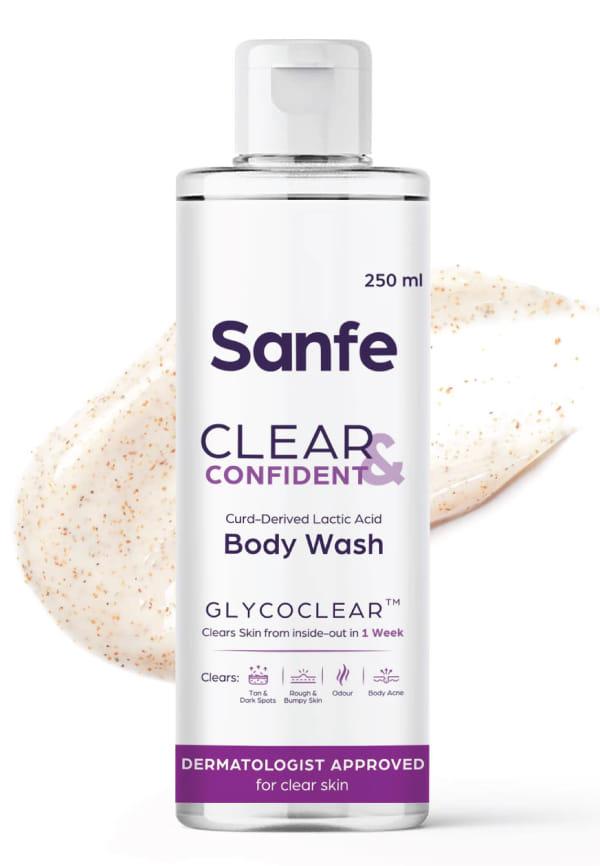 250 ml
Clear & Confident Glycolic Acid Body Wash
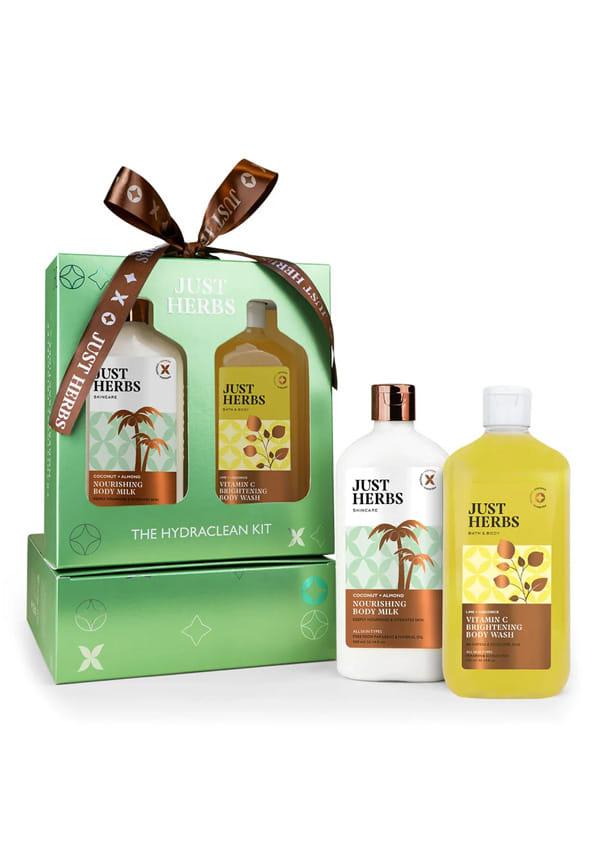 600 ml
The Hydraclean Kit ( Clear & Radiant Skin Set)
The secret to effective skin barrier treatment lies in how you apply your products. Apply serums and moisturisers to slightly damp skin to lock in extra moisture. Use the sandwich method: apply a hydrating serum, follow with moisturiser, then seal everything with an occlusive like a face oil or barrier cream. Overnight masks can provide intensive repair whilst you sleep.
Patience is key when learning how to repair skin barrier damage. In the first week or two, you should notice reduced irritation and sensitivity. Your skin won't sting as much when you apply products, and that tight feeling should start to ease. By weeks three to four, you'll see improved hydration and texture. Your skin should feel softer and look less rough. The flakiness should be subsiding, and your complexion might start looking more even. Around the six to eight-week mark, your natural glow should return, and your skin's resilience will improve. You might be able to reintroduce gentle actives at this point, but go slowly. Full barrier function recovery typically takes about three months. This might seem like ages, but remember – your skin has been through a lot, and proper healing takes time. Factors like age, overall health, and how damaged your barrier was initially all affect recovery speed.
When choosing a skin barrier serum or skin barrier cream, ingredient knowledge is power. Ceramides should be at the top of your list – they're identical to what your skin naturally produces and can literally fill in the gaps in your barrier. Hyaluronic acid is brilliant for plumping up dehydrated skin and creating a moisture reservoir. Look for different molecular weights for maximum effectiveness. Niacinamide is a multitasker that strengthens your barrier whilst reducing inflammation and regulating oil production. Panthenol (Pro-Vitamin B5) soothes irritation and supports healing. Cholesterol and fatty acids help rebuild the lipid matrix, whilst glycerin acts like a moisture magnet. Avoid anything with high concentrations of acids, retinoids, or fragrances until your barrier is fully healed. Discovering the right products for your skin can feel overwhelming, especially when your barrier is compromised and you're worried about reactions. This is where Smytten's trial approach becomes invaluable. With curated trial packs from trusted skincare brands, you can test barrier-repairing products without committing to full sizes. It's particularly helpful when your skin is sensitive and unpredictable – you can try different formulations to see what works without the financial risk.
Once you've successfully restored your healthy skin barrier, maintaining it becomes your priority. Smart exfoliation is key – limit physical scrubs to once or twice weekly, and introduce chemical exfoliants gradually. Start with lower concentrations and build up slowly. When reintroducing actives, follow the "start low, go slow" rule. Begin with using them once or twice weekly and gradually increase frequency as your skin tolerates them. Always listen to your skin – if it starts feeling tight or irritated, scale back. Environmental protection is crucial. Daily SPF is non-negotiable, and consider using antioxidant serums to combat pollution damage. In harsh weather, adjust your routine accordingly – use richer moisturisers in winter and lighter formulations in humid conditions. Lifestyle factors matter too. Manage stress through exercise, meditation, or whatever works for you. Get adequate sleep, stay hydrated, and maintain a balanced diet rich in omega-3 fatty acids and antioxidants.
Your skin has natural repair mechanisms, but they slow down with age and damage. Whilst minor barrier disruption might heal on its own within a few days, significant damage usually needs intervention with appropriate skincare products and routine adjustments.
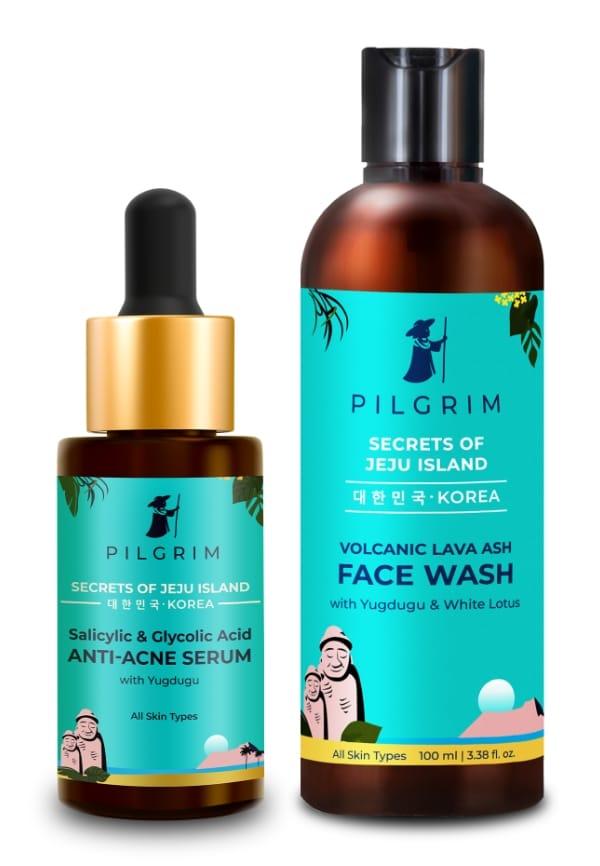 Combo
ComboAcne Control Facial Kit | For Clear & Glowing Skin | Fade Blemishes
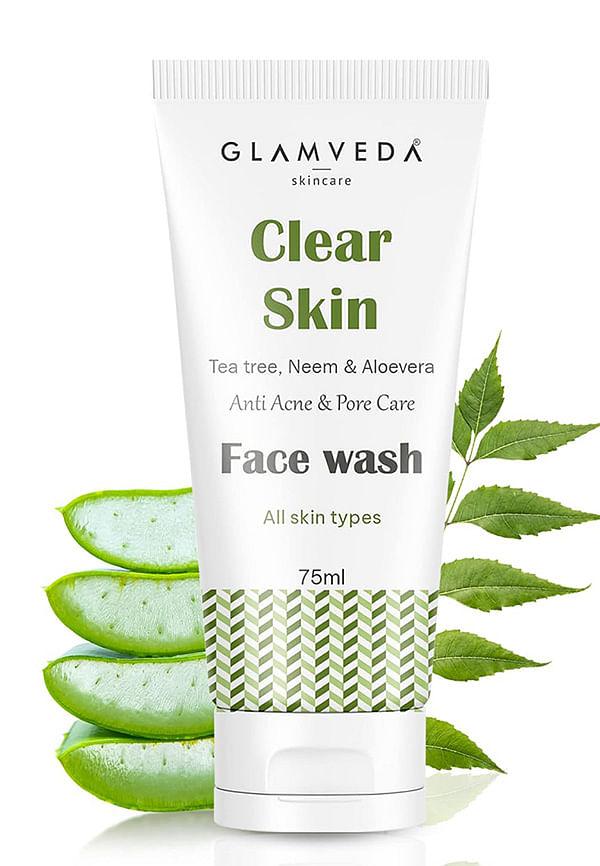 75 ml
75 mlClear Skin Tea Tree, Neem & Aloe Vera Anti Acne Face Wash
Yes, scientific studies show that niacinamide increases ceramide production and improves barrier function. A 5% concentration is typically effective, though some people see benefits with lower concentrations. It's one of the most researched ingredients for barrier repair.
Dehydrated skin lacks water and feels tight but usually responds quickly to hydrating products. Barrier-damaged skin has structural issues and shows multiple symptoms like sensitivity, inflammation, and slow healing. The treatment approaches differ significantly.
Whilst rare, it's possible to overwhelm compromised skin with too many products. Signs include increased breakouts, a heavy feeling, or products not absorbing properly. Focus on quality over quantity and give your skin time to process each product.
Some initial adjustment is normal when changing routines, but significant worsening isn't typical with barrier repair. If your skin becomes more irritated or inflamed, you might be using products that are too strong or have an ingredient sensitivity.
Recognising the signs of damaged skin barrier early can save you months of frustration and potentially prevent more serious skin issues. Remember, barrier repair isn't about finding the most expensive products – it's about consistency, patience, and choosing the right ingredients for your skin's current needs. The seven signs we've covered – persistent dryness, sudden sensitivity, chronic redness, unexpected breakouts, rough texture, dullness, and slow healing – are your skin's way of asking for help. Listen to these signals and respond with gentle, barrier-supporting care. Your journey to healthy skin doesn't have to be a guessing game. With platforms like Smytten, you can explore barrier-repairing products from trusted brands through trial sizes, making it easier to find what works for your unique skin without the commitment of full-size purchases. After all, when your skin barrier is compromised, the last thing you need is another product that doesn't work sitting unused on your shelf.
