7 Best Ways to Soothe Dry Skin Naturally


Dealing with dry, flaky skin that feels tight and uncomfortable? You're definitely not alone. Millions of people struggle with skin that just won't stay hydrated, no matter how much moisturising cream they slather on. The good news is that you don't need expensive treatments or harsh chemicals to soothe dry skin effectively. Natural remedies can work wonders when you know what you're doing. From simple ingredient swaps to smart skincare habits, these seven proven methods will help you achieve the soft, comfortable skin you've been craving. Let's dive into solutions that actually work.
Before we jump into solutions, it's worth understanding why your skin feels like sandpaper in the first place. Your skin has a natural protective barrier made up of oils and dead skin cells that lock in moisture. When this barrier gets damaged or weakened, water escapes faster than your skin can replace it. Several factors can mess with your skin barrier repair process. Cold weather strips moisture from the air and your skin. Hot showers feel amazing but actually wash away your skin's natural oils. Even stress and certain medications can leave your skin feeling parched. Some people are simply more prone to dryness due to genetics or conditions like eczema. The key difference between dry and dehydrated skin matters too. Dry skin lacks oil, whilst dehydrated skin lacks water. You might have oily skin that's still dehydrated, which explains why some moisturisers don't seem to help. Understanding your specific skin type helps you choose the right approach for lasting dry skin relief.
Here's something that might surprise you: over-cleansing is one of the biggest culprits behind stubborn dry skin. That squeaky-clean feeling after washing your face? It's actually your skin crying for help.
Ditch anything with harsh sulphates, alcohol, or artificial fragrances. These ingredients strip your skin faster than you can say "moisture barrier." Look for gentle, cream-based cleansers that contain ceramides or glycerin. These ingredients actually help your skin hold onto moisture whilst cleaning away dirt and makeup.
Those steamy hot showers might feel incredible, but they're basically giving your skin a one-way ticket to Flakesville. Lukewarm water is your skin's best friend. Limit your shower time to five minutes max, and your skin will thank you later.
After cleansing, resist the urge to rub your skin dry with a towel. Instead, gently pat your skin, leaving it slightly damp. This technique helps lock in that precious moisture before you apply your moisturiser. Think of it as prepping your skin for the hydration that's coming next.
Timing is everything when it comes to skin hydration. There's actually a sweet spot right after cleansing when your skin is most receptive to moisture.
Apply your moisturiser within three minutes of showering or washing your face. Your skin is still damp, which helps seal in that extra moisture. This simple timing trick can make your regular moisturiser work twice as hard.
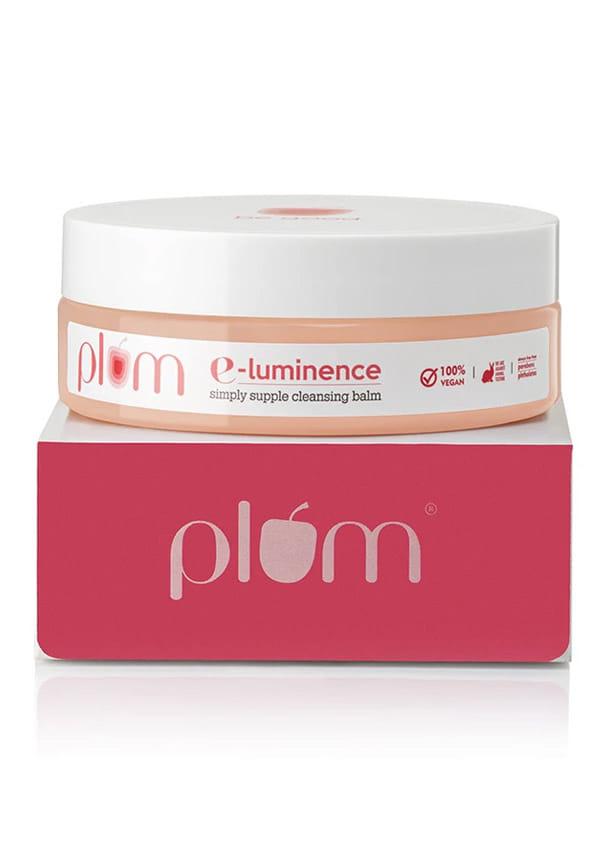 90 gm
90 gmE-Luminence Simply Supple Cleansing Balm
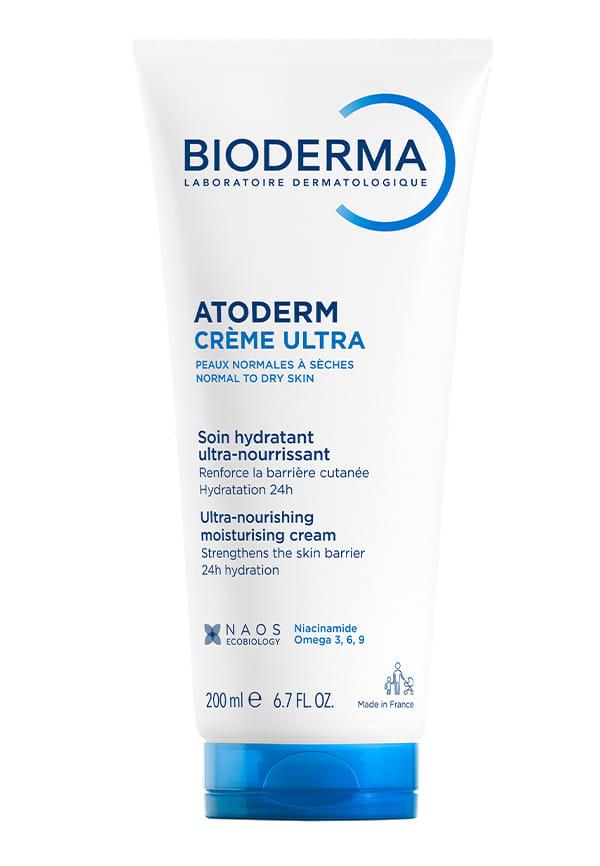 200 ml
Atoderm Creme Ultra-Nourishing Moisturizer
For seriously dry skin, thick creams usually win over lightweight lotions. Creams contain more oil and fewer water-based ingredients, making them better at creating a protective barrier. Look for formulas with ceramides, hyaluronic acid, or glycerin for maximum skin barrier repair.
Don't just slap on moisturiser and call it a day. Use upward strokes and really massage it into your skin. Pay extra attention to areas that tend to get drier, like your elbows, knees, and heels. Your skin should feel soft and comfortable, not greasy or sticky.
Sometimes the best solutions come straight from nature. These natural moisturisers have been helping people achieve soft skin for centuries, and science backs up their effectiveness.
Pure coconut oil is like a drink of water for parched skin. It contains fatty acids that help repair your skin barrier whilst you sleep. Apply a thin layer to clean, slightly damp skin before bed. You'll wake up with noticeably softer skin.
Fresh aloe vera gel provides immediate cooling relief for irritated, dry skin. It's particularly brilliant for sensitive skin care because it's naturally anti-inflammatory. Keep a plant on your windowsill for fresh gel, or choose a pure aloe product without added alcohol or fragrances.
Raw shea butter is incredibly rich in vitamins A and E, plus natural fatty acids that help rebuild your skin's protective barrier. It's thick and might feel heavy at first, but it absorbs beautifully and provides long-lasting hydration.
Colloidal oatmeal isn't just for breakfast. It contains compounds called avenanthramides that naturally soothe irritated skin. You can buy oatmeal-based products or make your own by grinding plain oats into a fine powder and mixing with water for an itchy skin remedy.
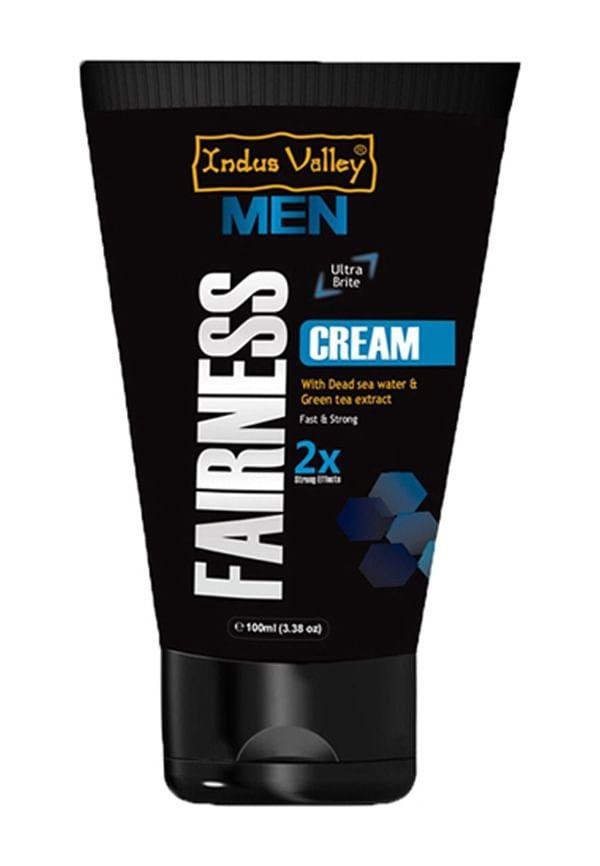 100 ml
Men Ultra Fairness Cream with Dead Sea Water & Green Tea Extract
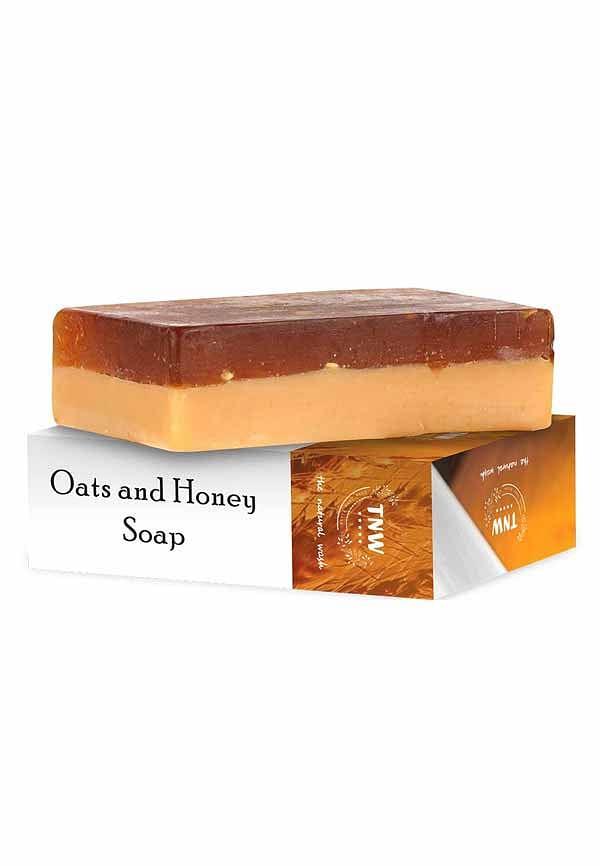 100 gm
Handmade Oats And Honey Moisturizing Soap For Combination Dry Skin
Your surroundings play a huge role in how your skin feels and behaves. Small environmental changes can make a massive difference in your skin's comfort level.
Dry air sucks moisture right out of your skin. A humidifier in your bedroom can work wonders, especially during winter months when heating systems dry out indoor air. Aim for humidity levels between 40-60% for optimal skin comfort.
Rough fabrics and harsh detergents can irritate already sensitive skin. Choose soft, breathable materials like cotton or bamboo. Wash your clothes and bedding with fragrance-free, hypoallergenic detergents to avoid unnecessary irritation.
Extreme temperatures stress your skin. In winter, layer up instead of cranking the heat. In summer, use fans and light clothing to stay cool without over-air conditioning your space.
What you put in your body affects how your skin looks and feels. Certain nutrients can actually help your skin maintain its natural moisture levels.
Fish, walnuts, and flaxseeds contain omega-3s that help maintain your skin's oil barrier. These healthy fats can reduce inflammation and help your skin hold onto moisture more effectively.
Drinking water helps, but it's not the whole story. Eating water-rich foods like cucumbers, watermelon, and oranges provides hydration plus vitamins that support skin health. Herbal teas count towards your fluid intake too.
Foods rich in vitamins C and E, like berries and nuts, help protect your skin from damage. Sweet potatoes provide beta-carotene, which your body converts to vitamin A for healthy skin cell production.
 30 ml
30 ml0.1% Retinol Serum
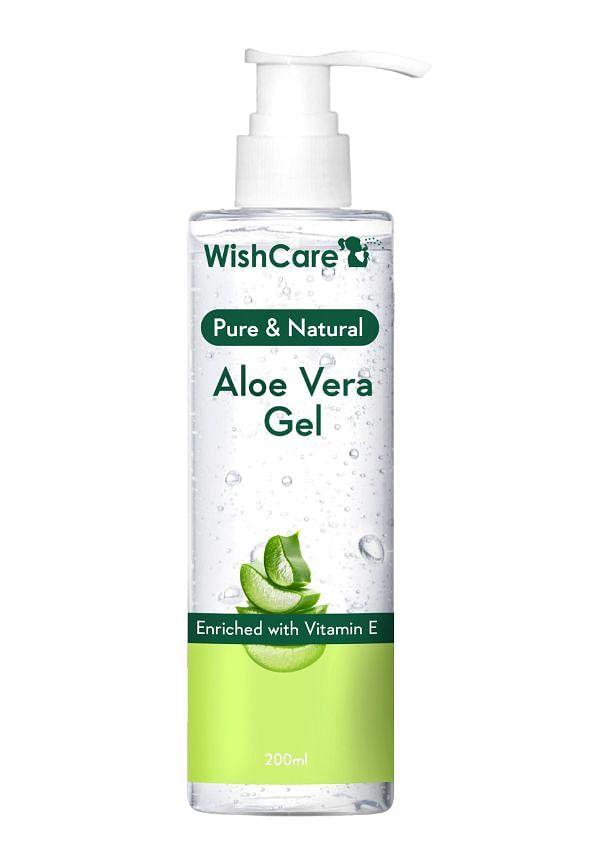 200 ml
Pure & Natural Aloe Vera Gel
Different areas of your body and different skin conditions need slightly different approaches. Here's how to customise your care.
Facial skin is thinner and more sensitive than body skin. Use gentler products and avoid anything too heavy that might clog pores. A lightweight, fragrance-free facial moisturiser works best for daily use.
For eczema treatment, consistency is key. Stick to fragrance-free products and avoid known triggers. Oatmeal baths and coconut oil can provide gentle relief during flare-ups, but always check with a dermatologist for persistent issues.
Your skin's needs change with the weather. Winter might require heavier creams and more frequent moisturising, whilst summer calls for lighter formulas that won't feel sticky in humidity.
Once you've mastered the basics, these advanced techniques can take your skin game to the next level.
Mix ground oatmeal with honey for a deeply moisturising mask. Leave it on for 15-20 minutes, then rinse with lukewarm water. The oatmeal gently exfoliates whilst honey provides antimicrobial benefits and intense hydration.
Apply a lightweight oil like jojoba or argan oil to damp skin, then follow with your regular moisturiser. This technique helps lock in multiple layers of hydration for seriously dry skin.
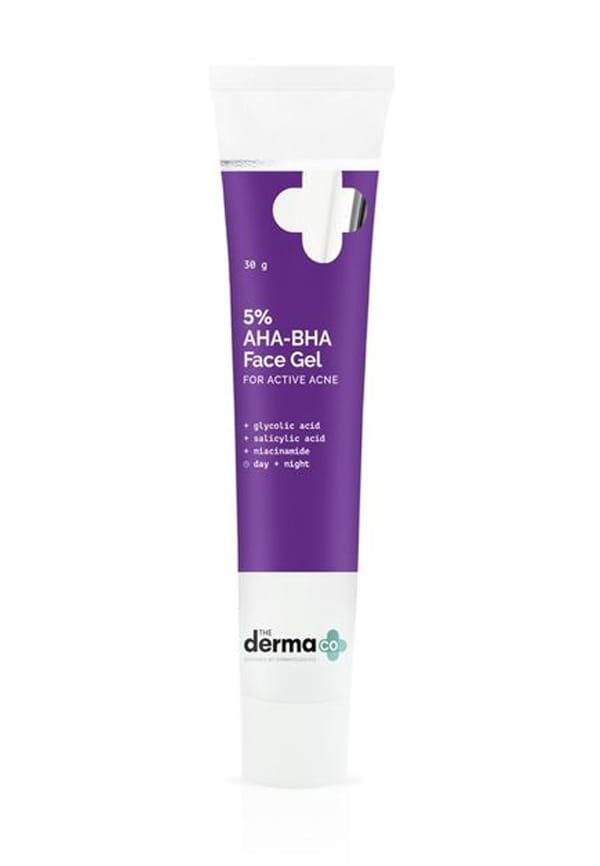 30 gm
30 gmAHA+BHA Face Gel
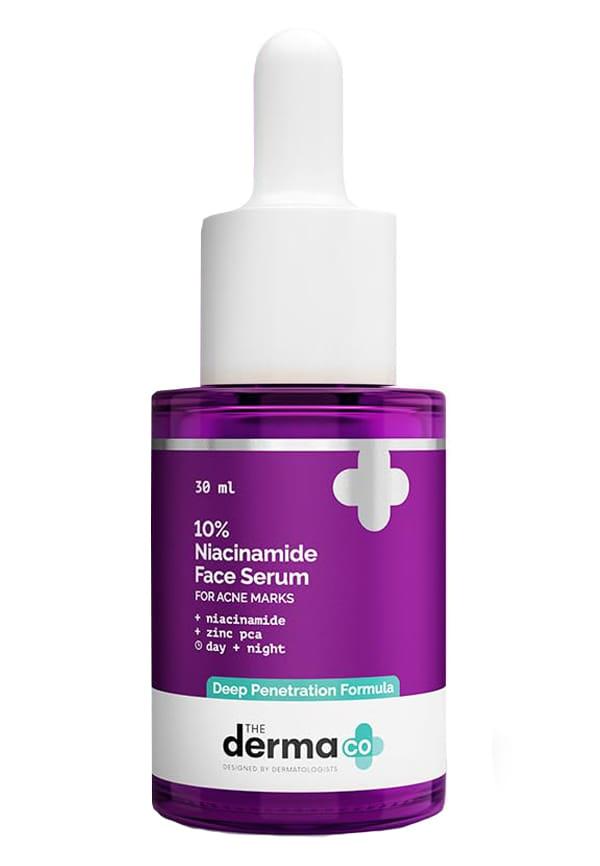 30 ml
30 ml10% Niacinamide Serum
Dead skin cells can prevent moisturisers from penetrating effectively. Use a soft washcloth or gentle exfoliating gloves once or twice a week to remove buildup without irritating your skin. When exploring different skincare products to find what works best for your skin, platforms like Smytten make it easier to discover new brands without the commitment of full-size purchases. With trial packs from trusted brands like Cetaphil and Dot & Key, you can test different formulations to find your perfect match for dry skin relief.
Most people notice improvements within a few days to a week of consistent care. However, significant changes to your skin barrier can take 2-4 weeks of regular treatment.
Creams are thicker and contain more oil, making them better for very dry skin. Lotions are lighter and absorb faster, which works well for mild dryness or oily skin types.
Coconut oil can be comedogenic (pore-clogging) for some people. Test it on a small area first, and consider lighter oils like jojoba or argan oil for facial use.
Consult a professional if your skin doesn't improve after 2-3 weeks of consistent care, if you develop cracks or bleeding, or if dryness is accompanied by severe itching or rash.
Many natural ingredients are incredibly effective, but commercial products often combine multiple beneficial ingredients in optimal concentrations. The best approach might be using both strategically.
At minimum, moisturise after every shower or bath and before bed. Very dry skin might benefit from moisturising twice daily or even more frequently during harsh weather.
Treating dry skin naturally doesn't have to be complicated or expensive. The most effective approach combines gentle cleansing habits, strategic moisturising, and natural ingredients that actually work. Remember that consistency beats perfection every time. Start with the basics: lukewarm water, gentle cleansers, and immediate moisturising after washing. Then experiment with natural ingredients like coconut oil, aloe vera, and oatmeal to find what your skin loves most. Don't forget that your environment and diet play supporting roles in your skin's health. The beauty of natural skincare is that you can customise your routine based on what your skin tells you. Some days you might need extra hydration, other days a lighter touch works better. Listen to your skin and adjust accordingly. With over 25 million users discovering their perfect skincare matches through trial and exploration, it's clear that finding the right products for your unique skin needs is a journey worth taking. Whether you're trying natural remedies or exploring new formulations, the key is giving your skin the gentle, consistent care it deserves.
