7 Best Times to Apply Face Serum: Pro Tips


 30 ml
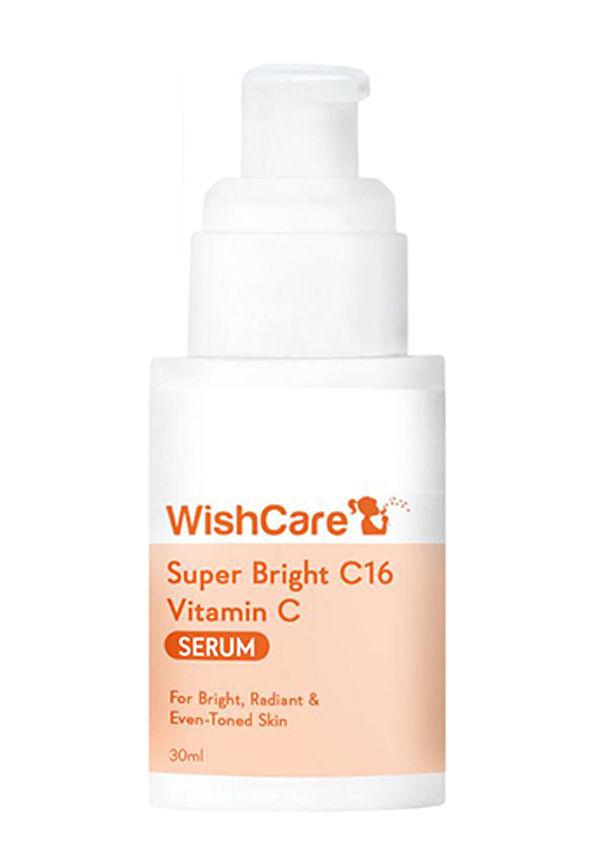
30 mlSuper Bright C16 Vitamin C Face Serum
Let's be real—you've probably been applying your face serum at completely random times, right? Maybe when you remember, or just whenever feels convenient. Here's the thing: when to apply face serum matters way more than you think. Your skin has its own schedule, and working with it (instead of against it) can literally double your serum's effectiveness. We're talking about maximising every drop of that precious bottle you invested in. Ready to discover the seven game-changing moments that'll transform your skincare routine? Let's dive into the science-backed timing that skincare pros swear by.
Your skin isn't just sitting there doing nothing all day—it's actually following a pretty sophisticated schedule. During the day, it's in protection mode, focusing on defending against UV rays, pollution, and environmental stressors. At night? That's when the real magic happens. Your skin switches to repair mode, working overtime to fix damage and regenerate cells. This natural rhythm affects how well your face serum application works. Think of it like this: applying a hydrating serum when your skin is naturally producing more oil might not give you the results you're after. But timing that same serum when your skin is thirsty? That's when you'll see real results. The biggest mistake people make is treating all serums the same. A vitamin C serum works differently than a retinol serum, and your skin absorbs them better at different times. Understanding how to use face serum properly means respecting these natural cycles. When you get the timing right, you're not just applying skincare—you're working with your skin's biology.
Mornings are prime time for certain types of serums, especially those designed to protect and energise your skin for the day ahead. Your skin has just spent 6-8 hours in repair mode, and it's ready for a fresh start.
This is when your skin is most receptive to antioxidant serums. After a night of cellular repair, your skin is primed to absorb protective ingredients like vitamin C, niacinamide, or hyaluronic acid. The morning serum benefits are all about creating a shield for the day ahead. Your skin's pH is also at its most balanced first thing in the morning, which means better absorption and less irritation. This is the best time to apply serum if you're using anything with active ingredients that might be sensitive to sunlight.
If you wear makeup, timing your serum application becomes even more crucial. Most serums need about 15-30 minutes to fully absorb before you can layer other products on top. Applying your serum too close to makeup application can cause pilling or make your foundation slide around. Lightweight, fast-absorbing serums work best under makeup. Think hyaluronic acid or vitamin C serums rather than heavy, oil-based formulas. This timing ensures your face serum routine enhances your makeup rather than competing with it.
Night-time is when your skin does its heaviest lifting in terms of repair and regeneration. This makes evening the perfect time for more intensive serums that support this natural process.
 30 ml
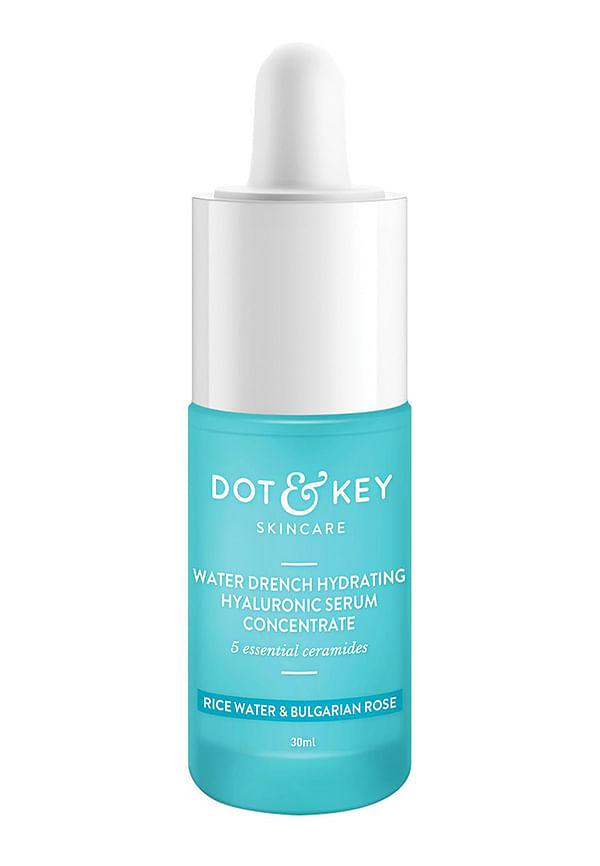
30 mlWater Drench Hydrating Hyaluronic Serum Concentrate
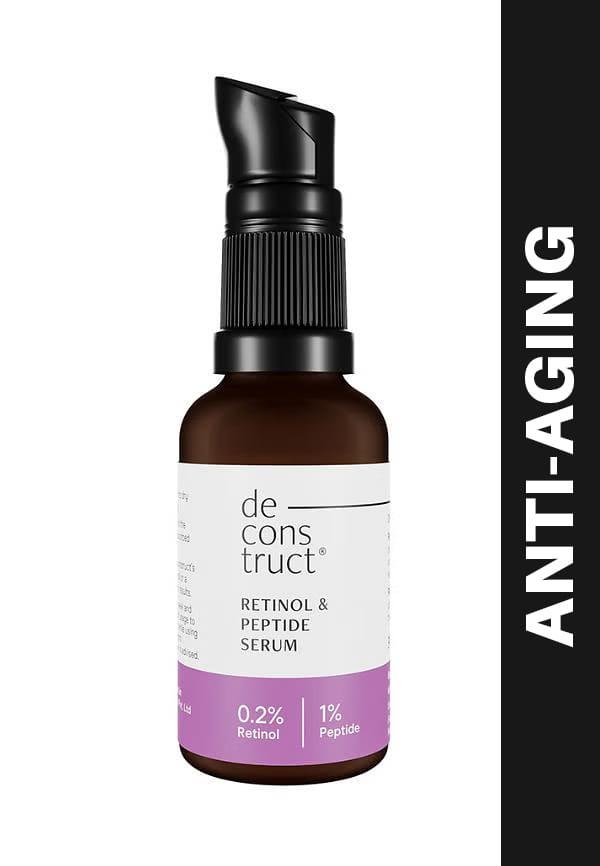
Here's something most people don't know: applying your serum right before bed isn't always optimal. Your skin's repair processes actually start ramping up around 8-10 PM, not when you're already asleep. This timing gives your serum a head start on the night's repair work. Night serum benefits are all about supporting regeneration. This is when you want to use retinol, peptides, or AHA/BHA serums. Your skin is less sensitive to potentially irritating ingredients at night, and you don't have to worry about sun sensitivity. The key is giving your serum time to work before you hit the pillow. Nobody wants to wake up with serum all over their pillowcase instead of absorbed into their skin.
This might sound random, but hear us out. After exercise, your circulation is boosted and your pores are open from sweating. Once you've cleansed away the sweat and bacteria, your skin is actually in a prime state for absorption. Just make sure you're using a gentle, hydrating serum rather than anything with strong actives. Your skin might be more sensitive post-workout, so save the retinol for later.
Knowing when to apply your serum is only half the battle. The order you apply your products can make or break your routine's effectiveness.
The golden rule of skincare routine order is simple: start with the thinnest consistency and work your way up to the thickest. This usually means cleanser, toner, serum, then moisturiser. But here's where people get confused about serum before or after moisturiser. Serums almost always go before moisturiser because they're formulated to penetrate deeper into your skin. Your moisturiser creates a protective barrier, so if you apply it first, your serum won't be able to do its job properly. The wait time between each step matters too. Give your serum about 60-90 seconds to absorb before applying your next product. This prevents pilling and ensures each product can work effectively.
Using multiple serums? The face serum order becomes even more important. Start with water-based serums (like hyaluronic acid), then move to oil-based ones. If you're using serums with active ingredients, space them out by at least 15 minutes to avoid irritation. Some serums play well together, others don't. Vitamin C and retinol, for example, can cancel each other out if used at the same time. This is why many people use vitamin C in the morning and retinol at night.
Your serum timing might need tweaking based on your specific situation and skin type.
 30 ml
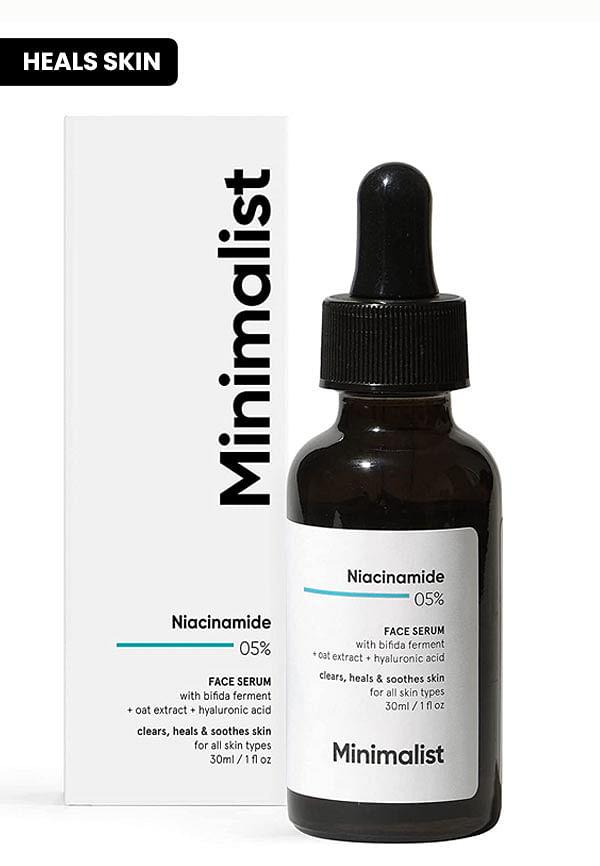
30 ml5% Niacinamide Face Serum For Glowing & Clear Skin With 1% Hyaluronic Acid
Your skin's needs change with the seasons, and so should your serum timing. In summer, you might want to focus on morning antioxidant serums to protect against increased UV exposure and pollution. Winter calls for more intensive evening hydration serums to combat dry air and heating systems. Humidity levels also affect absorption. In very humid climates, serums might take longer to absorb, so you'll need to adjust your timing accordingly.
Oily skin tends to produce more sebum in the morning, so evening serum application might be more effective. Dry skin, on the other hand, often benefits from twice-daily serum application—hydrating serums morning and night. Sensitive skin needs a gentler approach. Start with every other night application and gradually build up tolerance. Pay attention to how your skin responds and adjust timing accordingly.
The benefits of face serum aren't just about the ingredients—they're about consistency and timing. Most serums need at least 4-6 weeks of consistent use to show real results.
Week 1-2 is all about building tolerance and establishing your routine. Start with every other day application and pay attention to how your skin responds. Week 3-4 is when you'll start seeing the real benefits as your skin adjusts to the new routine. This is where platforms like Smytten become incredibly valuable. Instead of committing to full-size products that might not work for your skin, you can try mini versions from trusted brands like Dot & Key, Cetaphil, or Renee. With trial packs starting at just ₹249 for up to 8 minis, you can experiment with different serums and timing strategies without the financial risk.
Serum pilling usually means you're applying too much product or not waiting long enough between steps. If your serum isn't absorbing well, try applying it to slightly damp skin—this can help with penetration. Skin reactions often happen when you introduce new actives too quickly. If you experience irritation, scale back to every third night and gradually increase frequency as your skin builds tolerance.
It depends on the serum type. Antioxidant serums like vitamin C work best in the morning for protection, while repair serums like retinol are most effective at night. Hydrating serums can be used twice daily.
 30 ml
30 mlRetinol Face Serum with Peptide
Absolutely! Most serums are designed to be left on your skin. Night serums especially are formulated to work while you sleep, supporting your skin's natural repair processes.
Always before moisturiser. Serums are formulated to penetrate deeper into your skin, while moisturisers create a protective barrier. Applying serum after moisturiser prevents proper absorption.
Wait 60-90 seconds for your serum to fully absorb before applying moisturiser. This prevents pilling and ensures both products can work effectively.
Yes, but use different serums for morning and evening. Morning serums should focus on protection (vitamin C, antioxidants), while evening serums should support repair (retinol, peptides).
You won't see optimal results, and some ingredients might be less effective or even counterproductive. For example, using retinol in the morning can increase sun sensitivity.
Getting your serum timing right isn't just about following rules—it's about understanding your skin and working with its natural rhythms. The seven timing strategies we've covered can transform your skincare routine from random to strategic, helping you get the most out of every drop. Remember, finding the perfect serum and timing combination takes experimentation. This is where Smytten's trial platform becomes your skincare ally. With over 1,500 trusted brands and the ability to try multiple products without committing to full sizes, you can discover what works for your unique skin needs. Plus, with 100% cashback on trial purchases redeemable for future orders, experimenting with different serums becomes both affordable and rewarding. Your skin deserves products that work, applied at times that maximise their effectiveness. Why settle for maybe when you can try it all and find your perfect serum timing strategy?
