7 Best Sunscreens to Fade Dark Spots Naturally

Dark spots can feel like unwelcome guests that just won't leave your skin alone. Whether you're dealing with stubborn melasma, post-acne marks, or sun damage that's been building up over the years, finding the right sunscreen can be a proper game-changer. Here's the thing though—not all SPF is created equal when it comes to tackling hyperpigmentation. The best sunscreen for dark spots needs to do double duty: protect your skin from further damage while actively working to fade existing discolouration. Let's dive into the top picks that actually deliver on both fronts, because your skin deserves nothing less than the real deal.
Real talk—if you're trying to fade dark spots without proper sun protection, you're basically taking one step forward and two steps back. UV rays are like that toxic friend who makes everything worse, triggering your skin to produce even more melanin and darkening those spots you're desperately trying to lighten. The science behind this is pretty straightforward. When UV radiation hits your skin, it activates melanocytes (the cells that produce pigment) to go into overdrive. For skin that's already prone to hyperpigmentation, this means existing spots get darker and new ones can pop up faster than you can say "sunscreen for hyperpigmentation." That's why dermatologists always say that sun protection is the absolute foundation of any dark spot treatment routine.
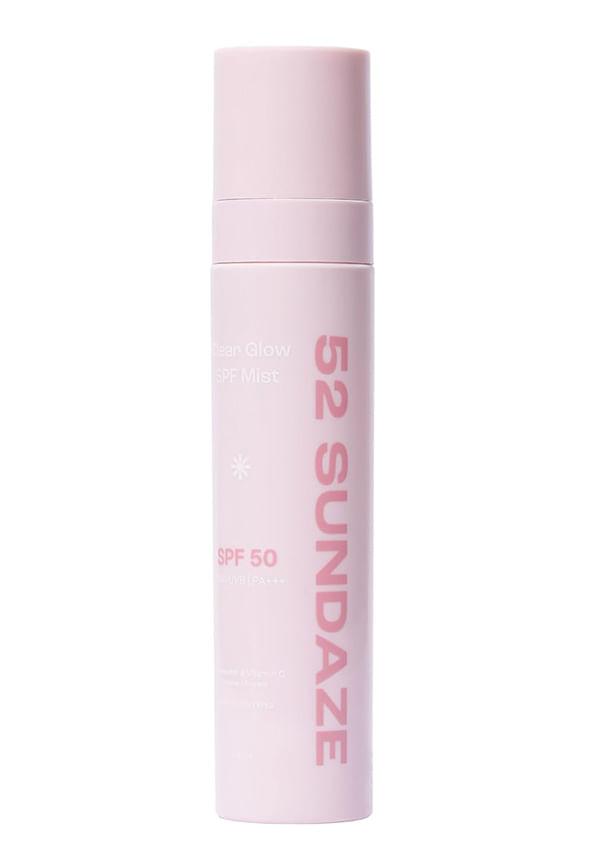 100 ml
Clear Glow SPF Mist - Rosewater
Even minimal sun exposure can undo weeks of progress from your brightening serums and treatments. UVA rays penetrate deep into the skin and are particularly sneaky because they can cause damage even through windows. UVB rays, meanwhile, are the ones responsible for sunburn and surface-level pigmentation changes.
Whilst treating existing dark spots is important, preventing new ones from forming is equally crucial. The most effective approach combines both strategies—using a sunscreen to prevent dark spots whilst incorporating active ingredients that work on existing pigmentation.
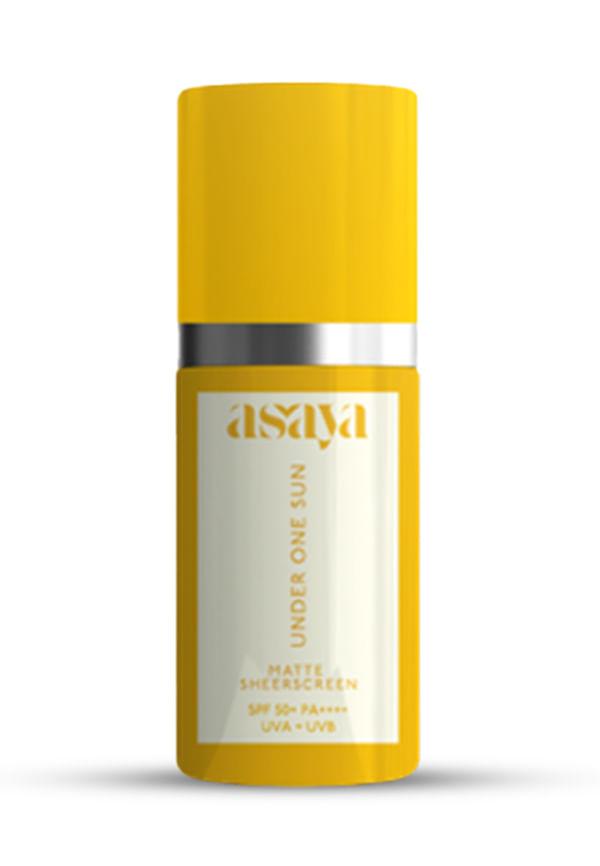 15 ml
15 mlInvisible Matte Sheerscreen SPF 50+
Not every sunscreen is cut out for the dark spot-fighting game. Regular SPF might protect you from burning, but when you're dealing with hyperpigmentation, you need something with a bit more oomph. The spf for dark spots needs to tick several boxes that your basic beach sunscreen probably doesn't even know exist. First up, broad-spectrum protection is non-negotiable. You need coverage against both UVA and UVB rays, with UVA being particularly important for preventing pigmentation. Then there's the SPF level—whilst SPF 30 is the minimum recommended by dermatologists, many experts suggest SPF 50 for hyperpigmentation-prone skin because you want that extra buffer of protection.
The real MVPs in the dark spot corrector sunscreen category are those that multitask. Look for formulas that include brightening ingredients like niacinamide, vitamin C, or alpha arbutin. These work to fade existing spots whilst the SPF prevents new damage.
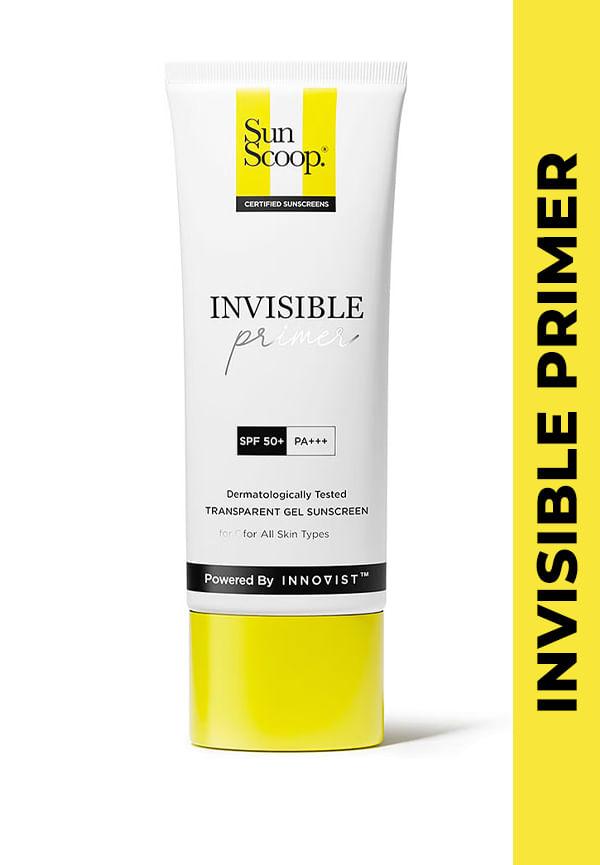 45 gm
45 gmInvisible Primer Sunscreen Gel SPF 50 PA+++ | SPF 50 Gel Sunscreen for Dry & Oily Skin
For sensitive skin dealing with pigmentation, mineral sunscreens (with zinc oxide and titanium dioxide) are often gentler and less likely to cause irritation that could worsen dark spots. Chemical sunscreens can be effective too, but some people find certain filters irritating.
Here's something most people don't know—visible light (like the blue light from your phone or computer) can also contribute to pigmentation, especially in people with melasma. Tinted sunscreens with iron oxides provide protection against this type of light damage.
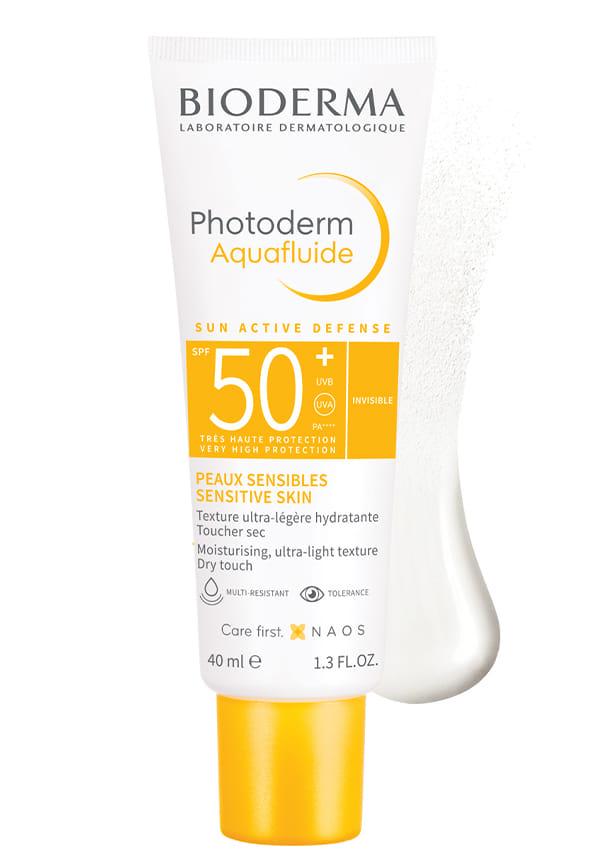 40 ml
40 mlPhotoderm Aquafluide SPF 50+ Neutre
After diving deep into formulations, user reviews, and dermatologist recommendations, here are the standout options that deserve a spot in your skincare routine. These aren't just any old sunscreens—they're specifically chosen for their ability to protect and improve hyperpigmented skin. Each of these picks brings something different to the table, whether it's budget-friendliness, luxury formulation, or specific benefits for certain skin types. The key is finding the one that fits your skin's needs and your lifestyle.
This powerhouse combines broad-spectrum SPF 50 with zinc oxide and a hefty dose of vitamin C. It's like having your morning vitamin C serum and sunscreen rolled into one step. The formula is lightweight enough for daily wear but protective enough for serious sun exposure. Users love how it doesn't leave that chalky white cast that many mineral sunscreens are notorious for.
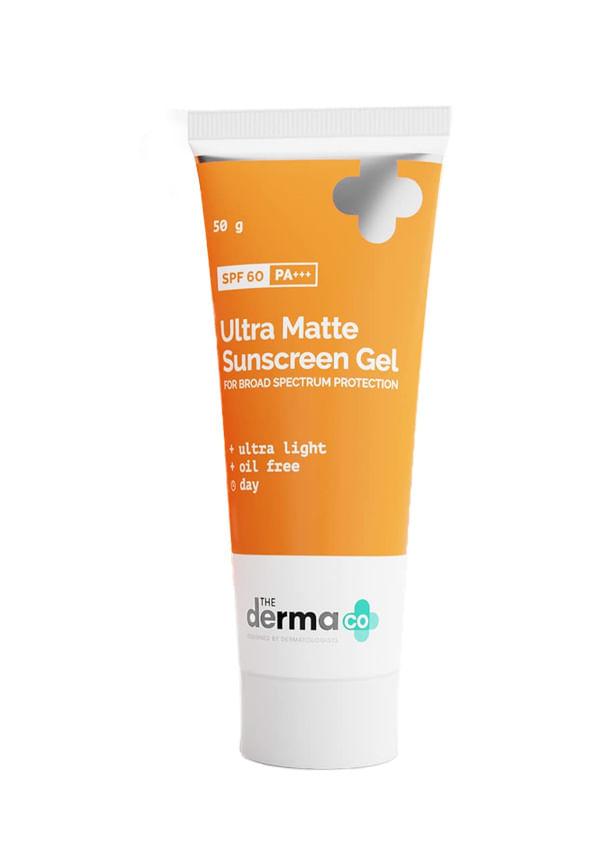 50 gm
50 gmUltra Matte Sunscreen Gel - SPF 60
Specifically designed for melasma and hormonal pigmentation, this sunscreen for melasma includes iron oxides that block visible light—a major trigger for melasma flare-ups. The tint comes in several shades and provides light coverage whilst delivering serious protection. It's particularly brilliant for those who want to skip foundation on casual days.
Proof that effective doesn't have to mean expensive, this chemical sunscreen packs niacinamide and SPF 50 into an affordable package. It's lightweight, absorbs quickly, and works well under makeup. The niacinamide helps with both brightening and oil control, making it a solid choice for combination skin dealing with post-acne marks.
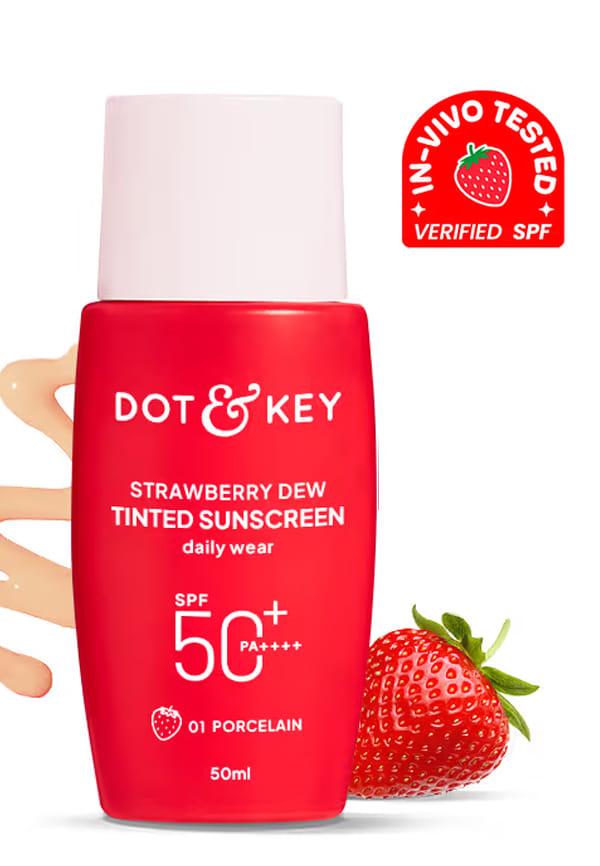 50 ml
50 mlStrawberry Dew Tinted Sunscreen, In-Vivo Tested SPF 50+ PA++++
This fragrance-free, hypoallergenic formula is designed for reactive skin that still needs serious pigmentation protection. With SPF 40 and a gentle mineral base, it provides effective protection without irritation. The sunscreen for sensitive skin category can be tricky, but this one manages to be both gentle and effective.
Combining sun protection with anti-ageing benefits, this formula includes peptides and alpha arbutin alongside SPF 50. It's designed for mature skin dealing with age spots and sun damage. The texture is rich but not heavy, and it works beautifully as a makeup base.
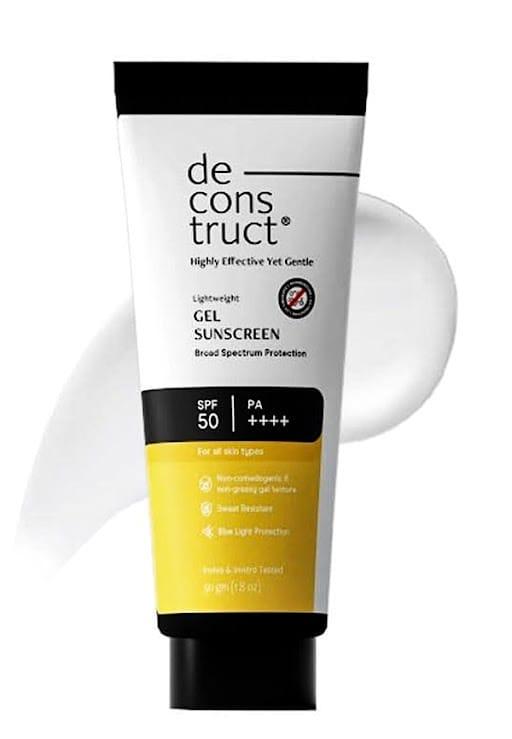 50 gm
50 gmLightweight Gel Sunscreen- SPF 50+ and PA+++
Oily, acne-prone skin with dark spots needs special attention, and this oil-free formula delivers. With SPF 50, niacinamide, and a mattifying finish, it controls shine whilst protecting and brightening. It's particularly good for those dealing with post-inflammatory hyperpigmentation from breakouts.
This premium formula combines multiple active ingredients with high-level sun protection. Think vitamin C, kojic acid, and broad-spectrum SPF 50+ in one elegant package. It's an investment, but for those serious about tackling stubborn pigmentation, it might be worth the splurge.
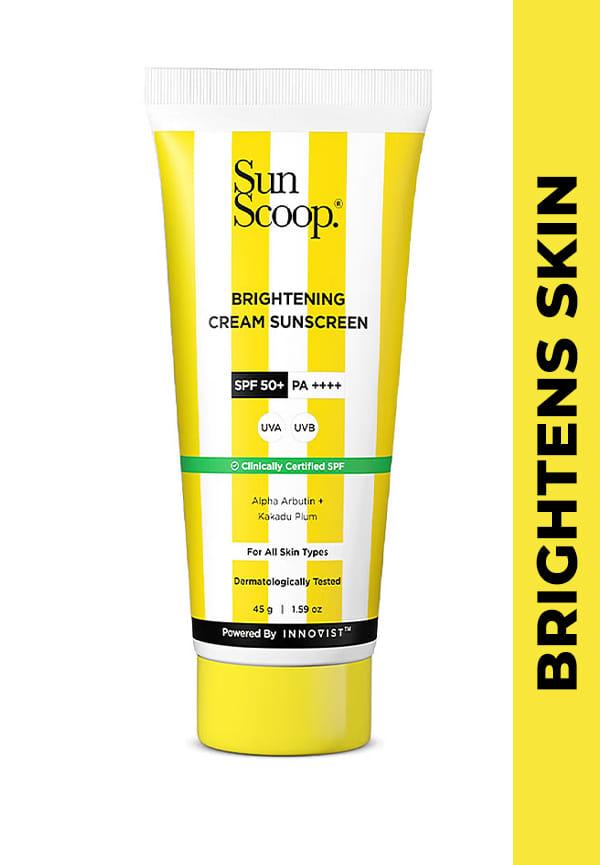 45 ml
45 ml3% Niacinamide Fluid Sunscreen SPF 50+ PA++++
Having the right product is only half the battle—using it correctly is where the magic really happens. Most people don't apply nearly enough sunscreen, which means they're not getting the protection level stated on the bottle. For your face and neck, you need about a quarter teaspoon of product. That might seem like loads, but it's what's needed for proper sun protection for dark spots. Reapplication is another area where people often fall short. Even the best sunscreen loses effectiveness throughout the day, especially if you're touching your face, sweating, or spending time outdoors. Aim to reapply every two hours, or more frequently if you're active.
If you're using other dark spot treatments like vitamin C serums or retinoids, timing matters. Generally, apply your treatment products first, let them absorb, then follow with your sunscreen for discoloration. This ensures both products can do their job effectively.
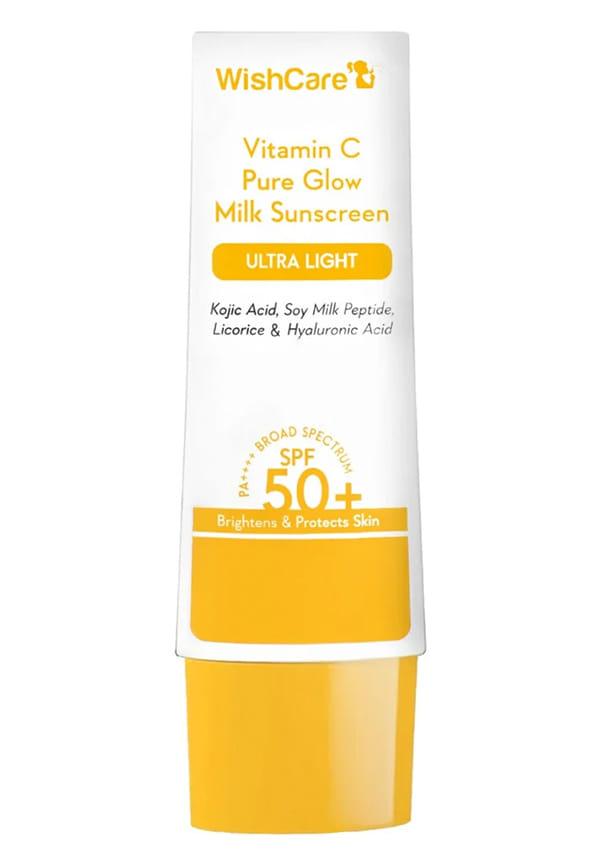 50 gm
50 gmVitamin C Pure Glow Face Sunscreen SPF 50 PA++++
Your sun protection needs might change with the seasons. Summer might call for a higher SPF or more frequent reapplication, whilst winter might allow for a lighter formula. However, don't make the mistake of skipping sunscreen entirely during cooler months—UV rays are present year-round.
Whilst we've talked about what to look for, it's equally important to know what to avoid. Some ingredients can actually make pigmentation worse or cause irritation that leads to more dark spots. Fragrances and essential oils are common culprits—they might smell lovely, but they can trigger inflammation in sensitive skin. Alcohol-based formulas can be overly drying and irritating, especially when you're using other active ingredients for dark spot treatment. Some chemical sunscreen filters can also cause photosensitivity reactions in certain people, which is the last thing you want when dealing with pigmentation issues.
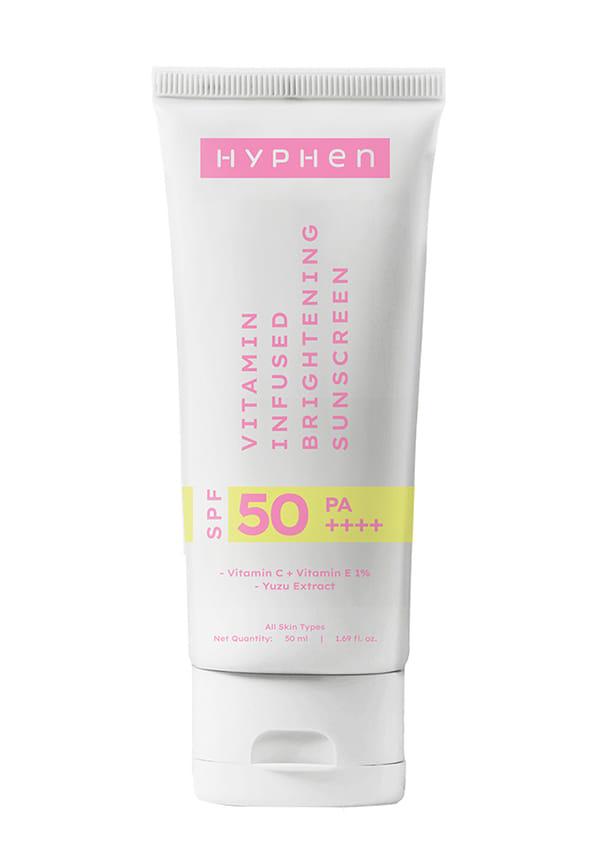 50 ml
50 mlVitamin Infused Brightening Sunscreen SPF 50 PA++++ | For Brightened Skin
Your best sunscreen for face is just one piece of the puzzle. A comprehensive approach to tackling dark spots includes gentle cleansing, targeted treatments, proper moisturising, and of course, diligent sun protection. The key is consistency—sporadic use won't give you the results you're after. Morning routines should focus on protection and prevention, whilst evening routines can incorporate more active treatments like retinoids or AHAs. Remember that some ingredients can increase photosensitivity, making your sunscreen even more crucial. When you're exploring new products for your routine, platforms like Smytten make it easier to try before you commit. With curated trial packs from over 1,500 trusted brands, you can test different sunscreens and treatments to find what works best for your skin. This approach is particularly valuable when dealing with hyperpigmentation, as what works for one person might not work for another.
Whilst sunscreen primarily prevents further darkening, many modern formulas include active ingredients like niacinamide or vitamin C that can help fade existing spots over time. The main job of sunscreen is prevention, but the right formula can offer treatment benefits too.
Dermatologists typically recommend SPF 50 for hyperpigmentation-prone skin. Whilst SPF 30 provides adequate protection for most people, the extra protection from SPF 50 gives you more buffer against the UV exposure that can worsen dark spots.
Prevention results are immediate—you're stopping further damage from day one. For fading existing spots, you'll typically need 8-12 weeks of consistent use to see noticeable improvement, especially when combined with other brightening treatments.
Whilst the basic sun protection needs are similar, certain formulations work better for specific concerns. Melasma benefits from tinted sunscreens with iron oxides, whilst post-acne marks might respond well to formulas with niacinamide.
Absolutely! Most modern sunscreens are designed to work well under makeup. Look for formulas that dry to a smooth finish and give them a few minutes to set before applying your makeup.
Finding the right sunscreen for dark spots isn't just about slapping on any old SPF and hoping for the best. It's about understanding your skin's specific needs and choosing a formula that protects whilst actively working to improve your complexion. Whether you're dealing with melasma, post-acne marks, or general sun damage, there's a sunscreen for uneven skin tone that can help. The journey to clearer, more even skin takes patience and consistency, but with the right protection in place, you're setting yourself up for success. Remember that everyone's skin is different, so what works brilliantly for your friend might not be your perfect match. That's where trial and exploration become invaluable—and why platforms like Smytten, with their extensive range of trial packs from trusted skincare brands, can be such a game-changer in finding your ideal products. With over 25 million users discovering their perfect skincare matches through trial minis, you're in good company when you choose to explore rather than settle. After all, when it comes to protecting and improving your skin, why settle for 'maybe' when you can try it all and find what truly works for you?
