7 Best Sunscreens to Fade Dark Spots & Hyperpigmentation
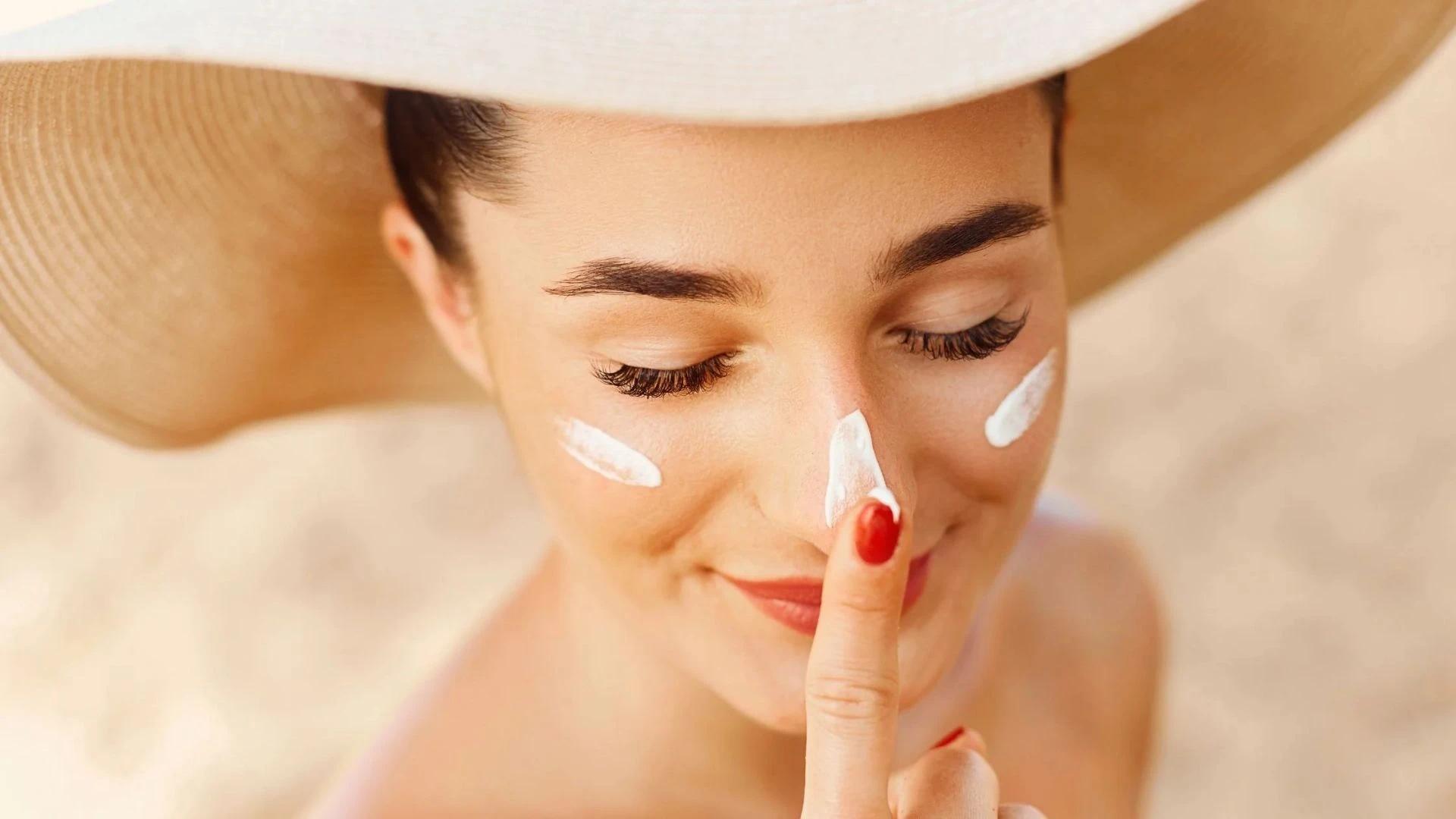

Dark spots and uneven skin tone can feel like unwelcome guests that just won't leave. Whether it's melasma from hormonal changes, post-acne marks, or sun damage from years past, hyperpigmentation affects millions of us. Here's the thing though—whilst you're busy hunting for the perfect serum or treatment, the most crucial step might be sitting right there in your morning routine. The best sunscreen for hyperpigmentation isn't just about protection; it's your first line of defence against making existing dark spots worse and preventing new ones from popping up. Let's dive into the top picks that actually work, backed by dermatologists and real results.
Real talk—if you're not using sunscreen daily, any hyperpigmentation treatment you're doing is basically like trying to fill a bucket with holes in it. UV exposure is the biggest culprit behind worsening dark spots, and here's why that matters for your skin.
When UV rays hit your skin, they trigger melanocytes (the cells that produce pigment) to go into overdrive. For skin that's already dealing with hyperpigmentation, this means those dark spots get darker, and new ones can form faster than you'd like. Studies show that even minimal sun exposure can undo months of treatment progress, which is honestly frustrating but totally preventable.
Melasma appears as symmetrical brown patches, usually on the face, and is often triggered by hormonal changes. It's particularly stubborn and loves to come back with sun exposure.
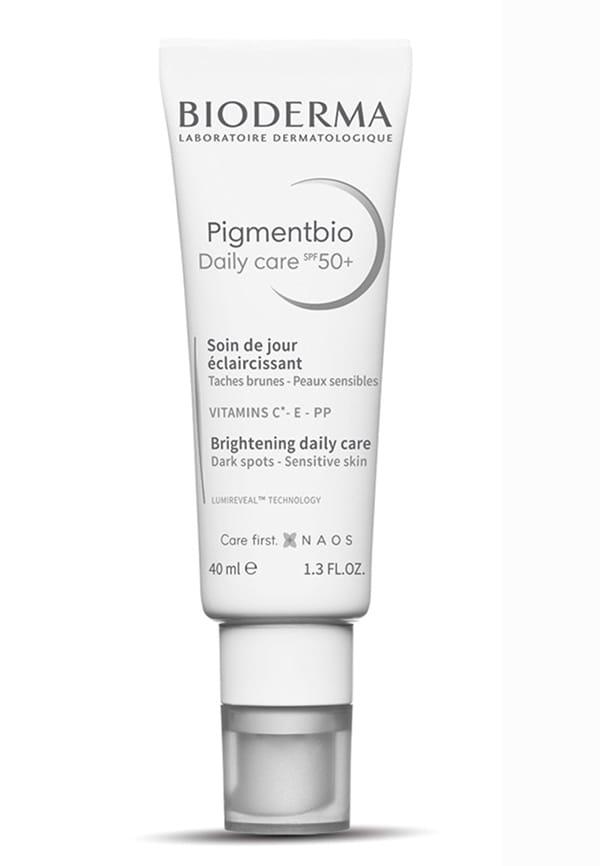 40 ml
40 mlPigmentbio Daily Care SPF 50+ Brightening Cream for Dark Spots & Senstive Skin
Post-inflammatory hyperpigmentation (PIH) shows up after acne, cuts, or any skin trauma. These spots can range from pink to deep brown depending on your skin tone.
Age spots and sun damage develop over time from cumulative UV exposure, typically appearing on areas that see the most sun like your face, hands, and shoulders.
Not all sunscreens are created equal when it comes to tackling hyperpigmentation. The best sunscreen for face protection against dark spots needs specific qualities that go beyond basic UV protection.
First up, broad-spectrum protection is non-negotiable. You need coverage against both UVA rays (which penetrate deeper and cause long-term damage) and UVB rays (which cause burning). UVA rays are particularly sneaky because they can penetrate through windows and clouds, making daily protection essential even when you're indoors or it's cloudy outside.
SPF 30 or higher is your minimum for hyperpigmentation concerns. Whilst SPF 15 might be fine for brief exposure, skin dealing with pigmentation issues needs that extra protection. SPF 30 blocks about 97% of UVB rays, whilst SPF 50 blocks about 98%—that extra percentage matters when you're trying to prevent dark spots.
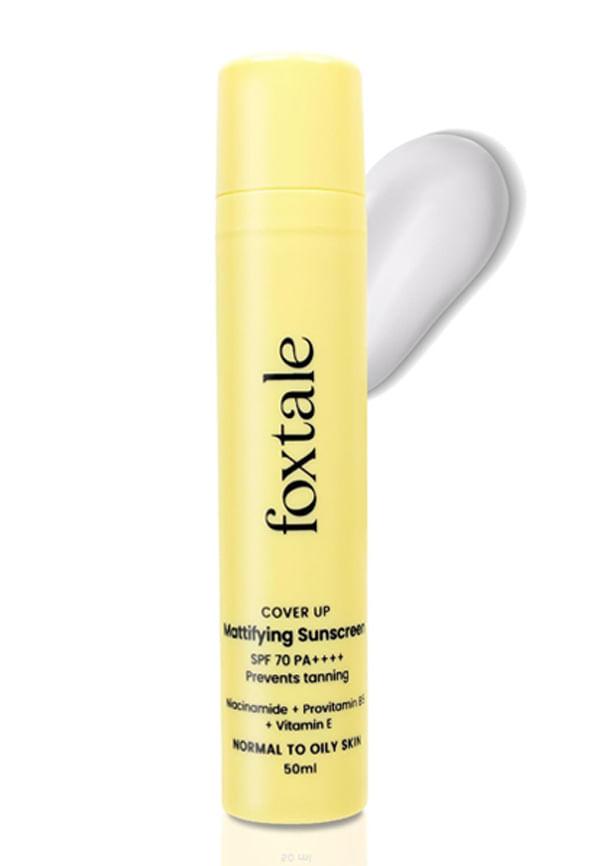 50 ml
50 mlSPF 70 Matte Finish Sunscreen for Oily Skin
Zinc oxide and titanium dioxide are your best mates for sensitive, hyperpigmented skin. These mineral sunscreen for hyperpigmentation options sit on top of your skin and physically block UV rays, making them less likely to cause irritation.
Iron oxides are game-changers for melasma because they protect against visible light from screens and indoor lighting, which can also trigger pigmentation.
Antioxidants like vitamin C and niacinamide in sunscreen formulas provide bonus benefits by fighting free radical damage and supporting skin brightening.
After testing countless formulas and consulting dermatologist recommendations, these seven sunscreen for dark spots options consistently deliver results. Each one tackles hyperpigmentation from a different angle, so you can find your perfect match.
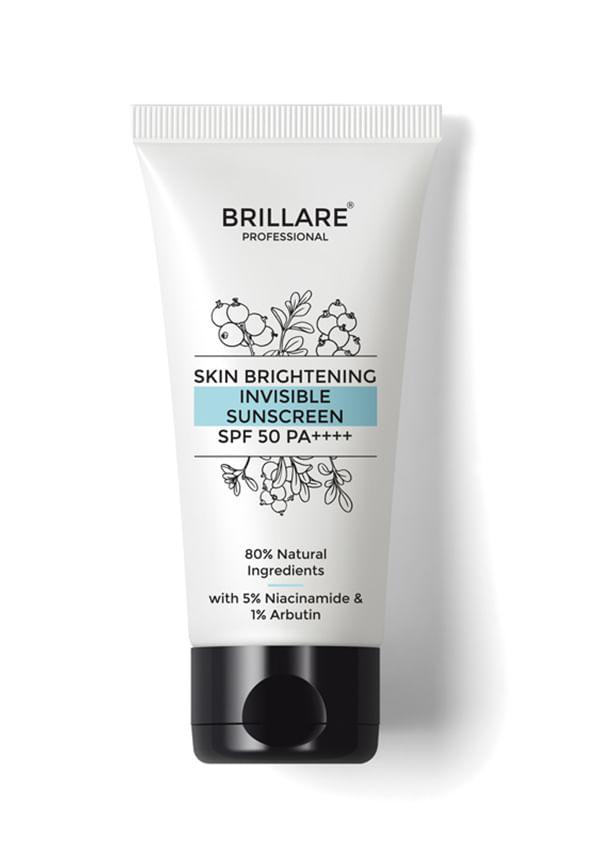 50 gm
50 gmSkin Brightening Sunscreen SPF50 With Niacinamide
This powerhouse combines SPF 50 zinc oxide protection with vitamin C and niacinamide. The formula feels lightweight despite being mineral-based, and the added antioxidants help brighten existing dark spots whilst preventing new ones. Perfect for daily use and works well under makeup. Best for all skin types dealing with various forms of hyperpigmentation.
What makes this sunscreen for melasma special is the iron oxide content that blocks visible light—a major melasma trigger that regular sunscreens miss. The tint helps even out skin tone immediately whilst providing SPF 45 protection. The formula is specifically designed for hormonal pigmentation and won't clog pores.
Finally, a sunscreen that doesn't leave a white cast on deeper skin tones. This SPF 60 formula uses chemical filters that blend seamlessly into dark skin whilst providing superior protection against UV-induced hyperpigmentation. The lightweight texture absorbs quickly and works brilliantly as a makeup base.
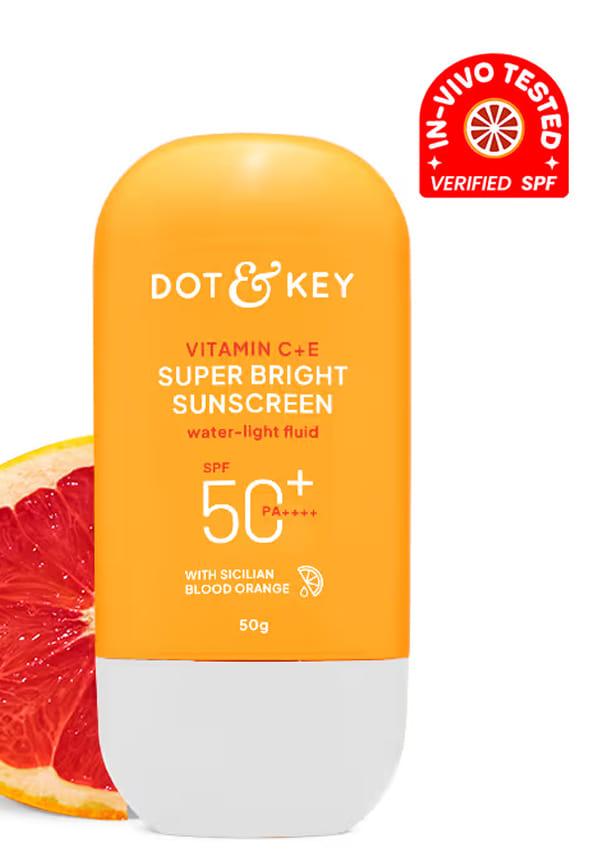 50 gm
50 gmVitamin C + E Sunscreen, IN-VIVO Tested SPF 50+ PA++++
Proving that effective sun protection for hyperpigmentation doesn't have to break the bank, this SPF 30 formula delivers solid broad-spectrum protection for under £15. It's fragrance-free, gentle enough for sensitive skin, and perfect for consistent daily use without the financial stress.
When your skin is reactive from treatments or naturally sensitive, this non-comedogenic sunscreen for hyperpigmentation is your safe space. SPF 40 zinc oxide protection in a hypoallergenic, fragrance-free formula that won't irritate or cause breakouts. Ideal for post-treatment care.
Why choose between protection and treatment? This innovative formula combines SPF 35 with kojic acid and arbutin to actively work on fading dark spots whilst preventing new ones. It's like getting your hyperpigmentation treatment and sun protection in one step.
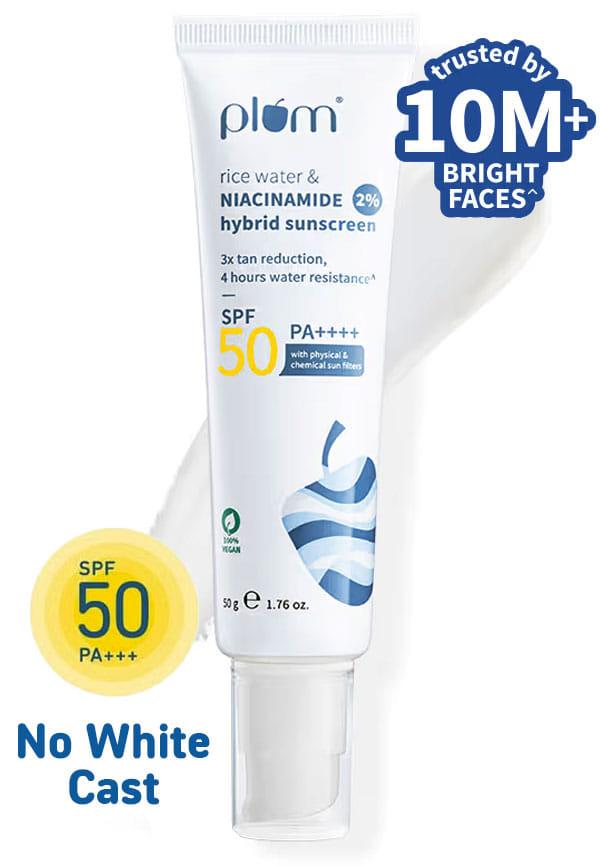 50 gm
50 gm2% Niacinamide & Rice Water Hybrid Face Sunscreen with SPF 50 PA+++
This spf for hyperpigmentation feels more like a primer than traditional sunscreen. The ultra-light texture absorbs instantly, leaving a smooth, matte finish that's perfect under makeup. SPF 50 protection in a formula that you'll actually want to use every single day.
Finding your perfect sunscreen for uneven skin tone depends on understanding your skin's specific needs. Different skin types and pigmentation patterns respond better to certain formulations, and getting this match right makes all the difference in your results.
For oily or acne-prone skin, look for non-comedogenic formulas that won't clog pores. Gel-based or fluid sunscreens often work better than thick creams. Chemical sunscreens tend to feel lighter, but make sure they're specifically labelled as non-comedogenic.
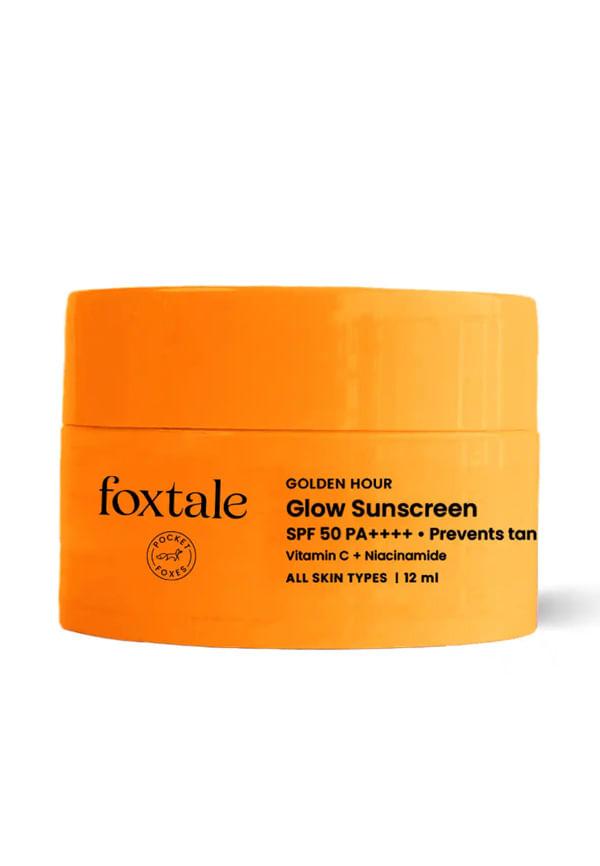 12 gm
12 gmGolden Hour Glow Sunscreen
Black and brown skin often deals with post-inflammatory hyperpigmentation more intensely, making consistent sun protection crucial. Look for sunscreens without white cast—chemical formulas or tinted minerals work best.
Asian skin types frequently struggle with melasma and need formulas with iron oxides for visible light protection. Lightweight textures that layer well with other skincare products are typically preferred.
Fair skin with hyperpigmentation needs high SPF protection as even minimal exposure can worsen dark spots. Mineral formulas often work well as they're less likely to cause sensitivity.
Having the right sunscreen to prevent dark spots is only half the battle—how you apply it determines whether you're getting the protection promised on the bottle. Most people use way less sunscreen than needed, which dramatically reduces effectiveness.
The magic number is 1/4 teaspoon for your face and neck. That might seem like loads, but it's what you need for proper SPF protection. Apply it as the last step in your morning skincare routine, about 15 minutes before sun exposure to let it set properly.
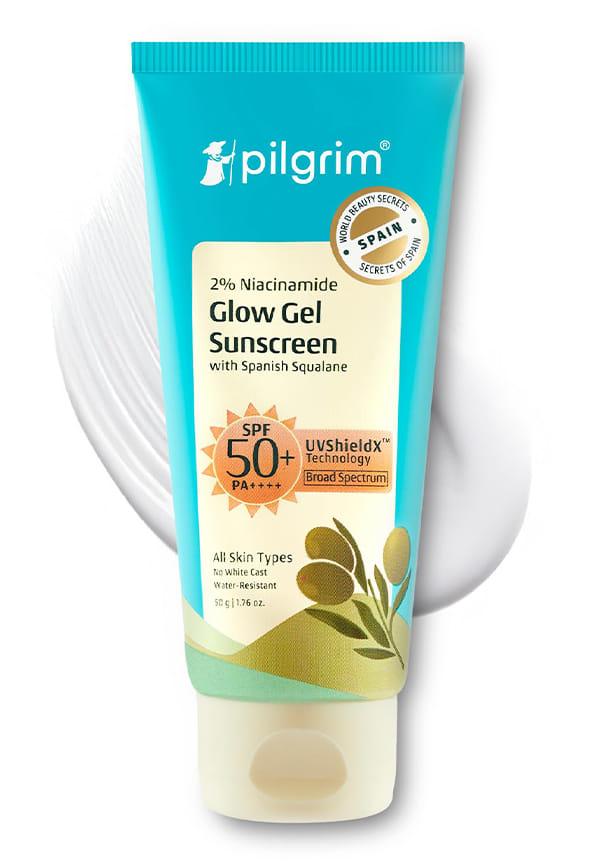 50 gm
50 gm2% Niacinamide Glow Sunscreen Spf 50 Pa+++
Skipping the hairline and ears is a classic mistake that leads to new dark spots in these often-forgotten areas.
Not reapplying every two hours means your protection degrades throughout the day, especially if you're touching your face or sweating.
Applying over dirty skin can reduce adherence and effectiveness. Always start with clean skin for best results.
Sunscreen works best as part of a comprehensive approach to managing hyperpigmentation. Your morning routine should include a gentle cleanser, any treatment serums (like vitamin C), moisturiser if needed, and then your sunscreen as the final step.
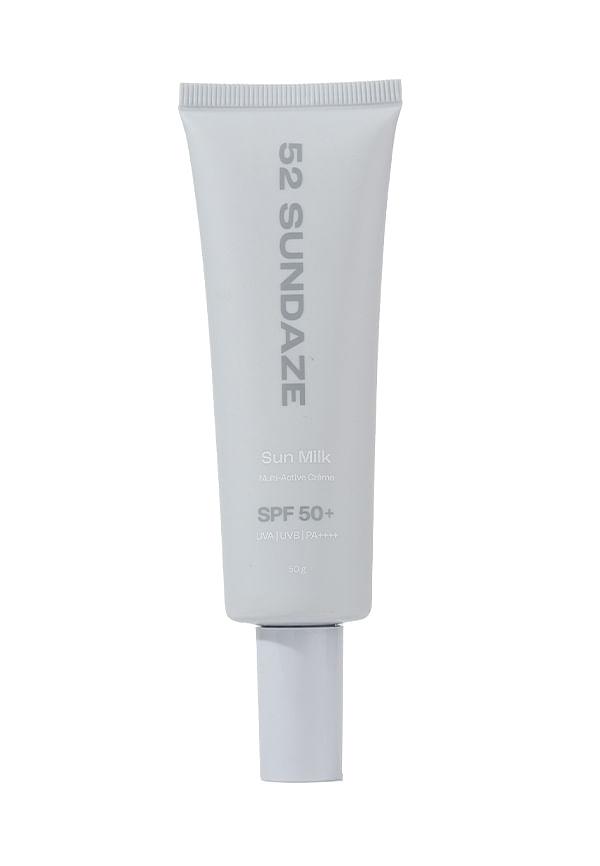 50ml
50mlSPF 50 Sun Milk Multi Active Crème Sunscreen PA++++
Evening routines can include stronger actives like retinoids or hydroquinone, but always follow up with sunscreen the next morning as these ingredients can increase photosensitivity. This is where platforms like Smytten become incredibly valuable—you can try different treatment products and sunscreen combinations through trial sizes before committing to full-size purchases.
Vitamin C serums applied before sunscreen can boost antioxidant protection and support skin brightening.
Niacinamide helps reduce inflammation and can improve the appearance of hyperpigmentation when used consistently under sunscreen.
Hyaluronic acid provides hydration without interfering with sunscreen application, making it perfect for dry skin types.
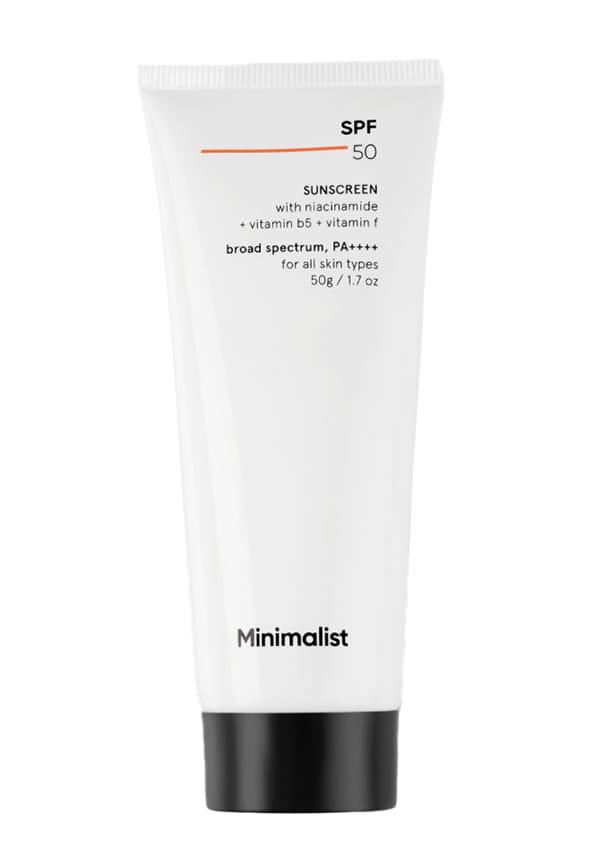 50 gm
50 gmSPF 50 PA ++++ Sunscreen With Multi-Vitamin For Reducing Photoaging
Broad-spectrum mineral sunscreens with SPF 30 or higher work best for pigmentation concerns. Look for zinc oxide or titanium dioxide as active ingredients, and consider tinted formulas with iron oxides for melasma protection.
The best sunscreen for hyperpigmentation offers broad-spectrum protection with SPF 30 minimum, contains gentle ingredients that won't irritate sensitive skin, and ideally includes antioxidants or skin-brightening components.
Sunscreen prevents hyperpigmentation from worsening and stops new dark spots from forming, but it won't actively fade existing spots. You'll need additional treatments like vitamin C, retinoids, or professional procedures for fading.
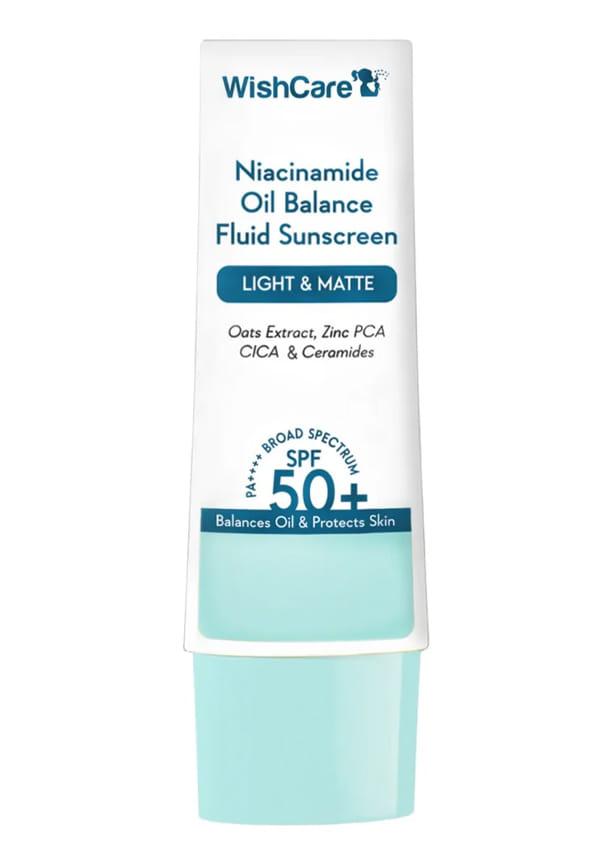 50 gm
50 gmWishCare Niacinamide Oil Balance Sunscreen SPF 50 PA++++ - In-Vivo Tested
SPF 50 provides slightly better protection (98% vs 97% UVB blocking), which can be beneficial for hyperpigmentation-prone skin. However, proper application and daily use of SPF 30 is more important than occasionally using SPF 50.
Mineral sunscreens are often recommended for melasma because they're less likely to cause irritation and some contain iron oxides that protect against visible light. However, chemical sunscreens can work well if they don't irritate your skin.
Finding the right sunscreen for hyperpigmentation might feel overwhelming with so many options, but remember—the best sunscreen is the one you'll actually use every single day. Whether you go for a budget-friendly option or invest in a treatment-boosted formula, consistency trumps everything else.
The journey to clearer, more even skin takes time, and sunscreen is your daily insurance policy against setbacks. With Smytten's trial packs, you can explore different sunscreen formulas from trusted brands like Cetaphil and Dot & Key without committing to full sizes. This way, you can find your perfect match through actual testing rather than guesswork. After all, when it comes to protecting your skin and fading those stubborn dark spots, why settle for 'maybe' when you can try it all?
