7 Best Skin Care Ingredients for Radiant Skin


Let's be real—skincare can feel like a maze of confusing labels and endless product claims. But here's the thing: whilst the beauty world loves to overcomplicate things, dermatologists have been quietly agreeing on a handful of ingredients that actually deliver results. These aren't trendy newcomers or flashy innovations—they're the tried-and-tested heroes that have earned their place in every serious skin care routine. Whether you're dealing with acne, signs of ageing, or just want that healthy glow, these seven dermatologist recommended ingredients are your ticket to radiant skin. Ready to discover what actually works?
Here's what sets these best skin care ingredients apart from the rest: they've got decades of research backing them up. Unlike trendy ingredients that come and go, these powerhouses have been studied extensively and consistently deliver measurable results. Dermatologists love them because they work on multiple levels—addressing everything from surface concerns to deeper skin health issues.
What makes an ingredient truly effective? It needs to penetrate the skin barrier, target specific cellular processes, and show visible improvements over time. These seven ingredients tick all those boxes. They're not just marketing magic—they're science-backed solutions that can transform your skin when used correctly. Plus, they play well together, meaning you can build a comprehensive skin care routine without worrying about ingredient conflicts.
 30 ml
30 ml0.1% Retinol Serum
Now let's dive into the ingredients that dermatologists swear by. Each one brings something unique to the table, and understanding how they work will help you make smarter choices for your skin.
If there's one ingredient that dermatologists universally agree on, it's retinol. This vitamin A derivative is the gold standard for anti-aging ingredients, and for good reason. It works by speeding up cell turnover, which means fresher, younger-looking skin rises to the surface more quickly.
Retinol doesn't just tackle fine lines—it's brilliant for acne treatment too. It helps unclog pores and reduces inflammation, making it perfect for anyone dealing with both breakouts and signs of ageing. For sensitive skin care, start with a low concentration (0.25% or 0.5%) and use it just once or twice a week initially. Your skin needs time to build tolerance, so patience is key.
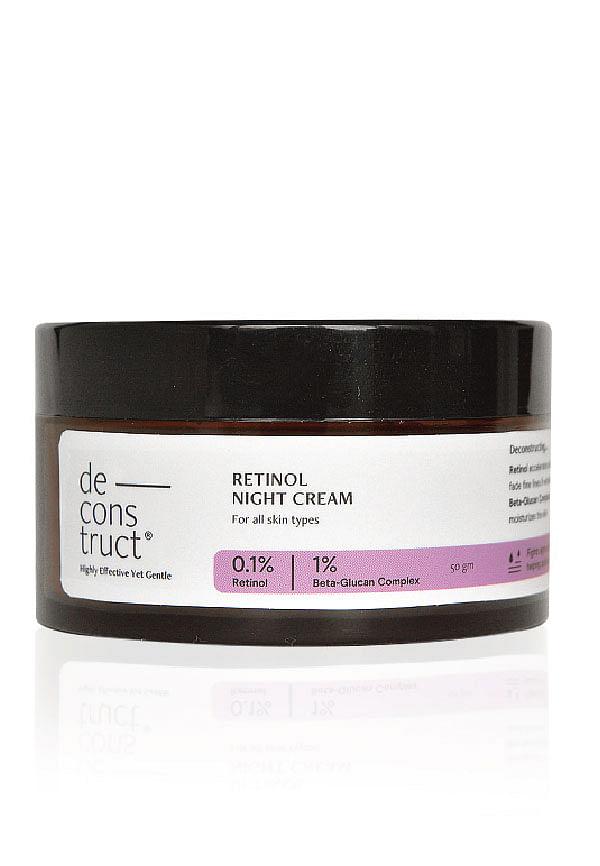 50 gm
50 gmRetinol night cream - 0.1% Retinol + 1% Beta-Glucan Complex
When it comes to skin brightening and protection, vitamin C is your best mate. This powerful antioxidant doesn't just defend against environmental damage—it actively works to fade dark spots and boost collagen production. The result? Brighter, firmer skin that looks healthier overall.
L-ascorbic acid is the most potent form, but it can be irritating for some. If you have sensitive skin, look for magnesium ascorbyl phosphate or sodium ascorbyl phosphate instead. These gentler forms still deliver results without the potential irritation. Use vitamin C in your morning routine for maximum antioxidant protection throughout the day.
Niacinamide is basically the Swiss Army knife of skincare ingredients. This form of vitamin B3 regulates oil production, minimises pores, and reduces inflammation—making it perfect for acne treatment and sensitive skin care. It's one of the few ingredients that works well for virtually every skin type.
What makes niacinamide special is its versatility. It plays nicely with other ingredients, so you can layer it with retinol, vitamin C, or acids without worry. Start with a 5% concentration—it's effective without being overwhelming. You'll notice calmer, more balanced skin within a few weeks of consistent use.
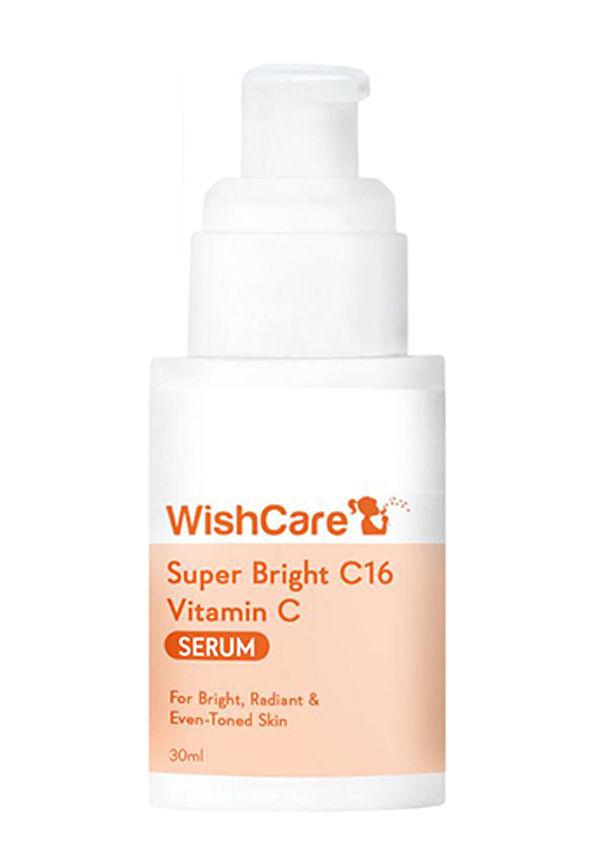 30 ml
30 mlSuper Bright C16 Vitamin C Face Serum
Think of hyaluronic acid as your skin's personal hydration assistant. This naturally occurring molecule can hold up to 1,000 times its weight in water, making it the ultimate ingredient for skin hydration. It works by drawing moisture from the environment and deeper skin layers to plump up the surface.
The beauty of hyaluronic acid lies in its simplicity—it's suitable for all skin types and rarely causes irritation. For best results, apply it to damp skin and follow with a moisturiser to lock in the hydration. Look for products with different molecular weights for maximum penetration and surface hydration.
Salicylic acid is the ultimate exfoliating ingredient for anyone dealing with clogged pores or acne. Unlike other acids that work on the surface, this beta-hydroxy acid (BHA) can penetrate deep into pores to dissolve the gunk that causes breakouts.
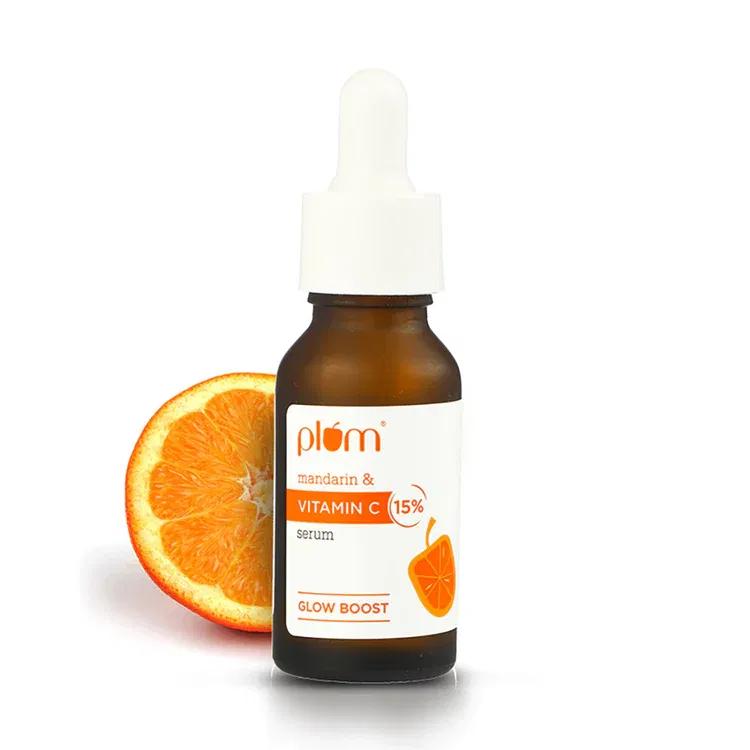 20 ml
20 ml15% Vitamin C Face Serum with Mandarin
What sets salicylic acid apart from alpha-hydroxy acids is its oil-soluble nature. This means it can cut through sebum and dead skin cells more effectively. Start with a 0.5% concentration and gradually work up to 2% if your skin tolerates it well. Use it in the evening and always follow with SPF during the day.
AHAs like glycolic and lactic acid are your go-to exfoliating ingredients for surface renewal and skin brightening. They work by loosening the bonds between dead skin cells, revealing the fresh, radiant skin underneath. Regular use leads to smoother texture and a more even skin tone.
Glycolic acid is the strongest AHA, whilst lactic acid is gentler and more hydrating. If you're new to acids, start with lactic acid once a week and gradually increase frequency. Remember, AHAs make your skin more sun-sensitive, so daily SPF is non-negotiable when using these ingredients.
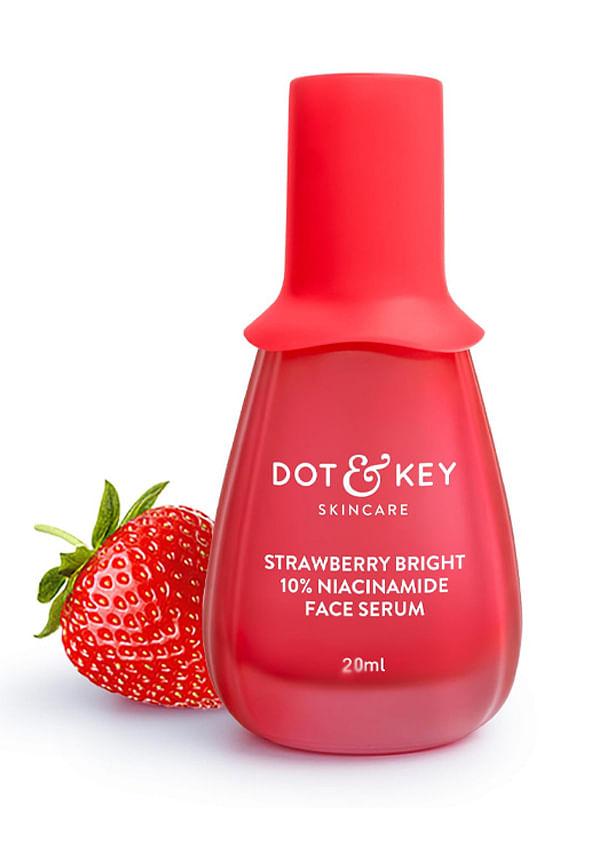 20ml
20mlStrawberry Bright 10% Niacinamide Face Serum
Peptides are the unsung heroes of anti-aging ingredients. These short chains of amino acids signal your skin to produce more collagen and elastin, essentially telling it to repair and rebuild itself. They're particularly effective for improving skin firmness and reducing fine lines over time.
Unlike some other actives, peptides are gentle and work well with sensitive skin care routines. They're also excellent team players—you can use them alongside retinol, vitamin C, or acids without any issues. Look for products containing multiple types of peptides for comprehensive skin repair benefits.
Now that you know the best skin care ingredients, let's talk about how to actually use them. The key is starting slowly and building up gradually—your skin needs time to adjust to new actives.
For beginners, start with just one active ingredient and use it 2-3 times per week. Once your skin is comfortable (usually after 4-6 weeks), you can introduce a second ingredient. Morning routines should focus on protection with vitamin C and SPF, whilst evenings are perfect for repair ingredients like retinol or acids.
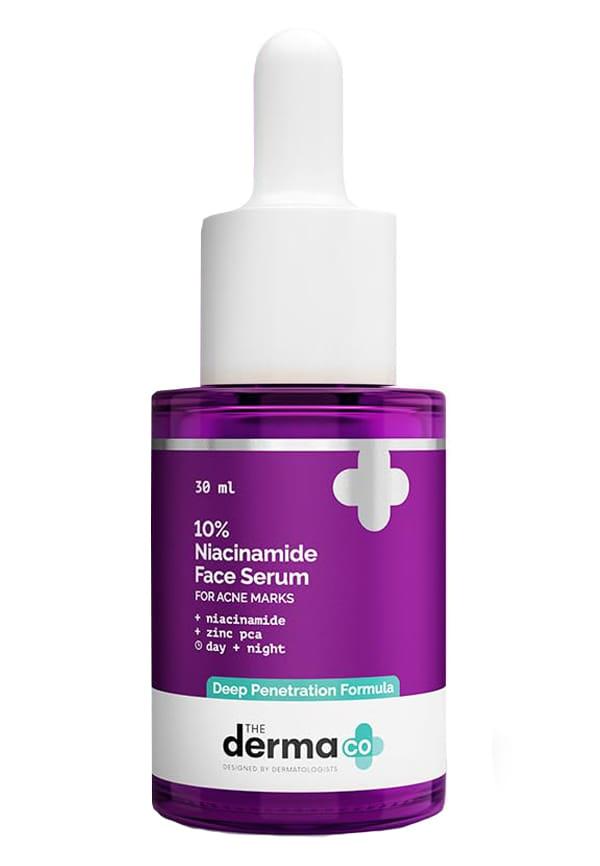 30 ml
30 ml10% Niacinamide Serum
Here's a simple layering order: cleanse, apply water-based serums (like niacinamide or hyaluronic acid), follow with oil-based treatments (like retinol), and finish with moisturiser. Always apply products from thinnest to thickest consistency for maximum absorption.
Mixing dermatologist recommended ingredients can amplify results, but some combinations are better than others. The golden rule? Never use retinol with acids on the same night—this can lead to serious irritation and compromise your skin barrier.
Safe combinations include vitamin C with niacinamide (despite old myths suggesting otherwise), hyaluronic acid with literally everything, and peptides with most other ingredients. If you want to use both retinol and acids, alternate nights or use acids in the morning and retinol at night.
pH matters too—vitamin C works best at a low pH (around 3.5), whilst niacinamide prefers a neutral pH. If you're using both, wait 15-20 minutes between applications or use them at different times of day for optimal effectiveness.
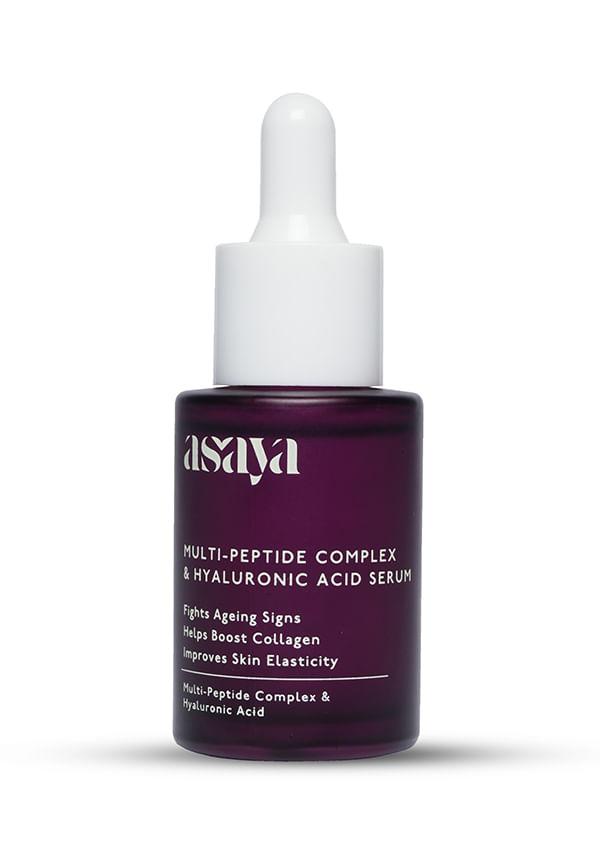 30 ml
30 mlMulti-Peptide Complex & Hyaluronic Acid Face Serum
Your skin type should guide your ingredient choices, but remember—most of these powerhouses work for everyone with the right formulation and concentration. Oily skin benefits from salicylic acid and niacinamide for oil control, whilst dry skin loves hyaluronic acid and gentle peptides for hydration and repair.
For sensitive skin care, start with the gentlest options: niacinamide, hyaluronic acid, and low-concentration lactic acid. Avoid high concentrations and always patch test new products. If you're dealing with acne, focus on salicylic acid and niacinamide, but introduce retinol slowly for long-term skin health benefits.
Natural skincare enthusiasts can find plant-derived versions of many ingredients—like bakuchiol as a retinol alternative or fruit acids instead of synthetic AHAs. However, synthetic doesn't mean inferior—often, lab-created versions are more stable and effective than their natural counterparts.
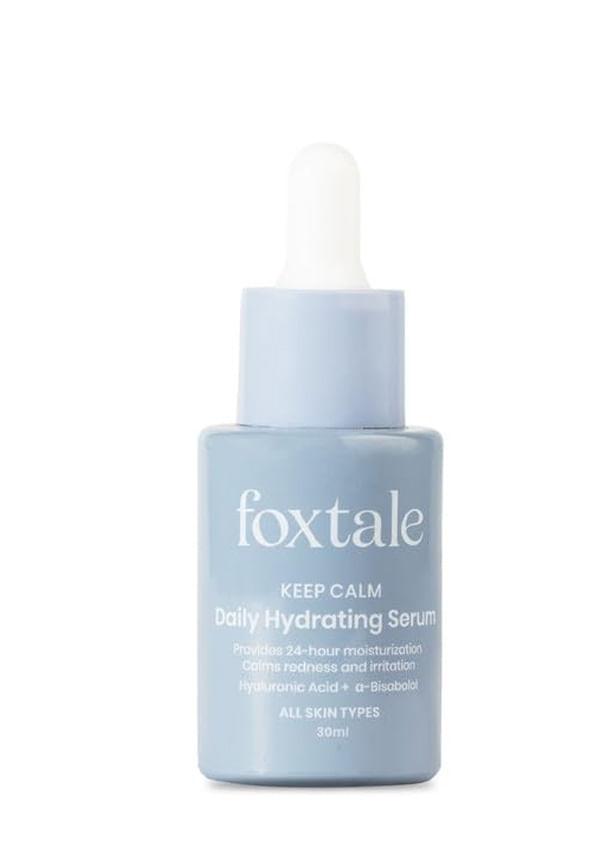 30 ml
30 mlHydrating Serum with Hyaluronic Acid and Bisabolol
Getting the most from these skin health superstars requires more than just slapping them on your face. Timing matters—retinol and acids work best at night when your skin is in repair mode, whilst antioxidants like vitamin C provide protection during the day.
Consistency beats intensity every time. It's better to use a lower concentration regularly than to go strong and irritate your skin. Most people see initial results within 4-6 weeks, but significant improvements take 3-6 months of consistent use.
Don't forget the basics—these ingredients work best when your skin barrier is healthy. That means gentle cleansing, adequate moisturising, and religious SPF use. If you're experiencing irritation, scale back and focus on barrier repair before reintroducing actives.
This is where platforms like Smytten become invaluable for your skincare journey. With access to trial packs from over 1,500 trusted brands including Cetaphil and Dot & Key, you can test different formulations of these key ingredients without committing to full-size products. Whether you're trying your first retinol serum or exploring different vitamin C formulations, Smytten's trial approach lets you discover what works for your unique skin needs before making larger investments.
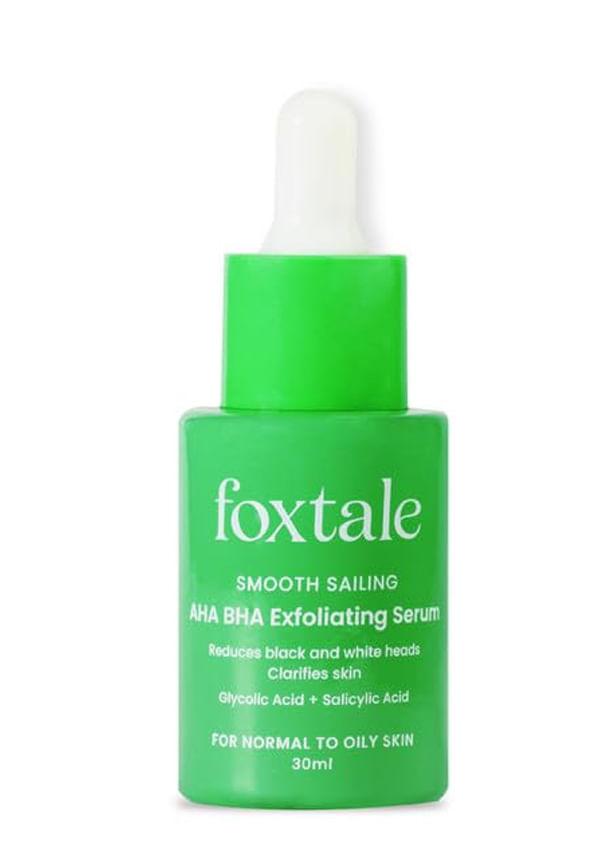 30 ml
30 mlAHA BHA Exfoliating Serum||Salicylic Acid & Glycolic Acid
Niacinamide is perfect for beginners because it's gentle, works for all skin types, and rarely causes irritation. It's also compatible with most other ingredients, making it easy to incorporate into any routine.
If we had to choose just four, it would be retinol for anti-ageing, vitamin C for protection and brightening, hyaluronic acid for hydration, and salicylic acid for acne and exfoliation. These cover all the major skin concerns.
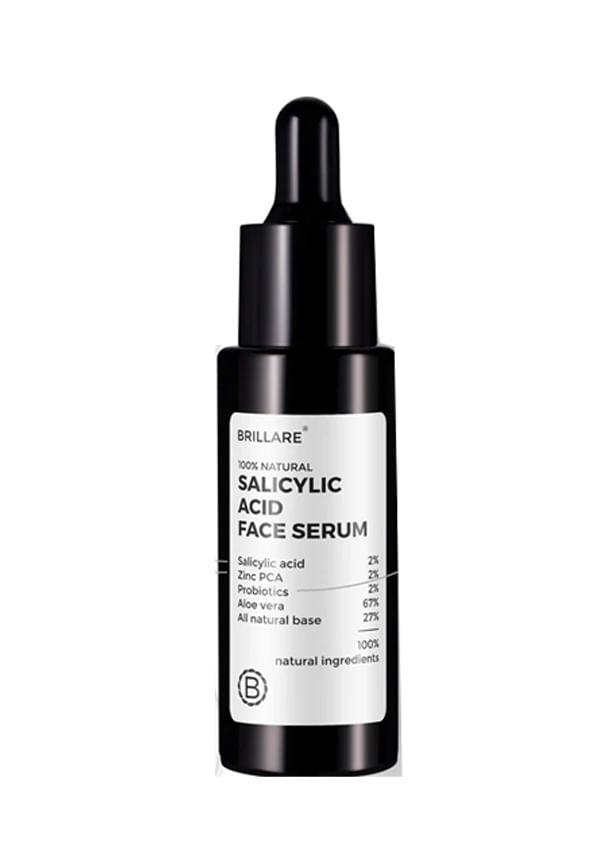 30 ml
30 ml2% Salicylic Acid Face Serum for Acne-Prone Skin
Vitamin C is the champion for skin brightening, followed by AHAs like glycolic and lactic acid. Niacinamide also helps even out skin tone over time. Consistent use of these ingredients will gradually fade dark spots and improve overall radiance.
Initial signs include improved skin texture and a healthy glow within 2-4 weeks. For anti-ageing benefits, you'll need 3-6 months to see significant changes. Take photos to track progress—sometimes improvements are gradual and hard to notice day-to-day.
Yes, but introduce them gradually and avoid certain combinations like retinol with acids on the same night. Start with one active, build tolerance, then slowly add others. Always listen to your skin and scale back if you experience irritation.
Not necessarily. The concentration and formulation matter more than price. Many affordable products contain effective concentrations of these key ingredients. Focus on finding the right formulation for your skin type rather than the most expensive option.
These seven dermatologist recommended ingredients aren't just skincare trends—they're proven performers that can genuinely transform your skin when used correctly. The key is patience, consistency, and finding the right formulations for your unique needs.
Remember, great skin isn't built overnight. Start with one or two ingredients, build your tolerance gradually, and always prioritise your skin barrier health. With Smytten's extensive range of trial packs from trusted skincare brands, you can explore different formulations of these powerhouse ingredients without the commitment of full-size purchases. After all, why settle for guessing what might work when you can try it all and discover your perfect skin care routine?
