7 Best Products for Oily Skin That Actually Work
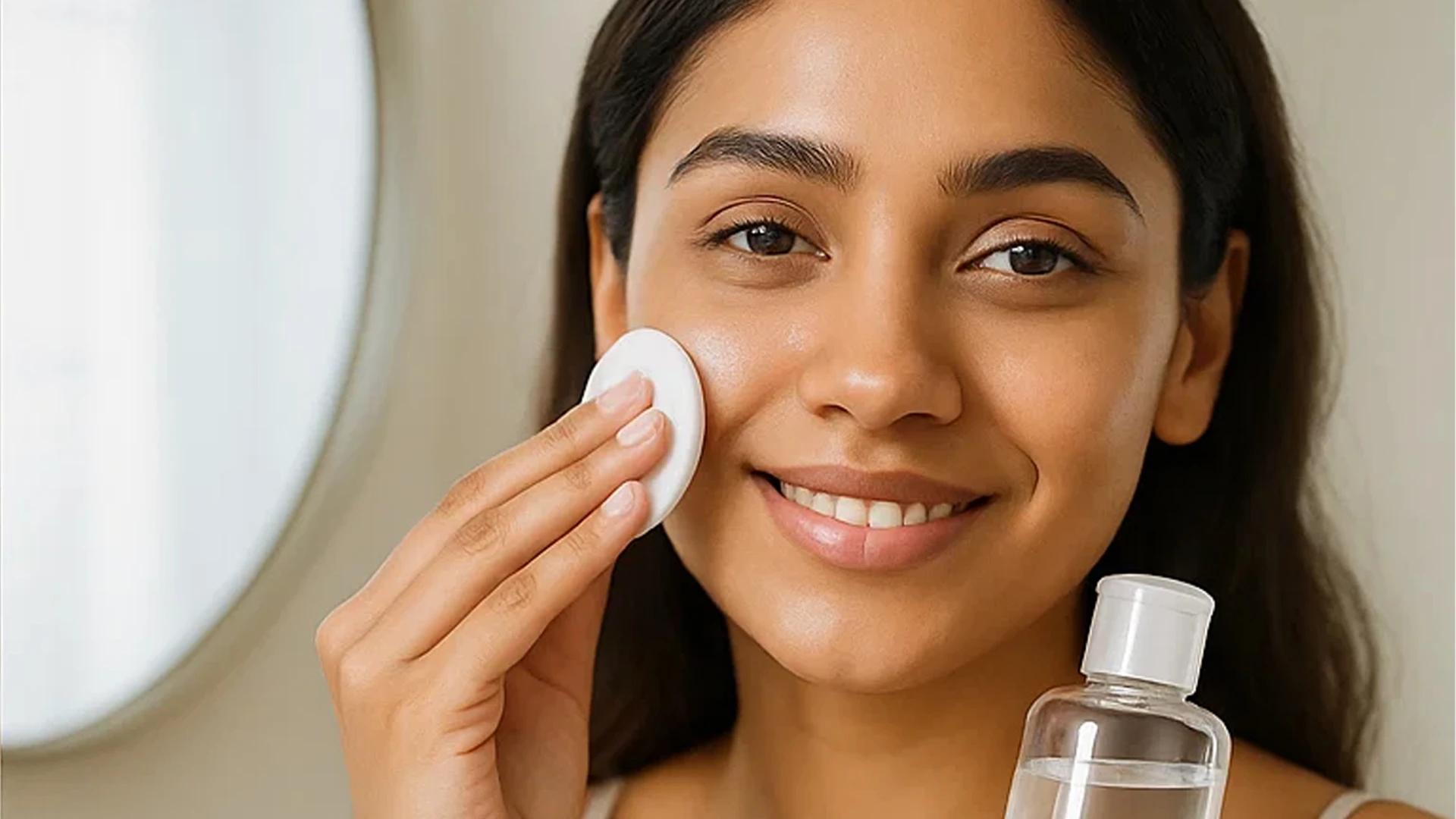

Let's be real—finding the best products for oily skin feels like searching for a needle in a haystack. You've probably tried countless products that promised to control oil but left you either looking like a grease slick by noon or so dry that your skin went into overdrive producing even more oil. The truth is, oily skin needs a completely different approach than what most brands suggest. It's not about stripping away every drop of oil or using the harshest products you can find. Instead, it's about understanding your skin's needs and choosing products that work with your natural sebum production, not against it. Today, we're diving into seven game-changing products that actually deliver on their promises for oily skin.
Your skin produces oil (sebum) through sebaceous glands, and when these glands are overactive, you end up with that shiny, greasy look that seems impossible to control. But here's what most people don't realise—oily skin isn't just about having too much oil. It's often about having the wrong type of oil or your skin barrier being compromised, which triggers even more oil production as a protective response.
The biggest mistake? Using harsh, drying products that strip your skin completely. When you do this, your skin panics and produces even more oil to compensate. This creates a vicious cycle where you're constantly fighting against your skin instead of working with it. The key is finding an oily skin care routine that balances oil control with proper hydration.
Look for ingredients like salicylic acid, niacinamide, and hyaluronic acid in your oil control skincare products. Avoid anything with high alcohol content, harsh sulfates, or heavy oils that can clog pores. Your skin needs gentle yet effective products that regulate oil production without causing irritation.
Building an effective oily skin care routine isn't about using as many products as possible—it's about using the right products in the right order. Your morning routine should focus on cleansing, treating, protecting, and controlling oil throughout the day. Your evening routine can be more intensive, incorporating treatments and deeper cleansing.
For skincare for oily acne-prone skin, consistency is everything. Your skin needs time to adjust to new products, so introduce them gradually and stick with your routine for at least 6-8 weeks before making major changes.
Start with a gentle cleanser, follow with a lightweight toner, apply a mattifying moisturiser, and finish with broad-spectrum sunscreen. This four-step routine sets the foundation for oil control throughout the day.
Your evening routine can include double cleansing, targeted treatments like acne treatment serums, hydrating toners, and overnight moisturisers. This is when your skin repairs itself, so give it the nutrients it needs.
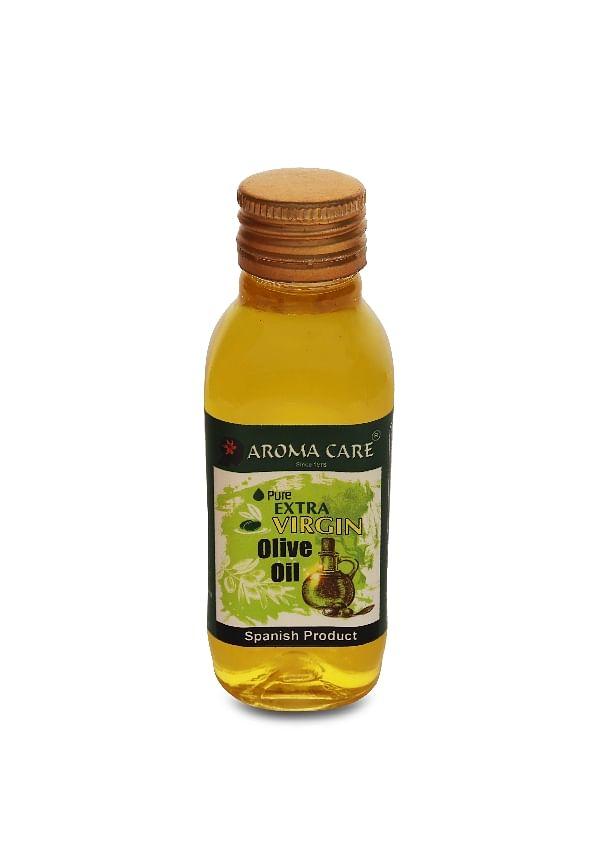 100 ml
Olive Oil
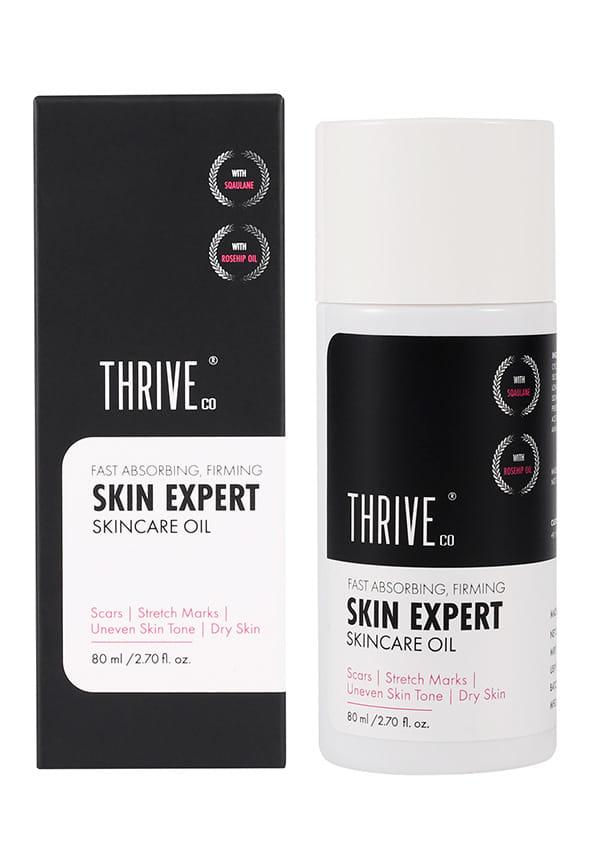 80 ml
80 mlSkin Expert Oil
The foundation of any good oily skin care routine starts with the right cleanser. The best face wash for oily skin should remove excess oil, dirt, and makeup without stripping your skin's natural barrier. Look for gel or foam cleansers with salicylic acid or glycolic acid—these ingredients gently exfoliate while cleansing, helping to prevent clogged pores.
Non-comedogenic products are essential here because they won't clog your pores or contribute to breakouts. A good cleanser should leave your skin feeling clean but not tight or squeaky. If your skin feels stripped after cleansing, that's a sign the product is too harsh.
Apply your cleanser to damp skin using gentle circular motions for about 30 seconds, then rinse thoroughly with lukewarm water. Hot water can actually stimulate more oil production, so keep it cool to moderate.
The right toner for oily skin can be a game-changer in your routine. Modern toners aren't the harsh, alcohol-based products of the past—they're sophisticated treatments that can help regulate oil production and minimise the appearance of pores. Look for toners with BHA (salicylic acid) for oil control or AHA (glycolic acid) for gentle exfoliation.
Pore minimizing products often contain niacinamide, which helps regulate sebum production and can make pores appear smaller over time. The key is finding a toner that balances treatment with hydration—your skin still needs moisture, even if it's oily.
Apply toner with a cotton pad or gently pat it into your skin with clean hands. Wait a few minutes before applying your next product to let it fully absorb.
Here's where many people with oily skin go wrong—they skip moisturiser entirely. But even oily skin needs hydration, and the right mattifying moisturizer can actually help control oil production throughout the day. Look for lightweight, gel-based formulas that contain hyaluronic acid for hydration without heaviness.
Non-comedogenic products are crucial for moisturisers because they're on your skin for extended periods. Ingredients like niacinamide can help regulate oil production while providing the hydration your skin needs. Some mattifying moisturisers also contain light-reflecting particles that give you an immediate matte finish.
Apply moisturiser to slightly damp skin for better absorption, and don't forget your neck and décolletage. A good mattifying moisturiser should absorb quickly and create a smooth base for makeup application.
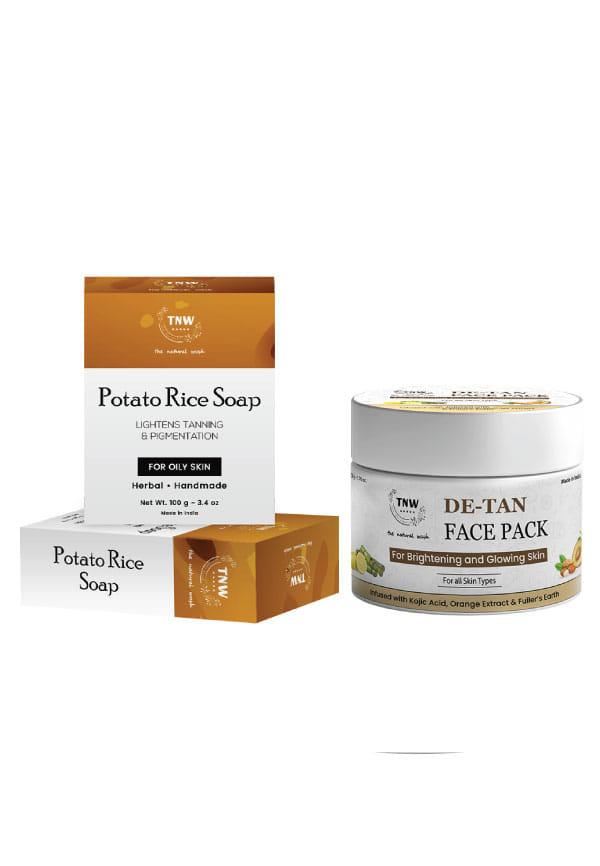 Combo
ComboDe-Tan Face Pack & Potato Rice Soap for Oily Skin
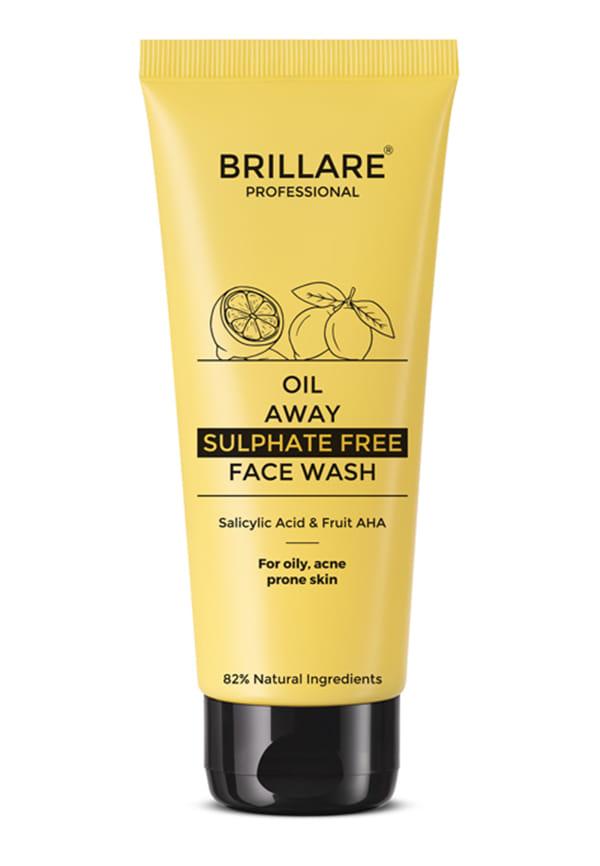 100 ml
Facewash For Oily, Acne Prone Skin
Sunscreen is non-negotiable, but finding an oil-free sunscreen that doesn't make your skin look greasy can be challenging. Mineral sunscreens with zinc oxide or titanium dioxide are often better for oily skin because they sit on top of the skin rather than being absorbed, which can help with oil control.
Look for broad-spectrum SPF 30 or higher in lightweight, non-comedogenic formulas. Some sunscreens double as acne treatment products by containing ingredients like niacinamide or salicylic acid. These multitasking products can simplify your routine while providing essential protection.
Reapply every two hours, especially if you're outdoors or sweating. Powder sunscreens can be great for touch-ups throughout the day without adding extra oil to your skin.
For those dealing with skincare for oily acne-prone skin, a targeted acne treatment serum is essential. Salicylic acid is excellent for preventing clogged pores and treating existing breakouts, while benzoyl peroxide can kill acne-causing bacteria. Retinol is another powerhouse ingredient that can help with both acne and oil control.
Start slowly with active ingredients—use them every other night initially and gradually increase frequency as your skin builds tolerance. Always follow up with moisturiser and never skip sunscreen when using these treatments, as they can increase sun sensitivity.
Spot treatments can be used for individual blemishes, while all-over serums help prevent new breakouts from forming. The key is finding the right concentration and frequency for your skin's tolerance level.
Pore minimizing products work by keeping pores clear of oil and debris, which makes them appear smaller. Niacinamide serums are particularly effective for this, as they help regulate oil production and can improve skin texture over time. Clay masks used once or twice weekly can also help draw out impurities and temporarily tighten the appearance of pores.
Regular exfoliation with BHA products helps keep pores clear, but don't overdo it—too much exfoliation can actually make oily skin worse. Oil control skincare is about balance, not aggressive treatment.
Professional treatments like chemical peels or microdermabrasion can provide more dramatic results, but start with at-home options to see how your skin responds.
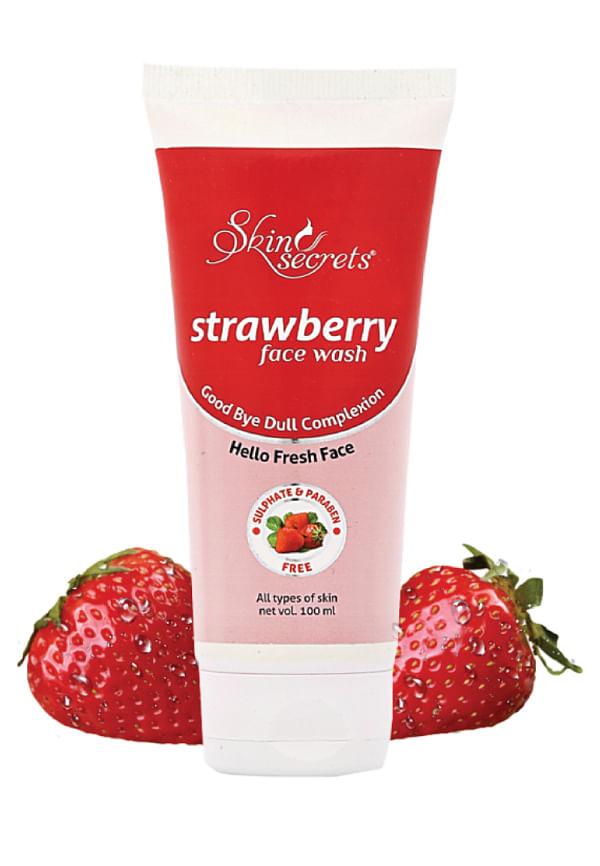 100 ml
Strawberry Face Wash
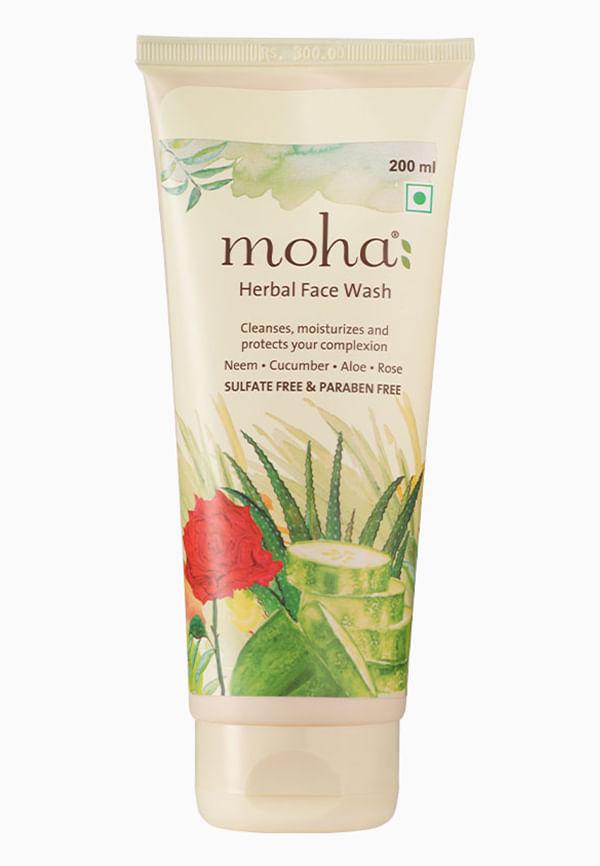 200 ml
Herbal Face Wash
The final step in your oil control skincare routine might be a mattifying primer or setting powder. These products create a barrier between your skin and makeup, helping to extend wear time and control shine throughout the day. Silicone-based primers can fill in pores and create a smooth surface, while powder-based products absorb excess oil.
Apply primer after your moisturiser and sunscreen have fully absorbed. A little goes a long way—too much product can actually make your makeup look cakey or slide off more easily.
Setting sprays with oil-controlling ingredients can also help lock in your look and provide additional shine control throughout the day.
The best products for oily skin share several key characteristics that set them apart from regular skincare products. First, they're formulated with ingredients that specifically target excess oil production without over-drying the skin. This delicate balance is what makes them effective for long-term use.
Non-comedogenic products are essential because oily skin is more prone to clogged pores and breakouts. These products are specifically tested to ensure they won't block pores or contribute to acne formation. Look for this label on every product you consider for your routine.
Clinical testing and dermatologist approval add another layer of credibility. Products that have been tested on people with oily skin and shown measurable results are more likely to work for you. Real user reviews can also provide valuable insights into how products perform in real-world conditions.
When exploring new products, platforms like Smytten make it easier to discover what works for your skin without the commitment of full-size purchases. With trial packs from trusted brands, you can test products before investing in the full-size versions, making your skincare journey both affordable and effective.
One of the biggest mistakes people make with their oily skin care routine is over-cleansing. Washing your face more than twice a day or using harsh scrubs can actually stimulate more oil production. Your skin needs some natural oils to function properly, so don't strip everything away.
Another common error is using too many active ingredients at once. While it's tempting to throw every oil control skincare product at your skin, this can lead to irritation and actually worsen oily skin. Introduce new products gradually and give each one time to work before adding something else.
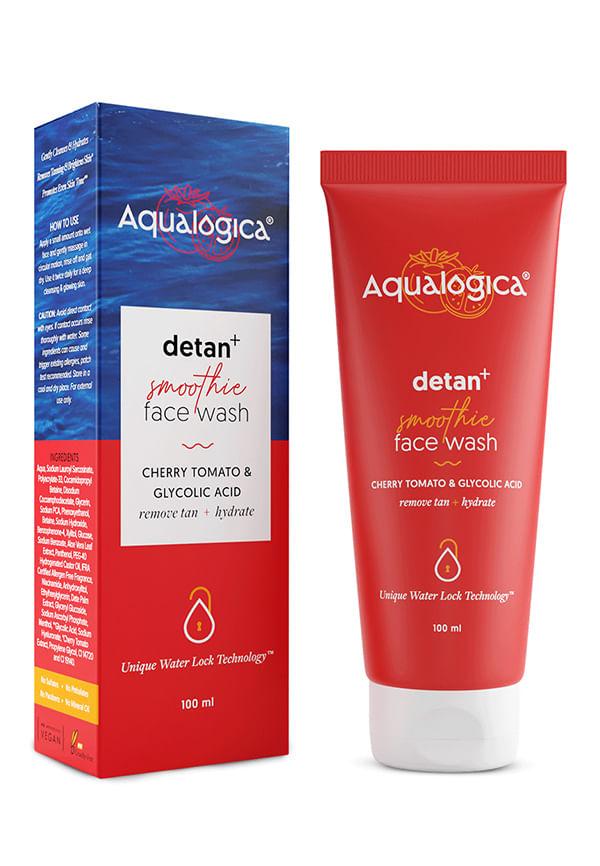 100 ml
Detan+ Smoothie Face Wash
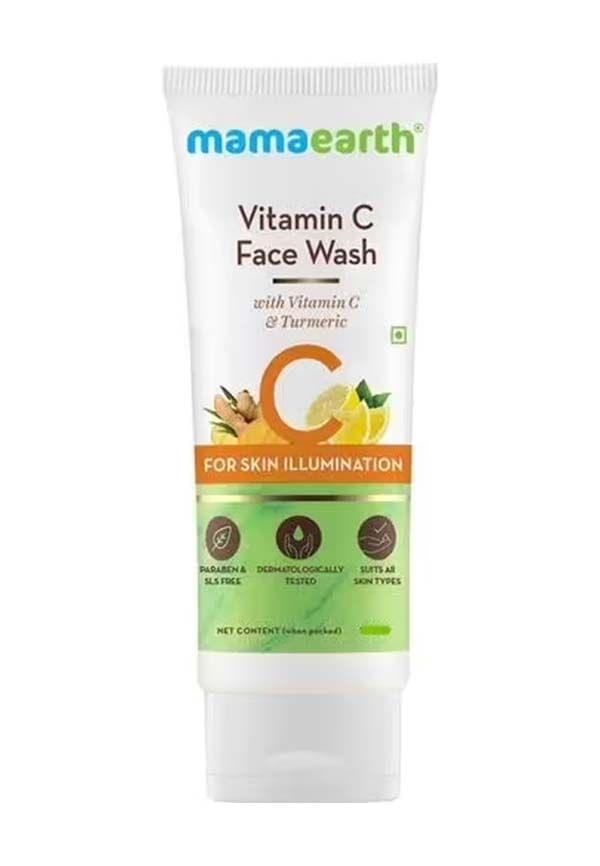 100 ml
Vitamin C Face Wash
Skipping moisturiser is perhaps the most counterproductive mistake. Even oily skin needs hydration, and when you skip this step, your skin often compensates by producing even more oil. Choose a lightweight, mattifying moisturizer instead of skipping this crucial step entirely.
Inconsistency is another routine killer. Your skin needs time to adjust to new products and show results. Switching products every few weeks won't give you the results you're looking for. Stick with a routine for at least 6-8 weeks before making major changes.
The best skincare for oily skin includes a gentle cleanser with salicylic acid, a lightweight toner, a mattifying moisturiser with niacinamide, and broad-spectrum sunscreen. Key ingredients to look for include salicylic acid for pore-clearing, niacinamide for oil regulation, and hyaluronic acid for lightweight hydration. Avoid harsh scrubs, alcohol-based toners, and heavy creams that can clog pores.
A good daily routine starts with gentle cleansing morning and night, followed by a balancing toner, targeted treatments like serums, lightweight moisturiser, and sunscreen during the day. Evening routines can include deeper cleansing and overnight treatments. The key is consistency and using products specifically formulated for oily skin types.
Look for products specifically labelled as non-comedogenic, which means they've been tested not to clog pores. Avoid heavy oils, thick creams, and products with pore-clogging ingredients like coconut oil or cocoa butter. When in doubt, patch test new products on a small area of skin before incorporating them into your full routine.
Absolutely! Oily skin needs daily moisturisation just like any other skin type. Skipping moisturiser can actually trigger more oil production as your skin tries to compensate for the lack of hydration. Choose lightweight, gel-based, or mattifying formulas that provide hydration without adding excess oil to your skin.
Not necessarily. While some high-end products offer advanced formulations, many effective ingredients for oily skin are available at various price points. The key is finding products with the right active ingredients for your skin, regardless of price. Focus on ingredient lists and proven formulations rather than brand prestige or cost.
Finding the right products for oily skin doesn't have to be a frustrating journey of trial and error. The seven product categories we've covered—cleanser, toner, moisturiser, sunscreen, treatment serum, pore-minimising products, and oil-control primers—form the foundation of an effective routine that actually works with your skin, not against it.
Remember, the best products for oily skin are those that balance oil control with proper hydration and skin barrier support. Your skin is unique, and what works for someone else might not work for you. That's where platforms like Smytten become invaluable—with trial packs from over 1,500 trusted brands, you can explore different products and find your perfect match without the risk of full-size purchases. Whether you're looking for a new cleanser or want to try a targeted treatment, being able to test products first makes building your ideal routine both affordable and effective. After all, why settle for maybe when you can try it all and find what truly works for your skin?
