7 Best Moisturizers for Every Skin Type Revealed


Finding the best moisturiser for skin type feels like solving a puzzle sometimes. You've probably stood in the skincare aisle, overwhelmed by endless options, wondering if that expensive jar will actually work for your skin. Here's the thing—most people are using the wrong skin moisturiser for their specific needs, which explains why your skin might not be looking its best. Whether you're dealing with oily patches, dry flakes, or that annoying combination of both, the right face moisturiser can be a total game-changer. Let's break down the seven best moisturisers that actually work for every skin type, so you can finally stop guessing and start glowing.
Before diving into the best options, let's get real about identifying your skin type. This isn't just skincare 101—it's the foundation of finding your perfect daily moisturiser match.
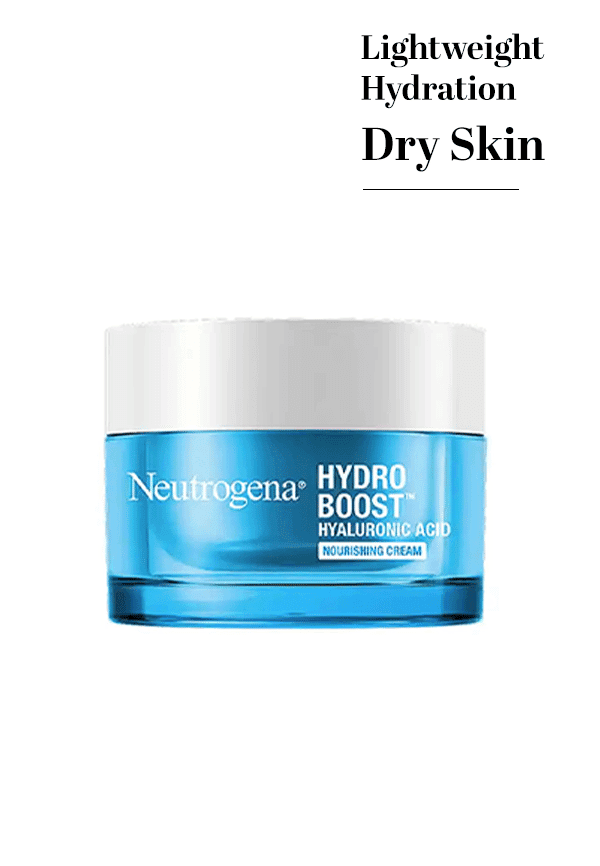 50 gm
50 gmHydro Boost Hyaluronic Acid Nourishing Cream
Wash your face with a gentle cleanser and wait about an hour without applying any products. Now, gently press a tissue to different areas of your face. If the tissue picks up oil from your T-zone but not your cheeks, you've got combination skin. Oil all over? That's oily skin. No oil and your skin feels tight? Dry skin it is. If your skin reacts to most products or feels irritated easily, you're likely dealing with sensitive skin.
Your skin type determines which ingredients will work best and which ones might cause breakouts or irritation. Oily skin needs lightweight, non comedogenic moisturiser formulas, while dry skin craves richer, more hydrating moisturiser options. Getting this right means your skin gets exactly what it needs, not what marketing tells you it should want.
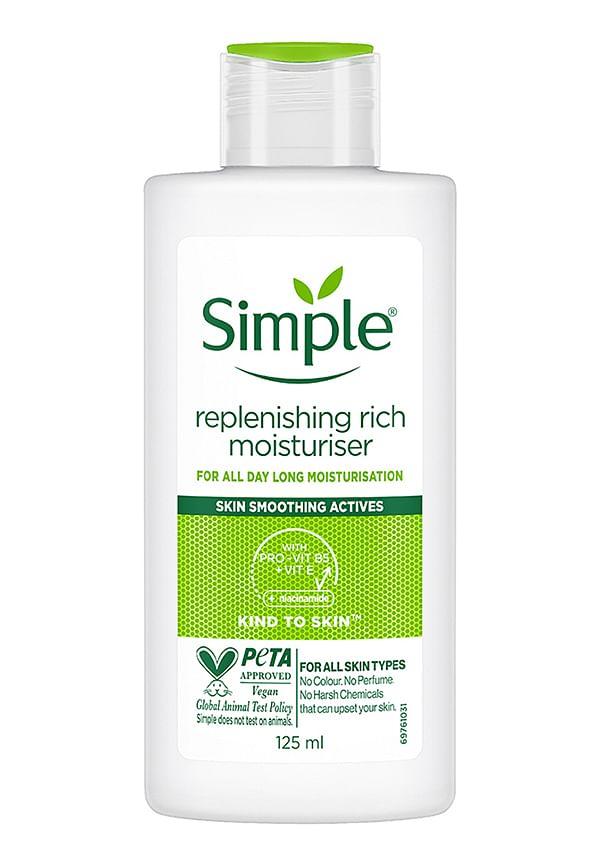 125 ml
Kind To Skin Replenishing Rich Moisturiser
Dry skin needs serious hydration, and the right moisturiser for dry skin should feel like a drink of water for your face. Look for ingredients like hyaluronic acid, ceramides, and glycerin—these are your skin's best friends.
Hyaluronic acid can hold up to 1,000 times its weight in water, making it perfect for parched skin. Ceramides help repair your skin barrier, while glycerin draws moisture from the environment to your skin. The best formulas combine all three for maximum hydration.
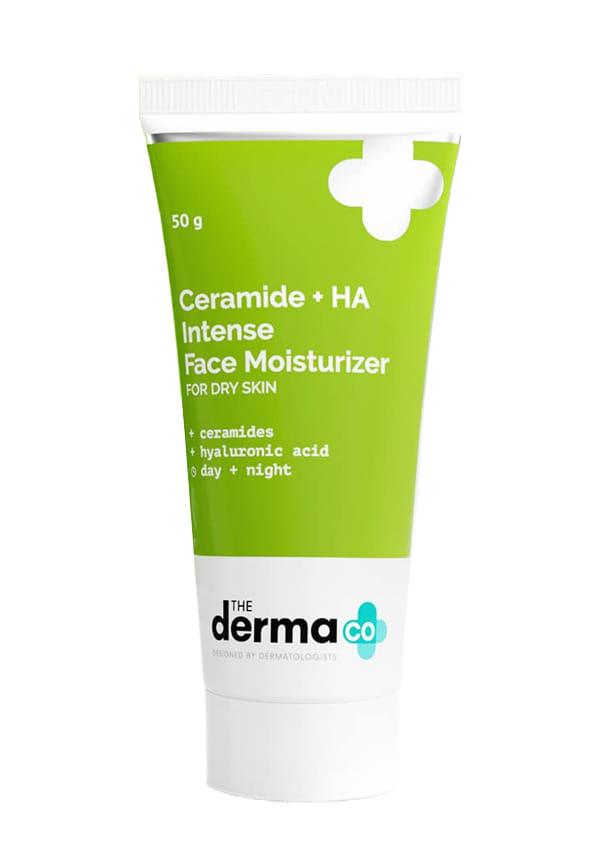 50 gm
50 gmCeramide + HA Intense Moisturizer
Apply your moisturiser to slightly damp skin—this helps lock in extra moisture. Don't forget your neck and the delicate area around your eyes. For extra dry patches, you might need to reapply during the day, especially in air-conditioned environments.
Contrary to popular belief, oily skin absolutely needs moisturiser. The trick is finding a moisturiser for oily skin that hydrates without adding to the shine or clogging pores.
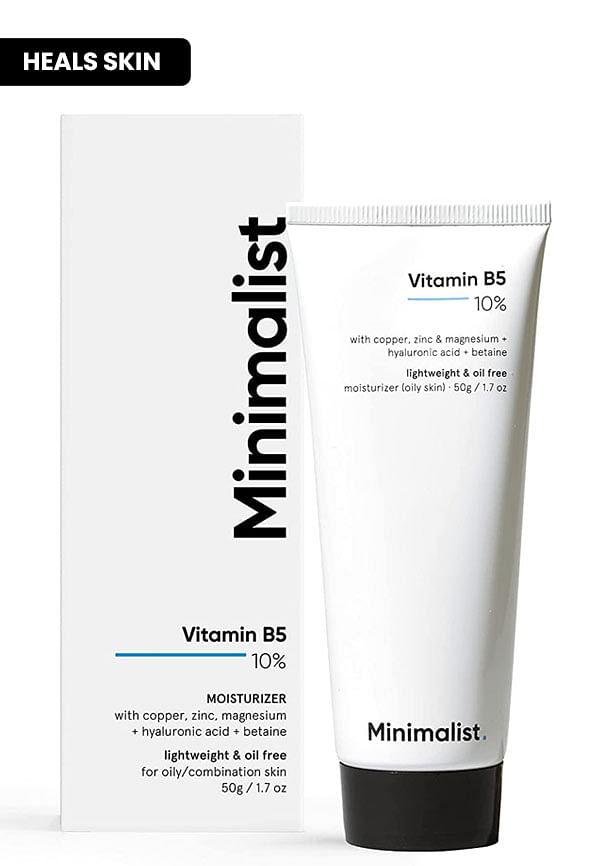 50 gm
50 gm10% Vitamin B5 Oil Free Moisturizer For Oily Skin
Look for water-based, gel-textured moisturisers that absorb quickly. Ingredients like niacinamide can help control oil production, while salicylic acid gently exfoliates to prevent clogged pores. Always check that your chosen product is labelled as non-comedogenic.
Skipping moisturiser when you have oily skin actually makes things worse. When your skin is dehydrated, it overcompensates by producing even more oil. A lightweight, oil-free formula keeps your skin balanced and can actually reduce excess shine over time.
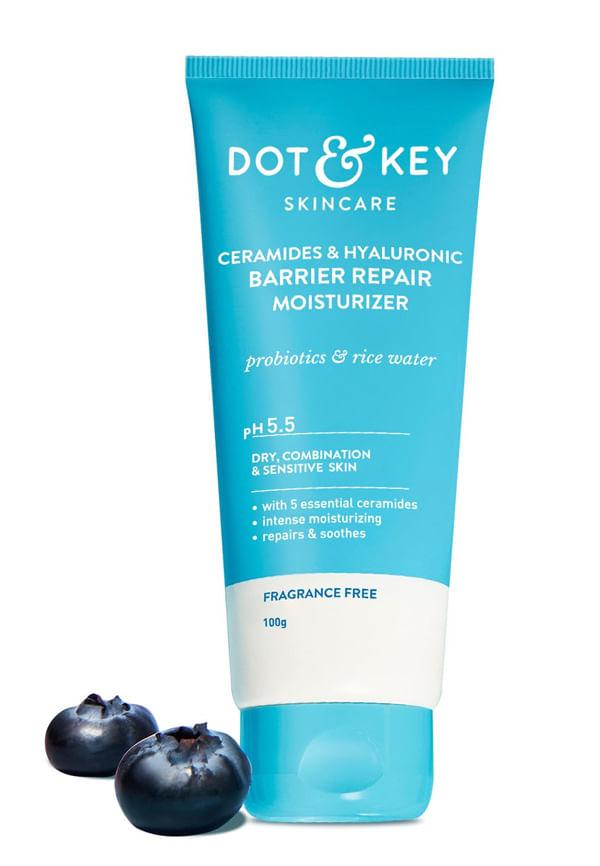 100 g
100 gCeramides & Hyaluronic Barrier Repair Moisturizer
Sensitive skin requires a gentle approach with a sensitive skin moisturiser that soothes rather than irritates. The best face cream for sensitive skin typically has fewer ingredients and avoids common irritants.
Fragrance is one of the most common skin irritants, so always opt for fragrance-free formulas. Look for products with minimal ingredient lists and those that are dermatologist-tested. Patch testing on your inner arm before applying to your face is always a smart move.
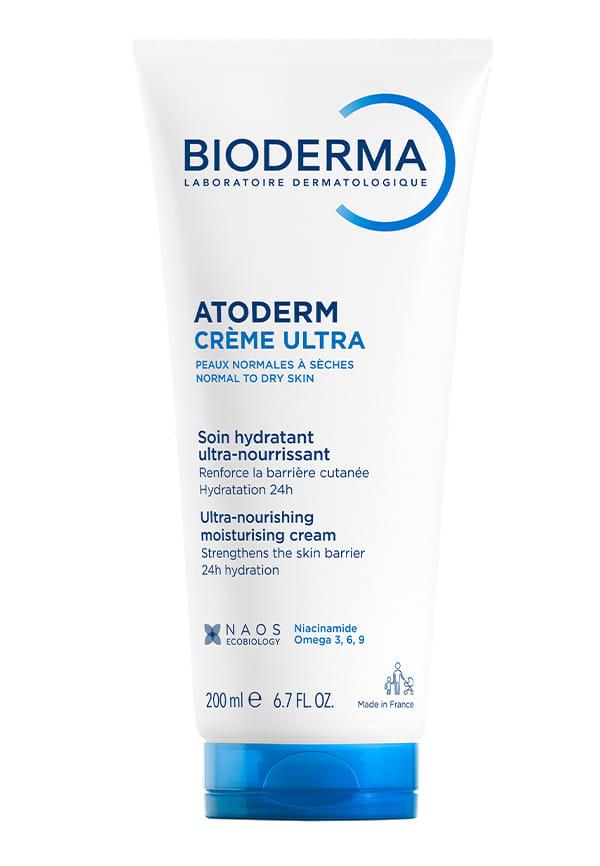 200 ml
Atoderm Creme Ultra-Nourishing Moisturizer
Niacinamide reduces redness and inflammation, while aloe vera provides cooling relief. Colloidal oatmeal is another gentle ingredient that helps calm irritated skin. These ingredients work together to strengthen your skin barrier while providing essential moisture.
Combination skin is tricky because different areas of your face have different needs. The right daily moisturiser should balance oil control in your T-zone while providing adequate hydration to drier areas.
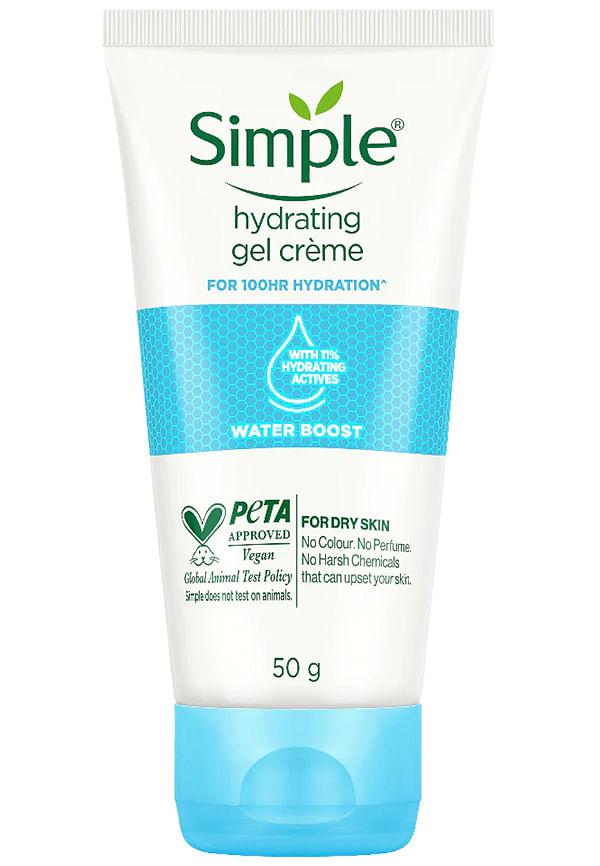 50 ml
50 mlWater Boost Hydrating Gel Creme
You might need to use different products on different areas of your face, or find a universal formula that works for both oily and dry zones. Apply a lighter layer on your T-zone and a more generous amount on your cheeks and other dry areas.
The best moisturisers for combination skin are those that feel light but still provide adequate hydration. Look for formulas with hyaluronic acid for hydration and niacinamide for oil control. These ingredients work well together without overwhelming any part of your face.
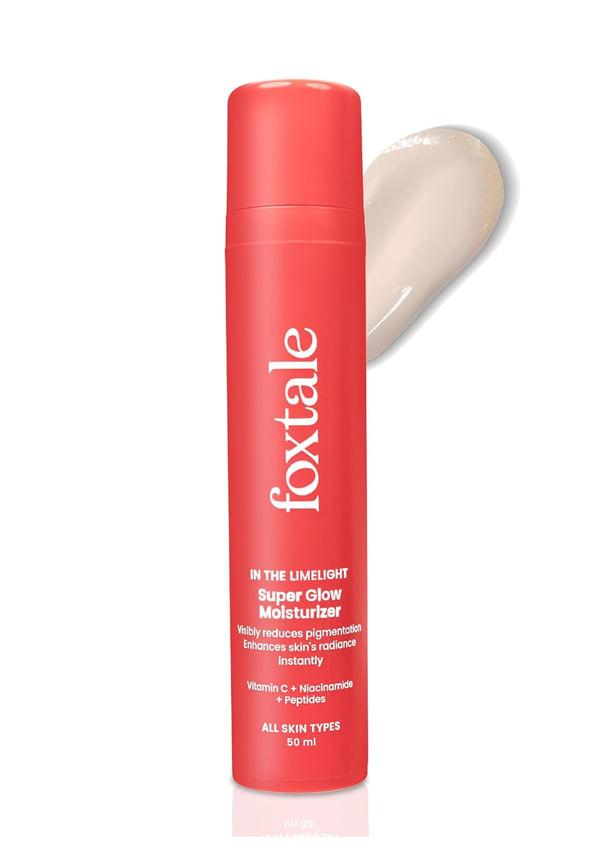 50 ml
50 mlVitamin C Super Glow Moisturizer with Niacinamide
If you prefer clean beauty, there are excellent natural moisturiser options that work just as well as their synthetic counterparts. Natural doesn't always mean better, but it can be a great choice for those with sensitive skin or specific ingredient preferences.
Ingredients like jojoba oil, shea butter, and rosehip oil provide excellent moisturising properties. Botanical extracts like chamomile and green tea offer additional soothing benefits. Look for products with organic certifications if this is important to you.
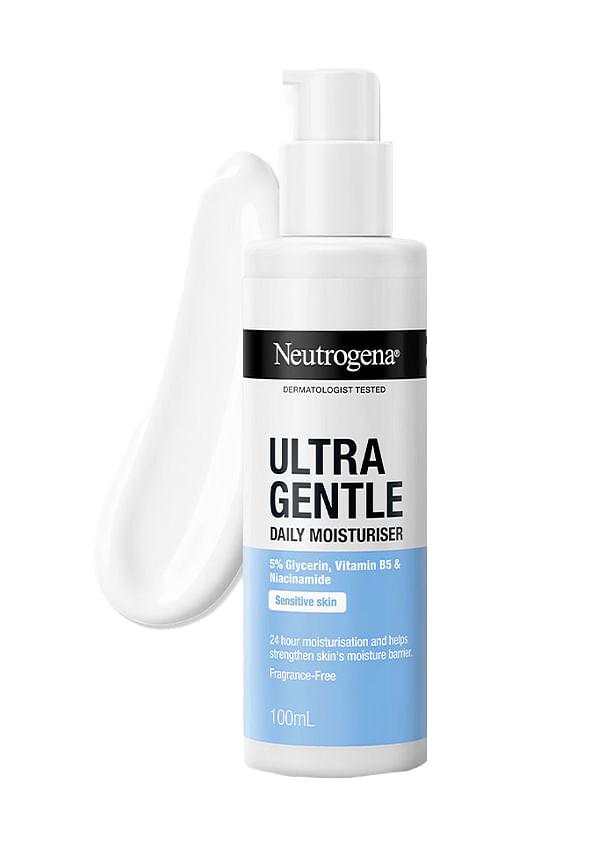 100ml
100mlUltra Gentle Daily Moisturiser
Just because a product says "natural" doesn't mean it's automatically better for your skin. Check the ingredient list and avoid products with too many essential oils if you have sensitive skin. The most effective natural moisturisers combine plant-based ingredients with proven skincare science.
Even the best moisturiser won't work properly if you're not applying it correctly. Here's how to get the most out of your hydrating moisturiser, regardless of your skin type.
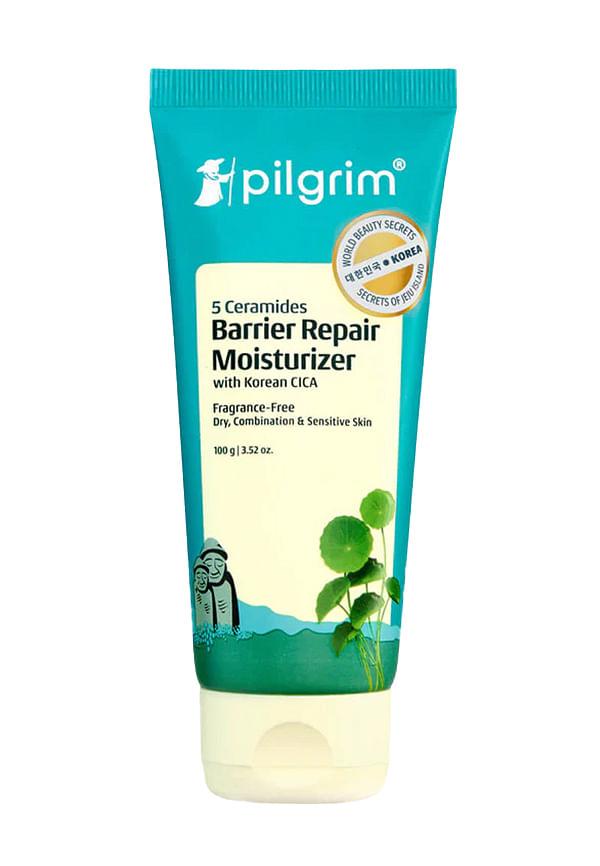 100 gm
5 Ceramides Barrier Repair Moisturizer with Korean CICA Lightweight & Non-Sticky
Apply moisturiser to clean, slightly damp skin within three minutes of washing your face. Use gentle upward strokes and don't forget your neck. The amount you need is about the size of a 50p coin for your entire face and neck.
If you use serums, apply them before your moisturiser. In the morning, always finish with SPF—some moisturisers include sun protection, but a dedicated sunscreen is usually more effective. At night, you can use a slightly richer formula since your skin repairs itself while you sleep. When you're exploring different moisturisers, Smytten makes it easy to try before you commit to full-size products. With over 1,500 trusted brands including skincare favourites like Cetaphil and Dot & Key, you can discover your perfect match through curated trial packs. This approach lets you test different formulas for your specific skin type without the worry of wasting money on products that might not work.
The best moisturiser depends entirely on your skin type and concerns. Dry skin benefits from cream-based formulas with ceramides and hyaluronic acid, while oily skin works better with lightweight, gel-based options. Sensitive skin needs fragrance-free, gentle formulas with minimal ingredients.
Yes, your skin has different needs throughout the day. Morning moisturisers should be lighter and often include SPF, while night moisturisers can be richer and focus on repair ingredients like retinol or peptides.
You might need to switch moisturisers seasonally—lighter formulas for summer and richer ones for winter. Also, as you age, your skin's needs change, so reassess your routine every few years or if you notice your current product isn't working as well.
Facial skin is more delicate and has different needs than body skin. Face moisturisers are formulated specifically for facial skin and are usually lighter and less likely to clog pores. It's best to use products designed for each area.
Finding the best moisturiser for your skin type doesn't have to be overwhelming. Start by properly identifying your skin type, then look for formulas with ingredients that address your specific concerns. Remember that what works for your friend might not work for you—skin is incredibly individual. The key is to be patient and give products time to work, usually about 4-6 weeks for most moisturisers. Don't be afraid to adjust your routine seasonally or as your skin changes over time. With platforms like Smytten offering trial-sized versions of products from trusted brands, you can explore different options without the commitment of full-size purchases. After all, why settle for maybe when you can try it all and find what truly works for your skin?
