7 Best Ingredients to Control Oily Skin Naturally


 120 ml
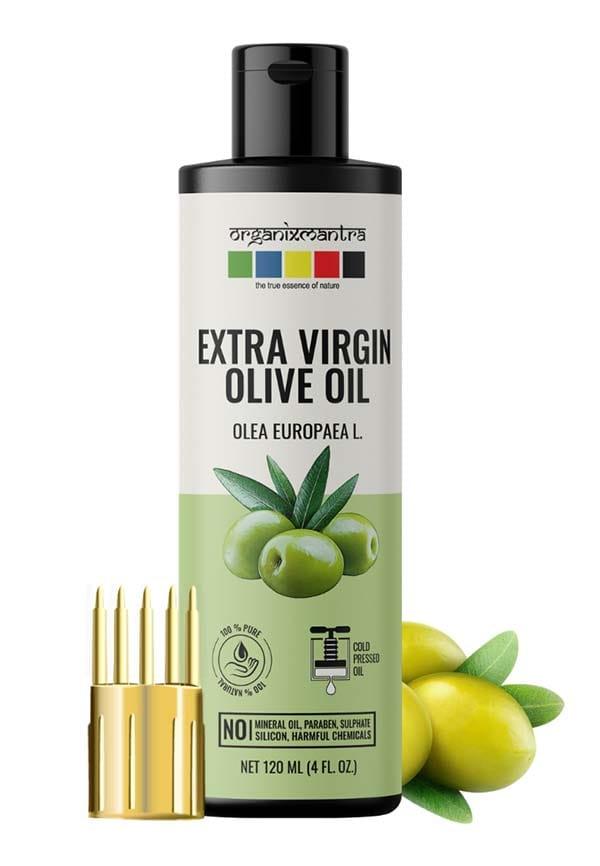
Extra Virgin Olive Oil, 100% Pure & Cold Pressed Organic Oil, 120ML
Dealing with oily skin can feel like a never-ending battle. One minute your face looks fresh, the next it's shining like you've applied highlighter everywhere. But here's the thing – oily skin isn't your enemy. It's actually trying to protect itself, just maybe a bit too enthusiastically. The secret lies in finding the right best ingredients for oily skin that work with your skin, not against it. Let's dive into the science-backed ingredients that can help you achieve that balanced, healthy glow without the unwanted shine.
Before we jump into solutions, let's get real about what's actually happening with your skin. Oily skin occurs when your sebaceous glands go into overdrive, producing more sebum than your skin needs. This can happen due to genetics, hormones, or even environmental factors like humidity and stress. The tricky part? Many people with oily skin make it worse by over-cleansing or using harsh products. When you strip your skin of its natural oils, it panics and produces even more oil to compensate. It's like your skin is saying, "Oh no, we're under attack! Quick, make more oil!" This creates a frustrating cycle where the more you try to control the oil, the oilier you become. Signs you have oily skin include visible shine within hours of cleansing, enlarged pores (especially in the T-zone), and a tendency towards blackheads and breakouts. But remember, having oily skin also means you're less likely to develop fine lines early – so there are definitely some perks to this skin type.
Now for the good stuff – the ingredients that actually work. These natural ingredients for oily skin and scientifically-proven compounds can help regulate oil production without causing irritation or dryness.
Niacinamide, also known as Vitamin B3, is honestly a game-changer for oily skin. Studies show it can reduce sebum production by up to 30% when used consistently. What makes it so brilliant is that it doesn't just absorb oil – it actually tells your sebaceous glands to chill out and produce less oil in the first place. Beyond oil control, niacinamide also reduces inflammation, which is why it's perfect for acne prone skin ingredients. Look for products with 5-10% niacinamide concentration. You can use it both morning and evening, and it plays well with almost every other skincare ingredient.
Salicylic acid is the MVP of oily skin remedies. Unlike other exfoliants that work on the surface, salicylic acid is oil-soluble, meaning it can dive deep into your pores and clear out the gunk that causes blackheads and breakouts. Start with a 0.5% concentration if you're new to salicylic acid, then work your way up to 2% as your skin builds tolerance. Use it in the evening, and always follow up with SPF during the day since it can increase sun sensitivity.
Clay masks aren't just Instagram-worthy – they're genuinely effective at controlling excess oil. Bentonite clay and kaolin clay are particularly good for oily skin because they absorb oil without completely stripping your skin. Use a clay mask 1-2 times per week, and don't let it dry completely on your skin. Remove it while it's still slightly damp to avoid over-drying. Your skin should feel clean and balanced, not tight or irritated.
 100 ML
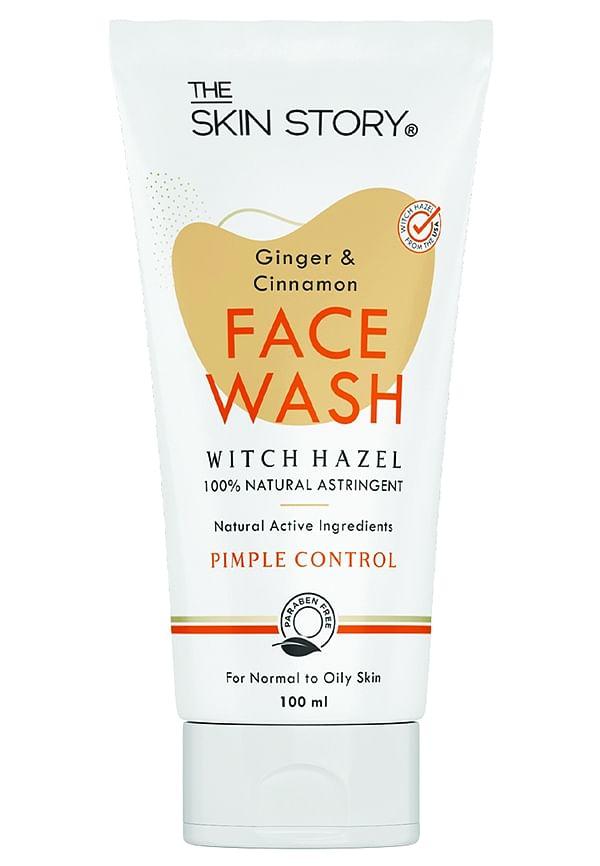
Ginger & Cinnamon Pimple Control Face Wash For Normal To Oily Skin With Natural Active Ingredients
Here's where many people with oily skin get confused – you still need moisture! Hyaluronic acid is perfect because it provides intense hydration without any greasy residue. It's one of the most important non-comedogenic ingredients for maintaining healthy skin barrier function. Apply hyaluronic acid to slightly damp skin, then follow with a lightweight moisturiser to lock in the hydration. This combination helps prevent your skin from overproducing oil to compensate for dehydration.
Retinol is brilliant for oily skin because it normalises cell turnover and helps regulate oil production over time. It also prevents dead skin cells from clogging your pores, which is a major cause of breakouts in oily skin types. Start with a low concentration (0.25% or 0.5%) and use it only 2-3 times per week initially. Always use retinol at night and never skip SPF the next day.
Zinc PCA is a bit of an unsung hero in oil control skincare. It has antimicrobial properties that help prevent acne-causing bacteria from thriving, while also helping to regulate sebum production. Look for serums or moisturisers that contain zinc PCA, especially if you're dealing with both oily skin and frequent breakouts. It's gentle enough for daily use and works well in combination with other active ingredients.
AHAs like glycolic acid and lactic acid help prevent dead skin cells from building up and clogging your pores. While they work on the surface rather than penetrating deep like salicylic acid, they're excellent for improving overall skin texture and preventing the dull, congested look that oily skin can sometimes have. Use AHAs 2-3 times per week in the evening, and always follow up with SPF during the day. If you're using both AHAs and retinol, alternate nights to avoid irritation.
Knowing what to avoid is just as important as knowing what to use. Some ingredients to avoid for oily skin can actually make your oil production worse or cause irritation that leads to more breakouts. Denatured alcohol (often listed as alcohol denat) is a major culprit. While it might make your skin feel less oily initially, it strips your natural oils and triggers increased sebum production. Heavy oils like coconut oil can also clog pores, despite being natural. Harsh sulfates in cleansers can disrupt your skin barrier, leading to increased oil production. Look for gentle, pH-balanced cleansers instead. Fragrance and essential oils might smell lovely, but they can irritate oily skin and cause inflammation. Remember, "oil-free" doesn't automatically mean better for oily skin. Some oil-free products contain heavy silicones or other ingredients that can clog pores.
 275 ml
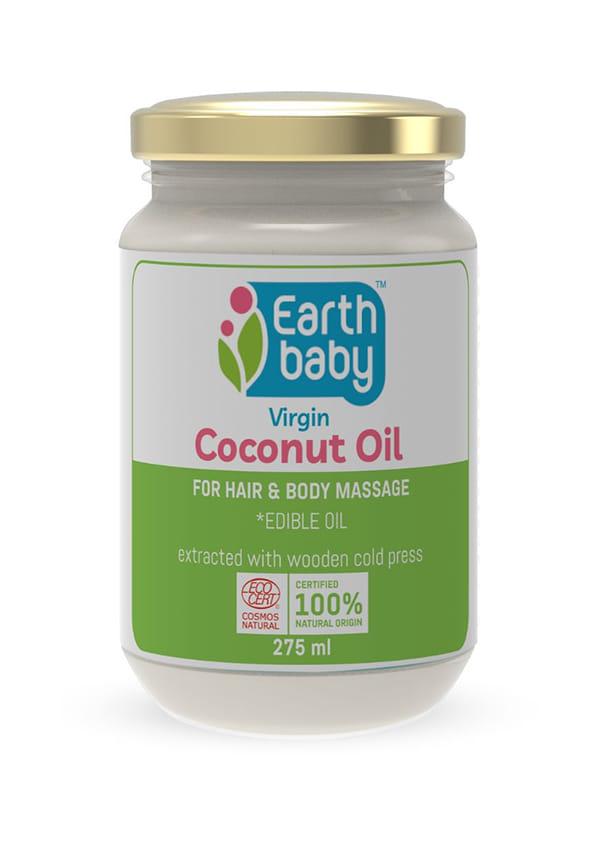
100% Natural origin Virgin Cold-Pressed Coconut Oil
Creating an effective oily skin routine is about balance and consistency. Your routine should control oil without stripping your skin or causing irritation.
Start with a gentle, pH-balanced cleanser – this is crucial for finding the best face wash for oily skin. Look for cleansers with salicylic acid or niacinamide for added oil control benefits. Follow with a lightweight serum containing niacinamide or hyaluronic acid. Then apply a gel-based or lightweight lotion moisturiser. Finish with a broad-spectrum SPF 30 or higher – this step is non-negotiable.
Double cleanse if you wear makeup or SPF. Start with an oil cleanser (yes, even for oily skin!) followed by your regular cleanser. This ensures all impurities are removed without over-cleansing. Apply your active ingredients – retinol, AHAs, or additional niacinamide. Follow with a slightly richer moisturiser than your morning one, as your skin repairs itself overnight.
Incorporate clay masks 1-2 times per week for deep pore cleansing. You might also want to try gentle enzyme exfoliants or mattifying skincare treatments for extra oil control. This is where platforms like Smytten become incredibly valuable. With access to trial packs from over 1,500 trusted brands, you can test different skincare for oily skin products without committing to full sizes. Whether you're trying a new niacinamide serum from Dot & Key or testing a clay mask from another brand, you can discover what works for your specific skin needs.
There's often debate about natural versus synthetic ingredients, but the truth is both can be effective for oily skin. Natural ingredients like clay, zinc, and plant-derived niacinamide can be just as powerful as their synthetic counterparts. What matters most is the concentration, formulation, and how your individual skin responds. Some natural ingredients can actually be more irritating than synthetic ones – think essential oils versus lab-created fragrance-free alternatives. The key is finding products that work for your skin, regardless of whether the ingredients are natural or synthetic. Focus on proven ingredients with good safety profiles and clinical backing.
Let's talk about the mistakes that can sabotage your skincare efforts. Over-cleansing is probably the biggest one – washing your face more than twice daily or using harsh scrubs can damage your skin barrier and increase oil production. Skipping moisturiser is another common mistake. Even oily skin needs hydration, and when you skip this step, your skin often compensates by producing more oil. Using too many active ingredients at once can cause irritation and actually worsen oily skin. Start with one active ingredient and gradually introduce others as your skin builds tolerance. Expecting overnight results is unrealistic. Most skincare ingredients take 4-6 weeks to show significant results, and some (like retinol) can take even longer.
 Combo
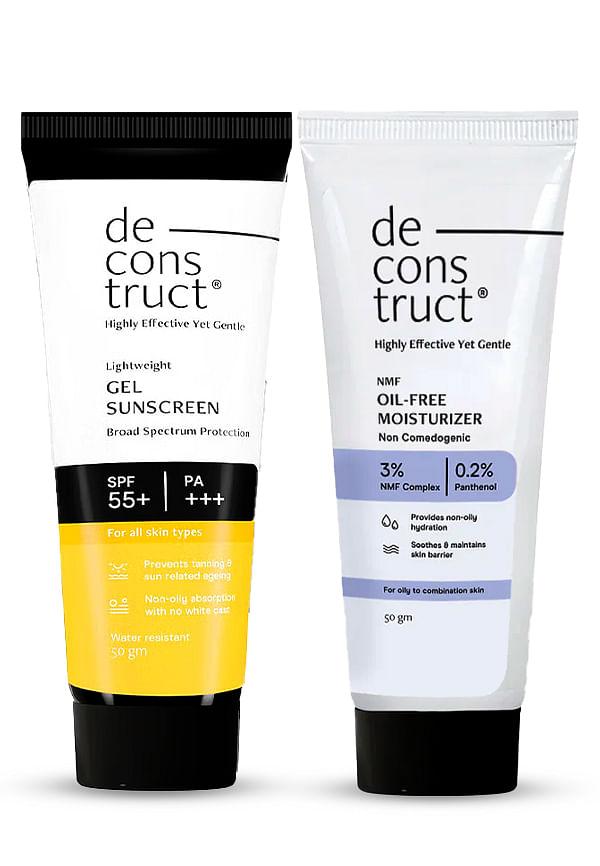
ComboSkin Protection & Oil-Control Duo
Salicylic acid is often considered the gold standard for oily skin because it penetrates pores and helps prevent blackheads and breakouts. However, niacinamide is also excellent for regulating oil production and reducing inflammation. The best ingredient for you depends on your specific concerns and skin sensitivity.
BHA (salicylic acid) is generally better for oily skin because it's oil-soluble and can penetrate into pores. AHAs work on the surface and are better for improving skin texture and brightness. Many people with oily skin benefit from using both, but start with BHA first.
Look for niacinamide, salicylic acid, hyaluronic acid, and clay in your skincare products. Avoid heavy oils, denatured alcohol, and harsh sulfates. Always check that products are labelled as non-comedogenic.
Most people see initial improvements in 2-4 weeks, with significant results appearing after 6-8 weeks of consistent use. Ingredients like retinol may take 12 weeks or longer to show full benefits.
Yes, but introduce them gradually. Start with one active ingredient and add others slowly. Avoid using multiple exfoliating acids on the same day, and always listen to your skin.
Managing oily skin successfully comes down to understanding your skin's needs and using the right ingredients consistently. The seven ingredients we've covered – niacinamide, salicylic acid, clay, hyaluronic acid, retinol, zinc PCA, and AHAs – are all proven to help control oil production and improve skin health. Remember, the journey to balanced skin takes time and patience. What works for your friend might not work for you, which is why having access to trial sizes through platforms like Smytten can be so valuable. You can explore products from trusted brands like Cetaphil and Bella Vita without the commitment of full-size purchases. With over 25 million users discovering their perfect skincare matches through trial minis, it's clear that finding the right products doesn't have to involve guesswork or expensive mistakes. Your skin deserves ingredients that work with it, not against it. After all, why settle for 'maybe' when you can try it all and find what truly works for your unique skin needs?
