7 Best Hyperpigmentation Products to Fade Dark Spots


Dark spots showing up uninvited on your face? You're definitely not alone. Whether it's from that summer holiday where you skipped sunscreen (we've all been there) or those stubborn marks left behind by breakouts, hyperpigmentation can feel like your skin's way of keeping a permanent diary of every little mishap. The good news? There are some seriously effective products out there that can help fade those spots and get your skin back to looking more even. Let's dive into the best hyperpigmentation treatment options that actually work, so you can shop hyperpigmentation products with confidence and finally say goodbye to those pesky dark spots.
Before we jump into the product recommendations, let's get real about what's actually happening when dark spots appear on your skin. Hyperpigmentation occurs when your skin produces too much melanin in certain areas, creating those darker patches that seem to have a mind of their own. It's basically your skin's overprotective response to inflammation, sun damage, or hormonal changes.
There are several types you might be dealing with. Melasma typically shows up as brown patches on your cheeks, forehead, or upper lip—often triggered by hormones or pregnancy. Sun spots (also called age spots) are those flat, brown marks that appear after years of UV exposure. Then there's post-inflammatory hyperpigmentation (PIH), which is what happens when acne, cuts, or other skin injuries leave behind dark marks as they heal.
The key to effective hyperpigmentation treatment lies in understanding which type you're dealing with and choosing products with the right active ingredients. Look for formulations containing vitamin C, retinoids, hydroquinone, kojic acid, or niacinamide—these are the heavy hitters when it comes to fading dark spots and evening out uneven skin tone.
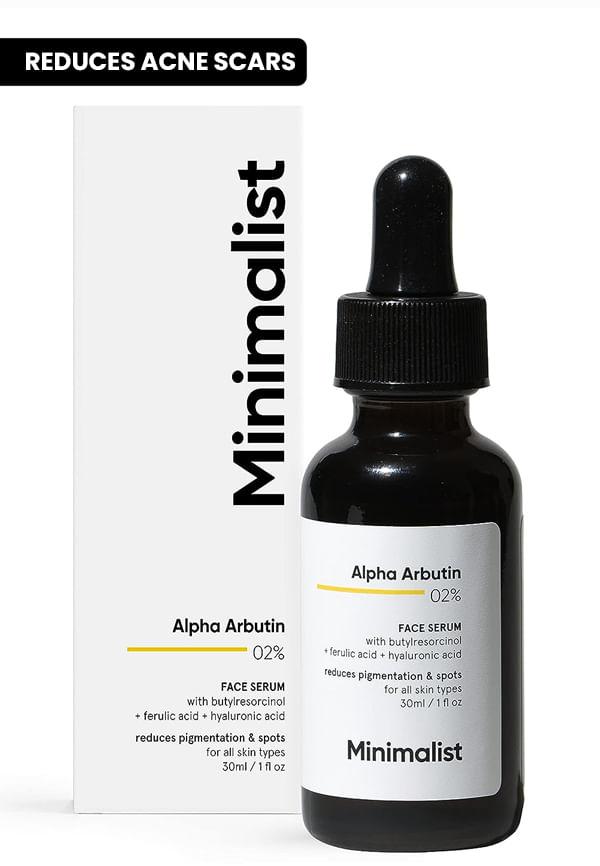 30 ml
30 ml2% Alpha Arbutin Face Serum For Hyperpigmentation
Ready to shop hyperpigmentation products that dermatologists actually recommend? Here are seven game-changing options that can help you achieve that even, glowing complexion you've been dreaming of. Each of these products targets different aspects of pigmentation, so you can find the perfect match for your specific skin concerns.
Vitamin C serums are absolute legends when it comes to sun spot removal and preventing new dark spots from forming. Look for serums with 10-20% L-Ascorbic Acid or stable derivatives like Magnesium Ascorbyl Phosphate. These skin brightening serums work by inhibiting melanin production whilst providing antioxidant protection against environmental damage.
The best part? Vitamin C serums are gentle enough for daily use and play well with most other skincare ingredients. Apply them in the morning before your moisturiser and sunscreen for maximum protection and brightening benefits.
When it comes to tackling stubborn pigmentation, retinoids are the ultimate multitaskers. These vitamin A derivatives speed up cell turnover, helping to fade dark spots whilst also improving skin texture and reducing fine lines. Whether you opt for over-the-counter retinol or prescription tretinoin, these products are particularly effective as an age spot remover.
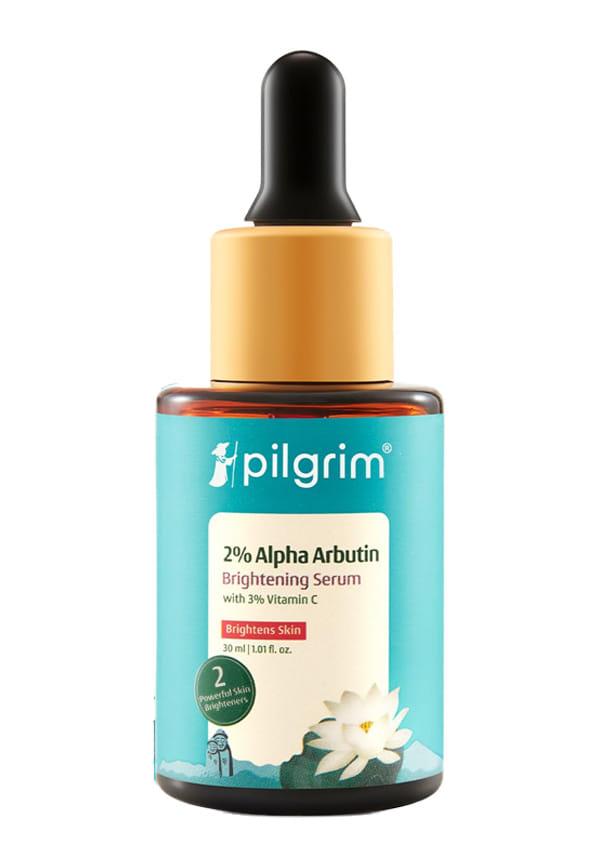 30 ml
30 mlSkin Brightening Serum With Alpha Arbutin & Vitamin C For Glowing Skin
Start slowly with retinoids—use them every third night initially and gradually increase frequency as your skin builds tolerance. Always apply them in the evening and never skip sunscreen the next day, as retinoids can make your skin more photosensitive.
Hydroquinone is often called the gold standard for hyperpigmentation treatment, and for good reason. This powerful ingredient works by inhibiting the enzyme responsible for melanin production, making it incredibly effective at helping to fade dark spots. You'll find it in concentrations of 2% in over-the-counter products, whilst higher concentrations require a prescription.
These pigmentation creams are particularly effective for melasma and stubborn sun spots. However, hydroquinone should be used with caution—limit use to 3-4 months at a time and always follow up with broad-spectrum sunscreen during the day.
If you're looking for a gentler approach to tackling hyperpigmentation, kojic acid might be your new best friend. Derived from fungi, this natural ingredient works similarly to hydroquinone but with less risk of irritation. It's particularly effective for those with sensitive skin who want to fade dark spots without the potential side effects of stronger treatments.
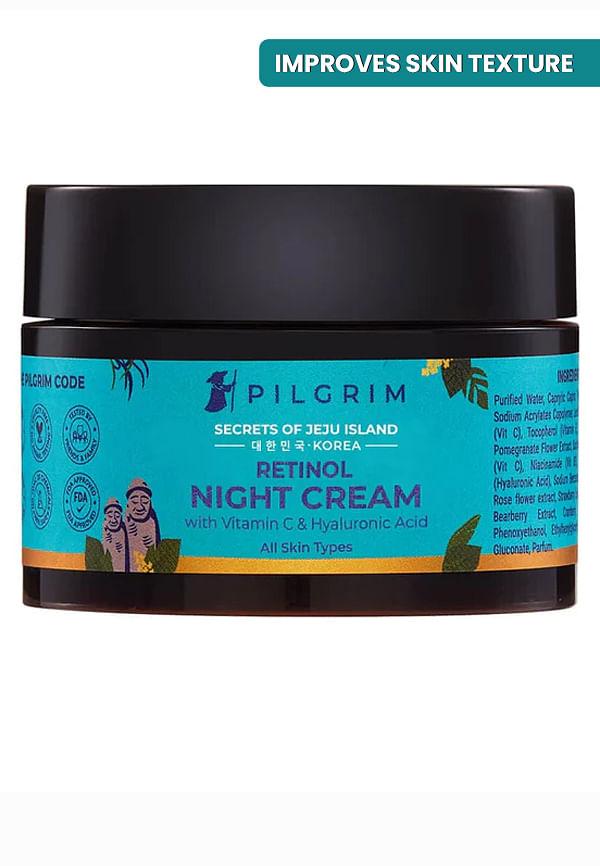 50 gm
50 gmRetinol Anti-Ageing Night Repair Cream With Vitamin C & Hyaluronic Acid
Kojic acid serums work best when used consistently over time. They're safe for long-term use and can be particularly effective when combined with other brightening ingredients like vitamin C or arbutin.
Niacinamide (vitamin B3) is the gentle giant of skincare for hyperpigmentation. This versatile ingredient not only helps fade dark spots but also regulates oil production, strengthens the skin barrier, and reduces inflammation. It's particularly effective for post-inflammatory hyperpigmentation from acne.
The beauty of niacinamide is that it's suitable for all skin types and rarely causes irritation. Look for concentrations between 5-10% for optimal results without overdoing it.
Alpha hydroxy acids like glycolic acid work by gently exfoliating the top layer of skin, helping to fade dark spots whilst improving overall skin texture. These chemical exfoliants are particularly effective for surface-level pigmentation and can help other active ingredients penetrate more effectively.
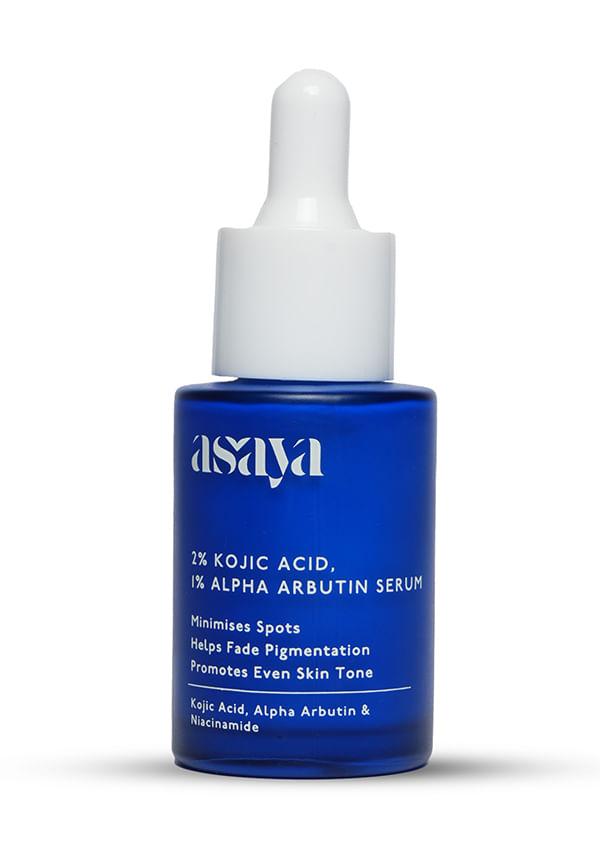 30 ml
30 ml2% Kojic Acid & 1% Alpha Arbutin Face Serum
Start with lower concentrations (5-7%) and use them 2-3 times per week. Always follow up with sunscreen, as AHAs can increase photosensitivity.
Tranexamic acid is gaining serious recognition as an effective melasma treatment and dark spot corrector. This amino acid derivative works by blocking the pathways that lead to melanin production, making it particularly effective for hormonal pigmentation.
What makes tranexamic acid special is its ability to work on multiple pathways involved in pigmentation, making it effective for even the most stubborn dark spots. It's also gentle enough for sensitive skin and can be used long-term.
Not all hyperpigmentation treatments are created equal, and what works brilliantly for your friend might not be the best fit for your skin. Understanding your skin type and specific concerns is crucial when you shop hyperpigmentation products, so let's break down the best approaches for different skin types.
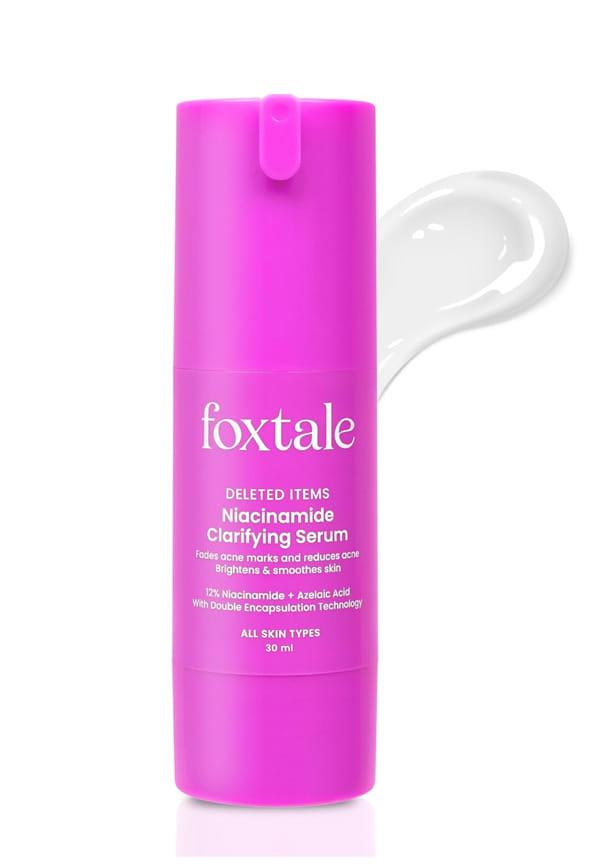 30 ml
30 mlFoxtale 12% Niacinamide Serum with Azelaic Acid for Oil Control & Brightening
For those with oily or combination skin, gel-based serums and lightweight formulations work best. Look for products that combine salicylic acid with brightening ingredients—this combination helps with both acne prevention and post-inflammatory hyperpigmentation. Niacinamide is particularly brilliant for oily skin as it regulates sebum production whilst fading dark spots.
If you have dry skin, cream-based formulations with hydrating ingredients alongside active brightening compounds are your best bet. Look for products that combine hyaluronic acid or ceramides with vitamin C or kojic acid. This ensures you're treating pigmentation without compromising your skin barrier.
Sensitive skin requires a gentler approach to skincare for hyperpigmentation. Start with lower concentrations of active ingredients and always patch test new products. Kojic acid, arbutin, and vitamin C derivatives like magnesium ascorbyl phosphate are typically well-tolerated options.
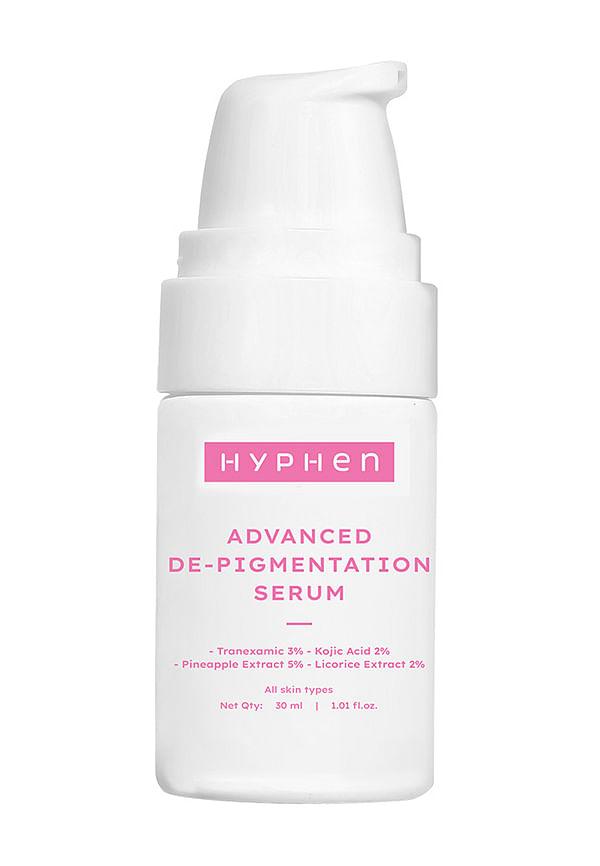 30 ml
30 mlAdvanced De-Pigmentation Serum For Hyperpigmentation, Melasma, Dark Spots & Scars
For mature skin dealing with age spots and sun damage, look for products that address multiple concerns simultaneously. Retinoids are particularly effective as they tackle pigmentation whilst also addressing fine lines and skin texture. Combining these with antioxidant-rich serums can provide comprehensive anti-ageing benefits.
Having the right products is only half the battle—knowing how to use them properly is what separates good results from amazing ones. The way you apply your hyperpigmentation treatment can significantly impact how quickly you see results and how well your skin tolerates the active ingredients.
Morning routines should focus on protection and gentle brightening. Start with a vitamin C serum applied to clean, dry skin, followed by a hydrating moisturiser and broad-spectrum SPF 30 or higher. This combination helps prevent new dark spots whilst protecting your skin from further damage.
Evening routines are when you can bring out the bigger guns. This is the perfect time for retinoids, hydroquinone, or stronger acid treatments. Always apply these products to clean, dry skin and follow with a nourishing moisturiser to prevent irritation.
Remember, consistency is key when it comes to seeing results from any hyperpigmentation treatment. Most people start seeing improvements after 4-6 weeks of regular use, with more significant results appearing after 8-12 weeks. Don't get discouraged if you don't see immediate changes—good things take time!
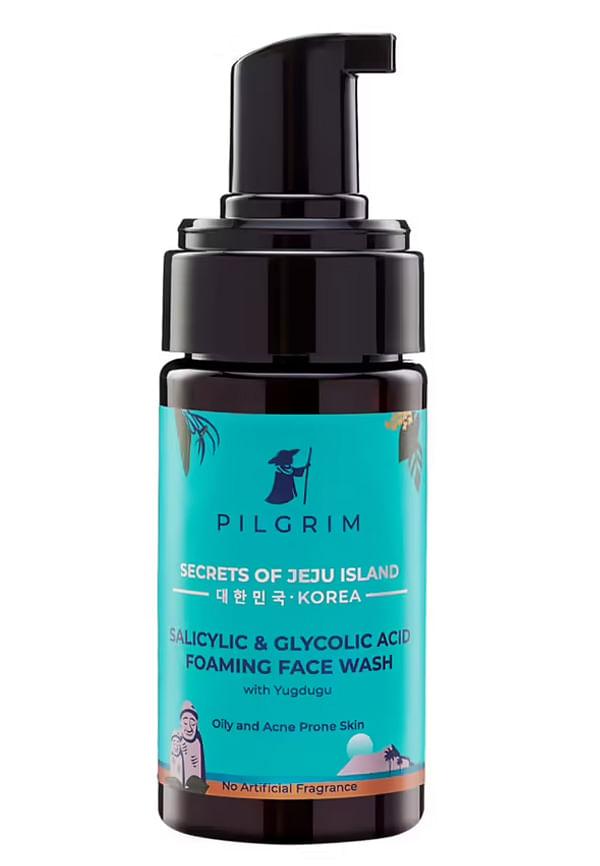 120 ml
Salicylic & Glycolic Acid Foaming Face Wash With Yugdugu
Understanding the science behind these powerhouse ingredients can help you make more informed decisions when you shop hyperpigmentation products. Each active ingredient works differently to target various aspects of melanin production and dark spot formation.
Hydroquinone remains the gold standard for a reason—it directly inhibits tyrosinase, the enzyme responsible for melanin production. At 2% concentration, it's effective yet relatively safe for most people when used correctly. However, it should be used cyclically rather than continuously to prevent potential side effects.
Not all vitamin C is created equal. L-Ascorbic Acid is the most potent form but can be unstable and irritating for some. Stable derivatives like Sodium Ascorbyl Phosphate or Magnesium Ascorbyl Phosphate offer gentler alternatives that still provide excellent brightening benefits.
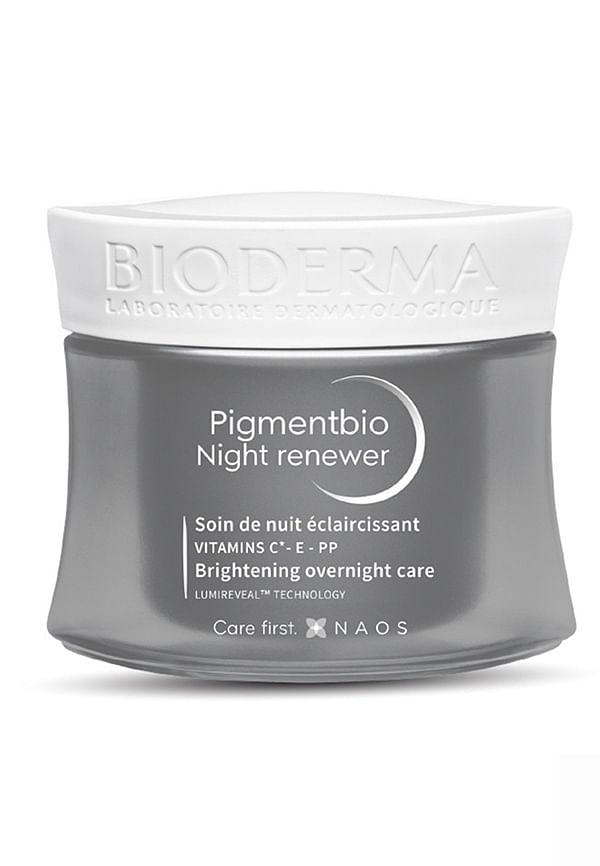 50 ml
50 mlPigmentbio Night Renewer Brightening Overnight Cream for Dark Spots, Sensitive Skin
The retinoid family includes everything from gentle retinyl palmitate to prescription-strength tretinoin. These ingredients work by accelerating cell turnover, helping to fade dark spots whilst improving overall skin texture and tone.
For those preferring natural options, kojic acid (derived from fungi), arbutin (from bearberry plants), and liquorice root extract offer effective yet gentle alternatives to synthetic ingredients. These natural compounds work more slowly but with less risk of irritation.
Creating an effective routine for skincare for hyperpigmentation isn't just about choosing the right products—it's about using them in the right order and combination to maximise results whilst minimising irritation. A well-structured routine can make the difference between seeing results in weeks versus months.
Your morning routine should focus on protection and gentle brightening. Start with a gentle cleanser, followed by a vitamin C serum, lightweight moisturiser, and broad-spectrum sunscreen. This combination provides antioxidant protection whilst preventing new dark spots from forming.
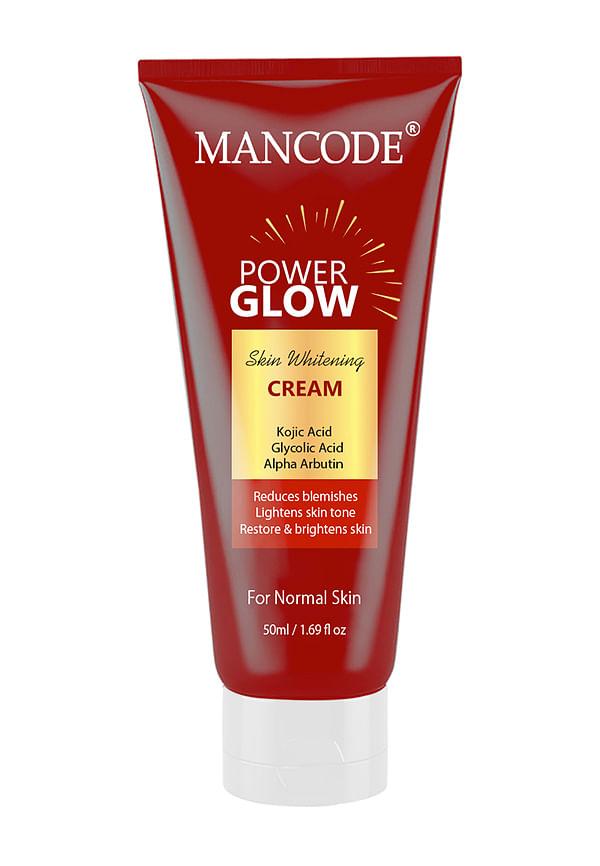 50 ml
50 mlPower Glow Skin Whitening Cream Reduces Dark Spots
Evening routines are where the real magic happens. After cleansing, apply your chosen treatment product (retinoid, hydroquinone, or acid), wait 10-15 minutes for absorption, then follow with a nourishing moisturiser. This approach helps prevent irritation whilst ensuring maximum efficacy.
Weekly treatments can include gentle exfoliation with AHAs or BHAs to help other products penetrate more effectively. However, be careful not to over-exfoliate, especially when using other active ingredients.
When you're ready to explore different hyperpigmentation treatments without committing to full-size products, platforms like Smytten make it incredibly easy to try before you buy. With curated trial packs from trusted brands, you can test multiple dark spot correctors and skin brightening serums to find what works best for your skin. This approach is particularly valuable when dealing with hyperpigmentation, as what works for one person might not work for another, and finding your perfect match often requires some experimentation.
Melasma responds best to a combination approach. Hydroquinone, tretinoin, and kojic acid are particularly effective, often used together in what's called the "Kligman formula." Tranexamic acid is also showing promising results for stubborn melasma cases. Always consult a dermatologist for melasma, as it can be particularly challenging to treat.
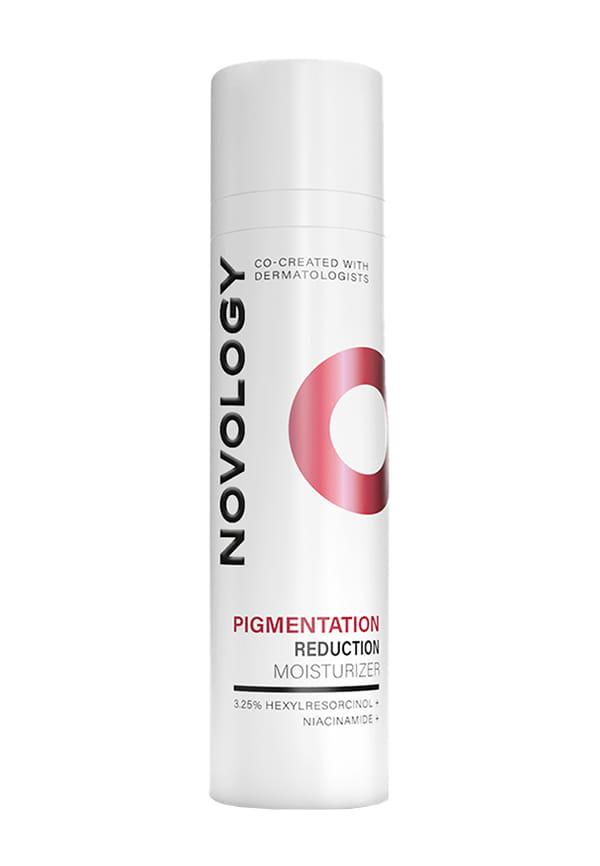 50 g
50 gPigmentation Moisturiser, Face Cream for Hyperpigmentation & Dark Spots
Most people start seeing subtle improvements after 4-6 weeks of consistent use. More significant results typically appear after 8-12 weeks. However, deeper pigmentation or melasma may take 6 months or longer to show substantial improvement. Patience and consistency are key to success.
Yes, but it requires careful layering and timing. For example, you might use vitamin C in the morning and retinoids at night. However, avoid combining potentially irritating ingredients like retinoids and AHAs in the same routine. Start with one product and gradually introduce others to avoid overwhelming your skin.
These terms are often used interchangeably, as both are caused by cumulative sun damage over time. They appear as flat, brown spots typically on areas frequently exposed to sun like the face, hands, and shoulders. The treatment approach is the same regardless of what you call them.
Not necessarily. While some high-end products may have superior formulations or packaging, many affordable options contain the same active ingredients at effective concentrations. Focus on the ingredient list and concentration rather than price point when choosing products.
Yes, especially if you don't maintain proper sun protection. Hyperpigmentation can return if the underlying triggers (sun exposure, hormonal changes, inflammation) aren't addressed. This is why consistent sunscreen use and maintenance treatments are crucial for long-term results.
Tackling hyperpigmentation doesn't have to feel overwhelming when you have the right products and knowledge. The key is understanding your specific type of pigmentation and choosing treatments that target your particular concerns. Whether you're dealing with sun spots, melasma, or post-inflammatory hyperpigmentation, there are effective options available.
Remember that consistency trumps intensity every time. It's better to use a gentler product regularly than to go overboard with strong treatments that irritate your skin. Start slowly, be patient with the process, and always prioritise sun protection to prevent new dark spots from forming.
The beauty of modern skincare is that you don't have to guess what might work for your skin. With platforms that offer trial-sized products, you can explore different formulations and find your perfect match without the commitment of full-size purchases. After all, when it comes to finding the right hyperpigmentation treatment, why settle for maybe when you can try it all and discover what truly works for your unique skin?
