7 Best Hormonal Acne Treatments That Work Fast


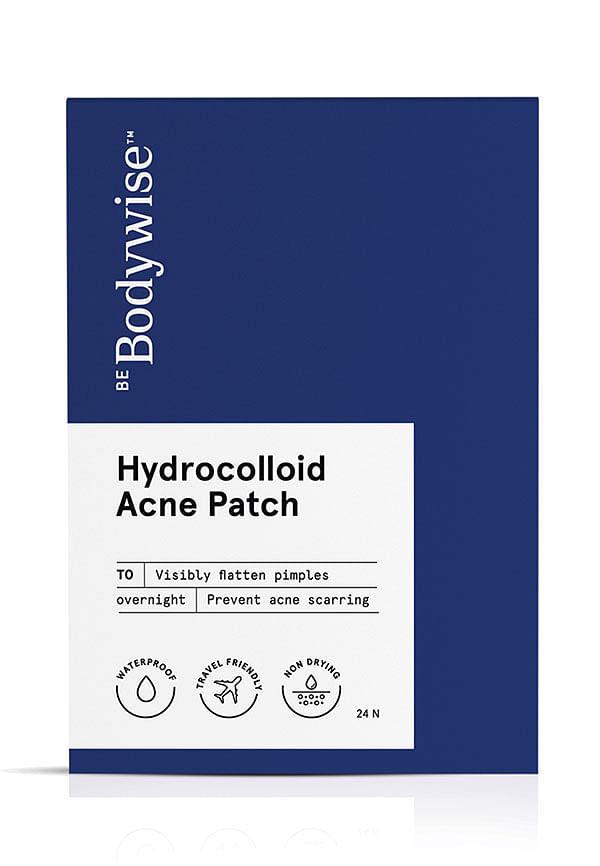 Pack of 24
Hydrocolloid Acne Pimple Patch
Dealing with hormonal acne feels like fighting a battle you can't win. Just when you think you've got it sorted, another breakout appears, usually right before that important meeting or date. Unlike the occasional spot, hormonal acne is stubborn, deep, and loves to hang around your jawline and chin like an unwelcome guest. The good news? There are proven acne treatments for hormonal acne that actually work fast when you know what you're dealing with. Let's dive into the seven most effective treatments that can help you reclaim clear skin without the guesswork.
Real talk—hormonal acne isn't your typical teenage breakout. This type of acne is triggered by fluctuating hormones, particularly androgens, which ramp up oil production in your skin. When these hormones spike (think periods, stress, or even certain foods), your sebaceous glands go into overdrive, creating the perfect storm for deep, painful cysts.
Traditional acne treatment methods often fall short because they only tackle surface-level symptoms. You might cleanse, exfoliate, and spot-treat until you're blue in the face, but if you're not addressing the hormonal root cause, you're basically putting a plaster on a leaky pipe. That's why effective hormonal acne treatment requires a more strategic approach that works from the inside out.
Finding the right acne treatment for hormonal acne can feel overwhelming, but these seven options have solid science backing them up. Each works differently, so what clicks for your skin might be different from your mate's miracle cure.
Spironolactone is basically the hormone whisperer of adult acne treatment. Originally designed as a blood pressure medication, it blocks androgen receptors, stopping those pesky hormones from triggering oil overproduction. Studies show it can reduce acne by 50-100% in many people, making it a proper game-changer for stubborn cystic acne treatment.
The catch? Patience is key. Most people see improvements around the 3-month mark, with full results taking up to 6 months. It's prescription-only, so you'll need to chat with a dermatologist first.
Tretinoin and adapalene are the heavy hitters in the retinoid family. These vitamin A derivatives speed up cell turnover, preventing dead skin cells from clogging pores. They're particularly brilliant for hormonal acne skincare because they tackle both active breakouts and prevent new ones from forming.
Start slow with these—your skin needs time to adjust. Many people experience some initial dryness or peeling, but stick with it. The results are worth the temporary adjustment period.
Benzoyl peroxide is like a bouncer for your pores, kicking out acne-causing bacteria and reducing inflammation. It's available over-the-counter in various strengths, making it an accessible option for many people dealing with hormonal breakouts.
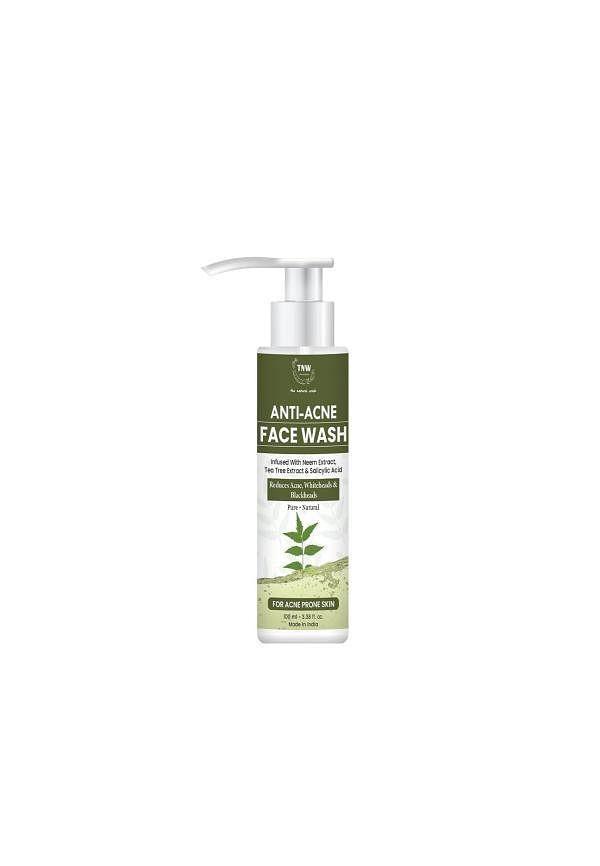 100 ml
Anti-Acne Face Wash For Acne & Blemishes
Start with a 2.5% concentration to test how your skin reacts. You can always work up to stronger formulations if needed. Pro tip: it can bleach fabrics, so use white towels and pillowcases when you're starting out.
Salicylic acid is the ultimate pore detective, diving deep to dissolve the gunk that leads to blackheads and whiteheads. As a beta hydroxy acid, it's oil-soluble, meaning it can penetrate through sebum to clean out pores properly.
Look for leave-on treatments rather than wash-off cleansers for better results. Concentrations between 0.5% and 2% work well for most people as part of their skincare for hormonal acne routine.
Certain birth control pills can help regulate the hormonal fluctuations that trigger breakouts. The combined pill containing both oestrogen and progestin can reduce androgen activity, leading to clearer skin over time.
This option works particularly well for people whose acne flares around their menstrual cycle. However, it's not suitable for everyone, and you'll need to discuss the pros and cons with your GP or dermatologist.
Sometimes you need to bring in the professionals. Chemical peels using glycolic or salicylic acid can provide deeper exfoliation than at-home treatments. Light therapy, particularly blue light for bacteria and red light for inflammation, offers another high-tech approach to stubborn acne.
These treatments often work best as part of a comprehensive plan rather than standalone solutions. They can provide faster initial results while other treatments build up their effectiveness.
Tea tree oil for acne has genuine antimicrobial properties that can help reduce breakouts. Studies show 5% tea tree oil can be as effective as 5% benzoyl peroxide, though it works more slowly.
Other natural acne remedies worth considering include green tea (applied topically or consumed), zinc supplements, and alpha hydroxy acids from natural sources. While these might not work as quickly as prescription options, they can be valuable additions to your routine.
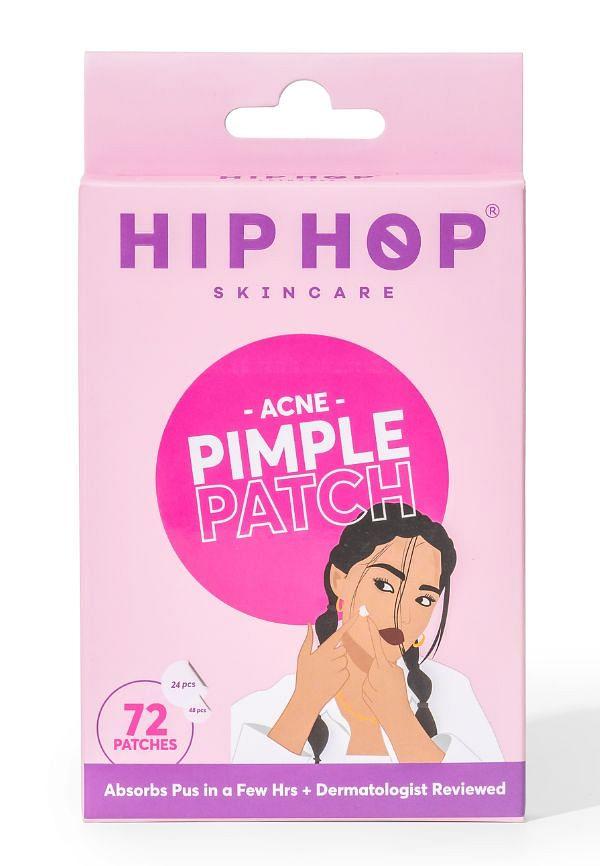 72 Patches
Acne Patch with Hydrocolloid & Salicylic Acid
The real magic happens when you combine treatments strategically. Most dermatologists recommend a multi-pronged approach that addresses different aspects of hormonal acne simultaneously. This might mean using a topical retinoid in the evening, benzoyl peroxide in the morning, and taking an oral medication to tackle hormones from within.
The key is introducing treatments gradually to avoid overwhelming your skin. Start with one treatment, give your skin 2-4 weeks to adjust, then slowly add others. This approach helps you identify what's actually working and reduces the risk of irritation that could make your acne worse.
A solid hormonal acne skincare routine doesn't need to be complicated, but it does need to be consistent. Start with a gentle, non-comedogenic cleanser that won't strip your skin's natural barrier. Harsh scrubbing might feel satisfying, but it can actually make hormonal acne worse by triggering more oil production.
Layer your treatments thoughtfully—thinnest to thickest consistency. Apply any prescription treatments to clean, dry skin, wait a few minutes, then follow with moisturiser. Don't skip the moisturiser, even if your skin feels oily. Dehydrated skin can actually produce more oil to compensate.
Keep mornings simple with a gentle cleanser, any prescribed topical treatments, moisturiser, and broad-spectrum SPF. Sun protection is crucial when using acne treatments, as many can increase photosensitivity.
Evenings are perfect for more intensive treatments like retinoids or stronger concentrations of active ingredients. Your skin repairs itself overnight, making it the ideal time for these powerhouse ingredients to work their magic.
While topical treatments tackle the surface symptoms, supporting your body's natural hormone balance can provide additional benefits. Regular exercise helps regulate hormones and reduces stress, which is a major acne trigger. Adequate sleep is equally important—your body produces more stress hormones when you're sleep-deprived.
Diet plays a role too, though it's not as straightforward as avoiding chocolate. Some people find that reducing dairy or high-glycemic foods helps their skin, but this varies from person to person. The best approach is to notice patterns in your own skin and adjust accordingly.
When you're exploring different treatments and products, platforms like Smytten make it easier to try before you commit. With access to trial-sized products from trusted skincare brands, you can test what works for your skin without the financial risk of full-size purchases that might not suit you.
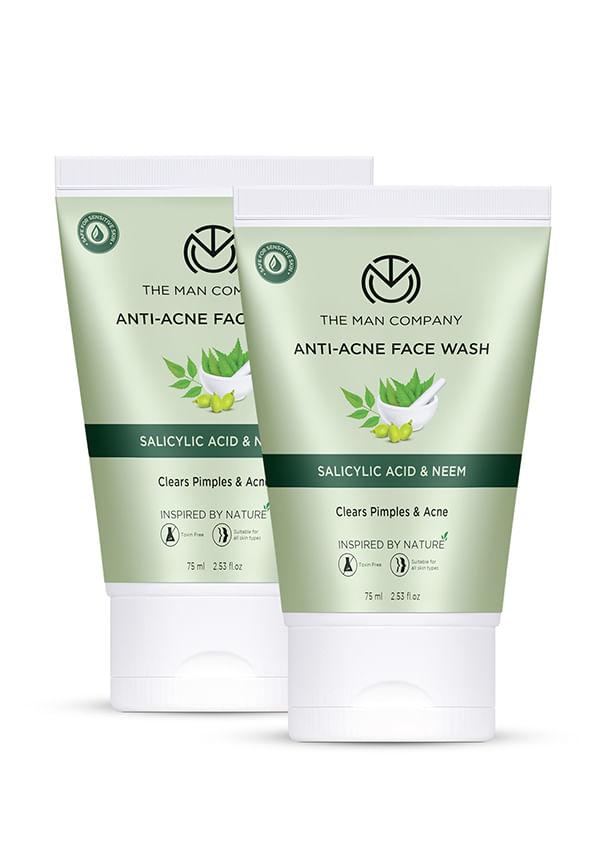 75 ml*2
Anti- Acne
Some signs indicate it's time to see a dermatologist rather than trying to handle things solo. If you're dealing with deep, painful cysts that leave scars, or if over-the-counter treatments haven't made a dent after 6-8 weeks of consistent use, professional intervention can save you time and prevent permanent scarring.
Severe cystic acne treatment might require stronger medications like isotretinoin, which can provide long-term remission but needs careful monitoring. A dermatologist can also help you navigate the maze of treatment options and create a personalised plan based on your specific skin type and concerns.
The most effective approach typically combines topical treatments like retinoids or benzoyl peroxide with hormonal regulation through medications like spironolactone or birth control. The best combination depends on your individual skin type, severity of acne, and overall health profile.
While there's no overnight cure, combining professional treatments like chemical peels with consistent daily skincare can show improvements in 4-6 weeks. Prescription treatments like spironolactone typically take 3-6 months for full results, but some people notice changes sooner.
Yes, benzoyl peroxide can be effective for hormonal acne by reducing bacteria and inflammation. However, it works best as part of a comprehensive treatment plan that also addresses the hormonal triggers, rather than as a standalone solution.
Topical treatments like retinoids and benzoyl peroxide can show initial improvements in 4-8 weeks, while hormonal treatments like spironolactone typically require 3-6 months for significant results. Patience and consistency are crucial for success.
Many acne treatments aren't suitable during pregnancy, including retinoids and some oral medications. Safe options include certain topical antibiotics, azelaic acid, and gentle skincare routines. Always consult your healthcare provider before starting any new treatments during pregnancy.
Hormonal acne might feel like an uphill battle, but with the right combination of treatments, clear skin is absolutely achievable. The key is understanding that effective acne treatment for hormonal acne requires patience, consistency, and often a multi-faceted approach that addresses both the symptoms and underlying hormonal triggers.
Remember, what works brilliantly for your friend might not be your skin's cup of tea, and that's completely normal. The journey to clear skin is personal, and finding your perfect routine might take some trial and error. That's where having access to trial-sized products becomes invaluable—you can explore different formulations and brands without the commitment of full-size purchases. With over 25 million users trusting platforms like Smytten to help them discover their perfect skincare matches, you're definitely not alone in this journey. After all, why settle for maybe when you can try it all and find what truly works for your unique skin?
