7 Best Foods for Clear Skin Naturally


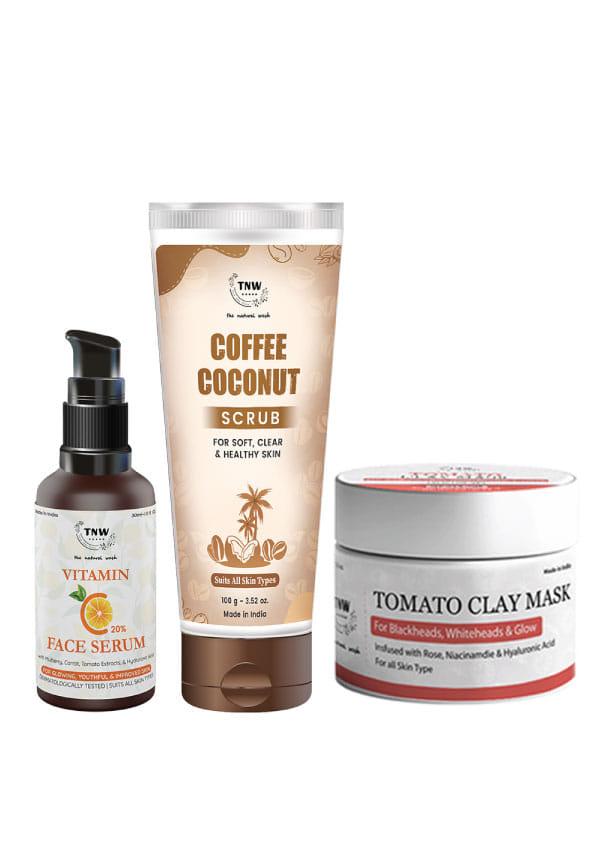 Combo
ComboTomato Clay Mask, Coffee Coconut Scrub & Vitamin C Face Serum for Glowing Skin
Let's be real—scrolling through endless skincare routines whilst your skin throws tantrums can feel overwhelming. But here's something that might surprise you: the secret to clearer skin could be sitting right in your kitchen. Your diet for clear skin plays a massive role in how your complexion behaves, and the best part? You don't need expensive treatments to see real changes. From anti-inflammatory powerhouses to skin-loving nutrients, the right foods for clear skin can transform your complexion from the inside out. Ready to discover which everyday foods could be your skin's new best mates?
Your skin isn't just reacting to what you put on it—it's responding to everything you put in your body. When you follow a proper skin clearing diet, you're essentially giving your skin the building blocks it needs to repair, protect, and glow naturally.
The science is pretty fascinating. Certain foods trigger inflammation in your body, which shows up as breakouts, redness, and irritation on your skin. High-glycemic foods (think white bread and sugary snacks) cause insulin spikes that ramp up sebum production—basically, your skin starts producing more oil than it knows what to do with. Meanwhile, foods rich in omega-3s and antioxidants work like internal skincare, fighting inflammation and supporting your skin barrier.
There's also this incredible connection between your gut and your skin called the gut-skin axis. When your digestive system is happy and balanced, your skin tends to follow suit. Poor gut health can lead to increased inflammation throughout your body, including your face.
Now, about timing—don't expect overnight miracles. Most people start noticing subtle improvements within 2-3 weeks of switching to an anti-inflammatory diet for skin. Real, lasting changes typically show up around the 6-8 week mark. Your skin cells have a natural turnover cycle of about 28 days, so patience is key.
These aren't just trendy superfoods—they're scientifically backed skin saviours that actually work. Each one brings something unique to your healthy skin diet, from fighting inflammation to supporting collagen production.
Salmon, mackerel, and sardines are absolute legends when it comes to skin health foods. They're packed with omega-3 fatty acids that act like natural anti-inflammatories, helping calm angry, breakout-prone skin. These healthy fats also strengthen your skin barrier, keeping moisture in and irritants out.
Aim for 2-3 servings per week. If fresh fish feels too pricey, canned options work brilliantly—just check the labels for low sodium versions. Try adding flaked salmon to salads or making sardine toast with avocado for a skin-loving combo.
Spinach, kale, and Swiss chard are basically multivitamins in vegetable form. They're loaded with vitamins A, C, and E—the holy trinity for skin cell regeneration and protection against environmental damage.
The trick to maximising their benefits? Pair them with a bit of healthy fat (like olive oil or nuts) to help your body absorb those fat-soluble vitamins. Not a fan of greens? Try blending them into smoothies with berries—you'll barely taste them, promise.
Blueberries, strawberries, and blackberries are tiny but mighty when it comes to skin protection. They're bursting with anthocyanins and vitamin C, which boost collagen production and fight free radical damage that can lead to premature ageing and dull skin.
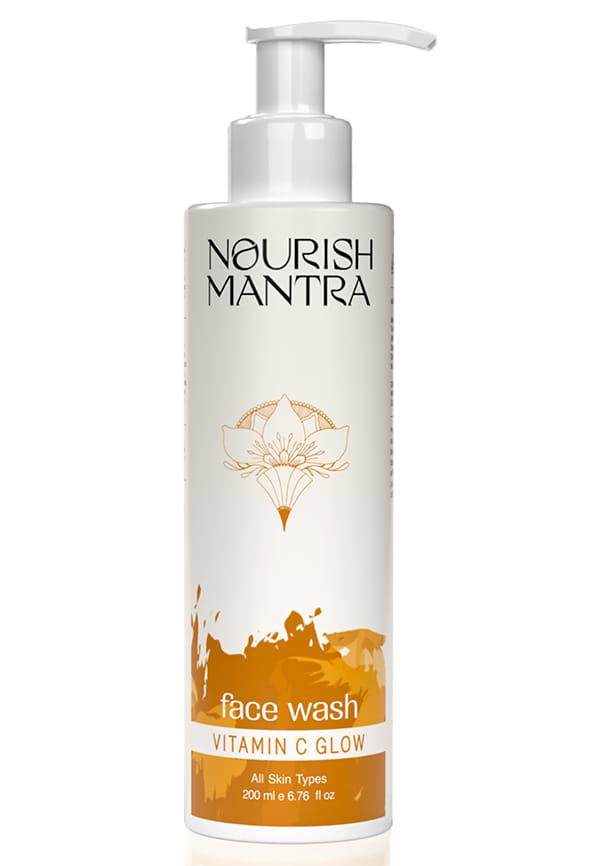 200 ml
Vitamin C Glow Face Wash with Aloe Vera for Bright & Glowing Skin
Fresh or frozen both work—frozen berries are often more budget-friendly and just as nutritious. Add them to yoghurt, oats, or eat them as a sweet snack when sugar cravings hit.
Avocados deserve their superfood status, especially for skin health. They're rich in monounsaturated fats that help keep skin hydrated from within, plus vitamin E and glutathione—powerful antioxidants that protect against skin damage.
Beyond the classic avocado toast, try adding slices to salads, blending into smoothies for creaminess, or making a simple guacamole with lime and herbs.
These orange beauties are packed with beta-carotene, which your body converts to vitamin A—essential for healthy skin cell turnover. This means fresher, brighter skin and fewer clogged pores.
Roasting or steaming actually increases the bioavailability of beta-carotene, so cooked versions are even better than raw. Try roasted sweet potato wedges or add grated carrots to stir-fries and salads.
Pumpkin seeds, walnuts, and Brazil nuts are brilliant for acne-prone skin. Zinc helps regulate oil production and has anti-inflammatory properties, whilst selenium protects against oxidative stress.
A small handful (about 30g) daily is perfect. Store them in airtight containers to keep them fresh, and try sprinkling them on salads, yoghurt, or eating them as a mid-afternoon snack.
Green tea contains EGCG catechins—powerful compounds that reduce inflammation and may help control sebum production. It's like a gentle, internal treatment for your skin.
Brew it at 70-80°C (not boiling) and steep for 3-5 minutes to get the most benefits without the bitterness. Aim for 2-3 cups daily, and remember—you can also use cooled green tea as a facial toner.
Knowing what to avoid is just as important as knowing what to eat when you're following the best diet for acne. These foods can trigger inflammation and worsen breakouts, so it's worth being mindful of them.
High-glycemic foods like white bread, sugary cereals, and processed snacks cause rapid blood sugar spikes. This triggers insulin release, which can increase oil production and inflammation—not exactly what acne-prone skin needs.
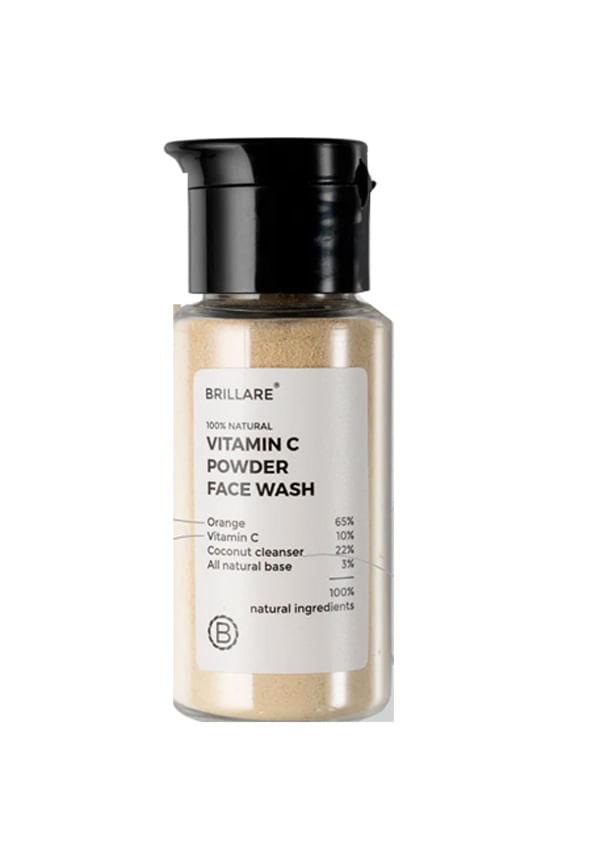 15 gm
15 gmVitamin C Powder Face Wash For Bright, Glowing Skin
Dairy products are tricky. They contain IGF-1 (insulin-like growth factor), which can stimulate oil glands and potentially worsen acne. If you suspect dairy might be affecting your skin, try eliminating it for 4-6 weeks to see if you notice improvements.
Processed and fried foods are loaded with trans fats and inflammatory oils that can trigger systemic inflammation. Think chips, fast food, and heavily processed snacks—they're not doing your skin any favours.
Excess sugar doesn't just hide in obvious places like sweets and fizzy drinks. Check labels on sauces, cereals, and even "healthy" snacks—sugar can sneak in everywhere and contribute to inflammation.
Alcohol dehydrates your skin and depletes essential nutrients like vitamin A and zinc that your skin needs to stay healthy. It can also disrupt sleep, which affects your skin's natural repair processes.
Creating a skincare diet plan doesn't have to be complicated. Here's a simple framework that incorporates all those skin-loving foods whilst keeping things realistic and delicious.
Breakfast could be overnight oats with berries and walnuts, or avocado toast with a sprinkle of pumpkin seeds. Both options pack in antioxidants and healthy fats to start your day right.
Lunch might feature a big salad with leafy greens, roasted sweet potato, and grilled salmon, dressed with olive oil and lemon. This hits multiple skin-supporting nutrients in one meal.
Dinner could be stir-fried vegetables with tofu or lean protein, served over quinoa. Add some steamed broccoli and carrots for extra beta-carotene.
Snacks are where you can get creative—green tea with a small handful of Brazil nuts, or sliced apple with almond butter. Keep it simple but nourishing.
Hydration is crucial too. Aim for 8-10 glasses of water daily, and consider herbal teas like chamomile or rooibos for variety. Your skin will thank you for the extra moisture.
Let's set realistic expectations about your acne diet journey. Whilst some people notice subtle improvements within a week (usually better hydration and less puffiness), real changes take time.
Week 1-2: You might notice improved digestion and energy levels. Your skin might look slightly more hydrated, but don't expect dramatic changes yet.
Week 3-4: This is when many people start seeing the first real improvements—fewer new breakouts, less redness, and a subtle glow starting to emerge.
Week 6-8: The magic happens here. Your skin's natural turnover cycle means you're seeing the results of consistently good nutrition. Existing blemishes heal faster, and your overall complexion looks clearer.
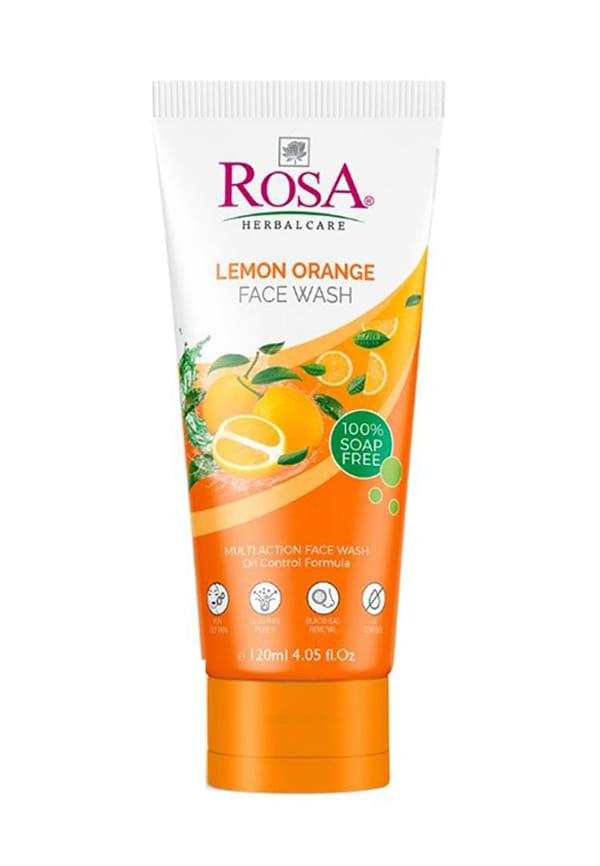 120 ml
Face wash Lemon and Orange I For All skin I Natural & Herbal ingredients I For soft and smooth skin
Month 3 and beyond: This is where the long-term benefits really shine. Your skin barrier is stronger, breakouts are less frequent, and you've likely identified which foods work best for your unique skin.
Remember, everyone's skin responds differently. Factors like genetics, stress levels, sleep quality, and existing skincare routines all play a role in how quickly you'll see results.
Foods rich in omega-3s (like salmon), antioxidant-packed berries, and hydrating options like cucumber and watermelon tend to show benefits most quickly. However, consistency matters more than speed—sustainable changes take time.
Diet plays a huge role, but it works best alongside a good skincare routine and healthy lifestyle habits. Think of nutrition as the foundation—it supports everything else you're doing for your skin.
Most people notice subtle changes within 2-3 weeks, with more significant improvements around 6-8 weeks. Your skin's natural renewal cycle takes about 28 days, so patience is key.
High-glycemic foods like white bread and sugary snacks tend to be the biggest culprits, followed by dairy for some people. The key is identifying your personal triggers through careful observation.
Not necessarily. Try eliminating dairy for 4-6 weeks to see if your skin improves, then gradually reintroduce it. Some people are more sensitive than others, and you might find you can tolerate certain dairy products better than others.
Your journey to clearer skin through nutrition doesn't have to be overwhelming. Focus on adding more foods for clear skin rather than obsessing over restrictions. Include omega-3 rich fish, antioxidant-packed berries, and plenty of leafy greens in your daily routine. Stay hydrated, be patient with the process, and remember that consistency beats perfection every time.
Just like finding the right skincare products, discovering what works for your skin takes time and experimentation. That's where platforms like Smytten come in handy—with over 1,500 trusted brands including skincare favourites like Cetaphil and Dot & Key, you can try different products through curated trial packs without committing to full sizes. Whether you're supporting your new skin-clearing diet with the right cleanser or exploring serums that complement your nutritional efforts, being able to try before you buy makes the journey so much easier. After all, why settle for 'maybe' when you can try it all and find what truly works for your unique skin?
