7 Best Face Sunscreens for Flawless Skin
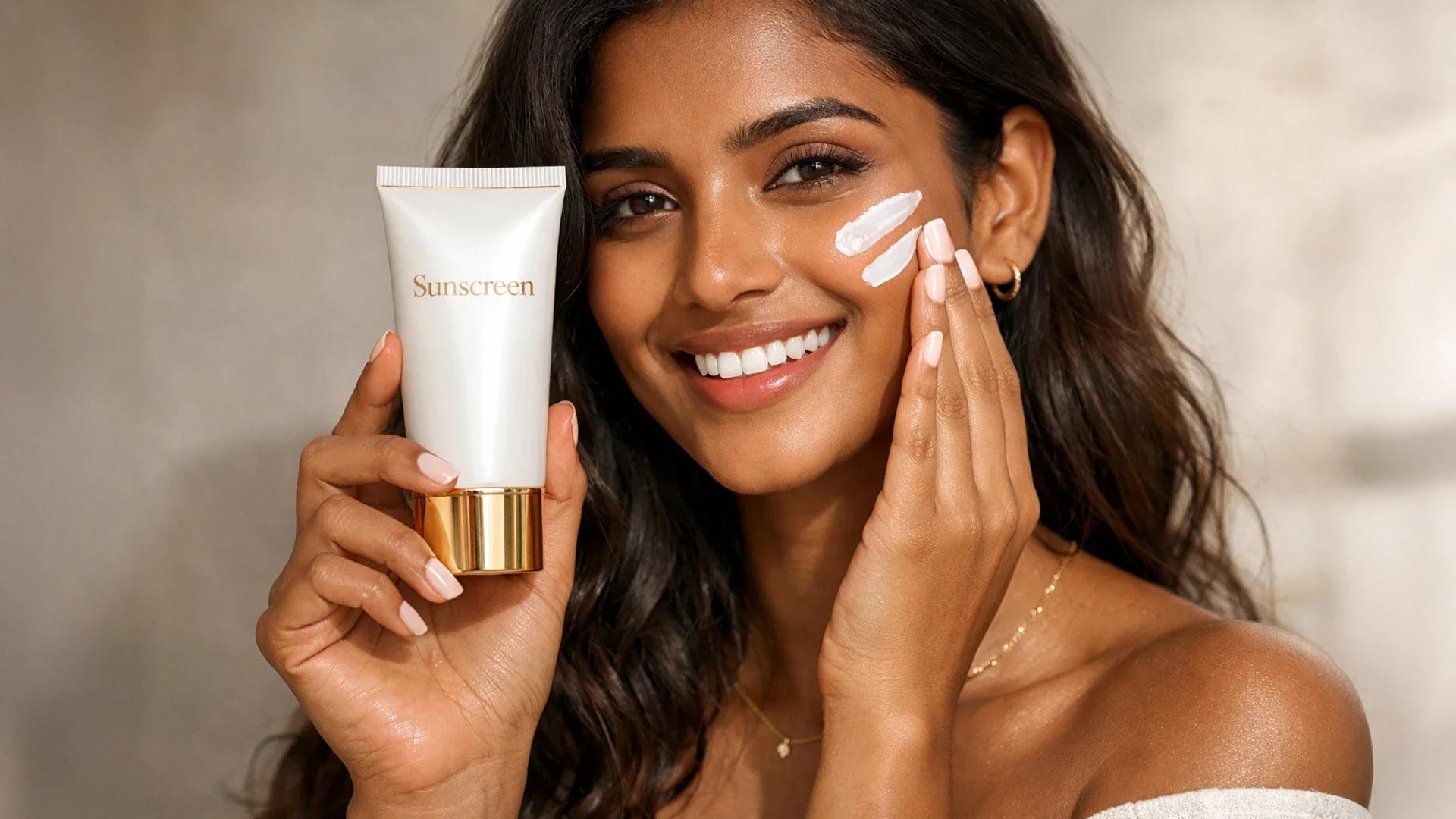

Let's be real—finding the perfect face sunscreen with SPF can feel like searching for a needle in a haystack. With countless options promising everything from invisible coverage to anti-ageing benefits, it's easy to get overwhelmed. But here's the thing: your face deserves better than just any old sunscreen. The skin on your face is more delicate and exposed than the rest of your body, which means it needs specialised protection that won't clog pores, leave you looking like a ghost, or feel like you've slathered on thick cream. Whether you're dealing with oily skin that rebels against heavy formulas or sensitive skin that reacts to everything, we've rounded up seven brilliant options that actually deliver on their promises.
Think of daily facial sunscreen as your skin's best friend—the one that's always got your back, even when you don't realise you need protection. UV rays don't take days off, and neither should your sun protection for face. Even on cloudy days, up to 80% of UV rays can penetrate through clouds, which means your skin is constantly under attack from harmful radiation that causes premature ageing, dark spots, and worse.
The difference between face and body sunscreens isn't just marketing fluff. Face formulas are specifically designed to be lighter, less greasy, and more compatible with makeup. They're also formulated to work well with the natural oils your facial skin produces without causing breakouts or that dreaded shiny look. Regular use of a quality face sunscreen with SPF can prevent up to 90% of visible ageing signs, making it the most cost-effective anti-ageing product in your skincare arsenal.
SPF numbers can be confusing, but here's the simple truth: SPF face cream with SPF 30 blocks about 97% of UVB rays, whilst SPF 50 blocks around 98%. That 1% difference might not sound like much, but for daily wear, SPF 30 is perfectly adequate for most people. However, if you're spending extended time outdoors or have fair skin that burns easily, SPF 50 gives you that extra buffer.
What's equally important is the PA rating—those little plus signs you see on many sunscreens. PA++++ offers the highest level of UVA protection, which is crucial because UVA rays are the sneaky ones that cause long-term damage and hyperpigmentation. The best face sunscreen will always offer broad-spectrum protection, meaning it shields you from both UVA and UVB rays. Remember, even the highest SPF won't help if you're not reapplying every two hours during sun exposure.
After testing countless formulas and considering different skin types and concerns, these seven sunscreen for face options stand out for their performance, wearability, and real-world results. Each brings something unique to the table, whether it's invisible coverage, skin-loving ingredients, or budget-friendly protection.
This non-greasy sunscreen face formula ticks all the boxes—lightweight texture, no white cast, and plays well with makeup. It absorbs quickly without leaving that sticky feeling, making it perfect for daily wear. The broad-spectrum protection ensures you're covered against both UVA and UVB rays, whilst the addition of hyaluronic acid keeps skin hydrated throughout the day.
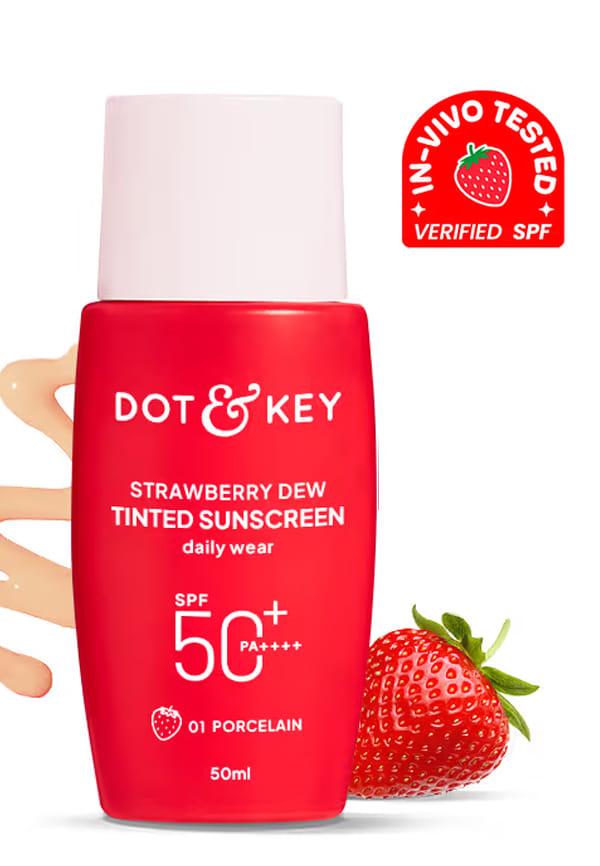 50 ml
50 mlStrawberry Dew Tinted Sunscreen, In-Vivo Tested SPF 50+ PA++++
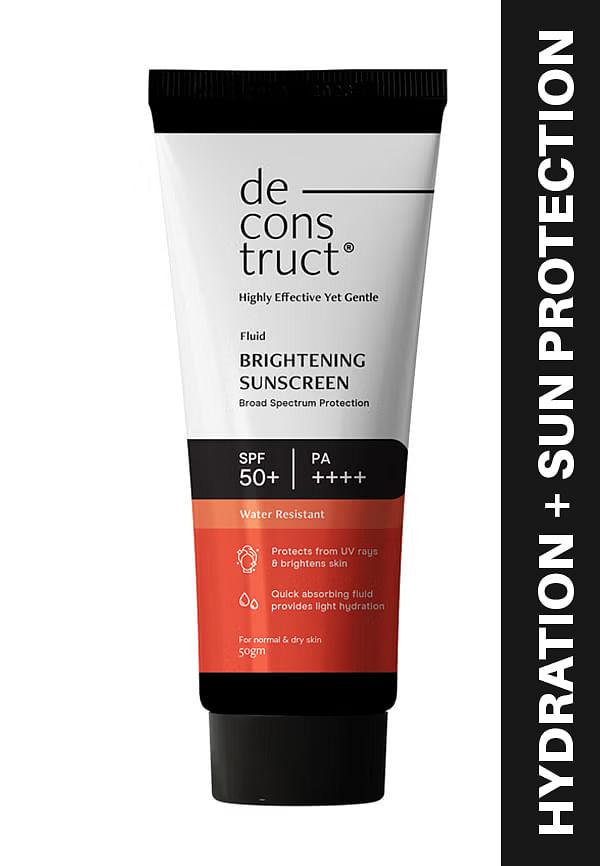 50 gm
50 gmFluid Brightening Sunscreen for Dry Skin with Spf 50+ And Pa++++
Gel-based formulas are your best friend if you're dealing with oily or combination skin. This particular option mattifies as it protects, helping control shine without compromising on coverage. The non-comedogenic formula won't clog pores, making it an excellent choice for those prone to breakouts.
For those who prefer mineral face sunscreen, this zinc oxide and titanium dioxide formula offers gentle yet effective protection. Modern mineral sunscreens have come a long way—this one blends seamlessly without the chalky white residue that older formulas were notorious for. It's particularly brilliant for sensitive skin types.
Why choose between coverage and protection when you can have both? This tinted face sunscreen offers light to medium coverage whilst delivering serious sun protection. Available in multiple shades, it works as a lightweight foundation alternative that won't budge throughout the day.
Sensitive skin deserves protection too, and this fragrance-free, hypoallergenic formula delivers without irritation. The sunscreen for sensitive skin is dermatologist-tested and free from common irritants, making it suitable even for those with conditions like rosacea or eczema.
Effective sun protection doesn't have to break the bank. This budget-friendly option proves that you can get quality daily facial sunscreen protection without spending a fortune. It offers reliable broad-spectrum coverage in a no-fuss formula that gets the job done.
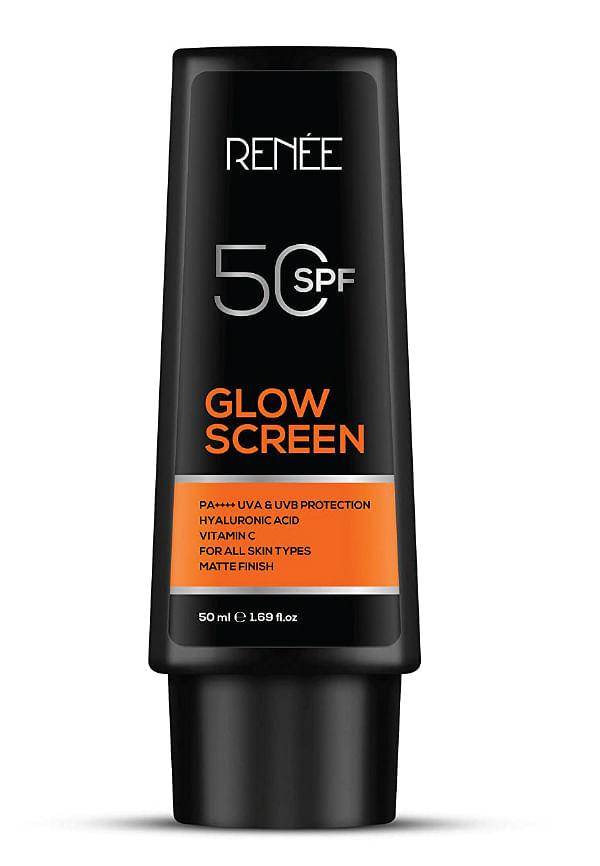 50 ml
50 mlSPF 50 Glowscreen Cream
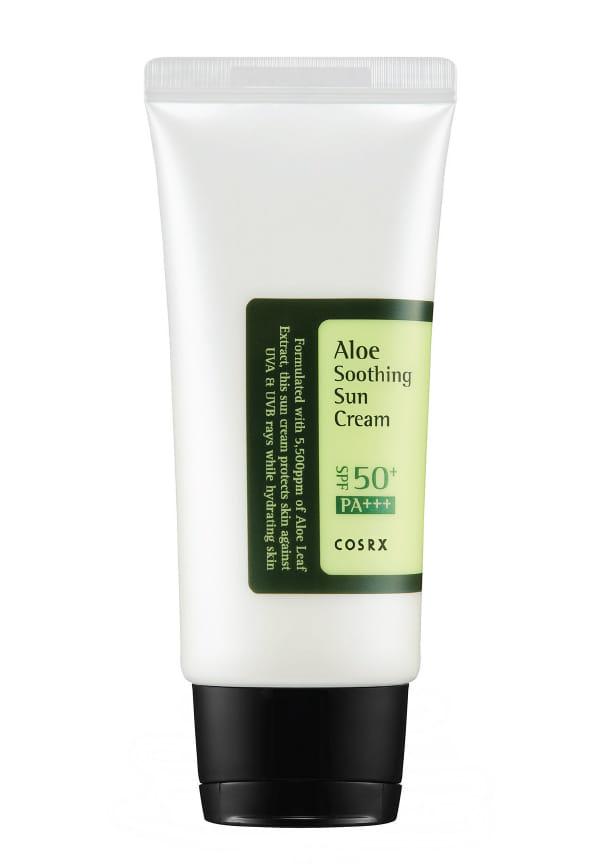 50 ml
50 mlAloe Soothing Sun Cream SPF 50 PA+++
Sometimes it's worth investing in premium protection. This high-end option combines sun protection with anti-ageing ingredients like peptides and antioxidants. Think of it as your skincare and sun protection rolled into one luxurious package.
Your skin type plays a huge role in determining which face sunscreen with SPF will work best for you. What works brilliantly for your friend with dry skin might leave your oily complexion looking like an oil slick by lunchtime. Understanding your skin's specific needs is key to finding your perfect match.
Look for face sunscreen for acne prone skin that's oil-free and non-comedogenic. Gel textures work particularly well as they absorb quickly without adding extra shine. Avoid heavy, cream-based formulas that might clog pores or exacerbate breakouts.
Cream-based sunscreens with added moisturising ingredients are your best bet. Mineral face sunscreen options are often gentler on sensitive skin, as they sit on top of the skin rather than being absorbed. Look for formulas with ceramides or hyaluronic acid for added hydration.
The trickiest skin type to cater for, combination skin benefits from lightweight formulas that won't overwhelm oily areas whilst still providing adequate moisture for drier zones. Gel-cream hybrids often work well, offering the best of both worlds.
If you're dealing with dark spots or uneven skin tone, consistent use of sun protection for face is absolutely crucial. UV exposure can worsen existing hyperpigmentation and create new dark spots, undoing months of treatment progress. The key is finding a formula that not only protects but also supports your skin's natural repair processes.
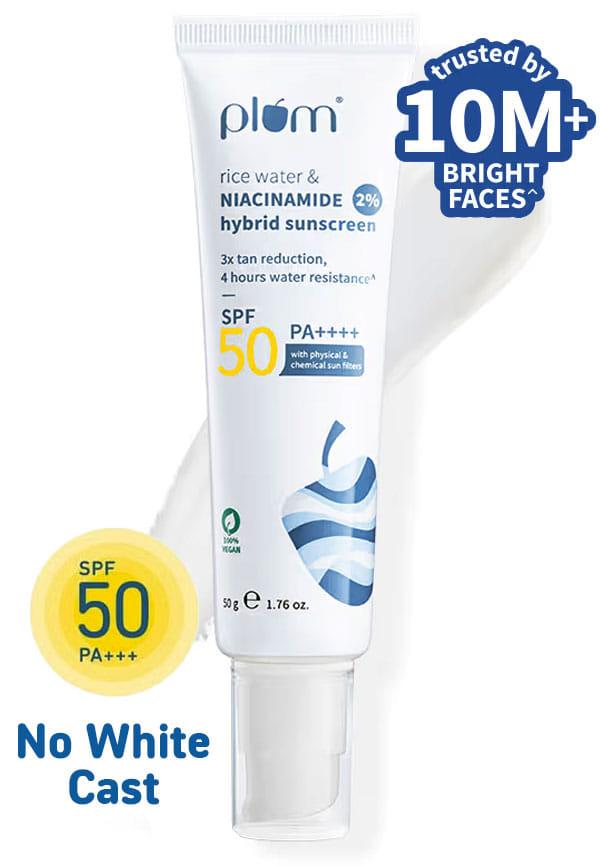 50 gm
50 gm2% Niacinamide & Rice Water Hybrid Face Sunscreen with SPF 50 PA+++
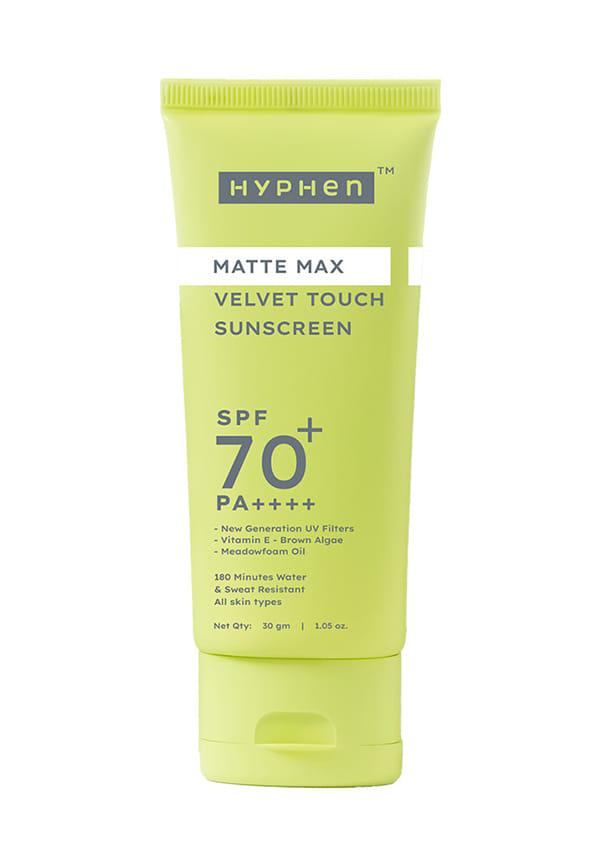 30 g
30 gMatte Max Velvet Touch Sunscreen SPF70+PA++++ | Sweat & Water Resistant
Many modern sunscreens now include ingredients like niacinamide or vitamin C, which can help brighten skin whilst providing protection. Some even offer blue light protection—increasingly important given our screen-heavy lifestyles. When you're trying to fade dark spots, think of sunscreen as your first line of defence rather than just another skincare step.
Even the best face sunscreen won't protect you properly if you're not applying it correctly. The golden rule is about a quarter teaspoon for your face and neck—that's roughly the size of a 50p coin. Most people use far less than this, which dramatically reduces the protection they're getting.
Apply your daily facial sunscreen at least 15-20 minutes before heading outside to give it time to properly bind to your skin. If you're wearing makeup, let your sunscreen set completely before applying foundation or concealer. For reapplication throughout the day, powder sunscreens or setting sprays with SPF can be lifesavers, especially over makeup.
One common mistake is thinking that makeup with SPF is enough protection on its own. Whilst it's better than nothing, you're unlikely to apply enough foundation to get the stated SPF protection. Always use a dedicated sunscreen as your base layer.
This is where platforms like Smytten become invaluable for skincare enthusiasts. With over 1,500 trusted brands available in trial sizes, you can test different SPF face cream options without committing to full-size products. Getting up to 8 minis for just ₹249 means you can try various formulas to find your perfect match—whether you're looking for a non-greasy sunscreen face option or a tinted face sunscreen that works with your skin tone.
SPF 30 is sufficient for daily use and blocks 97% of UVB rays, whilst SPF 50 blocks 98% and is better for extended outdoor activities. The most important factor is consistent daily application rather than the exact SPF number.
Dermatologists typically recommend SPF 30 as the minimum for daily facial protection, with SPF 50 being ideal for those with fair skin or high sun exposure. Look for broad-spectrum protection that covers both UVA and UVB rays.
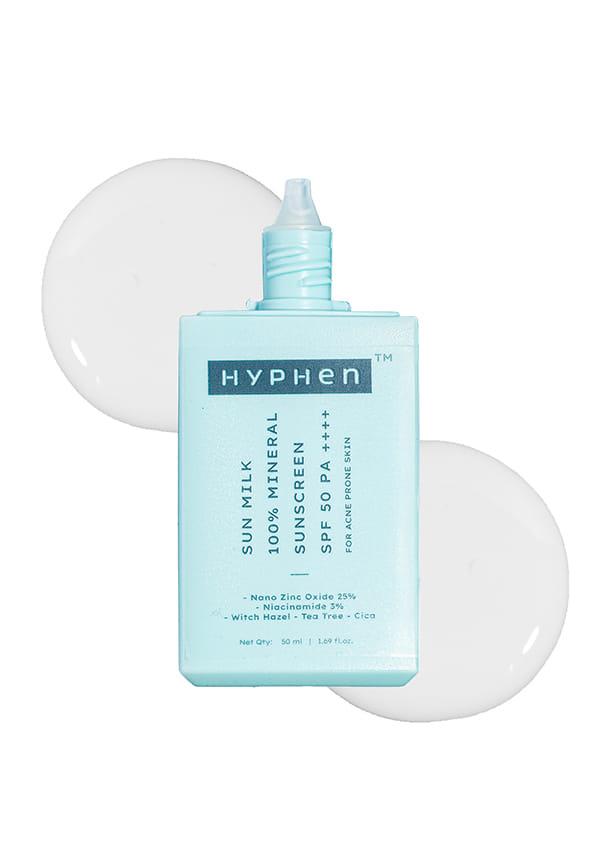 50 ml
50 mlSun Milk 100% Mineral Sunscreen SPF 50 PA++++ 25% Nano Zinc Oxide
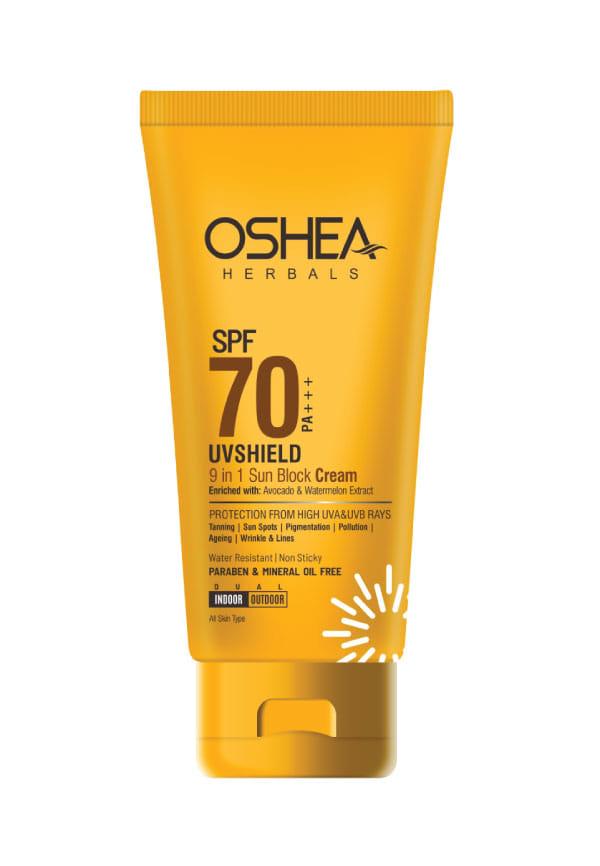 60 gm
60 gmUVshield 9 In 1 Sun Block Cream SPF-70 PA+++
Broad-spectrum sunscreens with additional skin-brightening ingredients like niacinamide or vitamin C work best. Mineral sunscreens are often gentler on sensitive, hyperpigmented skin and provide excellent protection without irritation.
Absolutely! Choose a lightweight, fast-absorbing formula that won't pill under makeup. Allow 15-20 minutes for the sunscreen to set before applying foundation or other makeup products.
Reapply every two hours when outdoors, or immediately after swimming or sweating. For daily indoor use, morning application is usually sufficient unless you're near windows with direct sunlight.
Not necessarily. Many affordable options provide excellent protection. The key factors are broad-spectrum coverage, appropriate SPF level, and a formula that you'll actually want to use daily. Sometimes premium options offer additional skincare benefits that justify the cost.
Finding your perfect face sunscreen with SPF is a journey worth taking. Your skin will thank you not just today, but years down the line when you're still glowing whilst others are dealing with sun damage. The key is consistency—the best sunscreen is the one you'll actually use every single day.
Remember, with Smytten's trial platform, you don't have to guess which formula will work for your skin. Try different options, discover what feels right, and make informed decisions about your skincare routine. After all, why settle for maybe when you can try it all and find exactly what your skin needs?
