7 Best Collagen Boosters for Radiant Skin


Let's be real—your skin's collagen production starts taking a nosedive after 25, and by 35, you're looking at a 25% reduction. Not exactly the glow-up we signed up for, right? But here's the thing: while you can't stop time, you can definitely give your skin the backup it needs. Collagen production supplements and targeted collagen boosters are having a proper moment, and for good reason. They work from the inside out, supporting your skin's natural ability to stay plump, firm, and radiant. Ready to discover the seven game-changers that could become your skin's new best friends?
Think of collagen as your skin's scaffolding—it's what keeps everything lifted, smooth, and bouncy. When collagen synthesis slows down (thanks, ageing), you start noticing fine lines, sagging, and that general 'meh' feeling about your reflection. This is where collagen production supplements come in clutch.
Unlike topical creams that sit on the surface, these supplements work at the cellular level. They provide your fibroblasts (the cells responsible for making collagen) with the raw materials they need to keep churning out fresh, quality collagen. We're talking amino acids like proline, glycine, and hydroxyproline—the building blocks your skin craves.
Your body's natural collagen production is like a well-oiled machine when you're young, but several factors can throw a spanner in the works. UV exposure, sugar consumption, stress, and simply getting older all mess with your fibroblasts' ability to do their job properly.
The clever bit about quality supplements is their bioavailability—how well your body can actually use what you're giving it. Hydrolysed forms break down proteins into smaller peptides that your digestive system can absorb more easily, making them far more effective than whole collagen proteins.
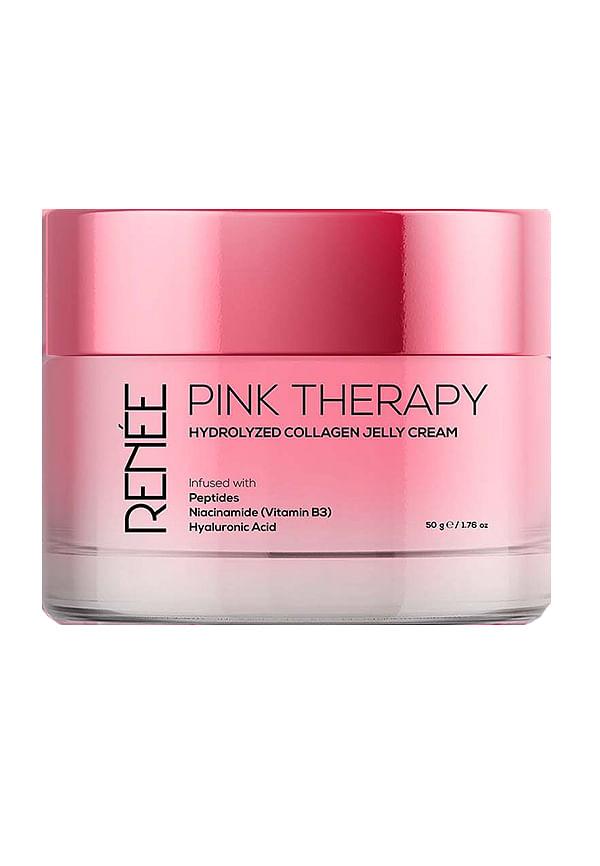 50 gm
50 gmTherapy Hydrolyzed Collagen Jelly Cream
Right, let's dive into the good stuff. These seven collagen boosters have proper science backing them up, and they're worth considering if you're serious about supporting your skin elasticity and overall skin firmness.
Collagen peptides are basically the MVP of the supplement world when it comes to skin support. These are collagen proteins that have been broken down into smaller, more absorbable pieces. Types I and III are your skin's favourites—they're what make up about 80% of your skin's structure.
The sweet spot for dosage is typically 10-20g daily, and powder forms tend to be more bioavailable than capsules. Mix it into your morning smoothie or coffee, and you're sorted. The molecular weight matters here—look for peptides under 3,000 Daltons for optimal absorption.
Here's something that might surprise you: without adequate vitamin C, your body literally cannot make collagen. It's essential for the hydroxylation process that stabilises collagen fibres. Think of it as the supervisor making sure everything's built properly.
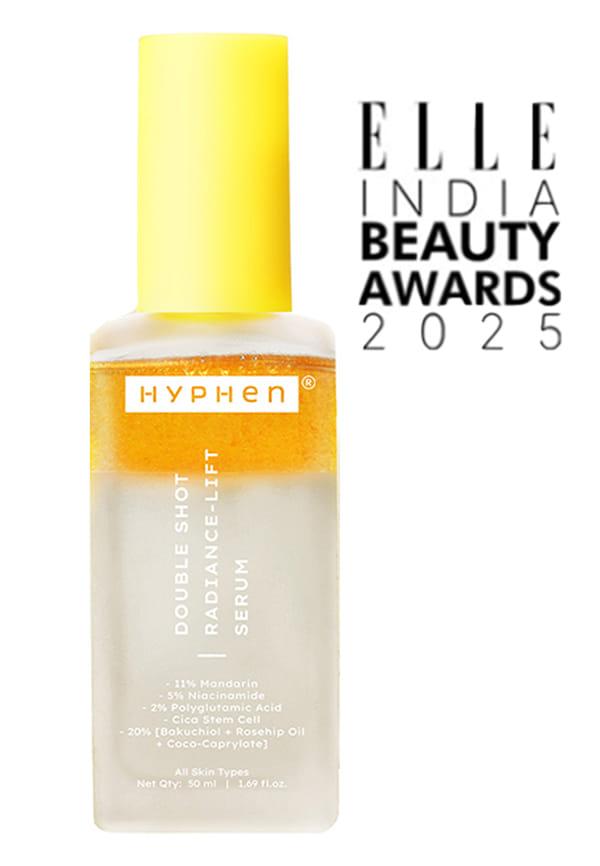 50 gm
50 gm18% Brightening + 20% Collagen Face Serum| Brightening & Collagen Boost
Around 1000mg daily is the sweet spot for collagen support, though you might want to split this into smaller doses throughout the day to avoid any tummy upset. L-ascorbic acid is the most potent form, but buffered versions are gentler if you've got a sensitive stomach.
These two minerals work as a team in collagen formation—zinc helps with protein synthesis whilst copper is crucial for cross-linking collagen fibres. The ratio matters: aim for about 15mg zinc to 2mg copper to keep things balanced.
Signs you might be deficient include slow wound healing, brittle nails, or that general feeling that your skin's lost its bounce. Food sources are great, but supplementation ensures you're getting consistent amounts.
Whilst hyaluronic acid is famous for holding up to 1000 times its weight in water, it also stimulates fibroblasts to produce more collagen. Low molecular weight versions (under 50 kDa) tend to penetrate better when taken orally.
The typical dose ranges from 100-200mg daily, and it plays particularly well with collagen peptides. Think of it as creating the perfect environment for your new collagen to thrive in.
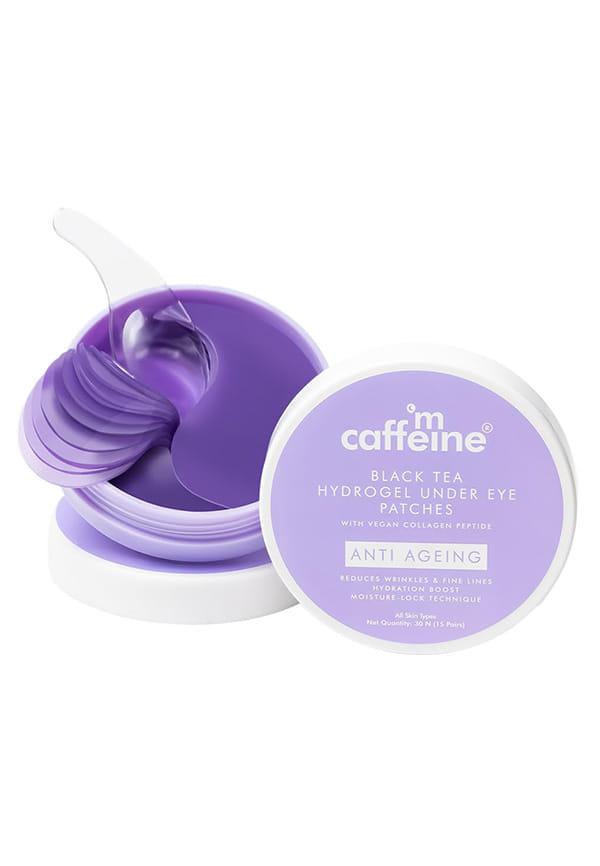 15 Pairs
Black Tea Under Eye Patches |Collagen Peptide
Ginseng isn't just for energy—its ginsenosides have been shown to boost collagen production whilst fighting inflammation that can break down existing collagen. Clinical studies suggest it can improve skin elasticity within 8-12 weeks.
Look for standardised extracts with at least 4% ginsenosides, and take it in the morning as it can be a bit stimulating. Around 200-400mg daily is typically effective.
The acemannan and polysaccharides in aloe vera can actually wake up lazy fibroblasts and encourage them to get back to work. When taken internally, it provides systemic support rather than just surface-level benefits.
Quality matters enormously here—look for supplements that specify the concentration of active compounds. Around 100-200mg of standardised extract daily is a good starting point.
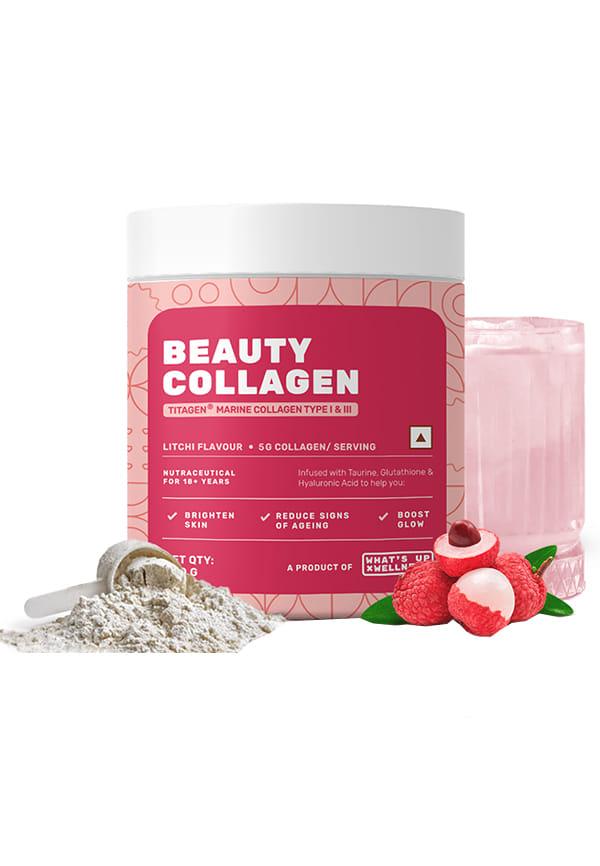 200 gm
Beauty Collagen with Glutathione, Biotin, & Vitamin C - Litchi Flavour
Silica is like the glue that helps collagen fibres stick together properly. Bamboo extract is one of the richest sources, providing the structural support your collagen matrix needs to stay strong and flexible.
It's particularly brilliant for anyone following a plant-based lifestyle, as it supports collagen formation without requiring animal-derived ingredients. Around 10-20mg daily from bamboo extract is typically sufficient.
When it comes to anti-aging supplements and wrinkle reduction supplements, the key is understanding that not all formulas are created equal. Some combine multiple ingredients for synergistic effects, whilst others focus on delivering high doses of single nutrients.
Your age actually matters when choosing supplements. In your twenties, prevention is key—lighter doses of vitamin C and zinc might be sufficient. Hit your thirties, and you'll want to add collagen peptides to the mix. Forties and beyond? Time to bring out the big guns with comprehensive formulas that address multiple pathways.
Quality markers to look for include third-party testing, proper dosing (not fairy dusting), and transparent labelling. Avoid anything that promises overnight miracles or uses proprietary blends that hide actual ingredient amounts.
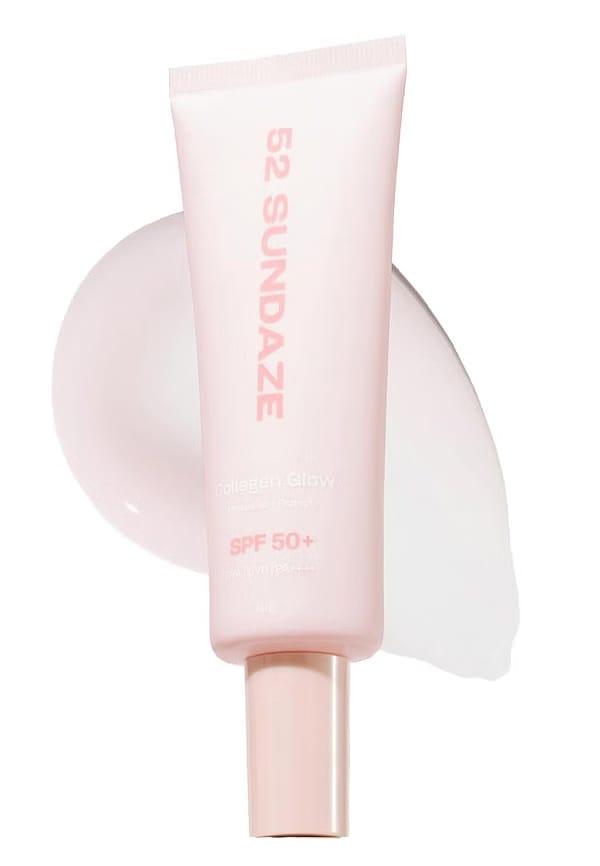 50 gm
50 gmSPF 50 Collagen Glow Sunscreen Cream PA++++
The form of your skin health supplements can make or break their effectiveness. Let's break down what actually works and what's just clever marketing.
Powder forms typically offer the best bioavailability, especially for collagen peptides. They're easy to mix into drinks and allow for flexible dosing. The downside? Some taste pretty grim, and they're not exactly travel-friendly.
Capsules and tablets win on convenience and standardised dosing. Look for enteric-coated versions if you're taking vitamin C or other potentially irritating nutrients. They're perfect for consistent daily routines.
Liquid supplements absorb quickly but often have stability issues and can be pricey. They're worth considering if you struggle with pills or powders.
Timing can actually impact how well your supplements work. Collagen peptides are best taken on an empty stomach—first thing in the morning or between meals. Vitamin C can be taken with food to reduce potential stomach upset.
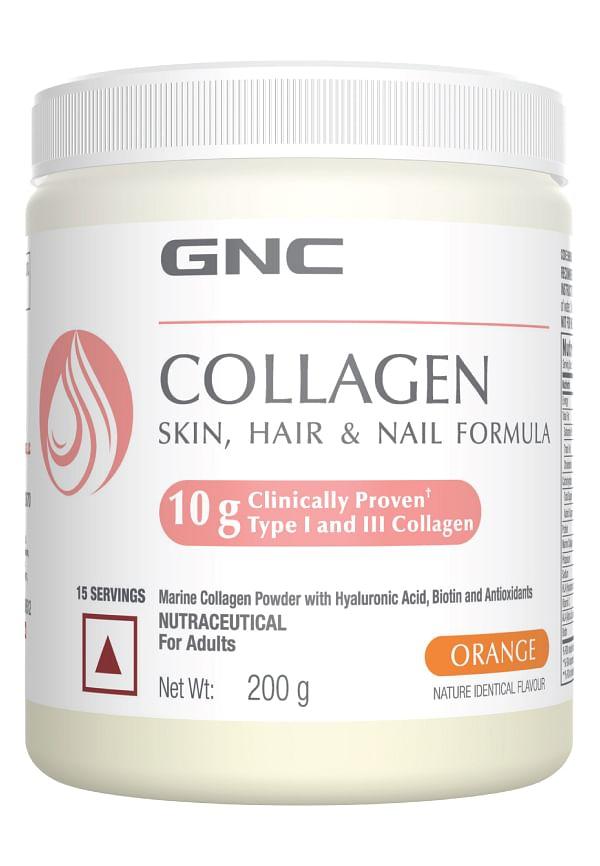 200 gm
Marine Collagen with Hyaluronic Acid, Biotin & Antioxidants - Orange
Most people start seeing results around the 8-12 week mark, so patience is key. Your skin cells have a natural turnover cycle, and it takes time for new, healthier collagen to make its way to the surface.
If you're plant-based, focus on collagen support rather than direct collagen supplementation. Key amino acids like proline, glycine, and lysine can be found in plant sources, whilst silica, vitamin C, and zinc provide the cofactors needed for synthesis.
Whilst plant-based options might take a bit longer to show results compared to direct collagen supplementation, they can still be effective when combined with a comprehensive approach.
Real talk: supplements work best when they're part of a bigger picture. Your lifestyle choices can either support or sabotage your collagen support efforts, so let's make sure you're not working against yourself.
Sleep is when your body does most of its repair work, including collagen synthesis. Aim for 7-9 hours of quality sleep, and consider taking your supplements before bed if they don't contain stimulating ingredients like ginseng.
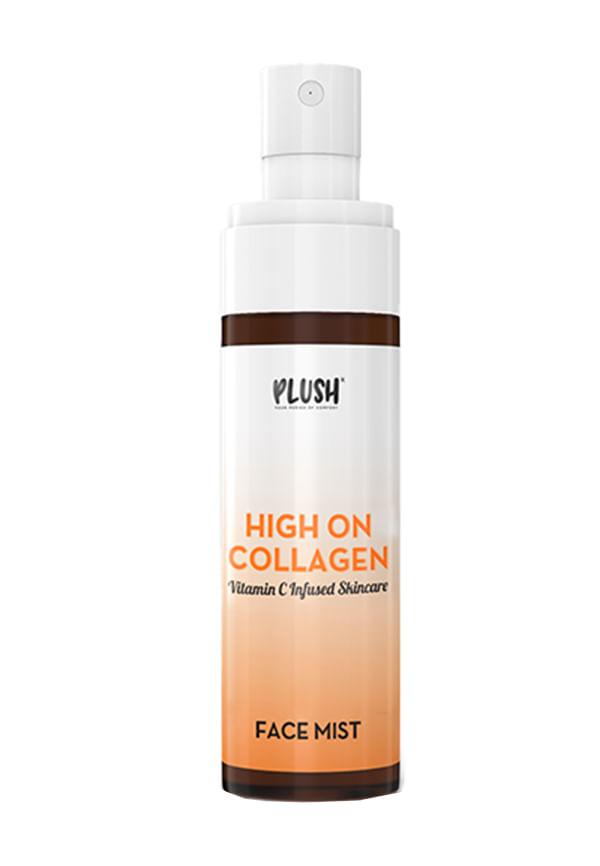 100 ml
High on Collagen Face Mist with Niacinamide & Aloe vera extract
Exercise, particularly resistance training, can stimulate collagen production by creating controlled stress that encourages repair and rebuilding. Plus, better circulation means nutrients get delivered more efficiently to your skin cells.
Diet-wise, focus on foods rich in vitamin C, zinc, and amino acids. Think citrus fruits, leafy greens, nuts, seeds, and quality protein sources. Limit sugar and processed foods, which can damage existing collagen through glycation.
Most collagen boosters are pretty gentle, but there are a few things to keep in mind. Some people experience mild digestive upset when starting collagen peptides—usually because they're taking too much too quickly. Start with smaller doses and gradually increase.
High doses of vitamin C can cause stomach upset or diarrhoea in sensitive individuals. Zinc can interfere with copper absorption if taken long-term without balancing, which is why combination supplements often work better.
Quality is crucial—cheap supplements might contain heavy metals or other contaminants. Stick to reputable brands that provide third-party testing certificates. If you're pregnant, breastfeeding, or taking medications, chat with your healthcare provider before starting any new supplements.
Platforms like Smytten make it easier to try different supplement brands through their trial packs, letting you test products before committing to full-size purchases. With over 1,500 trusted brands available, you can explore various skin health supplements and find what works best for your skin without the financial risk.
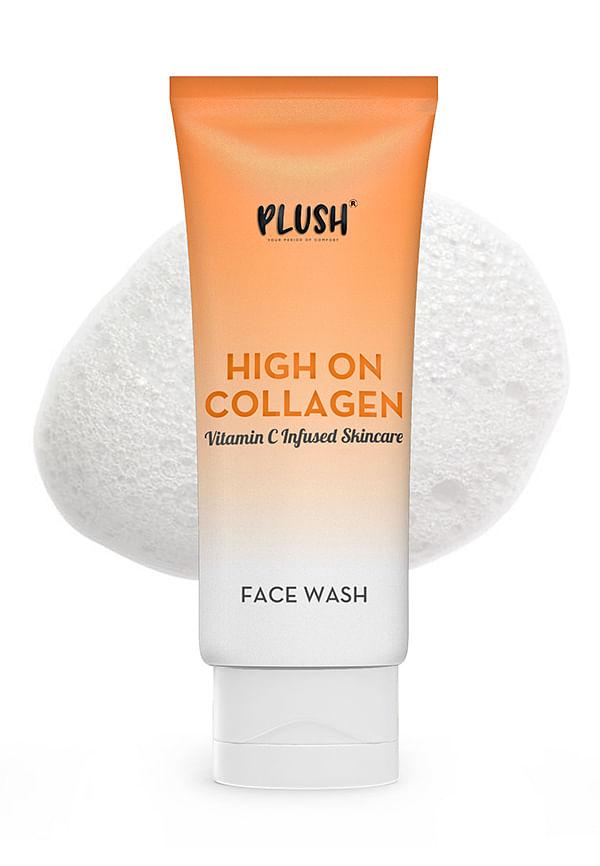 100 ml
High on Collagen Gentle Face Wash with Niacinamide
Hydrolysed collagen peptides combined with vitamin C tend to be the most effective for supporting natural collagen production. The peptides provide direct building blocks whilst vitamin C ensures proper synthesis.
Most people notice improvements in skin texture and hydration within 4-6 weeks, with more significant changes in skin firmness and elasticity appearing around 8-12 weeks of consistent use.
Yes, many collagen boosters work synergistically. Combining collagen peptides with vitamin C, zinc, and hyaluronic acid can enhance overall effectiveness, but start slowly to assess tolerance.
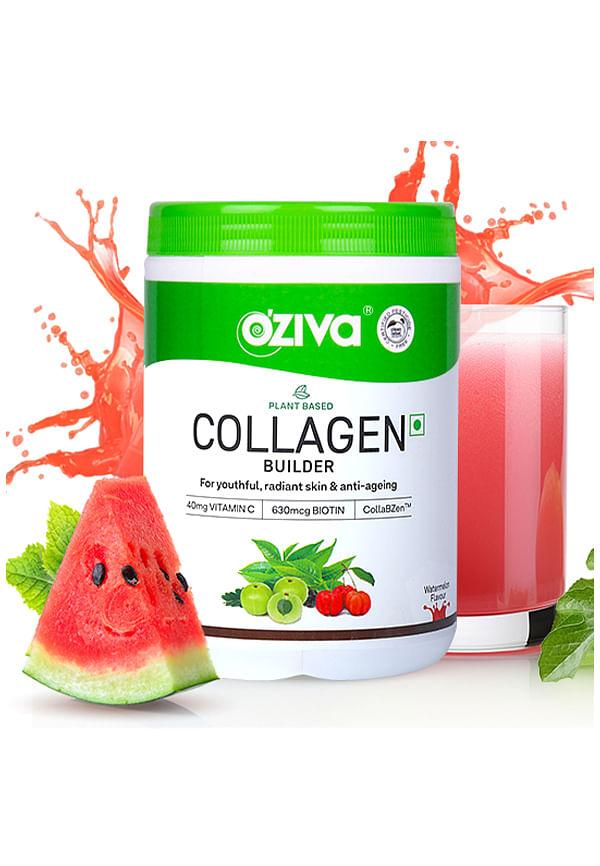 250 gm
Collagen Builder for Anti-Ageing & Skin Radiance with Vitamin C, Watermelon
Whilst most collagen supplements are considered safe, it's best to consult your healthcare provider during pregnancy or breastfeeding, especially for higher-dose formulations or combination products.
Some people experience mild digestive upset when starting collagen supplements, particularly if taking large doses on an empty stomach. Starting with smaller amounts and taking with food can help minimise this.
Generally yes, but those with eczema should be cautious about potential allergens in supplements and may want to start with single-ingredient products to identify any triggers.
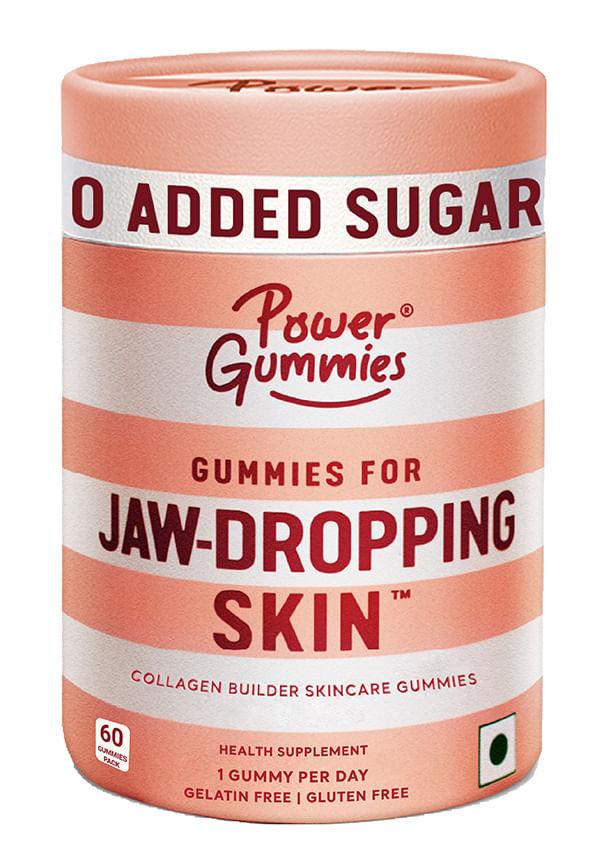 60 Gummies
Jaw Dropping Gummies for Skin with Vitamin C & collagen builder, 0 Added Sugar
Collagen peptides are direct collagen proteins broken down for absorption, whilst collagen builders are nutrients that support your body's natural collagen production process, like vitamin C and zinc.
Poor absorption, inadequate dosing, low-quality ingredients, or unrealistic expectations can all impact results. Look for hydrolysed forms with proven bioavailability and give them adequate time to work.
Supporting your skin's collagen production doesn't have to be complicated, but it does require consistency and the right approach. The seven collagen boosters we've covered—from hydrolysed peptides to silica—each play unique roles in maintaining healthy, resilient skin.
Start with the basics: quality collagen peptides and vitamin C form an excellent foundation. From there, you can add targeted nutrients based on your specific needs and preferences. Remember, supplements work best as part of a holistic approach that includes proper sleep, nutrition, and sun protection.
The beauty of exploring skin health supplements today is that you don't have to commit blindly to expensive products. With Smytten's trial packs, you can discover what works for your skin through their curated selection of over 1,500 trusted brands. Getting up to 8 minis for just ₹249, plus 100% cashback for future purchases, makes it easier than ever to find your perfect collagen support routine. After all, why settle for 'maybe' when you can try it all and find what truly works for your skin?
