7 Best Acne Skincare Routine Steps Revealed


Let's be real—acne can feel like that uninvited guest who just won't leave the party. You've probably tried countless products, followed influencer routines, and maybe even sworn off certain foods, only to wake up to new breakouts. The truth is, most acne routines fail because they're either too harsh, inconsistent, or missing key steps that actually work together. Building the best acne skincare routine isn't about using every trending product; it's about understanding your skin and creating a systematic approach that tackles acne from multiple angles. Dermatologists consistently emphasise that effective acne treatment requires patience, the right ingredients, and a routine you can actually stick to. Ready to discover the seven game-changing steps that can transform your skin in 6-12 weeks? Let's dive into the science-backed approach that actually delivers results.
Before jumping into any skincare for acne, you need to understand what you're working with. Not all acne-prone skin is created equal, and this is where most people go wrong.
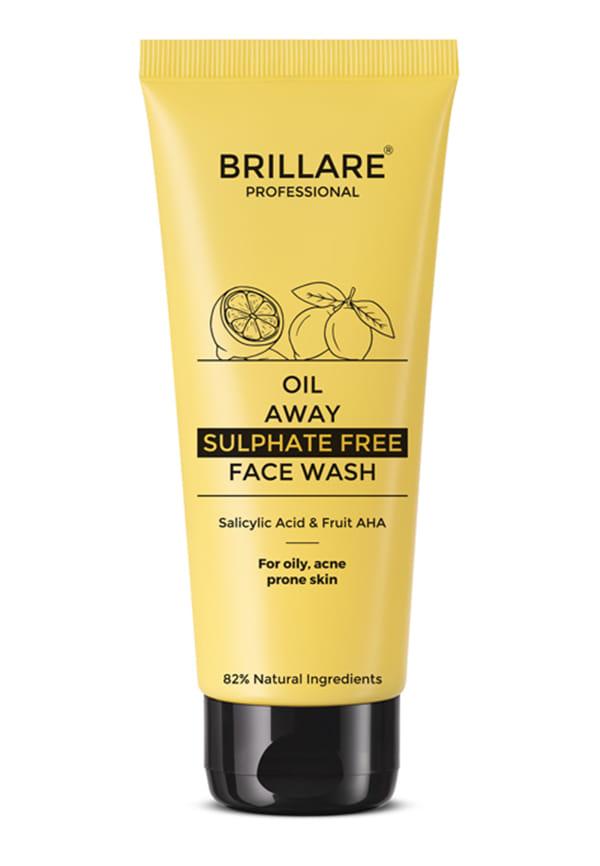 100 ml
Facewash For Oily, Acne Prone Skin
Oily skin produces excess sebum throughout the day, leading to that shiny T-zone and frequent breakouts on the forehead, nose, and chin. Combination skin might only get oily in certain areas whilst remaining normal or dry elsewhere. Sensitive acne-prone skin is the trickiest—it breaks out easily but also reacts to harsh ingredients with redness and irritation.
Your acne triggers could be hormonal fluctuations, certain ingredients, stress, or even your pillowcase. Keep a skin diary for two weeks, noting breakouts alongside your routine, diet, and stress levels. This helps you spot patterns that generic acne solutions might miss.
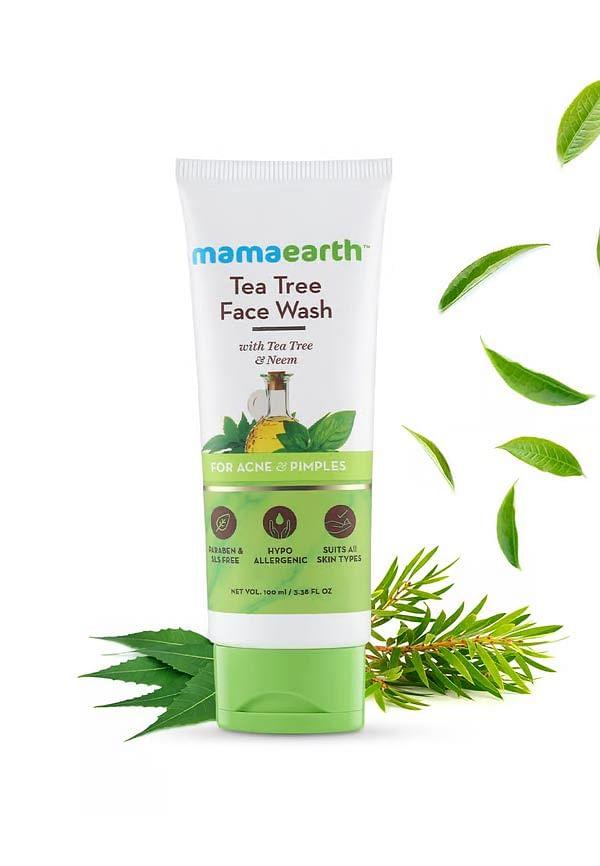 100 ml
Tea Tree Facewash For Acne & Pimples
The foundation of any effective acne routine starts with proper cleansing. Think of this as clearing the canvas before creating your masterpiece.
Your morning cleanse should be gentle but effective. Look for cleansers with salicylic acid or benzoyl peroxide, but start with lower concentrations (0.5-1% salicylic acid or 2.5% benzoyl peroxide) to avoid irritation. Cleanse for 30-60 seconds, focusing on areas where you typically break out. Over-washing is a common mistake—stick to twice daily unless you've been particularly sweaty.
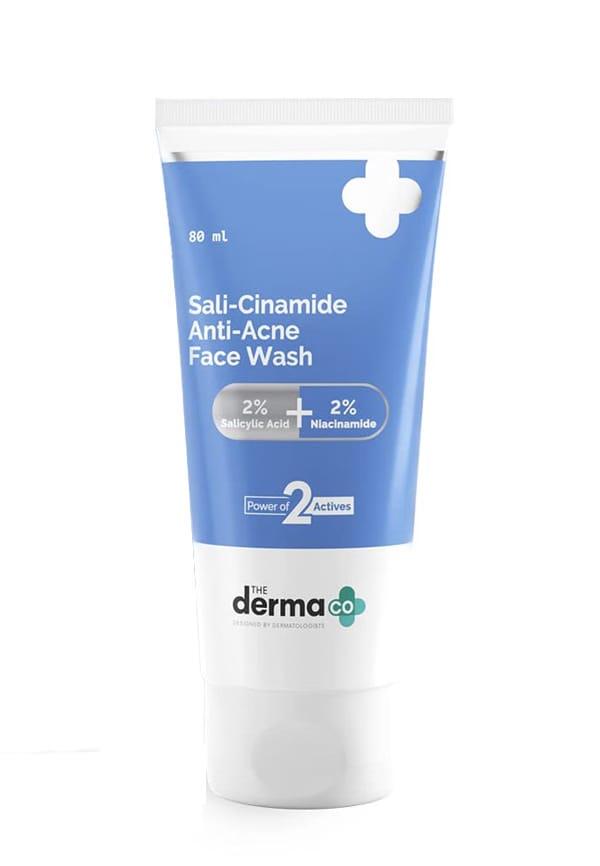 80 ml
80 ml2% Sali Cinamide Anti Acne Face Wash
Toners aren't just fancy water—the right one can be a game-changer for products for acne prone skin. Salicylic acid toners work brilliantly for blackheads and whiteheads, whilst glycolic acid can help with texture and mild acne scarring. Apply with a cotton pad or gentle patting motions, avoiding the delicate eye area.
This is where the magic happens. Active ingredients are your heavy-hitters in the fight against acne, but they need to be used strategically.
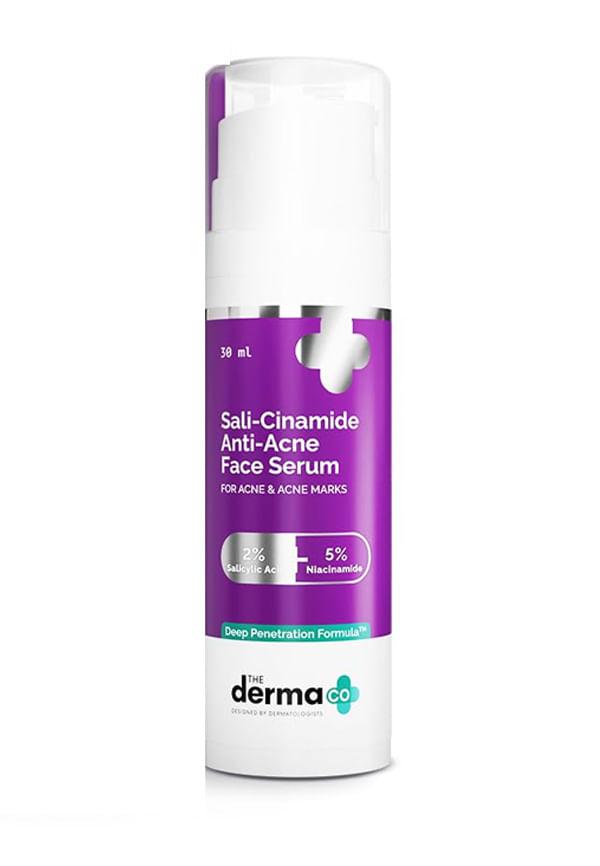 30 ml
30 mlSali-Cinamide Anti-Acne Face Serum with 2% Salicylic Acid & 5% Niacinamide
Benzoyl peroxide is brilliant for killing acne-causing bacteria. Start with 2.5% and work up to 5% if needed. It can bleach fabrics, so use white towels and pillowcases. Salicylic acid (BHA) penetrates pores to clear out oil and dead skin cells—perfect for blackheads. Retinoids are the gold standard for both acne and anti-ageing, but introduce them slowly to avoid the dreaded purge period.
Never use benzoyl peroxide and retinoids together—they can cancel each other out and cause irritation. Instead, alternate nights or use benzoyl peroxide in the morning and retinoids at night. Start with one active ingredient and add others gradually over 4-6 weeks.
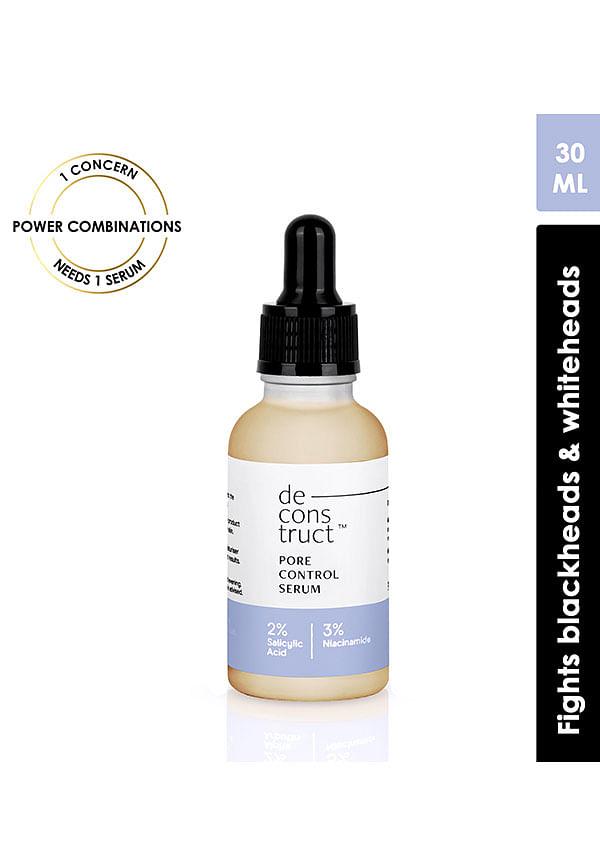 30 ml
30 mlPore Control Serum Salicylic Acid + Niacinamide Anti Acne Face Serum
Here's where many people with acne-prone skin go wrong—they skip moisturiser thinking it'll make them break out more. Plot twist: proper hydration is essential for a clear skin routine.
Look for non-comedogenic formulas with ingredients like niacinamide (reduces oil production and inflammation), ceramides (strengthen skin barrier), and hyaluronic acid (hydrates without heaviness). Gel-based moisturisers work well for oily skin, whilst combination skin might need a lightweight cream.
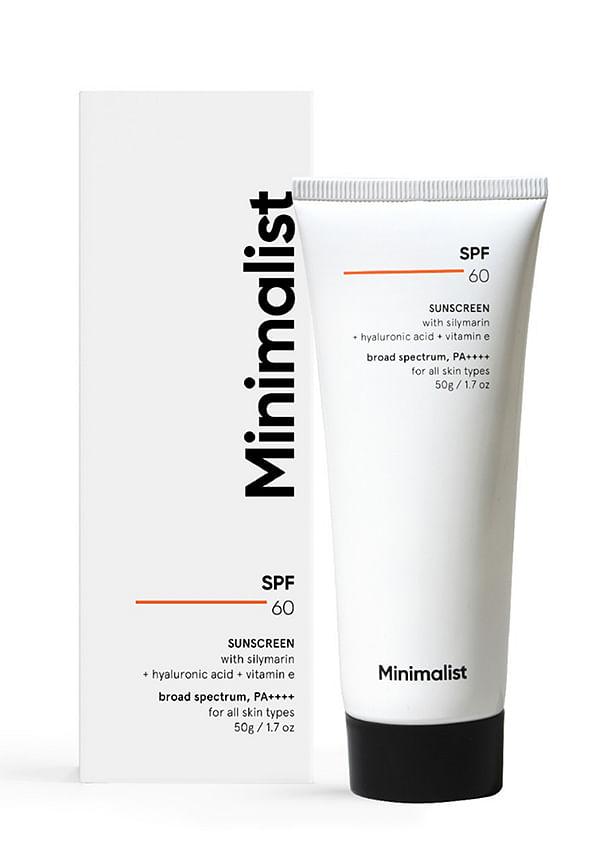 50 gm
50 gmSPF 60 PA ++++ Sunscreen With Antioxidant Silymarin,Senstive Skin & Acne
SPF isn't optional—it's essential. Many acne skincare tips overlook this, but UV damage can worsen post-inflammatory hyperpigmentation and make acne scars more prominent. Mineral sunscreens with zinc oxide are often better tolerated by sensitive, acne-prone skin. Chemical sunscreens can work too, but patch test first.
Your weekly treatments are like the cherry on top of your skincare routine for blemishes. These deeper treatments help maintain clear skin and prevent future breakouts.
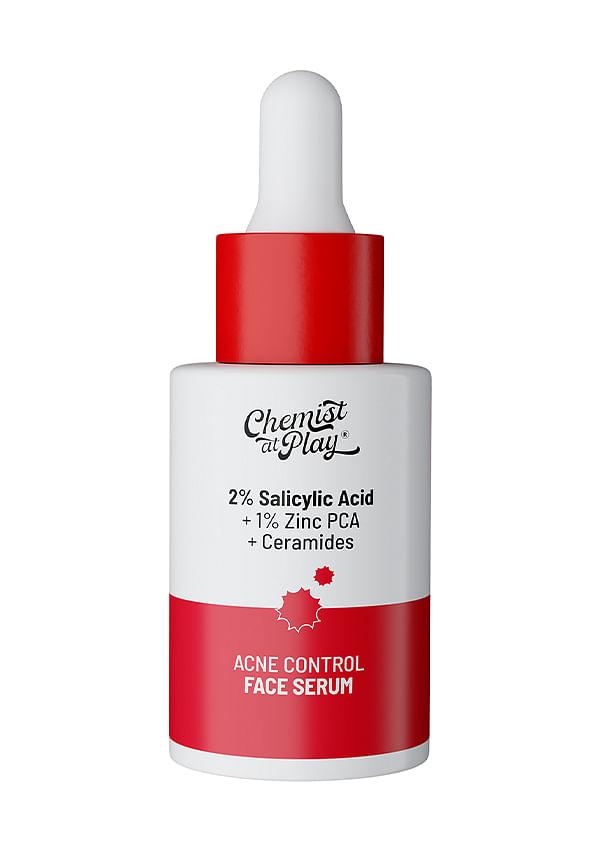 30 ml
30 ml2% Salicylic Acid Face Serum | Treats Active Acne, Controls Excess Oil
Clay masks with bentonite or kaolin clay can draw out impurities without over-drying. Use them 1-2 times weekly on areas prone to breakouts. Sulfur masks are brilliant for active breakouts—they reduce inflammation and dry out blemishes. For exfoliation, stick to chemical exfoliants rather than physical scrubs, which can irritate acne-prone skin.
Whilst at-home care forms the foundation, professional treatments like chemical peels or extractions can boost your results. However, consistency with your daily routine matters more than occasional professional treatments.
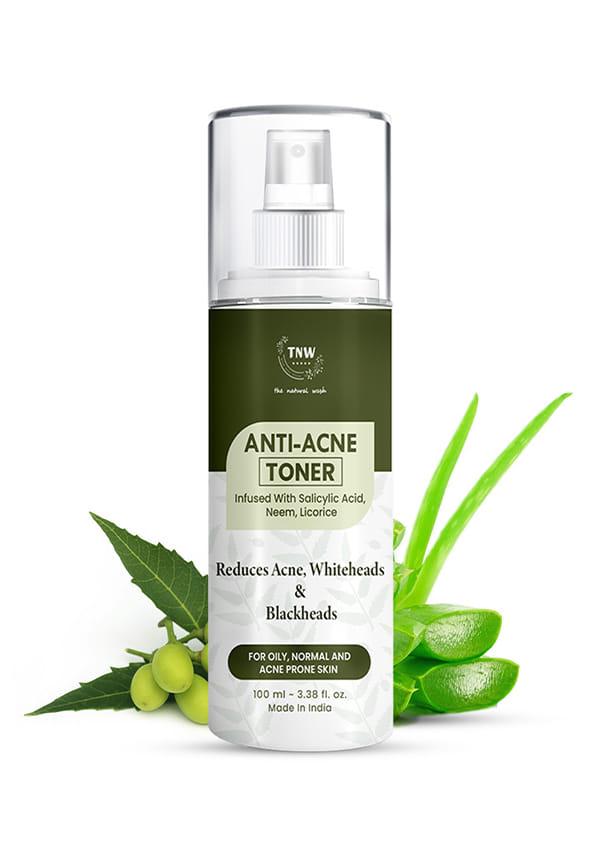 100 ml
Anti-Acne Toner | Clear & Texture-free Skin | Treats Acne & Dark Spots
Timing and order matter when you're building the best acne products routine. Here's your step-by-step guide.
Start with a gentle cleanser, follow with a salicylic acid toner (if your skin tolerates it), apply a lightweight moisturiser with niacinamide, and finish with broad-spectrum SPF 30 or higher. This routine should take 5-10 minutes and focuses on protection and prevention.
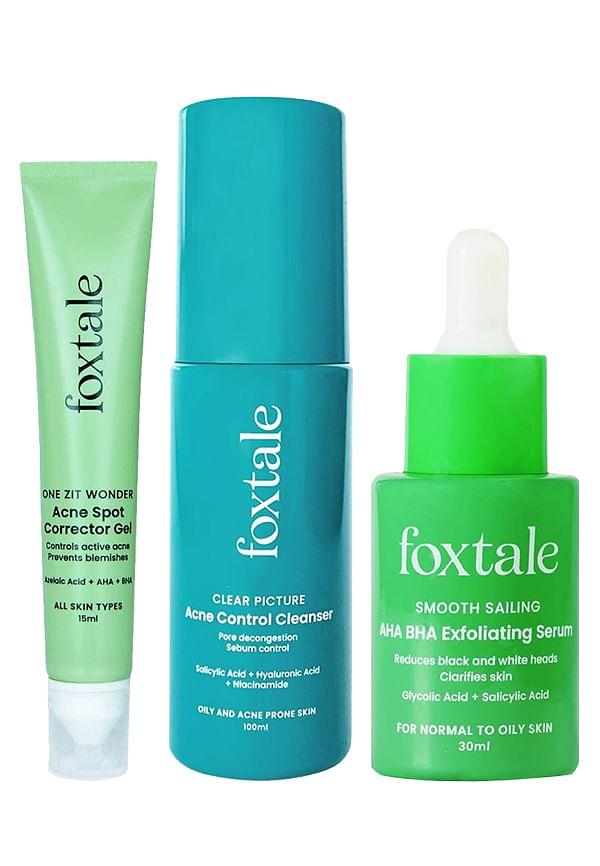 Combo
ComboAcne Essentials
Double cleanse if you wear makeup or sunscreen, apply your active treatment (retinoid or benzoyl peroxide), wait 10-15 minutes, then follow with a more nourishing moisturiser. This is when your skin does most of its repair work, so focus on treatment and recovery. With the right approach to how to clear acne, you can see significant improvements in 6-12 weeks. The key is consistency and patience—your skin needs time to adjust and heal. Remember, what works for your friend might not work for you, which is why platforms like Smytten are so valuable. As India's largest product discovery and trial platform, Smytten lets you explore mini-sized products from trusted brands like Cetaphil and Dot & Key before committing to full-size purchases. With trial packs available for just ₹249 and 100% cashback on minis, you can experiment with different acne treatment products without the financial risk. After all, why settle for 'maybe' when you can try it all and find what actually works for your unique skin?
The best acne skincare routine includes gentle cleansing twice daily, targeted active ingredients like salicylic acid or benzoyl peroxide, proper moisturising, and daily SPF. The key is consistency and gradually introducing products to avoid irritation.
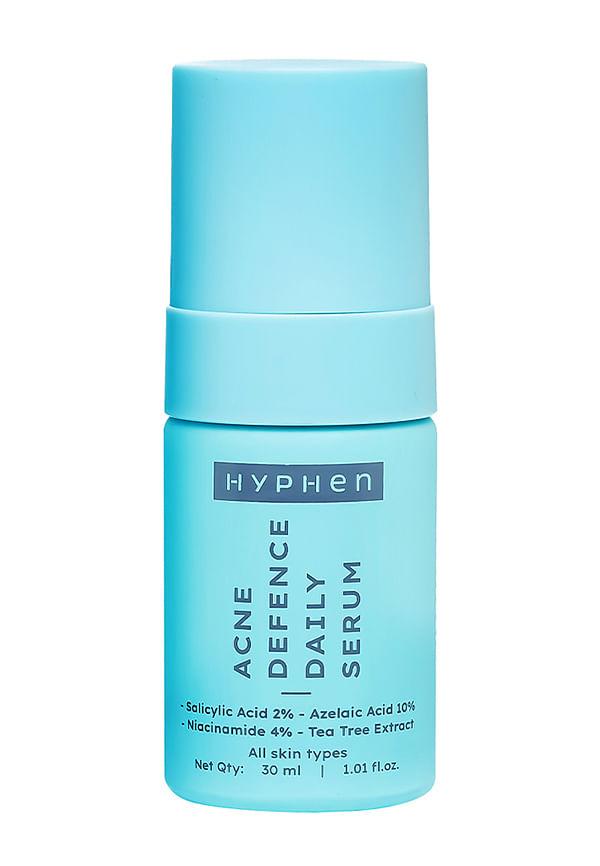 30 ml
30 mlAcne Defence Daily Serum with 2% Salicylic Acid for Active Acne & Breakouts
Evidence-based ingredients include salicylic acid for unclogging pores, benzoyl peroxide for killing bacteria, and retinoids for preventing new breakouts. Niacinamide and ceramides support skin barrier function whilst treating acne.
A good routine combines gentle cleansing, targeted treatments, hydration, and sun protection. Start with basic products and add actives gradually. Most people see improvements in 6-8 weeks with consistent use.
Expect initial improvements in 2-4 weeks, with significant changes by 6-12 weeks. Some people experience a 'purging' period in the first 2-4 weeks as the skin adjusts to active ingredients.
Yes, over-treatment can cause irritation, dryness, and even more breakouts. Signs include excessive redness, peeling, or increased sensitivity. If this happens, scale back to basic cleansing and moisturising until your skin recovers.
Oily skin can typically handle stronger concentrations and more frequent use of active ingredients. Sensitive skin needs gentler formulations, slower introduction of actives, and more focus on barrier repair with ceramides and niacinamide.
Building an effective acne routine isn't about using the most expensive products or following every trend. It's about understanding your skin, choosing the right ingredients, and being consistent with your approach. Remember, your skin is unique, and what works for others might not work for you—that's completely normal. The most common mistake in the first 30 days is trying to do too much too quickly. Start with the basics: gentle cleansing, one active ingredient, moisturiser, and SPF. Add new products gradually and give each one at least 4-6 weeks to show results. If you're dealing with severe acne, cystic breakouts, or scarring, don't hesitate to consult a dermatologist. Sometimes prescription treatments are necessary, and that's perfectly fine. Your skincare journey is about finding what works for you, not proving you can handle the strongest products. With over 25 million users trusting Smytten's curated trial packs from brands across skincare categories, you can discover your perfect acne-fighting routine without the guesswork. The platform's approach of trying before buying means you can build a personalised routine that actually works for your skin, delivered across 27,000+ pincodes. Because when it comes to clear skin, settling for 'maybe' just isn't an option.
