7 Basic Skincare Tips for Young, Healthy Skin


Starting your skincare journey can feel overwhelming, especially when you're young and dealing with hormonal changes, breakouts, and figuring out what actually works. The good news? Basic skincare for young skin doesn't need to be complicated or expensive. Your teens and twenties are the perfect time to build healthy habits that'll keep your skin glowing for years to come. Whether you're dealing with your first breakout or trying to prevent future skin concerns, these seven essential tips will help you create a skincare routine that actually makes sense for your lifestyle and budget.
Your skin in your teens and twenties is unique—it's still developing, often dealing with hormonal fluctuations, and might be more reactive than you'd expect. Understanding what type of skin you have is the first step in creating an effective daily skincare routine.
Lucky you if this is your skin type! Normal skin feels balanced—not too oily, not too dry. It rarely breaks out and doesn't feel tight or greasy throughout the day.
 Combo
ComboCMS Kit
If your T-zone gets shiny by midday and you're prone to blackheads, you've got oily skin. This skin type often struggles with enlarged pores and frequent breakouts, especially during teen skincare years.
Dry skin feels tight, especially after cleansing, and might look flaky or dull. You'll need extra focus on skin hydration to keep it comfortable.
 Combo
ComboSuper Bright Skin Kit
Most people actually have combination skin—oily in the T-zone but normal or dry on the cheeks. This means you might need different products for different areas of your face.
Sensitive skin reacts easily to new products, weather changes, or stress. It might sting, burn, or turn red when you try new skincare products.
Real talk—you don't need a 10-step routine to have great skin. A solid basic skincare for young skin routine has just four key steps: cleanse, treat (if needed), moisturise, and protect. This simple approach works whether you're 15 or 25. Your morning routine should focus on protection and hydration, while your evening routine is all about cleansing away the day and treating any specific concerns. The beauty of keeping it simple? You're more likely to stick with it, and consistency is what actually makes the difference.
 Combo
ComboTreat Love Care Kit
Here's where many people go wrong—thinking that squeaky clean feeling means your cleanser is working. Actually, that tight, stripped feeling means your gentle cleanser isn't gentle enough. Young skin, especially if it's dealing with breakouts, needs a cleanser that removes dirt and oil without destroying your skin barrier. Look for cleansers with ingredients like: • Salicylic acid for oily, acne-prone skin • Ceramides for dry or sensitive skin • Glycolic acid for gentle exfoliation • Hyaluronic acid for extra hydration Avoid cleansers with harsh sulphates, strong fragrances, or alcohol—these can irritate young skin and actually make problems worse. If you wear makeup or sunscreen, consider double cleansing in the evening. Start with an oil-based cleanser to remove makeup, then follow with your regular cleanser.
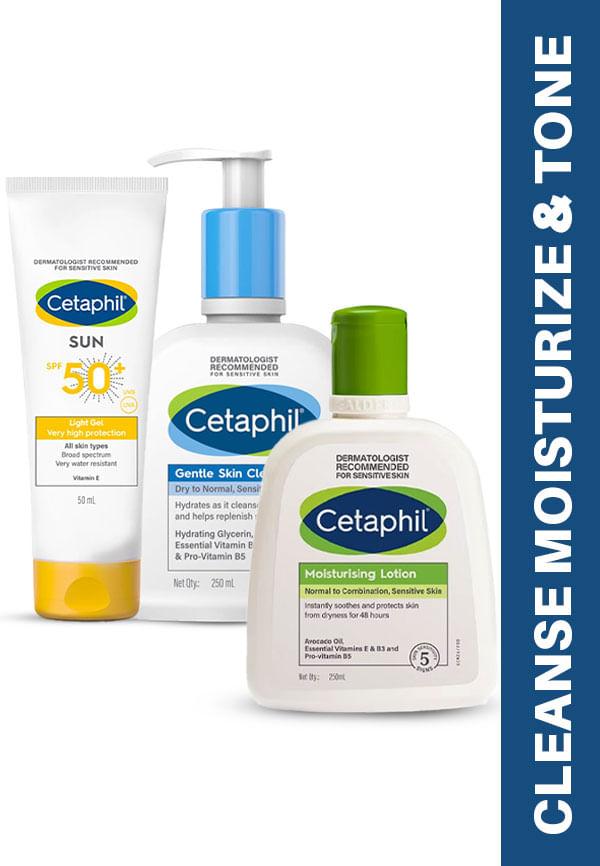
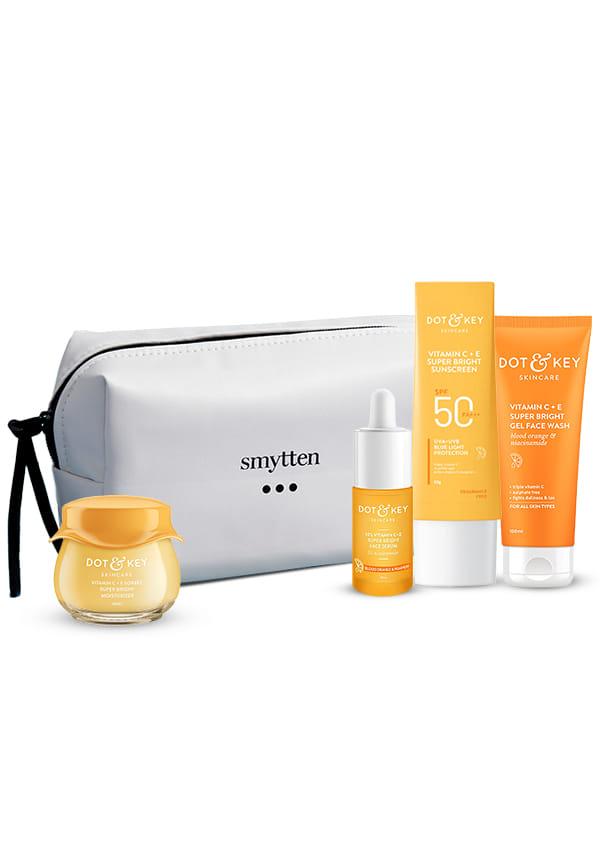
Not all skincare products are created equal, especially when you're working with a student budget or just starting out. The key is choosing products with proven ingredients that won't break the bank or your skin. When you're building your routine, start with one new product at a time. This way, if something doesn't agree with your skin, you'll know exactly what caused the reaction. Look for products that are fragrance-free, non-comedogenic (won't clog pores), and designed for your specific skin type. Smytten makes this process so much easier—instead of committing to full-size products that might not work, you can try mini versions from trusted brands like Cetaphil and Dot & Key. This approach is perfect for young skin that's still figuring out what works, letting you experiment without the financial stress.
 Combo
ComboGreen Tea Day & Night Kit
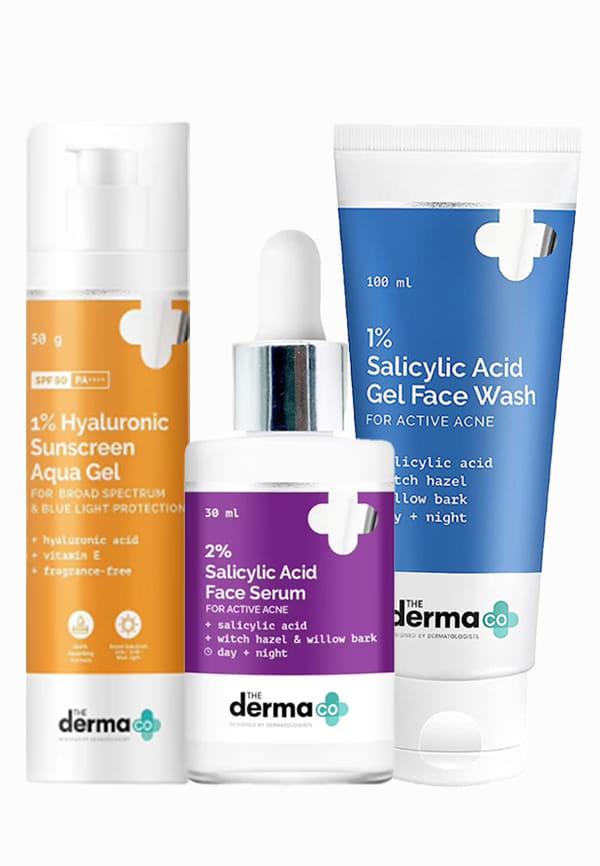
Breakouts are probably the biggest concern for teen skincare, but here's the thing—aggressive acne treatment often makes things worse. Your skin needs balance, not a scorched-earth approach. For mild to moderate acne, start with salicylic acid. It's gentler than benzoyl peroxide and helps unclog pores without excessive drying. Use it 2-3 times a week initially, then build up frequency as your skin adjusts. Benzoyl peroxide is stronger and kills acne bacteria, but it can be harsh. If you use it, start with a low concentration (2.5%) and always follow with moisturiser. Some people find it works better as a spot treatment rather than all over the face.
Retinoids are incredibly effective for acne and preventing future breakouts, but they're not for everyone. If you're under 18, chat with a dermatologist first. Over-the-counter retinol products are milder and can be a good starting point for young adults.
Prevention is always better than treatment when it comes to blemish control. This means not picking at your skin (we know, easier said than done), keeping your phone clean, and changing your pillowcase regularly. When you do get a breakout, resist the urge to pile on multiple treatments. Stick to one active ingredient at a time—mixing salicylic acid, benzoyl peroxide, and retinoids will likely irritate your skin and slow healing. For stubborn spots, hydrocolloid patches are your friend. They protect the blemish from picking and help draw out impurities overnight. Just make sure your skin is clean and dry before applying.
 Combo
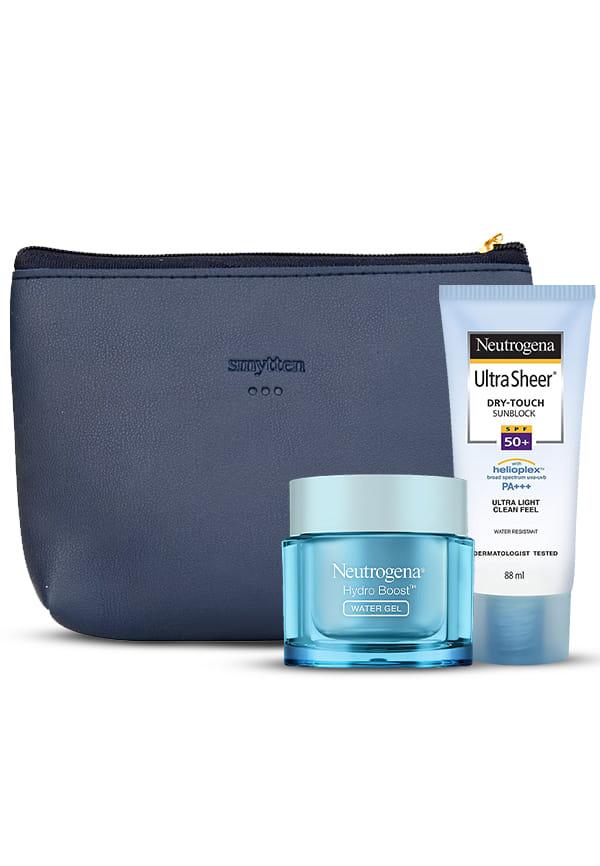
ComboSupple Skin Kit
Even oily skin needs moisture—in fact, skipping moisturiser can make your skin produce more oil to compensate. The trick is finding the right type of hydration for your skin. For oily skin, look for lightweight, gel-based moisturisers with ingredients like niacinamide or hyaluronic acid. These provide skin hydration without feeling heavy or greasy. Dry skin needs richer formulas with ceramides, glycerin, or squalane. Don't be afraid of facial oils if your skin is genuinely dry—they can be incredibly nourishing when used correctly.
• Hyaluronic acid: Holds up to 1000 times its weight in water • Glycerin: Draws moisture from the environment to your skin • Ceramides: Help repair and maintain your skin barrier • Niacinamide: Reduces oil production and improves skin texture
 Combo
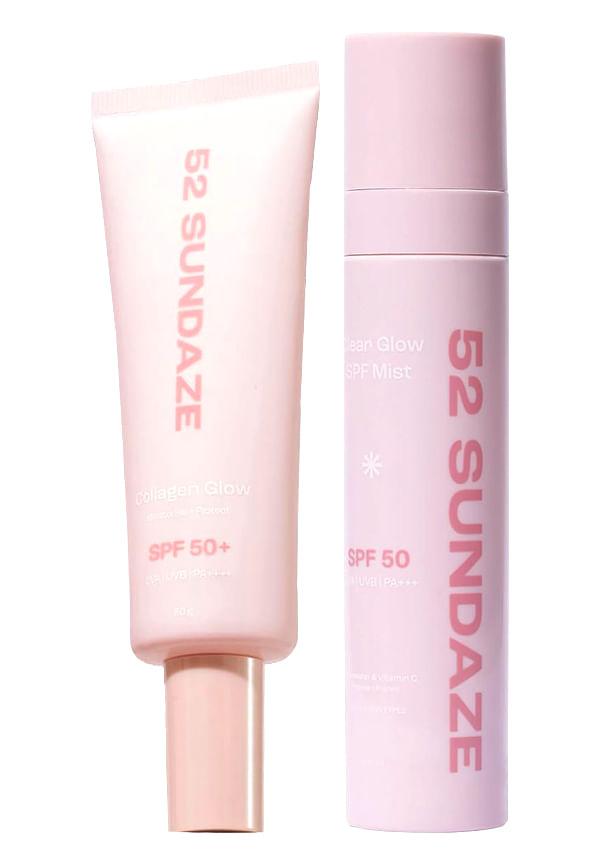
ComboSPF Glow Kit- Base + Reapplication
This might be the most important tip for maintaining healthy skin long-term. Sun damage starts accumulating from a young age, and wearing SPF daily is the single best thing you can do to prevent premature ageing, dark spots, and skin cancer. Look for broad-spectrum SPF 30 or higher that you'll actually want to wear every day. Modern sunscreens are so much better than the thick, white formulas you might remember—many feel like lightweight moisturisers or primers. For daily wear, chemical sunscreens with zinc oxide or titanium dioxide tend to work well under makeup. If you have sensitive skin, mineral sunscreens might be gentler.
Your skincare routine is just one piece of the puzzle. What you eat, how much you sleep, and how you manage stress all impact your skin's health and appearance. Getting enough sleep (7-9 hours) helps your skin repair itself overnight. When you're sleep-deprived, your skin produces more cortisol, which can trigger breakouts and slow healing. Staying hydrated isn't just good for your overall health—it helps maintain your skin's moisture barrier and can improve texture and radiance. Aim for 8 glasses of water daily, more if you're active.
While the relationship between diet and acne isn't completely clear, some people find that dairy or high-glycemic foods trigger breakouts. Pay attention to your skin after eating certain foods and adjust accordingly.
 Kit
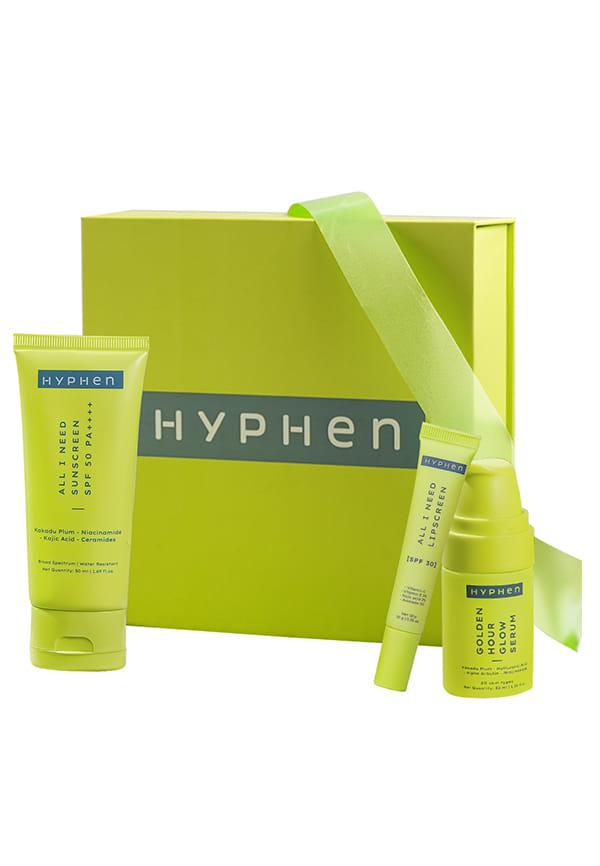
KitDaily Glow Essentials Gift Kit - Routine with Face Serum, Sunscreen & Lip Balm
Regular exercise improves circulation, which helps deliver nutrients to your skin cells. Just make sure to cleanse your face after sweating to prevent clogged pores.
If you're dealing with severe acne, persistent skin issues, or products aren't helping after 6-8 weeks of consistent use, it's time to see a professional. They can prescribe stronger treatments or help identify underlying issues.
 Combo
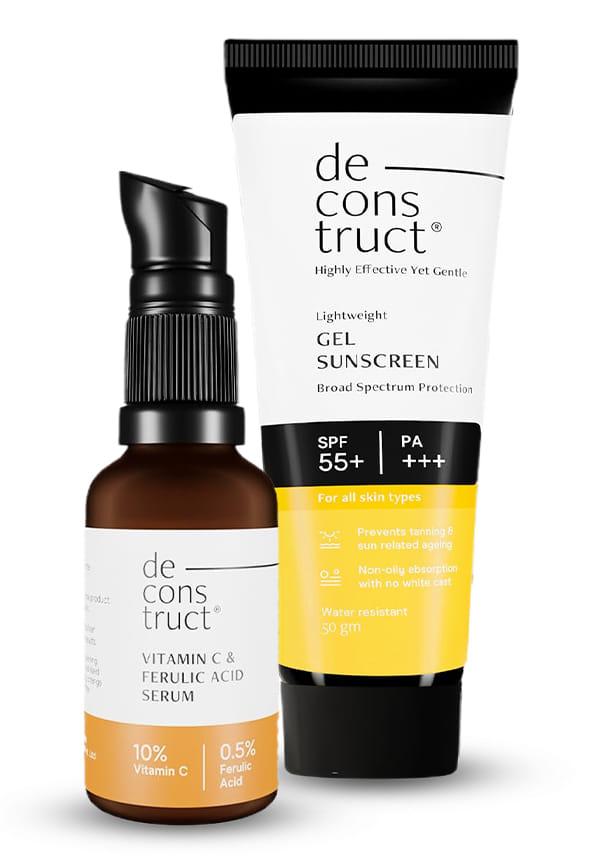
ComboUltimate Skin Protection & Glow Kit
A good routine for young skin includes a gentle cleanser, moisturiser, and SPF daily. Add targeted treatments like salicylic acid for acne or niacinamide for oil control as needed. Keep it simple and consistent.
The five basics are: cleanse gently, moisturise appropriately for your skin type, protect with SPF, treat specific concerns with targeted products, and be consistent with your routine.
 Combo
ComboGet. Set. Glow. Kit
Twice daily—morning and evening—is ideal for most teens. Over-cleansing can irritate skin and trigger more oil production.
Most anti-ageing ingredients aren't necessary for young skin. Focus on prevention with SPF and gentle care. Retinoids can help with acne but should be introduced carefully.
Teen skincare focuses more on acne prevention and oil control, while adult routines often include anti-ageing ingredients. Young skin is generally more resilient but also more reactive to hormonal changes.
 Combo
ComboNo More Breakouts Kit
Start with drugstore basics—gentle cleanser, simple moisturiser, and affordable SPF. Add one treatment product at a time. Trial sizes are perfect for testing products without commitment.
Most dermatologists recommend starting retinoids in your early twenties if you have persistent acne or want to prevent signs of ageing. Always start slowly and use SPF religiously.
Building a solid skincare routine in your teens and twenties sets the foundation for healthy skin throughout your life. Remember, the best routine is one you'll actually stick to—simple, effective, and suited to your skin type and lifestyle. The key to successful basic skincare for young skin is patience and consistency. Your skin won't transform overnight, but with gentle care and the right products, you'll start seeing improvements in 4-6 weeks. With platforms like Smytten, you can explore different skincare products from trusted brands without the pressure of full-size commitments. This approach is perfect for young skin that's still figuring out what works—you can try everything from gentle cleansers to targeted treatments, discovering your perfect routine through trial rather than guesswork. After all, why settle for maybe when you can try it all and find what truly works for your unique skin?
