How to Treat Fine Lines for Youthful Skin

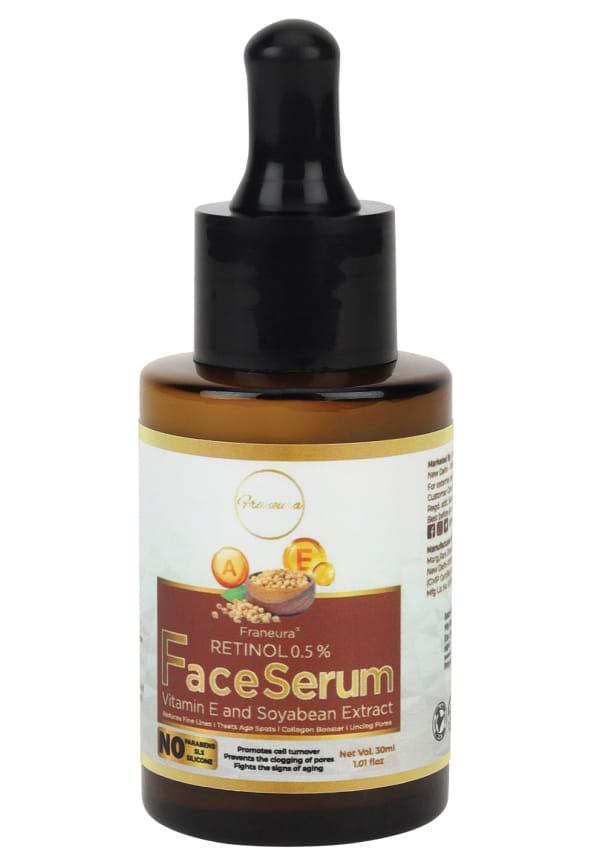 30 ml
30 mlRetinol Anti-Aging Face Serum to Reduce Fine Lines & Wrinkles
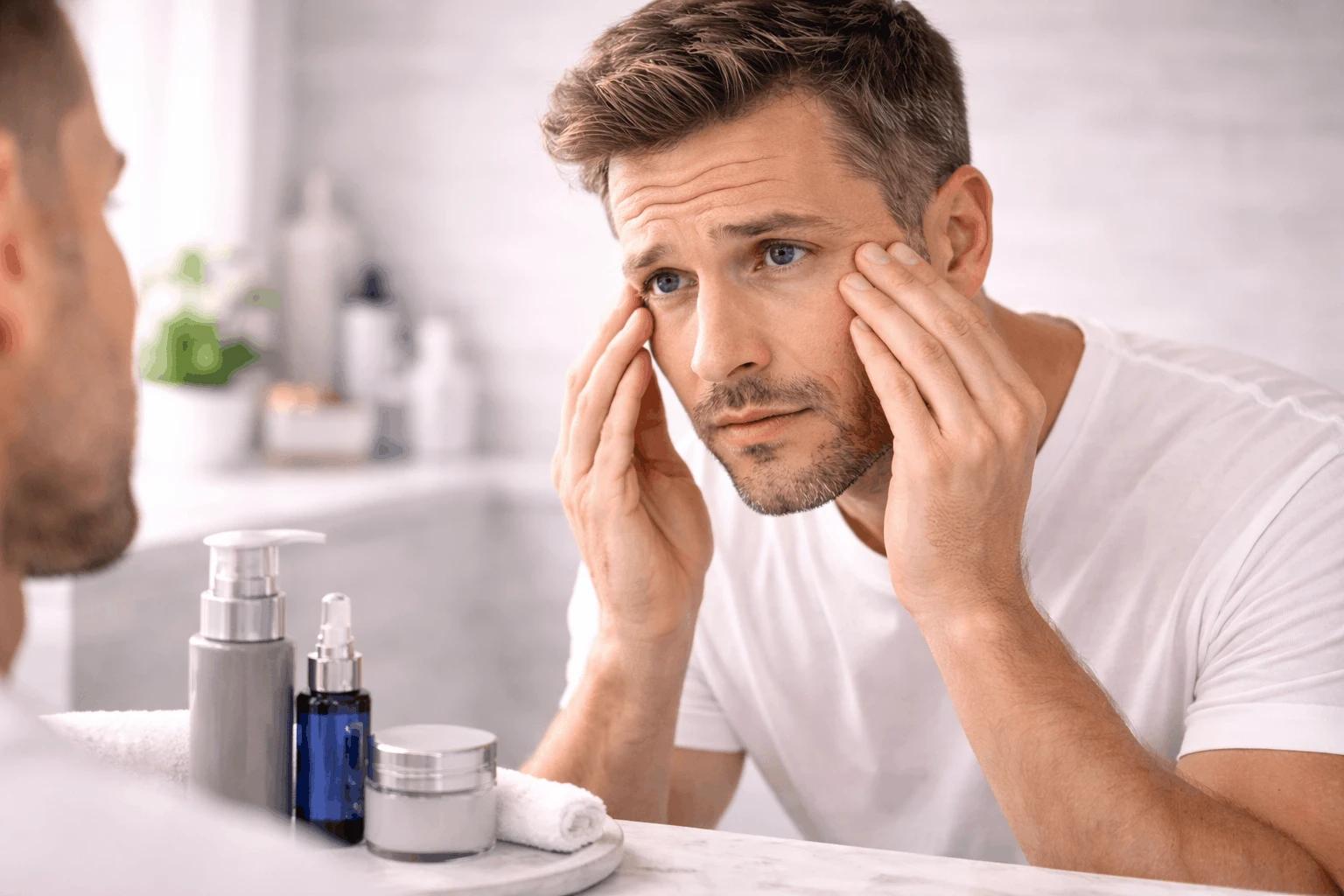
You catch a glimpse of yourself in the lift mirror and notice those tiny lines around your eyes that weren't there last year. Or maybe it's the faint creases on your forehead that seem more pronounced after a particularly stressful week at work. Fine lines have this sneaky way of appearing gradually, and suddenly you're wondering when your skin started telling the story of every late night and sunny holiday. The good news? There are proven ways to address these early signs of ageing, from professional treatments to effective at-home solutions that can help restore that smooth, youthful skin you remember.
Fine lines are the shallow, delicate creases that typically appear first around areas of frequent movement - your eyes, mouth, and forehead. Unlike deeper wrinkles, these facial lines are usually less than 2mm deep and often disappear when you stretch the skin gently. They're essentially your skin's early warning system, signalling that collagen production is beginning to slow down.
The main culprits behind fine line formation include repeated expression lines from smiling, squinting, or frowning, combined with the natural breakdown of collagen and elastin as we age. Sun damage accelerates this process significantly - those UV rays break down the proteins that keep skin plump and smooth. Genetics play a role too, but lifestyle factors like smoking, poor sleep, and inadequate skincare can fast-track their appearance.
Most people start noticing fine lines in their mid to late twenties, particularly around the delicate eye area where skin is thinnest. The progression is usually gradual - what starts as barely visible lines when you smile can become more permanent over time if left untreated. Understanding this timeline helps you choose the right treatment for fine lines at the appropriate stage.
When it comes to professional anti-aging treatments, several options have proven track records for fine line removal and skin rejuvenation. The key is understanding which treatments work best for your specific concerns and skin type.
Non-ablative lasers are often considered the gold standard for treating fine lines because they stimulate collagen boosting without damaging the skin's surface. These treatments work by heating the deeper layers of skin, triggering your body's natural healing response and encouraging new collagen formation. Most people see gradual improvement over 3-6 months, with minimal downtime - you might experience slight redness for a day or two, but you can typically return to normal activities immediately.
Chemical peels offer excellent results for skin smoothing by removing damaged surface layers and promoting cell turnover. Light peels using glycolic or lactic acid work well for fine lines, whilst medium-depth peels can address more pronounced concerns. The controlled exfoliation process reveals fresher, smoother skin underneath whilst encouraging collagen production. Recovery time varies from a few days of mild peeling to about a week for deeper treatments.
Botox remains highly effective for preventing and treating expression lines, particularly around the eyes and forehead. By temporarily relaxing the muscles that create these lines, it allows the skin to smooth out over time. Dermal fillers work differently, adding volume to areas where fine lines have formed due to tissue loss. Many practitioners combine both approaches for comprehensive wrinkle reduction.
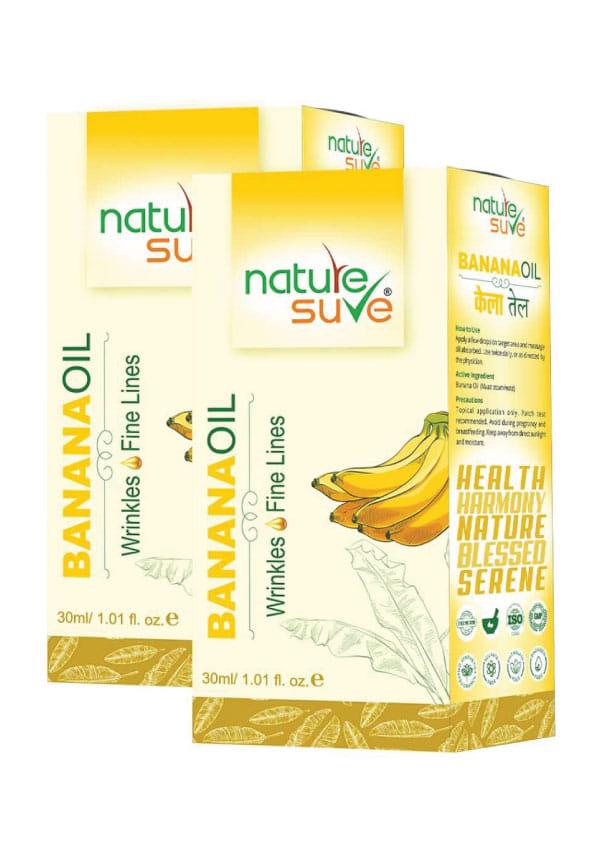 60 ml
60 mlBanana Oil For Wrinkles And Fine Lines
Microneedling creates tiny channels in the skin, triggering natural healing and collagen production. When combined with radiofrequency energy, it can provide even more dramatic skin rejuvenation results. These treatments typically require a series of sessions spaced 4-6 weeks apart, with gradual improvement visible over several months.
A professional consultation begins with a thorough skin assessment, examining not just your current fine lines but also your skin type, sun damage history, and lifestyle factors. Your dermatologist will likely use specialised lighting and possibly imaging technology to assess the depth and extent of your facial lines.
Treatment plans are highly individualised - what works brilliantly for your friend might not be the best approach for your skin. Factors like skin sensitivity, healing capacity, budget, and downtime availability all influence the recommended treatment for fine lines. Many dermatologists favour a combination approach, perhaps starting with a gentle chemical peel series followed by maintenance laser treatments.
Cost considerations vary widely depending on location and treatment type. In India, chemical peels might range from ₹3,000-₹15,000 per session, whilst laser treatments can cost ₹8,000-₹25,000 per session. Most treatments require multiple sessions for optimal results, so factor this into your budget planning.
Realistic expectations are crucial - professional treatments can significantly improve fine lines, but they won't stop the ageing process entirely. Most people see initial improvements within 2-4 weeks, with continued enhancement over 3-6 months as new collagen forms.
Home treatments can be remarkably effective for fine lines, especially when used consistently and combined with professional treatments. The key is choosing proven ingredients and using them correctly.
Retinoids are the most scientifically proven ingredients for fine line removal at home. Prescription tretinoin offers the strongest results, but over-the-counter retinol can also be highly effective with consistent use. Start slowly - perhaps twice weekly initially - and gradually increase frequency as your skin builds tolerance. Always use retinoids at night and follow with a good moisturiser to minimise irritation.
Vitamin C serums support collagen production whilst providing antioxidant protection against further damage. Look for stable forms like magnesium ascorbyl phosphate or sodium ascorbyl phosphate. Hyaluronic acid provides immediate plumping effects by drawing moisture into the skin, temporarily smoothing fine lines. Peptides in creams and serums can signal skin to produce more collagen over time.
Daily SPF protection is non-negotiable - it's both treatment and prevention. Choose broad-spectrum SPF 30 or higher and reapply throughout the day, especially if you're using active ingredients that increase sun sensitivity.
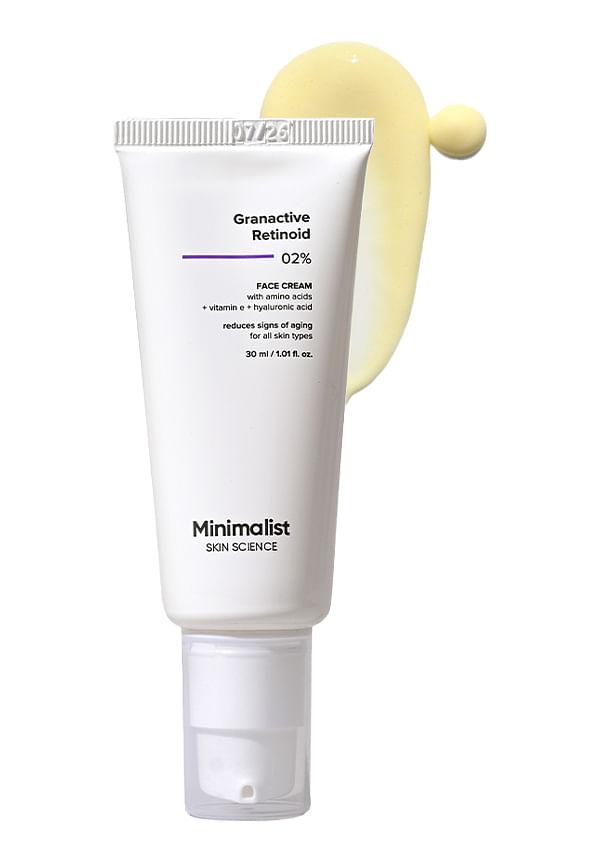 30 ml
30 ml2% Retinoid Anti Ageing Night Cream For Wrinkles & Fine Lines
Facial massage can improve circulation and lymphatic drainage, giving skin a more plump, youthful appearance. Use gentle upward strokes with a facial oil or serum. DIY masks with ingredients like honey, oatmeal, or yoghurt can provide temporary hydration and gentle exfoliation, though results are modest compared to proven actives.
Prevention remains the most effective anti-aging treatment available. Daily sun protection is absolutely crucial - UV damage is responsible for up to 80% of visible facial ageing. Choose a broad-spectrum sunscreen with at least SPF 30 and reapply every two hours when outdoors.
Hydration works from both inside and out. Drink plenty of water and use a good moisturiser suited to your skin type. Well-hydrated skin appears plumper and shows fine lines less prominently. Sleep quality directly affects skin repair processes - aim for 7-9 hours nightly and consider a silk pillowcase to reduce friction.
Stress management isn't just good for your mental health; chronic stress increases cortisol levels, which can break down collagen faster. Regular exercise improves circulation, delivering nutrients to skin cells and promoting that healthy glow associated with youthful skin.
Nutrition plays a supporting role too. Foods rich in antioxidants, omega-3 fatty acids, and vitamin C support skin health from within. Think berries, fatty fish, leafy greens, and citrus fruits as part of a balanced diet.
Assessing the severity of your fine lines helps determine the most appropriate treatment approach. Very early, barely visible lines often respond well to consistent at-home care with retinoids and good sun protection. More established lines might benefit from professional treatments combined with an effective home routine.
Skin sensitivity is a crucial factor - if you have reactive skin, you might need to start with gentler options and build up gradually. Those with sensitive skin often do better with lower-concentration retinoids, gentle chemical peels, or non-ablative laser treatments rather than aggressive approaches.
Budget considerations don't have to limit your options entirely. A well-formulated retinoid serum, vitamin C product, and excellent sunscreen can provide significant benefits for under ₹5,000 total. Professional treatments can be spaced out over time or combined with effective home care to maximise results whilst managing costs.
Creating a personalised routine might involve starting with proven at-home ingredients, then adding professional treatments as needed. Many people find success with quarterly professional treatments combined with daily home care for maintenance.
The most effective approach typically combines consistent at-home care with retinoids and sun protection, plus periodic professional treatments like chemical peels or laser therapy. The "best" treatment depends on your skin type, budget, and the severity of your fine lines.
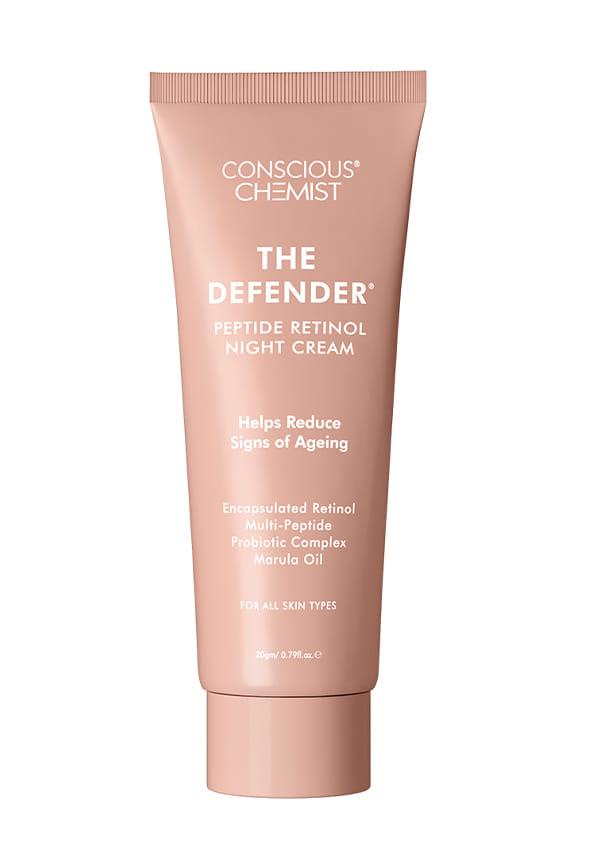 20gm
20gmMulti Peptide Retinol Anti Aging Night Cream For Fine Lines & Sagging Skin
Whilst you can't completely reverse ageing, consistent treatment can significantly reduce the appearance of fine lines and prevent new ones from forming. Early intervention with proven ingredients and professional treatments can restore much of your skin's smooth appearance.
Absolutely. Retinoids, chemical peels, laser treatments, and consistent skincare can effectively reduce fine lines by promoting collagen production and skin renewal. Botox is just one option among many effective treatments.
Professional treatments often show initial results within 2-4 weeks, whilst at-home treatments typically require 8-12 weeks of consistent use for visible improvement. Patience and consistency are key to achieving lasting results.
Fine lines respond well to topical treatments and gentler procedures because they're shallow and often caused by early collagen loss. Deep wrinkles usually require more intensive treatments like ablative lasers or surgical interventions because they involve more significant structural changes.
Natural ingredients can provide modest improvements through hydration and gentle exfoliation, but scientifically proven actives like retinoids and professional treatments offer more significant and lasting results for fine line reduction.
Treating fine lines successfully requires understanding that it's a journey rather than a quick fix. The most effective approach combines prevention with targeted treatment, whether that's professional procedures, proven at-home ingredients, or ideally both. Your skin's needs will evolve over time, so staying flexible and adjusting your routine accordingly is important.
Remember that consistency trumps perfection - a simple routine used daily will outperform an elaborate regimen used sporadically. Start with the basics: a good retinoid, vitamin C serum, moisturiser, and excellent sun protection. From there, you can add professional treatments or additional actives as your skin adapts and your budget allows.
If you're curious about trying different anti-aging treatments and skincare products but hesitant to commit to full sizes, Smytten's curated selection includes minis from trusted brands that specialise in skin rejuvenation and fine line removal. With over 28 million users discovering their perfect products through trial sizes, it's a smart way to test what works for your skin before investing in full-size treatments.
