How to Identify Causes of Hair Loss in Dogs

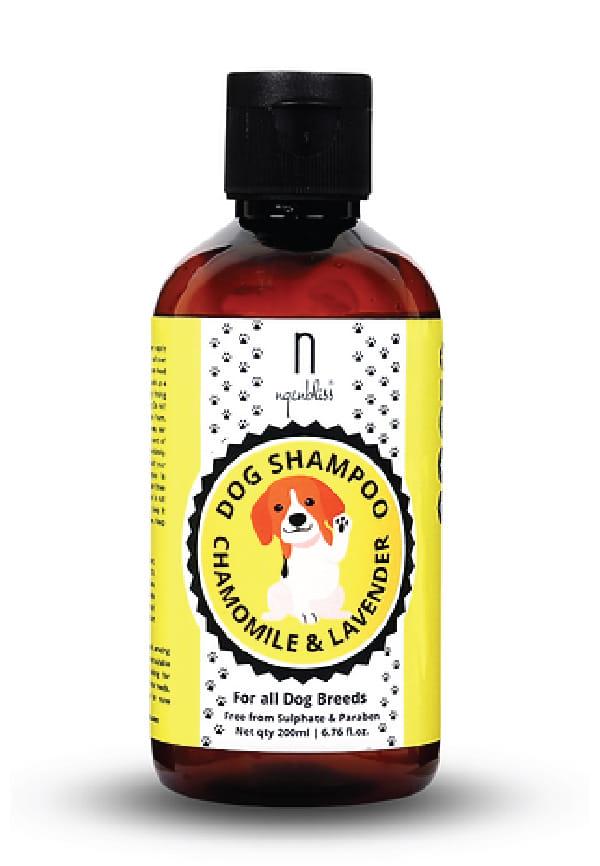 200 ml
All Natural Dog Shampoo
Watching your furry mate lose hair can be proper worrying, especially when you're not sure what's causing it. Dog hair loss isn't always straightforward—it could be anything from seasonal shedding to something more serious that needs a vet's attention. The good news? Most causes of hair loss in dogs are treatable once you know what you're dealing with. Let's break down how to spot the difference between normal shedding and actual alopecia in dogs, plus what signs to watch for that mean it's time to book that vet appointment.
Before you panic about every hair you find on your sofa, it's worth knowing that all dogs shed to some degree. Normal dog shedding happens seasonally—usually spring and autumn—and affects the entire coat evenly. You'll notice more hair around the house, but your dog's skin should look healthy underneath.
Real talk though, dog hair loss is different from regular shedding. We're talking about patchy areas, dog bald spots, or areas where the hair is noticeably thinner than usual. If you're seeing circular patches, irritated skin, or your dog is constantly scratching and losing hair in specific spots, that's when normal shedding crosses into potential alopecia in dogs territory.
Here's what to watch for: uniform hair loss across the body is usually normal seasonal shedding, but patchy, localised hair loss with red, inflamed, or scaly skin underneath needs investigating. Dog hair thinning that happens gradually over weeks or months, especially if it's symmetrical on both sides of the body, often points to hormonal issues rather than external factors.
Right, let's get into the nitty-gritty of what actually causes dogs to lose their hair. Understanding these main culprits will help you figure out whether you're dealing with something you can manage at home or if it's time to ring the vet.
This is probably the most common reason for dog hair loss, and it usually comes with a side of intense itching. Dog allergies hair loss can stem from food sensitivities, environmental triggers like pollen or dust mites, or even contact allergies from new shampoos or cleaning products.
The telltale signs include red, inflamed skin, excessive scratching or licking, and hair loss in areas your dog can easily reach—think paws, legs, belly, and face. Flea allergy dermatitis is particularly sneaky because you might not even see the fleas, but the allergic reaction to their saliva causes intense dog itchy skin hair loss.
 Pack of 4
LetsShave EZ-WIZZY 2 in 1 Pet Shampoo for Dogs (1000ml), Enriched with Pomegranate & Aloe Vera Juice, Puppy Safe Formula, Shampoo & Conditioner for D
Parasites in dogs are another major cause of hair loss, and they're often behind those distinctive circular dog bald spots that seem to appear overnight. Mange mites, both demodectic and sarcoptic varieties, burrow into the skin and cause significant hair loss along with intense itching.
Bacterial and fungal infections also create skin conditions in dogs that lead to hair loss. Ringworm, despite its name being a fungus not a worm, creates those classic circular patches. Yeast overgrowth often happens in warm, moist areas like ears and paws, causing hair loss with a distinctive musty smell.
When it comes to dog endocrine disorders, the hair loss pattern is usually quite different from allergies or infections. You'll typically see symmetrical hair loss on both sides of the body, and here's the kicker—there's usually no itching involved.
Hypothyroidism is a common culprit, especially in certain breeds, causing gradual hair loss along with weight gain and lethargy. Cushing's disease creates a pot-bellied appearance along with hair loss, whilst sex hormone imbalances can cause hair loss in specific patterns, particularly around the genital area.
Sometimes the issue isn't physical at all. Anxious or bored dogs can develop compulsive licking or chewing behaviours that lead to hair loss in specific areas. This type of alopecia in dogs usually affects easily accessible spots like paws, legs, or flanks.
Separation anxiety, changes in routine, or even boredom can trigger these behaviours. The hair loss is typically very localised and often accompanied by red, irritated skin from constant licking.
Before you book that vet appointment, there's quite a bit you can learn from a thorough examination at home. Start by looking at the overall pattern of hair loss—is it symmetrical, patchy, or concentrated in areas your dog can easily reach?
Check the skin underneath the hair loss. Healthy skin should be pink or black (depending on your dog's natural pigmentation) and smooth. Red, scaly, crusty, or inflamed skin suggests infection or allergic reactions. Look for any unusual odours, which often indicate bacterial or yeast infections.
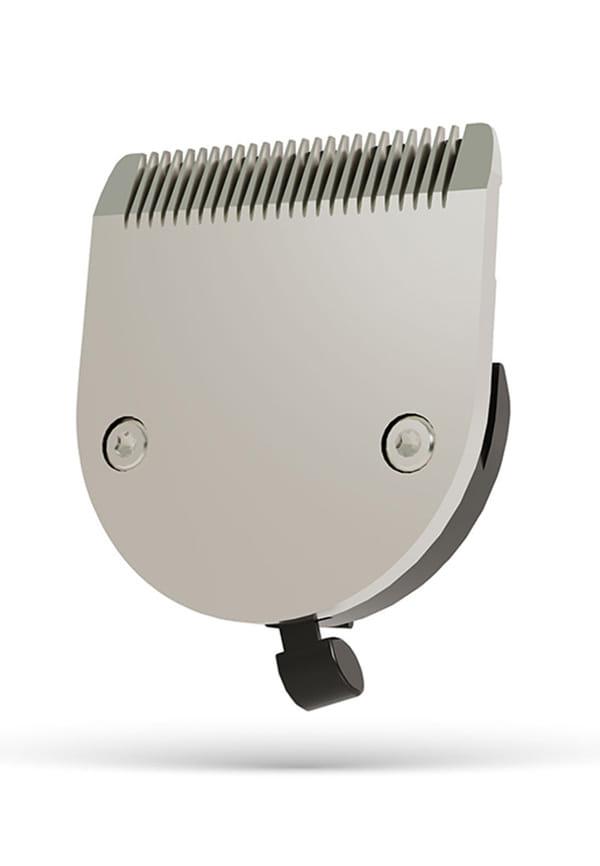 1 unit
Letsshave EZ‑WIZZY Pet Trimmer Replacement Blade – Pack of 1 | Sharp & Whisper‑Quiet | Ceramic Blades | Dogs, Cats and All other Furr Animal Grooming
Document what you find with photos if possible. Note whether the dog bald spots are expanding, if there's any pattern to when the scratching is worse, and whether the hair loss seems to be progressing quickly or slowly. This information will be invaluable when you do see the vet.
Pay attention to your dog's behaviour too. Excessive scratching, licking, or rubbing against furniture can give you clues about whether the hair loss is itchy or not. Non-itchy hair loss often points to hormonal issues, whilst intense itching usually suggests allergies or parasites.
Let's be honest—whilst it's tempting to try sorting things out yourself, some causes of hair loss in dogs really do need professional diagnosis and treatment. If you're seeing rapid progression of hair loss, any signs of infection like pus or strong odours, or if your dog seems unwell in other ways, it's time to book that vet visit.
Emergency signs include hair loss accompanied by lethargy, loss of appetite, fever, or if the affected areas are spreading quickly. Also, if your dog is scratching so intensely that they're creating wounds or if you suspect parasites in dogs, don't wait—these conditions can worsen rapidly without proper treatment.
Remember, what looks like a simple skin issue might actually be a symptom of something more serious like dog endocrine disorders. Professional diagnosis often involves tests that you simply can't do at home, like skin scrapings for mites or blood work for hormonal imbalances.
When you do make it to the vet, they'll likely start with a thorough physical examination and detailed history. Be prepared to answer questions about when you first noticed the hair loss, whether it's gotten worse, and any changes in your dog's behaviour or environment.
Common diagnostic tests include skin scrapings to check for mites, fungal cultures for ringworm, and bacterial cultures if infection is suspected. For suspected hormonal causes, blood work can reveal thyroid problems or other dog endocrine disorders. In some cases, allergy testing might be recommended if dog allergies hair loss is suspected.
The good news is that most skin conditions in dogs are highly treatable once properly diagnosed. Treatment might involve medicated shampoos, antibiotics, antifungal medications, or hormone replacement therapy, depending on the underlying cause.
Just like how Smytten helps you discover the right products for your own skincare and wellness needs through trial-sized options, finding the right treatment for your dog's hair loss often involves trying different approaches under veterinary guidance. With over 25 million users trusting Smytten's curated selection of lifestyle and wellness products, the platform understands the importance of making informed choices—whether for yourself or your furry family members.
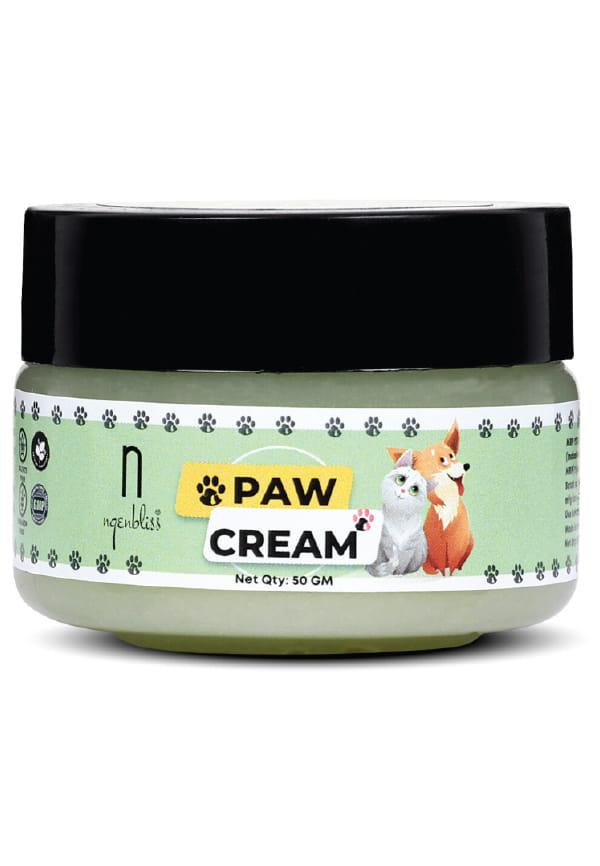 50 gm
50 gmPaw Cream For Dogs And Cats | Suitable For All Dog And Cat Breeds
Treatment depends entirely on the underlying cause. Allergic reactions might need antihistamines or special diets, whilst bacterial infections require antibiotics. Hormonal issues often need long-term medication, and parasitic infections need specific anti-parasitic treatments.
Common food allergens include beef, chicken, dairy, wheat, and soy. However, any protein your dog has been exposed to repeatedly can potentially become an allergen. Food allergies typically cause itchy skin and hair loss around the face, ears, and paws.
Stress-related hair loss is usually temporary and will grow back once the underlying anxiety is addressed. However, chronic stress can lead to persistent behavioural patterns that continue causing hair loss until properly managed.
This varies depending on the cause and your dog's breed, but generally, you'll start seeing new hair growth within 4-6 weeks of successful treatment. Full regrowth can take several months, especially for double-coated breeds.
Not always, but it's worth investigating. Whilst some hair loss is normal seasonal shedding, patchy hair loss or dog bald spots usually indicate an underlying issue that benefits from treatment.
Identifying causes of hair loss in dogs isn't always straightforward, but understanding the difference between normal shedding and problematic alopecia in dogs is your first step. Whether you're dealing with allergies, infections, hormonal imbalances, or stress-related issues, early identification and proper treatment make all the difference.
Remember, whilst home observation is valuable, professional veterinary diagnosis is often necessary for effective treatment. Don't hesitate to seek help if you're concerned—most skin conditions in dogs are highly treatable when caught early. Your furry mate deserves to feel comfortable in their own skin, and with the right approach, you can help them get back to their happy, healthy selves.
