How to Identify and Treat Common Skin Issues in Dogs

 50 gm
50 gmPaw Cream For Dogs And Cats | Suitable For All Dog And Cat Breeds
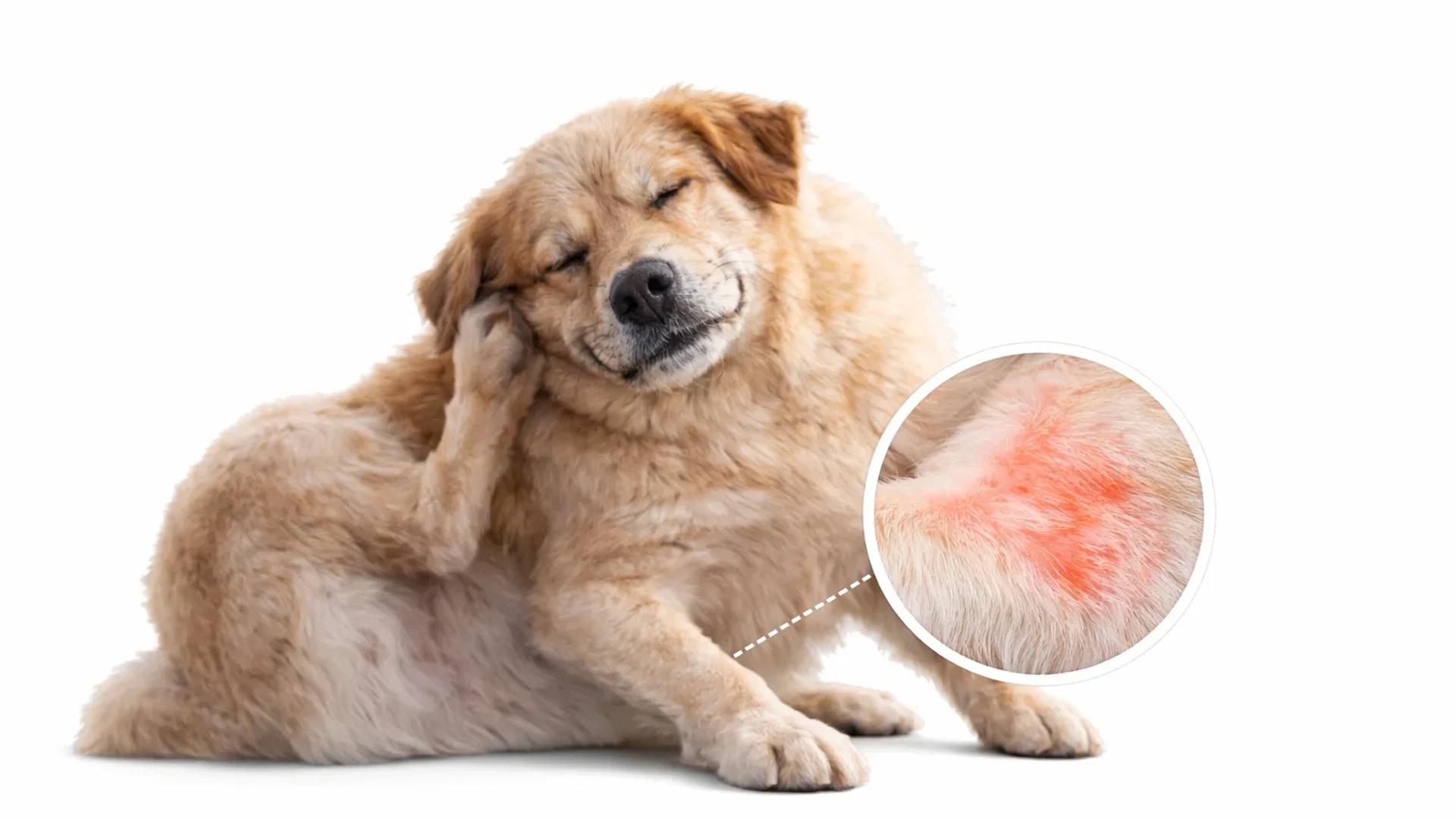
Your furry mate's constant scratching might be more than just a quirky habit. Common skin issues with dogs affect millions of pets across India, and spotting them early can save your pup from serious discomfort. From mysterious rashes to stubborn hot spots, dog skin problems come in all shapes and sizes. The good news? Most conditions are totally manageable once you know what to look for. Let's dive into the world of canine dermatology and get your dog back to their happy, healthy self.
Dog skin problems are surprisingly common, affecting nearly 25% of all vet visits in India. Your dog's skin is their largest organ, and it's constantly battling environmental factors, allergens, and parasites. Unlike humans, dogs can't tell us when something feels off, so they communicate through scratching, licking, and other behaviours that might seem normal at first glance.
Early identification makes all the difference between a quick fix and a chronic condition. When left untreated, minor irritations can spiral into serious dog skin infections that require extensive treatment. Your pup's quality of life depends on healthy skin, affecting everything from their sleep patterns to their playful energy.
Recognising dog skin conditions early is your first line of defence. Each condition has distinct signs that, once you know what to look for, become pretty obvious. Let's break down the usual suspects that cause itchy dog skin and other uncomfortable symptoms.
Dog skin allergies are the troublemakers behind most chronic scratching. Environmental allergens like pollen, dust mites, and mould spores can turn your calm pup into a scratching machine. Food allergies often show up as ear infections alongside skin irritation, whilst flea allergy dermatitis creates intense reactions to even single flea bites. Watch for red, inflamed patches, constant paw licking, and that telltale head shaking that signals ear trouble.
Hot spots are like skin emergencies that appear overnight. These red, moist lesions spread rapidly and can grow from coin-sized to palm-sized in just hours. They're usually triggered by trapped moisture, insect bites, or excessive licking. You'll typically find them on the head, chest, or hip area where dogs can easily reach to scratch.
Bacterial infections often piggyback on existing skin problems, creating a secondary mess that's harder to treat. Primary infections are rare, but secondary ones love to crash the party when allergies or injuries compromise the skin barrier. Look for pustules, crusty scabs, and circular lesions that might remind you of ringworm but smell distinctly funky.
 Pack of 4
LetsShave EZ-WIZZY 2 in 1 Pet Shampoo for Dogs (1000ml), Enriched with Pomegranate & Aloe Vera Juice, Puppy Safe Formula, Shampoo & Conditioner for D
Malassezia dermatitis brings its own calling card: that unmistakable musty, cheesy smell that no amount of bathing seems to fix. The skin often looks darker and feels greasy to touch. Ears, paws, and skin folds are prime real estate for yeast overgrowth, especially in humid climates.
Sarcoptic mange creates intense itching that drives dogs absolutely mad, whilst demodectic mange typically affects puppies and immunocompromised dogs with patchy hair loss. Flea infestations are easier to spot—look for tiny black specks in the fur that turn reddish-brown when wet. These parasites can turn even the calmest dog into a scratching, uncomfortable mess.
Seasonal changes, especially during winter months, can leave your dog's skin feeling tight and flaky. Poor nutrition, over-bathing, or underlying health issues contribute to chronic dryness. You'll notice increased shedding, a dull coat, and white flakes that look like dandruff scattered around your home.
Alopecia patterns tell stories about underlying health issues. Symmetrical hair loss often points to hormonal imbalances, whilst patchy, circular bald spots might indicate ringworm. Any sudden, rapid hair loss deserves immediate attention, especially when accompanied by skin colour changes or unusual textures.
Creating a daily skin inspection routine helps catch problems before they become serious. Spend a few minutes during grooming or cuddle time examining your dog's skin systematically. Start from the nose and work your way back, paying special attention to areas where problems commonly hide.
Key areas need extra attention: between toes, inside ears, under the tail, and in skin folds around the face and body. Document any changes with photos—your vet will appreciate the visual timeline, and you'll have a reference point for tracking improvement or worsening. Normal shedding becomes concerning when you notice bald patches, excessive scratching, or changes in skin colour and texture.
Treatment approaches vary dramatically depending on the underlying cause. What works for dog dermatitis might worsen a yeast infection, so proper diagnosis is crucial. Let's explore your options from gentle home care to professional interventions.
 810 gm
LetsShave EZ-WIZZY Pet Trimmer for Dogs & Other Hairy Animals,All in one Trimmer for dogs (Pet Trimmer With Tools)
Gentle cleansing with lukewarm water removes irritants without stripping natural oils. Medicated shampoos containing oatmeal, aloe, or chlorhexidine can provide relief for mild conditions. Dietary modifications, particularly adding omega-3 fatty acids, support skin health from the inside out. Environmental control means regular washing of bedding, using air purifiers, and maintaining optimal humidity levels.
Antihistamines like cetirizine can help with allergic reactions, but always consult your vet for proper dosing. Topical treatments including aloe vera gels or coconut oil provide moisture for dry patches. Omega-3 supplements support the skin barrier function, but quality matters—look for products specifically formulated for dogs. Never use human products without veterinary approval, as some ingredients can be toxic to pets.
Prescription medications become necessary when over-the-counter options fail. Antibiotics tackle bacterial infections, whilst antifungal medications address yeast overgrowth. Allergy testing and immunotherapy offer long-term solutions for chronic allergic conditions. Specialised veterinary dermatology services provide advanced diagnostic tools like skin biopsies and culture testing when standard treatments don't work.
Prevention beats treatment every time, and most dog skin problems are preventable with consistent care. Regular grooming removes dead skin cells, distributes natural oils, and gives you early warning signs of developing issues. A good grooming routine includes weekly brushing, monthly baths (unless otherwise directed), and daily quick visual checks.
Flea and tick prevention protocols protect against parasitic infections that trigger allergic reactions. Year-round prevention is essential in India's climate, where these pests thrive. Nutritional support through high-quality food rich in essential fatty acids builds strong skin from within. Environmental allergen management includes using HEPA filters, regular cleaning, and avoiding known triggers during high-pollen seasons. Stress reduction plays a surprising role in skin health—anxious dogs often develop stress-related skin conditions that resolve with proper mental stimulation and routine.
Some symptoms demand immediate professional attention, no matter how minor they seem initially. Chronic itching lasting more than 48 hours suggests an underlying condition that won't resolve on its own. Open sores or wounds that don't heal within a few days risk becoming infected and spreading.
Sudden, rapid hair loss patterns often indicate serious underlying health issues requiring diagnostic testing. Foul odours from skin or ears signal bacterial or yeast infections that need prescription treatment. Behavioural changes due to discomfort—like loss of appetite, lethargy, or aggression when touched—indicate significant pain levels. Secondary infections developing from constant scratching create complicated treatment scenarios that require professional management.
Just as Smytten helps you discover the right skincare products for yourself through trial-sized options, finding the right treatment for your dog's skin issues might require some experimentation under veterinary guidance. With over 25 million users trusting Smytten's approach to product discovery, the platform understands that sometimes you need to try different solutions before finding what works best.
 1 unit
Letsshave EZ‑WIZZY Pet Trimmer Replacement Blade – Pack of 1 | Sharp & Whisper‑Quiet | Ceramic Blades | Dogs, Cats and All other Furr Animal Grooming
Allergies are the most common skin condition affecting dogs, including environmental allergies, food allergies, and flea allergy dermatitis. These conditions often overlap and can trigger secondary bacterial or yeast infections.
Mild skin issues can be managed with gentle medicated shampoos, regular grooming, omega-3 supplements, and environmental control measures. However, persistent problems lasting more than a few days require veterinary evaluation.
Look for symptoms like persistent scratching, red inflamed areas, pustules, unusual odours, hair loss, or changes in skin texture and colour. Bacterial infections often have a distinct smell and may produce pus-filled bumps.
Hot spots develop from constant licking or scratching due to allergies, insect bites, poor grooming, trapped moisture, or underlying skin irritation. They can appear and spread rapidly, requiring immediate attention.
Many skin issues can be prevented through regular grooming, year-round flea prevention, proper nutrition with essential fatty acids, environmental allergen management, and stress reduction techniques.
Common skin issues with dogs don't have to become chronic problems when you know what to watch for. Early identification and proper treatment make all the difference between a quick recovery and months of discomfort for your furry friend. Remember that skin health reflects overall wellness—addressing underlying causes rather than just symptoms leads to better long-term outcomes.
Just like Smytten's approach to helping consumers discover the right beauty and wellness products through affordable trial options, managing your dog's skin health might require trying different approaches under professional guidance. With Smytten's commitment to ensuring that settling for less is never an option, the same principle applies to your pet's care—don't settle for ongoing discomfort when effective solutions exist. Whether you're exploring new skincare routines for yourself or seeking the best care for your dog, the key is finding what works through informed choices and expert guidance.
