How Often Should You Brush Your Cat's Fur? FAQ

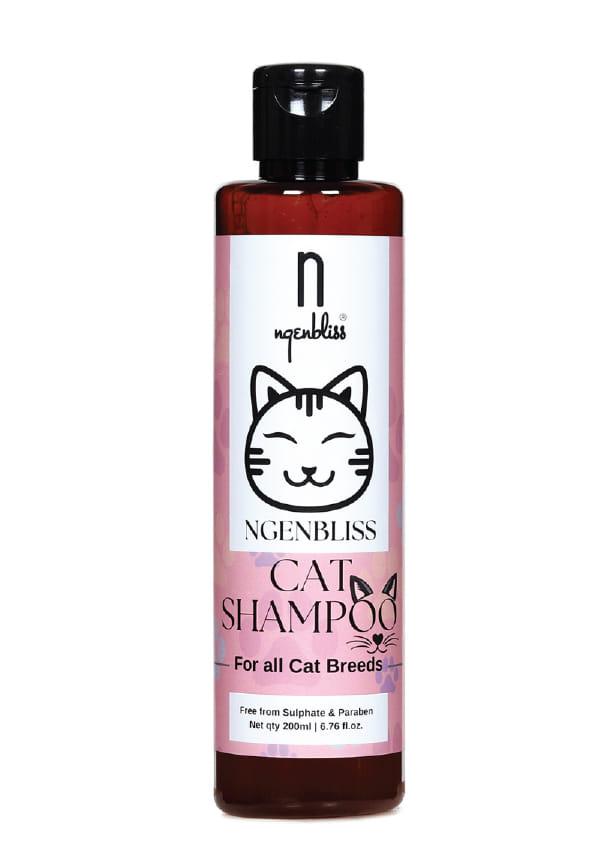 200 ml
Cat Shampoo - Suitable For All Cat Breeds
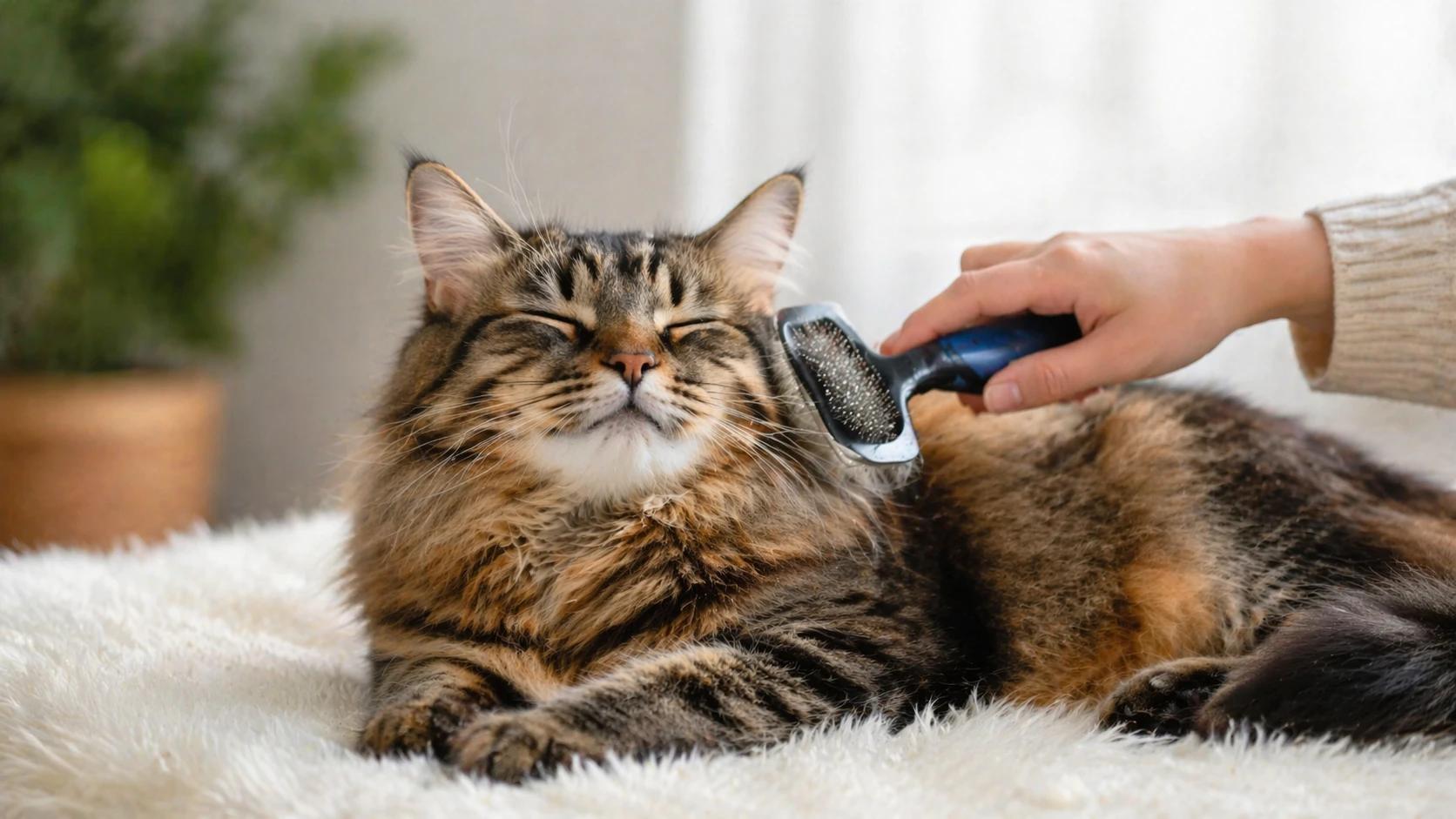
If you've ever wondered how often you should brush your cat's fur, you're not alone. Cat grooming can feel like a bit of a mystery—some cats seem to handle it all on their own, while others turn into walking fur tumbleweeds around your home. The truth is, brushing frequency depends on your cat's coat type, lifestyle, and individual needs. Getting it right can make a world of difference for both you and your feline friend, reducing cat shedding around the house and keeping those pesky hairballs at bay.
Let's cut straight to the chase—here's your go-to guide for how often you should brush your cat's fur based on their coat type. Think of this as your cheat sheet for keeping your furry mate looking and feeling their best.
Long-haired cats: Daily brushing (Maine Coons, Persians, Ragdolls)
Medium-haired cats: 3-4 times per week (British Shorthairs, Russian Blues)
Short-haired cats: 1-2 times per week (American Shorthairs, Siamese)
Hairless cats: Weekly skin care with a damp cloth
These are general guidelines, but every cat is unique. Some short-haired cats might shed more during certain seasons, whilst some long-haired beauties might need extra attention if they're not great self-groomers.
Not all cat fur is created equal, and understanding your cat's specific coat type is key to nailing their grooming routine. Different coat types come with different challenges, from preventing mats to managing seasonal cat shedding.
Long-haired cats are absolutely gorgeous, but they need daily attention to keep their coats healthy. Without regular brushing cats with long fur can develop painful mats, especially in areas where their fur rubs together.
Focus on high-risk areas: behind the ears, armpits, back legs, and belly
Use a slicker brush followed by a metal comb for thorough cat fur care
Pay extra attention during spring and autumn when shedding increases
Watch for early signs of matting—small tangles that feel different when you run your fingers through their fur
Short-haired cats are generally easier to maintain, but they still benefit from regular brushing. A weekly routine helps remove loose fur and distributes natural oils throughout their coat.
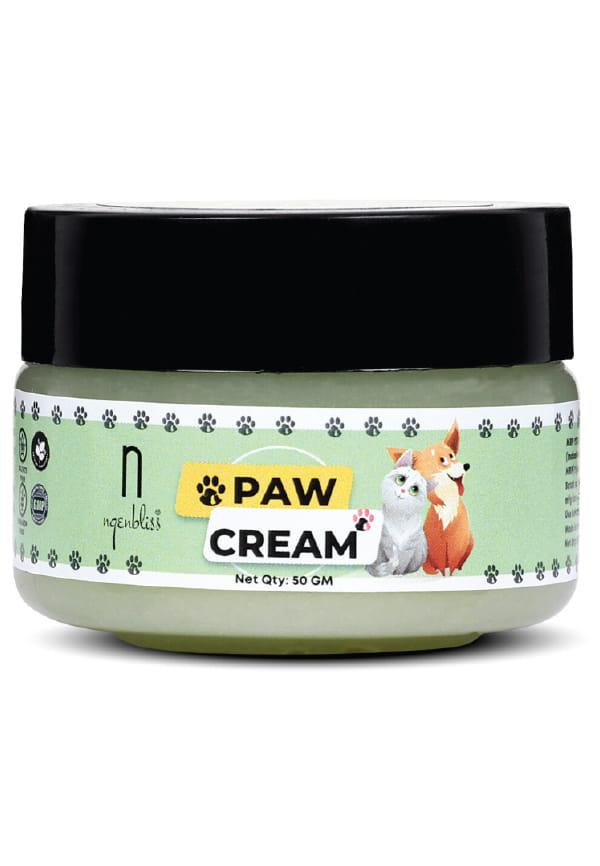 50 gm
50 gmPaw Cream For Dogs And Cats | Suitable For All Dog And Cat Breeds
Increase frequency during shedding seasons (spring and autumn)
Indoor cats might need slightly more frequent brushing due to consistent temperatures
Use a bristle brush or rubber grooming mitt for gentle cat grooming
Age plays a big role in how often and how you should approach cat grooming. Senior cats might struggle to groom themselves effectively, whilst kittens need gentle introduction to the brushing routine.
Older cats with arthritis might need daily help with areas they can't reach
Start brushing kittens early to build positive associations
Be extra gentle with senior cats who might have sensitive skin
Your cat's coat and behaviour will tell you everything you need to know about whether your current grooming routine is working. Keep an eye out for these telltale signs that it's time to step up your brushing game.
Excessive shedding around the house—finding fur on every surface
Visible mats or tangles forming, especially on long-haired cats
Increased hairball frequency—more than once a week might indicate inadequate grooming
Dull or greasy-looking coat that's lost its natural shine
Over-grooming behaviours like excessive licking or bald patches
Under-grooming signs such as a scruffy appearance or strong odours
Real talk—if you're noticing any of these signs, it might be time to reassess your cat grooming routine. Sometimes a simple increase in brushing frequency can solve these issues completely.
Having the best cat brush for your specific feline makes all the difference in the world. It's like trying to style your hair with the wrong tools—technically possible, but not exactly pleasant for anyone involved.
Different coat types need different approaches, and having the right brush can turn grooming from a battle into a bonding session.
 2 unit
Letsshave EZ‑WIZZY Pet Trimmer Replacement Blade – Pack of 1 | Sharp & Whisper‑Quiet | Ceramic Blades | Dogs, Cats and All other Furr Animal Grooming
Slicker brushes: Perfect for long-haired cats and removing loose undercoat
Pin brushes: Great for medium to long coats and daily maintenance
Bristle brushes: Ideal for short-haired cats and adding shine
Deshedding tools: Brilliant for heavy shedders during peak seasons
Metal combs: Essential for detail work around the face and paws
You don't need to break the bank to keep your cat well-groomed, but investing in quality tools can make the process smoother for both of you.
High-quality brushes last longer and work more effectively
Budget options can work well for occasional grooming
Consider your cat's tolerance level—some might prefer softer brushes
Getting your cat comfortable with regular brushing is half the battle. With the right approach, even the most brush-resistant cats can learn to tolerate or even enjoy their grooming sessions.
Start slowly—begin with short sessions and gradually increase duration
Choose the right time—after meals or play sessions when they're relaxed
Use positive reinforcement—treats and praise go a long way
Be gentle—let your cat sniff the brush first and start with areas they enjoy being petted
Watch their body language—stop if they seem stressed or uncomfortable
Make it routine—consistency helps cats feel more comfortable with the process
Remember, preventing cat hairballs is just one benefit of regular brushing. You're also strengthening your bond with your cat and keeping their skin and coat healthy.
Absolutely! Daily brushing is actually recommended for long-haired cats and can benefit most cats, especially during shedding seasons. Just make sure to use gentle strokes and watch for any signs of skin irritation.
 200 ml
All Natural Dog Shampoo
For most cats, brushing 2-3 times per week significantly reduces shedding around your home. During peak shedding seasons (spring and autumn), daily brushing can make a noticeable difference.
Indoor cats often need more frequent brushing because they don't have natural elements like rough surfaces to help remove loose fur. They also tend to shed more consistently due to artificial lighting and heating.
Without regular brushing, long-haired cats can develop painful mats that may need professional removal. They're also more likely to ingest excessive fur while self-grooming, leading to frequent hairballs.
Yes! Regular brushing removes loose fur before your cat can swallow it during self-grooming. This is one of the most effective ways to reduce hairball frequency naturally.
Start gentle brushing around 8-10 weeks old with very short sessions. Focus on making it a positive experience rather than thorough grooming at first.
Start with 2-3 minutes for new cats and gradually work up to 5-10 minutes for long-haired breeds. Short, frequent sessions are more effective than long, stressful ones.
Getting the brushing frequency right for your cat isn't rocket science, but it does require paying attention to their individual needs. Whether you've got a fluffy Persian who needs daily attention or a sleek short-haired cat who's happy with weekly sessions, consistency is your best friend. Remember, regular cat grooming isn't just about keeping your home fur-free—it's about keeping your cat healthy, comfortable, and looking their absolute best.
Just like how Smytten helps you discover the perfect products through trial-sized options before committing to full sizes, finding the right grooming routine for your cat might take some experimentation. With over 25 million users trusting Smytten's approach to trying before buying, the same principle applies to cat care—start small, see what works, and adjust as needed. After all, why settle for 'maybe' when you can find exactly what works for your feline friend?
