How Often Should You Brush a Cat's Teeth? Your FAQ Answered

 200 ml
Cat Shampoo - Suitable For All Cat Breeds
Let's be real—brushing your cat's teeth probably wasn't on your pet parenting bingo card when you first brought your furry friend home. But here's the thing: cat dental care is just as crucial as their regular grooming routine. Most cat owners wonder exactly how often should you brush a cat's teeth to keep those pearly whites healthy. The short answer? Daily is ideal, but don't panic if that sounds overwhelming—there's a minimum that works too. Your cat's oral health affects everything from their breath to their overall wellbeing, so let's dive into what actually works.
Here's the deal with brushing cat teeth frequency—it's not as complicated as you might think. Daily brushing is the gold standard, but let's keep it real about what's actually doable for most cat parents.
If you can manage it, daily 30-second sessions are your best bet for preventing plaque buildup. Think of it like your own dental routine—consistency beats intensity every time. Daily brushing stops plaque from hardening into tartar, which is when things get properly messy.
Can't commit to daily? Fair enough. The absolute minimum for effective cat oral hygiene is three to four times per week. This frequency still prevents most tartar buildup and keeps your cat's mouth relatively healthy. The science bit: plaque hardens into tartar within 24-48 hours, so spacing sessions too far apart lets the bad stuff accumulate.
You can't just grab any old toothbrush and hope for the best. Cat dental care requires specific tools that work with their mouth size and temperament.
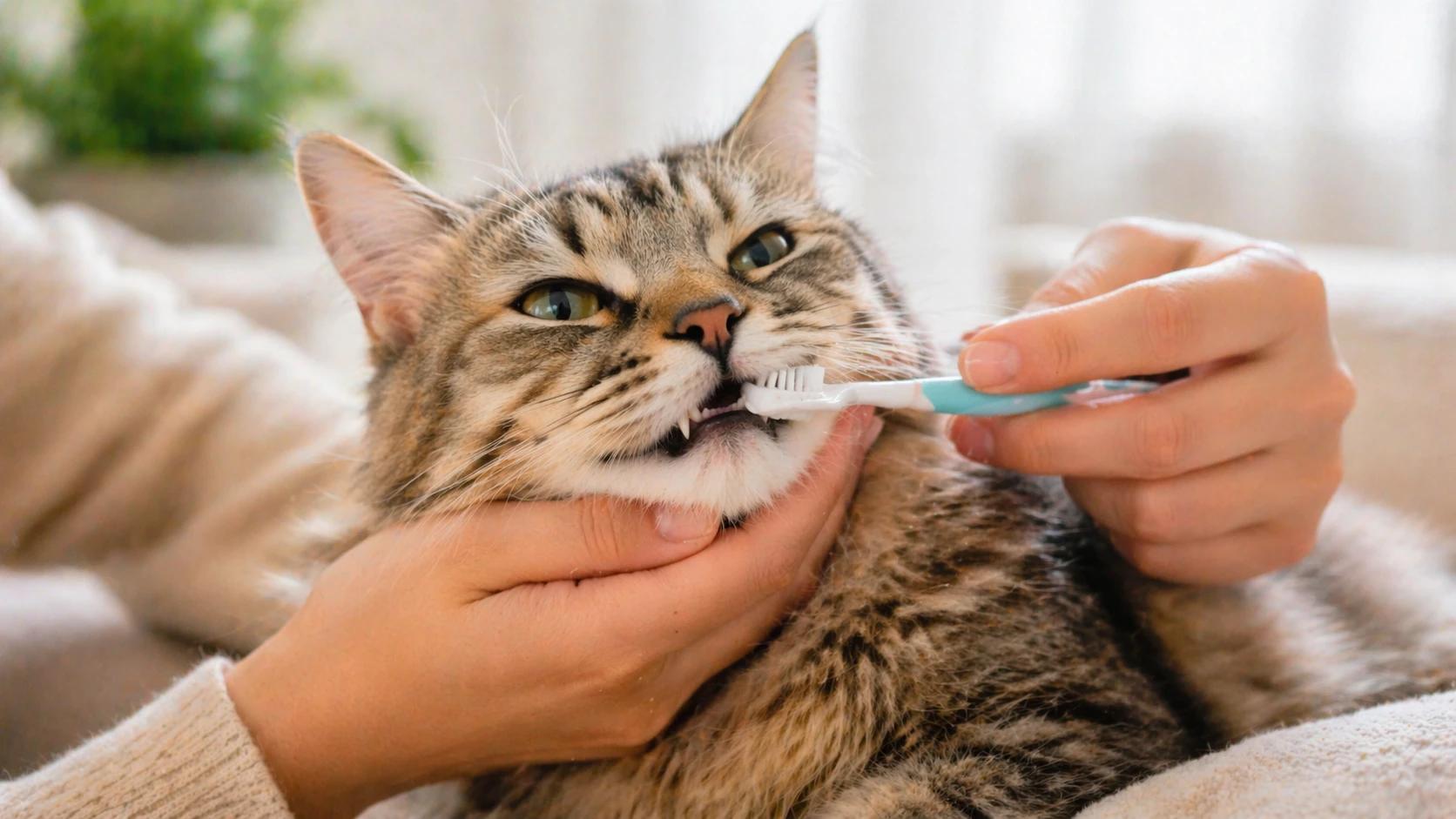
Finger brushes are brilliant for beginners—they give you better control and feel less invasive to your cat. Traditional small-headed toothbrushes work well once your cat's comfortable with the process. Some cats prefer soft gauze wrapped around your finger as a gentler alternative.
 100 gm
Clove Sensitive Toothpaste| Dual Action toothpaste For Sensitivity & Bad Breath
Never, ever use human toothpaste on your cat—it contains fluoride and other ingredients that are toxic to them. Cat-specific toothpastes come in flavours like chicken or fish that actually appeal to your feline friend. Some even have enzymes that help break down plaque naturally.
Ready to tackle cat teeth cleaning at home? Start slow and build up gradually. Rushing this process is a recipe for scratched arms and a stressed cat.
Begin by simply touching your cat's mouth and lips during cuddle time. Let them sniff and lick the toothpaste—most cats actually enjoy the taste. No actual brushing yet, just positive associations.
Let your cat investigate the toothbrush or finger brush. Put a tiny amount of toothpaste on it and let them lick it off. You're building trust here, not cleaning teeth yet.
Focus on the outer surfaces of the teeth where plaque accumulates most. Gentle circular motions work best, and don't worry about the inner surfaces—your cat's tongue naturally cleans those areas. Keep sessions short and sweet—30 seconds is plenty.
Even with regular brushing, you need to watch for warning signs that something's not right. Signs of dental disease in cats can be subtle at first, so knowing what to look for is crucial.
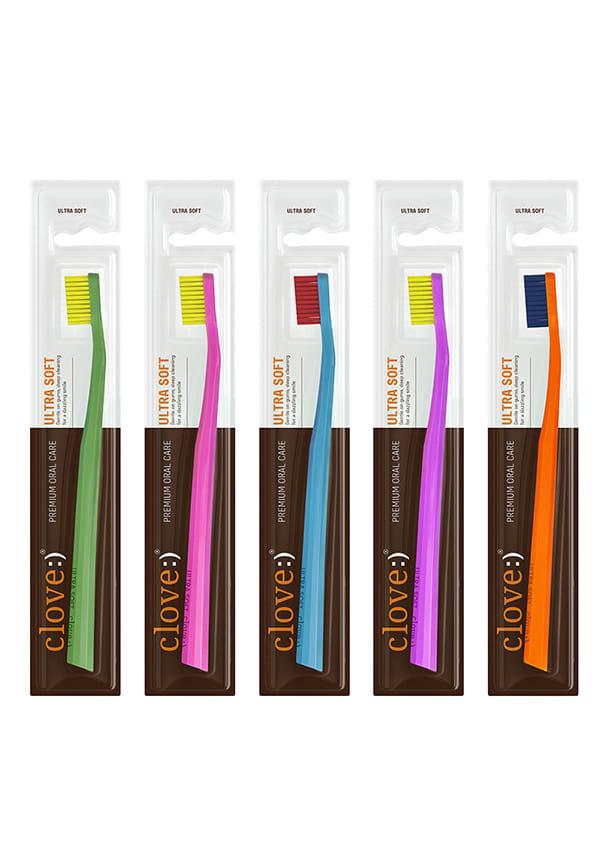 Pack of 5
4160 Ultra Soft Bristles Toothbrush for Deep Cleaning - Pack of 5 Assorted Colors
Yellow or brown tartar buildup along the gum line is the most obvious sign. Healthy cat gums should be pink, not red or swollen. Dark spots on teeth or visible tooth damage need immediate vet attention.
Difficulty eating, pawing at the mouth, or excessive drooling all signal dental problems. Cat breath odor that's particularly foul (beyond normal cat breath) often indicates infection or decay.
Sometimes you need backup plans. Alternatives to brushing cat teeth can supplement your routine, though they shouldn't replace regular brushing entirely.
Dental chews designed for cats can help scrape away plaque mechanically. Prescription dental diets have a specific texture that helps clean teeth as your cat eats. Water additives can reduce bacteria in the mouth, though they're not as effective as physical cleaning.
Sometimes your vet will recommend professional dental cleaning under anaesthesia. This allows for thorough cleaning below the gum line and treatment of any underlying issues.
Honestly, no. Skipping dental care leads to plaque buildup, gum disease, and potentially serious infections that can affect your cat's kidneys, heart, and liver. The bacteria from dental disease doesn't stay localised to the mouth.
 100gm
100gmUltimate Toothpaste | Active Freshness | Cavity Prevention
Daily brushing is ideal for preventing plaque from hardening into tartar. It also helps establish a routine that becomes easier over time. If daily feels overwhelming, aim for at least three times per week as your minimum.
Start after weaning, around 4-10 weeks old, when their baby teeth are present. Early introduction makes the process much easier as they grow. Adult cats can learn too, but it requires more patience and gradual training.
Absolutely not. Human toothpaste contains fluoride and other ingredients that are toxic to cats. Always use toothpaste specifically formulated for cats—they often come in appealing flavours like chicken or seafood.
Start slower with just touching their mouth during positive interactions. Some cats need weeks or months to accept brushing. In the meantime, dental treats, water additives, and regular vet checkups can help maintain oral health.
Watch for bad breath, difficulty eating, pawing at the mouth, excessive drooling, or visible tartar buildup. Red, swollen gums instead of healthy pink ones are also warning signs that need veterinary attention.
Getting into a regular teeth brushing routine with your cat might feel daunting at first, but it's one of the best things you can do for their long-term health. Whether you manage daily sessions or stick to the minimum three times per week, consistency is what matters most. Remember, this is about building positive habits that protect your cat from painful dental disease down the line.
Just like discovering the perfect products for your own routine, finding what works for your cat's dental care might take some trial and exploration. The key is starting somewhere and adjusting as you learn what your feline friend tolerates best. Your cat's health is worth the effort, and once you establish the routine, those 30-second sessions become just another part of your bonding time together.
