What Does Primer Do? Your Makeup Base Questions Answered

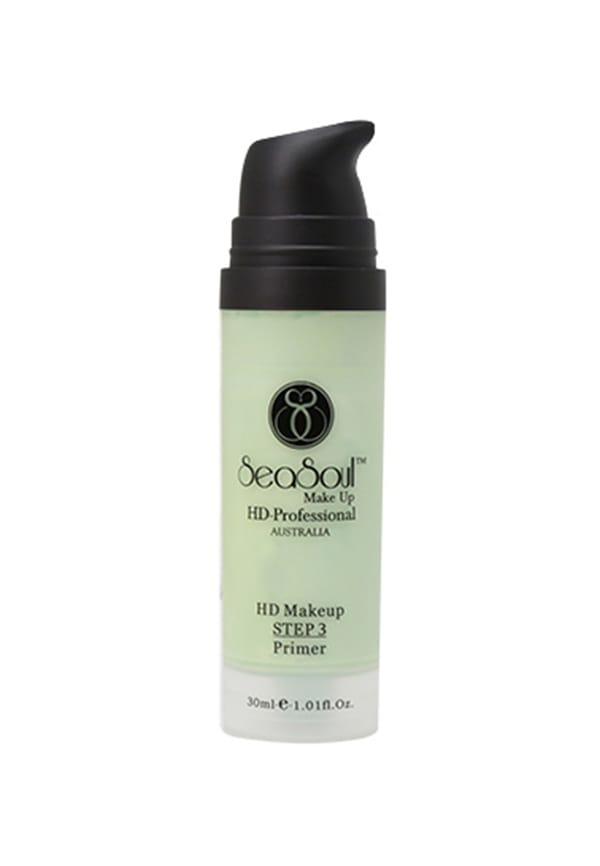 30 ml
30 mlHD Makeup Step 3 Primer
Ever wondered why your makeup looks flawless in tutorials but somehow doesn't quite hit the same mark on your face? The secret might be hiding in plain sight—primer. This unsung hero of the makeup world does way more than just add another step to your routine. Think of it as the foundation for your foundation, creating that smooth, picture-perfect canvas that makes everything else look better and last longer. Whether you're dealing with visible pores, patchy foundation, or makeup that disappears by lunchtime, understanding what primer does can be a total game-changer for your look.
Let's get straight to the point—primer is basically your skin's best mate when it comes to makeup application. It creates a smooth, even surface that helps your foundation glide on effortlessly and stay put throughout the day.
The main job of primer is to blur imperfections and minimise the appearance of pores, fine lines, and uneven texture. Think of it like using a filter in real life—it doesn't change your skin completely, but it definitely makes everything look more polished. When you apply primer, you're essentially creating a barrier between your skin and your makeup, which helps prevent your foundation from settling into creases or disappearing into your pores.
But primer doesn't just stop at surface-level improvements. It also helps extend your makeup's staying power by creating better adhesion between your skin and foundation. This means less touch-ups throughout the day and makeup that looks fresh from morning to night. Plus, many primers come packed with skincare benefits like hydration, oil control, or even SPF protection, making them a multitasking must-have.
Understanding how primer works can help you appreciate why it's such a game-changer. On a molecular level, primer creates a smooth film over your skin that fills in tiny imperfections and creates an even surface for makeup application.
The magic happens thanks to specific primer ingredients that each serve a unique purpose. Silicones like dimethicone are the MVPs here—they create that silky, smooth texture that blurs pores and fine lines instantly. These ingredients form a breathable barrier that doesn't clog pores but provides the perfect grip for your foundation.
Silicones are probably the most common primer ingredients you'll spot on labels. They create that signature smooth, velvety feel and help blur imperfections without feeling heavy or greasy.
Hyaluronic acid brings serious hydration to the party, plumping up your skin and creating a smooth base whilst keeping everything moisturised throughout the day.
Niacinamide is brilliant for oil control and pore-minimising, making it perfect for those dealing with shine or enlarged pores.
Whilst moisturiser focuses on hydrating and nourishing your skin, primer is all about creating the perfect makeup base. Moisturiser absorbs into your skin to provide long-term benefits, whilst primer sits on top to create that smooth, grippy surface your foundation needs.
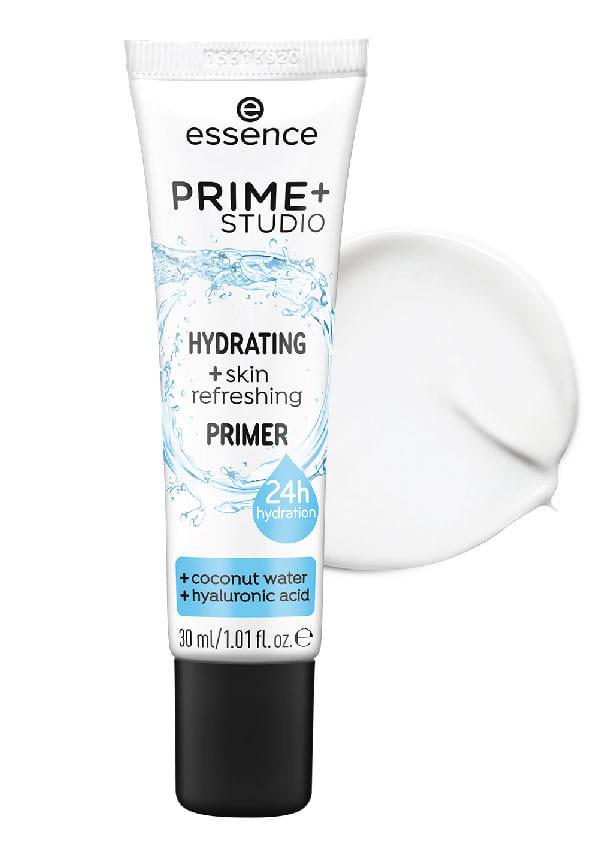 30 ml
30 mlPrime+ Studio Hydrating + Skin Refreshing Primer
Not all primers are created equal, and finding the right one for your skin type can make all the difference. Let's break down the main types and what they're best for.
If you're dealing with excess shine or enlarged pores, oil-controlling primers are your best friend. These formulas typically contain mattifying ingredients that help absorb excess sebum and keep your makeup looking fresh all day.
Look for primers with ingredients like salicylic acid or clay, which help control oil production whilst minimising the appearance of pores. The key is finding something that mattifies without making your skin feel tight or uncomfortable.
Dry skin needs extra love, and hydrating primers deliver just that. These formulas are packed with moisture-boosting ingredients that prevent your makeup from clinging to dry patches or looking cakey.
Hydrating primers often contain ingredients like glycerin, hyaluronic acid, or ceramides that help plump up your skin and create a smooth, dewy base. They're perfect for preventing that dreaded foundation separation that can happen on dry skin.
These clever formulas tackle specific skin concerns with targeted colours. Green primers neutralise redness, purple primers brighten dull skin, and peach primers help counteract dark circles or spots.
Getting your primer application right is crucial for achieving that flawless base. The good news is it's pretty straightforward once you know the basics.
Start with clean, moisturised skin—this gives your primer the best foundation to work with. Wait about five minutes after applying moisturiser before moving on to primer, so everything has time to settle properly.
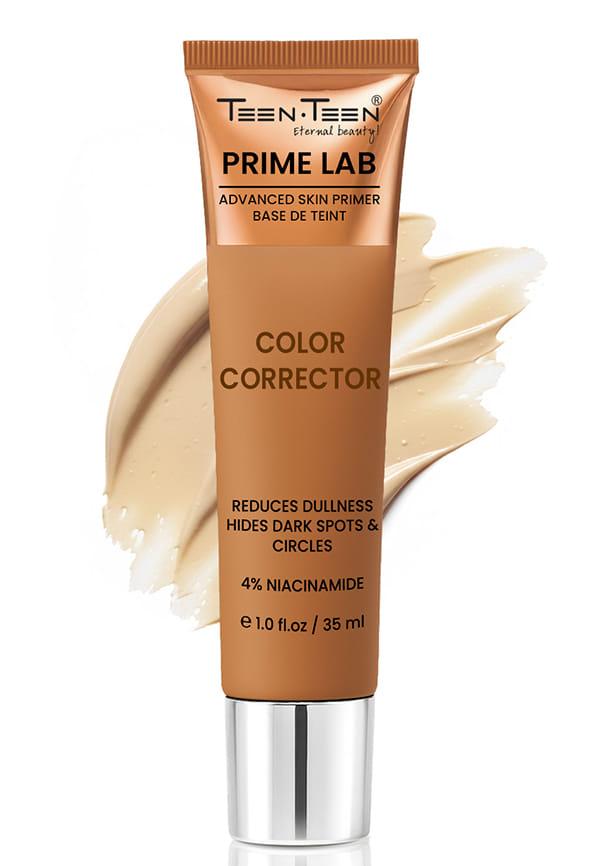 35 ml
35 mlPrimer
Use about a pea-sized amount of primer—a little goes a long way, and using too much can actually make your makeup slip and slide. Apply it with your fingertips, gently pressing and patting it into your skin rather than rubbing it in.
Focus on areas where you need the most help—typically the T-zone, around your nose, and any areas with visible pores or texture. Don't forget to blend it down your neck if you're planning to apply foundation there too.
Wait about two to three minutes before applying foundation. This gives the primer time to set properly and creates the best base for your makeup.
Whilst creating a smooth makeup base is primer's main job, there are loads of other ways to make the most of this versatile product. Understanding these different primer uses can help you get more value from your routine.
Some people use primer on days when they're not wearing foundation at all—it can help minimise pores and create a more polished look even with just concealer or tinted moisturiser. Others love using primer as a base for cream blush or bronzer, as it helps these products blend more seamlessly and last longer.
For everyday wear, a lightweight, hydrating primer might be all you need. But for special occasions or long days when you need your makeup to last, investing in a high-performance, long-wearing primer can make all the difference.
Let's be honest—primer isn't always essential. If you've got naturally smooth skin and you're just wearing a light layer of tinted moisturiser, you might be able to skip it. But for most of us, primer serves as that crucial link between skincare and makeup that makes everything work better together.
The face primer purpose goes beyond just making your makeup look better in the moment. It actually helps protect your skin from makeup ingredients and makes removal easier at the end of the day. Plus, many modern primers are packed with skincare benefits, so you're treating your skin whilst creating the perfect makeup base.
When you're exploring different primer options, platforms like Smytten make it easy to try before you commit. With trial packs from trusted brands, you can discover what works best for your skin without the pressure of buying full-size products straight away. After all, finding your perfect primer match is all about experimentation and understanding what your skin needs.
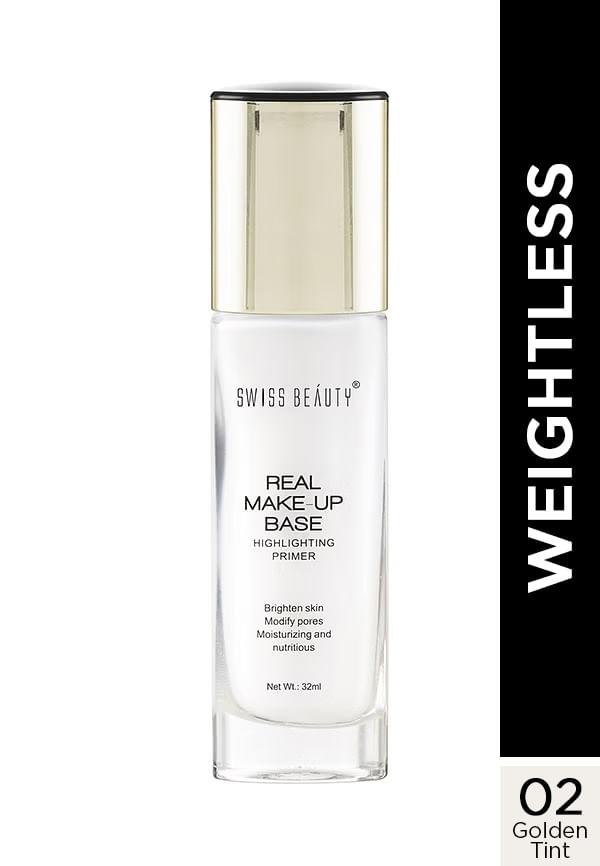 32 ml
32 mlReal MakeUp Base Highlighting Primer
Primer isn't always essential, but it definitely makes a difference. If you're wearing foundation or have concerns like visible pores, uneven texture, or makeup that doesn't last, primer can be a game-changer. For minimal makeup days with just concealer or tinted moisturiser, you might be able to skip it.
Moisturiser and primer serve different purposes. Moisturiser hydrates and nourishes your skin, whilst primer creates a smooth, grippy base for makeup. Using both gives you the best of both worlds—healthy, hydrated skin plus a perfect makeup base.
Primer smooths your skin's texture, blurs pores and imperfections, helps makeup apply more evenly, and extends its wear time. Many primers also offer skincare benefits like hydration, oil control, or sun protection.
Yes, most primers are safe for daily use. Look for non-comedogenic formulas that won't clog pores, and make sure to remove your makeup thoroughly each evening. If you have sensitive skin, start with a few times a week and see how your skin responds.
Wait about two to three minutes after applying primer before moving on to foundation. This gives the primer time to set properly and creates the best base for your makeup application.
Some primers can clog pores, especially if they contain heavy oils or comedogenic ingredients. Look for primers labelled as non-comedogenic, and always remove your makeup thoroughly at the end of the day to prevent buildup.
Understanding what primer does can seriously upgrade your makeup game. From creating a smooth canvas to extending wear time and even providing skincare benefits, primer is that multitasking hero your routine might be missing. The key is finding the right formula for your skin type and concerns—whether that's oil control, hydration, or colour correction.
Remember, the best primer is the one that works for your specific needs and lifestyle. Don't be afraid to experiment with different formulas and application techniques until you find your perfect match. With so many options available, from drugstore gems to high-end favourites, there's definitely a primer out there that'll make your makeup routine smoother, longer-lasting, and more enjoyable. After all, when your base looks good, everything else just falls into place.
