Master Foundation Cream: A Step-by-Step Tutorial

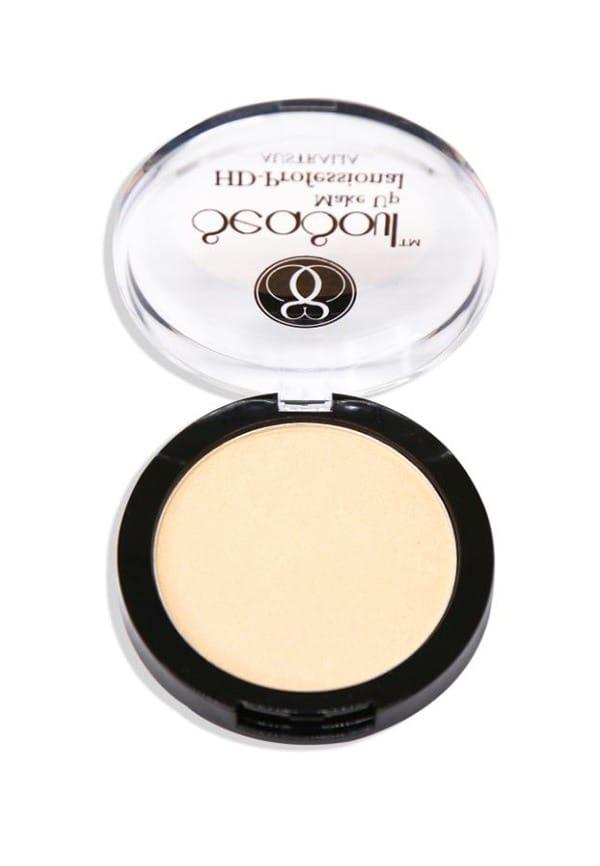 15 gm
15 gmFull Coverage MINERALIZE Cream Foundation
Ever wondered why some people's makeup looks flawless while yours feels a bit... off? The secret often lies in mastering foundation cream application. Getting your base right is a total game-changer. It makes everything else pop. Whether you're after that natural 'your skin but better' vibe or full glam coverage, nailing your foundation technique is worth the effort. Let's break down everything you need to know about foundation cream, from picking the right formula to achieving that Instagram-worthy finish.
Foundation cream is your makeup base—think of it as the canvas for your entire look. Getting familiar with different formulas helps you pick what works for your skin and the finish you're after. Not all foundations are created equal, and understanding these differences is your first step to makeup mastery. Worth a try through Smytten's Trial Orders!
Liquid foundation is probably what you think of first—it's versatile and works for most skin types. It gives you that smooth, even coverage that's buildable from light to full. Cream foundations are thicker and brilliant for dry skin, offering more hydration and coverage. Powder foundations are great for oily skin types who want a matte finish without the weight. Serum foundations are the newcomers—lightweight with skincare benefits built in. Try It All with different foundation formulas!
Sheer coverage is ideal for that 'no-makeup makeup' look—it evens out your skin tone without hiding your natural texture. Medium coverage strikes a balance, covering most imperfections while still looking natural. Full coverage makeup is your go-to for special occasions or when you want everything perfectly concealed. The beauty of buildable coverage is you can start light and add more where needed. Discover your fave through trial sizes!
Right, this is where it gets personal—what works for your bestie might not work for you. Your skin type and tone are unique, so finding your perfect match takes a bit of detective work. But once you nail it, you'll wonder how you ever lived without the right foundation.
Oily skin benefits from oil-free foundation formulas that won't slide off by lunchtime. If you've got dry skin, go for moisturizing foundation that adds hydration while providing coverage. Combination skin can be tricky—you might need different approaches for different areas of your face. Sensitive skin types should opt for gentle, fragrance-free formulas that won't cause irritation. Through thousands of Trial Orders, we've seen that foundation cream for oily skin and foundation cream for dry skin are popular searches!
Skin tone matching is crucial—nothing screams 'makeup mistake' like the wrong shade. Understanding your undertones (warm, cool, or neutral) helps narrow down your options. Test foundation on your jawline in natural light, not your hand or wrist. The right shade disappears into your skin. No obvious lines or color differences. Worth obsessing over!
Think of this as your makeup prep game—proper prep makes all the difference between foundation that looks good and foundation that looks incredible. Your makeup base starts with healthy, clean skin that's ready to hold onto your foundation all day.
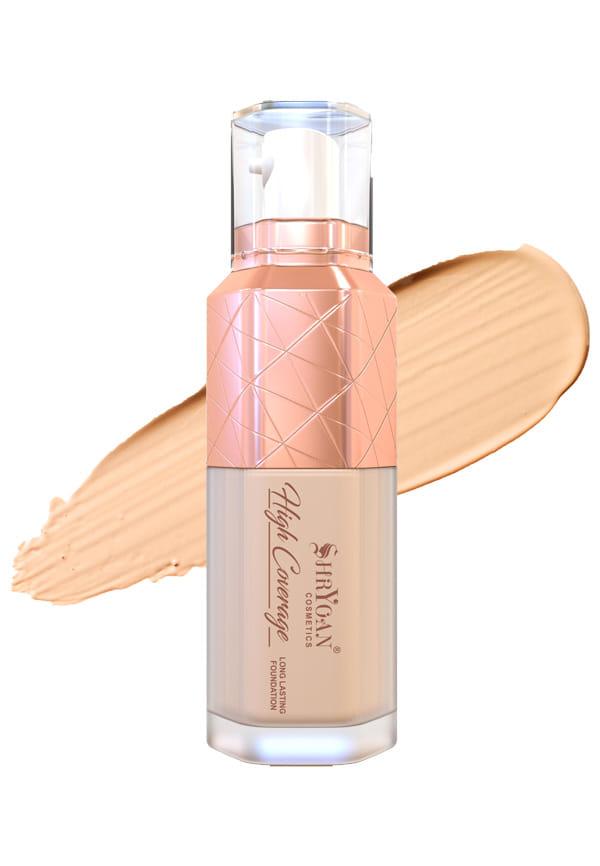 50 gm
50 gmHigh Coverage Foundation
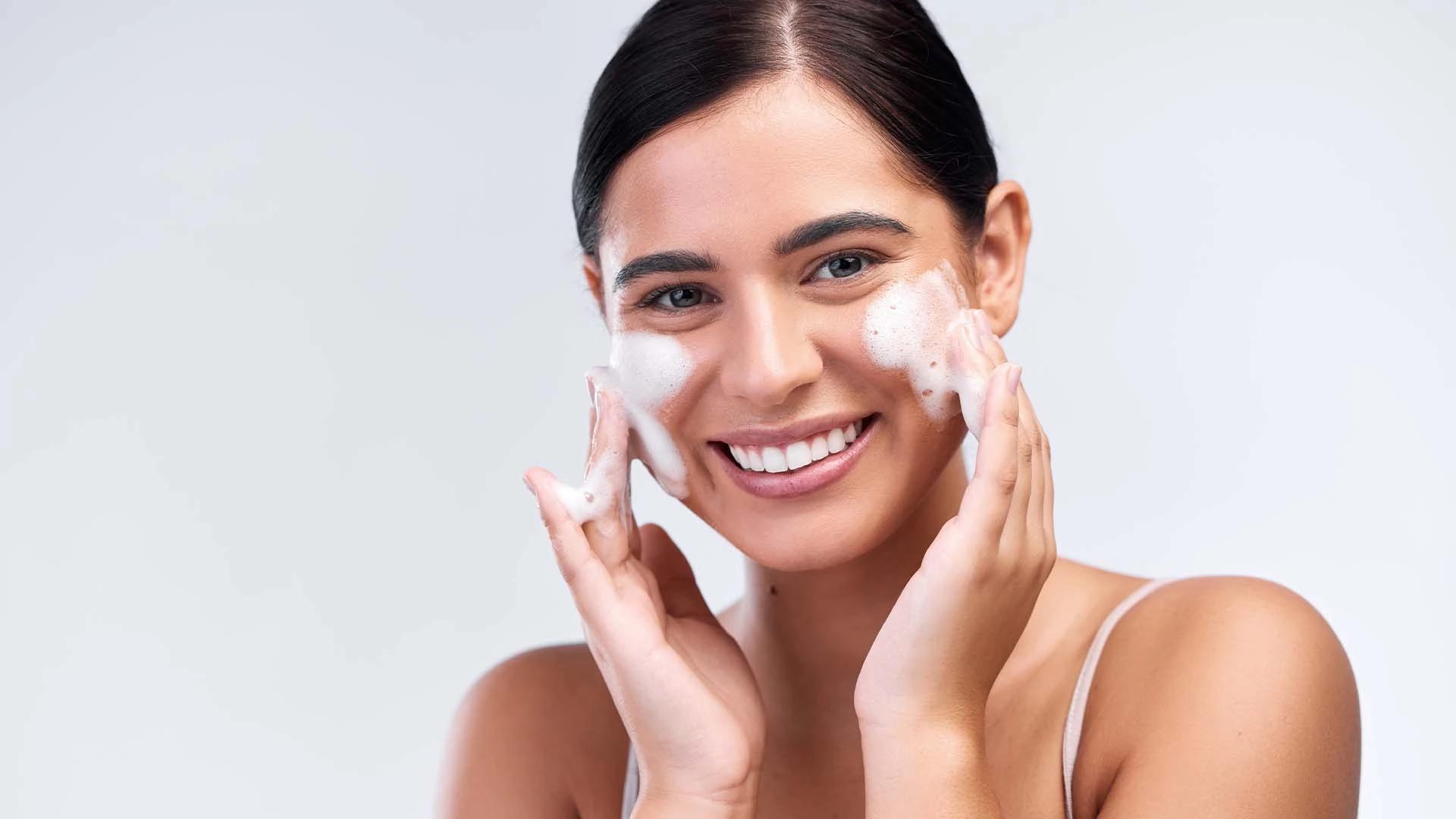
Clean skin is non-negotiable for smooth foundation application. Remove any traces of yesterday's makeup and give your face a proper cleanse. Gentle exfoliation once or twice a week helps remove dead skin cells that can make foundation look patchy or flaky.
Even oily skin needs moisture—just pick a lightweight, oil-free formula. Moisturizer creates a smooth canvas and helps your foundation glide on evenly. Primer isn't always essential, but it can help with long-lasting makeup and creating an even smoother base for application.
Right, let's get to the good stuff—actually applying your foundation cream. The technique you use can make or break your final look, so let's walk through this properly. Remember, practice makes perfect, so don't stress if it takes a few tries to get it just right.
Your fingers are actually brilliant for warming up the foundation and pressing it into your skin—perfect for a natural finish. Makeup sponges (damp, not soaking) give you that airbrushed look and help blend seamlessly. Brushes offer more precision and can help build coverage gradually.
Start with the dotting method—place small dots of foundation across your face (forehead, cheeks, nose, chin). Blend outward from the centre of your face, working in thin layers. Building coverage gradually looks more natural than slapping on loads at once. Take your time with this bit—rushing never leads to good results. Quick morning routine application: For the 18-40 working professional, try applying foundation with your fingers for a speedy, natural finish!
Streaky foundation usually means you need to blend more or your skin wasn't prepped properly. Dry patches? Make sure you've moisturized well and try patting rather than rubbing. If your foundation looks cakey, you've probably applied too much—less is more, always.
Your foundation finish can completely change your look—from natural and glowing to perfectly matte. The good news is you can achieve different finishes with the same foundation by tweaking your technique and what you use alongside it.
For a matte finish, start with an oil-free primer and foundation. Set with translucent powder, focusing on areas that get oily first (usually your T-zone). Blotting papers are your friend for touch-ups throughout the day without disturbing your makeup.
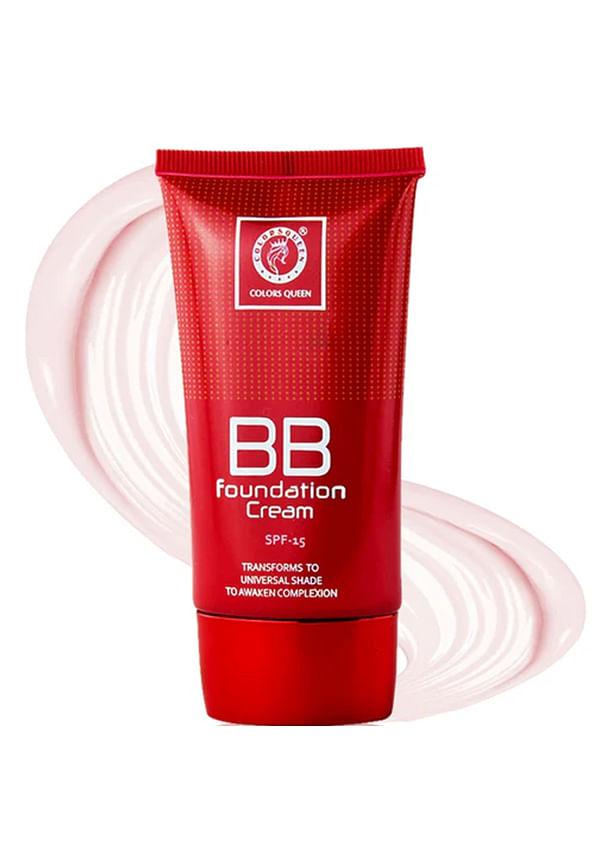 30 gm
30 gmBB Oil Free Foundation Cream with SPF-15
For that coveted dewy foundation finish, mix a drop of facial oil or liquid highlighter into your foundation. Apply with a damp sponge for extra glow. Skip the powder in areas where you want that luminous look—your cheekbones, bridge of your nose, and centre of your forehead.
Nobody wants their foundation disappearing halfway through the day. A few simple tricks can make your foundation stay put from morning coffee to evening plans. It's all about setting your base properly and knowing how to refresh without starting over.
Setting spray is brilliant for locking everything in place—spritz it on after you've finished your entire makeup look. Powder works too, but use it sparingly. Focus on areas that tend to get oily rather than powdering your entire face.
Blotting papers remove excess oil without disturbing your foundation. For quick touch-ups, pat (don't rub) a tiny bit of foundation where needed. A light dusting of powder can refresh your look without looking overdone.
Some events call for foundation that performs under pressure—think weddings, parties, or important meetings. Your everyday foundation technique might need tweaking for these moments when you need your makeup to look perfect all day or night.
For weddings, choose a foundation you've tested before—no experiments on the big day. Long-lasting makeup is crucial, so don't skip primer and setting spray. Think about photos too. Some formulas look ashy in flash.
Evening looks often call for more coverage and drama. Build up your foundation gradually and consider using concealer strategically for extra coverage where needed. Contouring can add dimension under artificial lighting. Instagram-worthy application techniques: Use a beauty blender for that flawless finish that looks amazing in photos!
Taking off your foundation properly is just as important as putting it on. Leaving traces of makeup can clog pores and affect how your foundation applies the next day. A good removal routine keeps your skin healthy and ready for tomorrow's makeup.
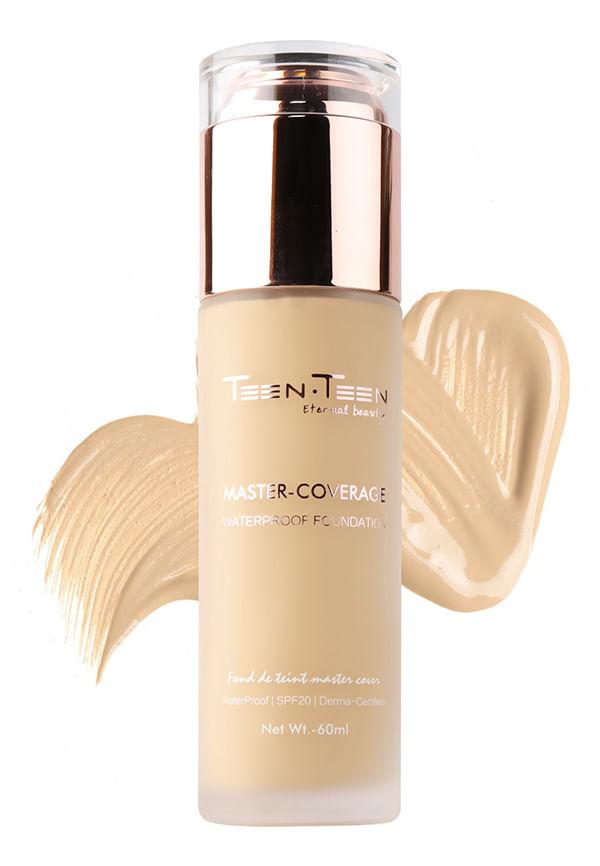 60 ml
60 mlMaster Coverage Foundation
Double cleansing is your best bet—start with an oil-based cleanser to break down the foundation, then follow with your regular cleanser. Micellar water works brilliantly for removing makeup without harsh scrubbing. Be gentle around your eye area where skin is most delicate.
After removing your makeup, follow up with toner to remove any leftover traces and restore your skin's pH balance. Don't forget to moisturize—your skin needs hydration after a day of wearing foundation. Night treatments can help repair and prep your skin for the next day.
Let's tackle some of the most common foundation questions that pop up. These are the things people always wonder about but aren't sure who to ask—consider this your friendly makeup chat.
Less is definitely more—build coverage gradually and focus on blending well. Mix your foundation with a drop of moisturizer for sheerer coverage. Use your fingers or a damp sponge for a more skin-like finish rather than brushes.
Try oil-free, matte formulas that control shine without drying out your skin. Water-based foundations tend to work well for oily skin types. Don't skip moisturizer though—dehydrated oily skin produces even more oil.
Most liquid foundations typically last around 12-18 months once opened. If your foundation smells off, changes texture, or separates, it's time for a new one. Keep it in a cool, dry place to extend its life.
Absolutely! Foundation works the same way regardless of gender. Men might prefer lighter coverage or tinted moisturizers for a more natural look. The key is finding the right shade and coverage level for your needs.
Not always, but primer can help your foundation last longer and apply more smoothly. If you have textured skin, large pores, or struggle with foundation staying put, primer might be worth trying.
Mastering foundation cream is all about understanding your skin and what works for you. Remember that finding your perfect foundation and technique takes time—don't expect to nail it on the first try. The most important things are choosing the right shade, prepping your skin properly, and building coverage gradually. Whether you prefer a natural look or full coverage, the basics remain the same: clean skin, proper blending, and patience. Keep practising, and soon applying foundation will feel as natural as putting on moisturizer. Your skin is unique, so embrace what makes your foundation look and feel best. Popular discoveries on Smytten show that the best foundation cream for daily use is often one that offers buildable coverage and suits all skin types!
