How to Use Makeup Primer Like a Pro Makeup Artist
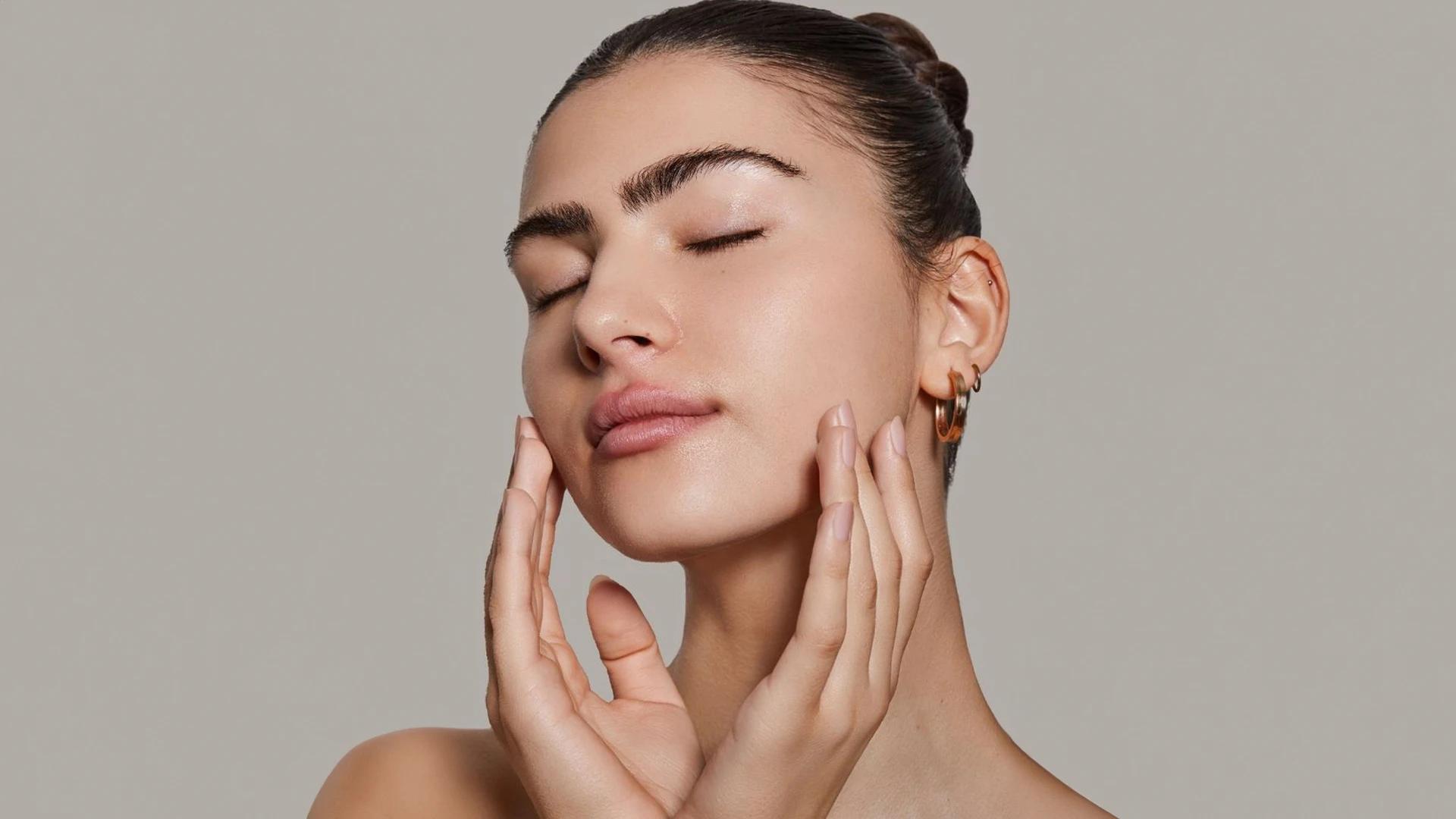

Ever wondered why your makeup looks flawless in the morning but starts sliding off by lunch? The secret weapon professional makeup artists swear by is often the most overlooked step in your routine: face primer. Think of it as the perfect canvas for your masterpiece. Just like you wouldn't paint on an unprepared wall, applying foundation without primer is setting yourself up for a makeup meltdown. Whether you're dealing with oily skin that turns your face into a slip-and-slide or dry patches that make your foundation look cakey, learning how to use makeup primer properly can transform your entire makeup game. Let's dive into the professional techniques that'll have you applying primer like a seasoned pro.
Real talk—primer isn't just another step brands invented to make you spend more money. It's genuinely the difference between makeup that lasts all day and makeup that needs constant touch-ups. A face primer is essentially a preparatory product that creates a smooth, even base for your foundation and other makeup products.
The makeup primer benefits are pretty impressive when you think about it. First, it fills in fine lines, pores, and any textural irregularities on your skin, creating that coveted smooth skin makeup finish. Second, it acts like a grip between your skincare and makeup, helping everything stay put for hours. Think of it as double-sided tape for your face—but way more elegant.
Professional makeup artists consider primer non-negotiable for several reasons:
Extended wear time: Your foundation won't budge for 8-12 hours
Smoother application: Foundation glides on effortlessly without catching on dry patches
Reduced product usage: You'll need less foundation when primer creates the perfect base
Enhanced colour payoff: Your makeup looks more vibrant and true-to-colour
Pore minimisation: Creates an Instagram-filter effect in real life
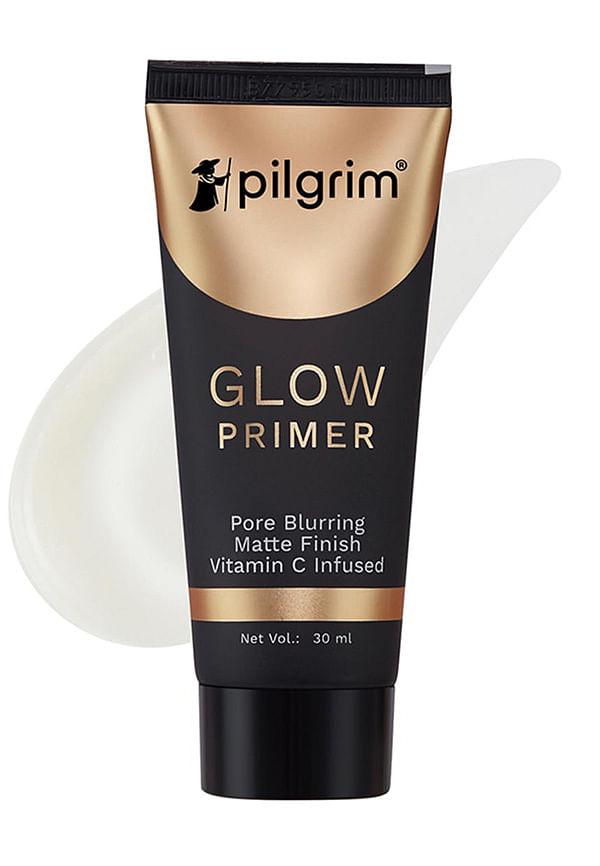 30 ml
30 mlGlow Primer
Not all primers are created equal, and choosing the wrong one can actually make your makeup worse. Let's break down the different types so you can find your perfect match.
If your pores are visible from space (we've all been there), a pore filling primer is your best friend. These silicone-based formulas literally fill in enlarged pores and fine lines, creating an almost airbrushed effect. Look for ingredients like dimethicone or cyclopentasiloxane on the label.
Oily skin needs a primer that controls shine without making your face feel like the Sahara desert. Mattifying primers contain oil-absorbing ingredients like silica or kaolin clay. They create a grippy base that prevents your foundation from sliding around, even during those intense Mumbai summers.
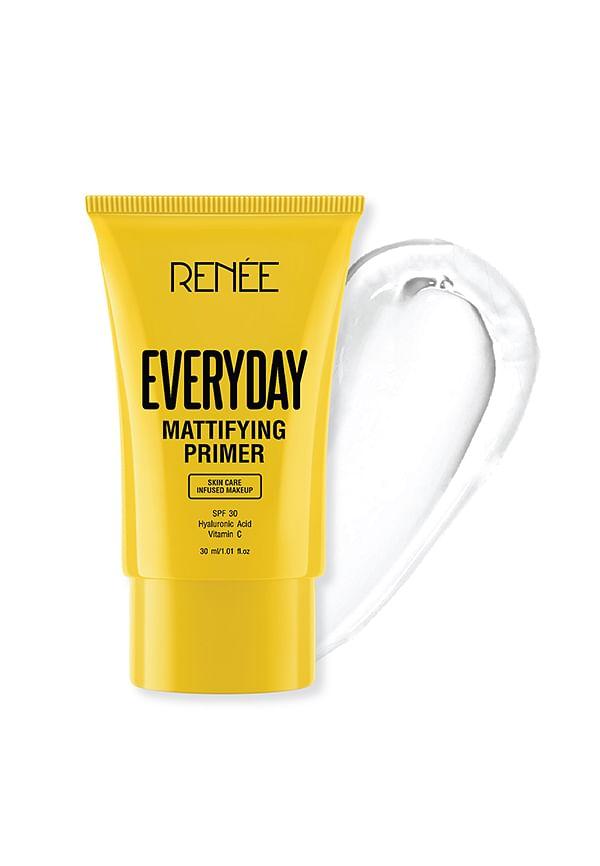 30 ml
30 mlEveryday Primer
Dry skin requires hydrating primers that add moisture while creating a smooth base. These often contain hyaluronic acid, glycerin, or botanical oils. They prevent that dreaded cakey foundation look and keep your skin looking plump and healthy all day.
These multitasking heroes address specific skin concerns while priming:
Green primers: Neutralise redness and blemishes
Purple primers: Brighten dull, sallow skin
Peach primers: Warm up cool undertones and counteract dark circles
Pink primers: Add a healthy flush to pale skin
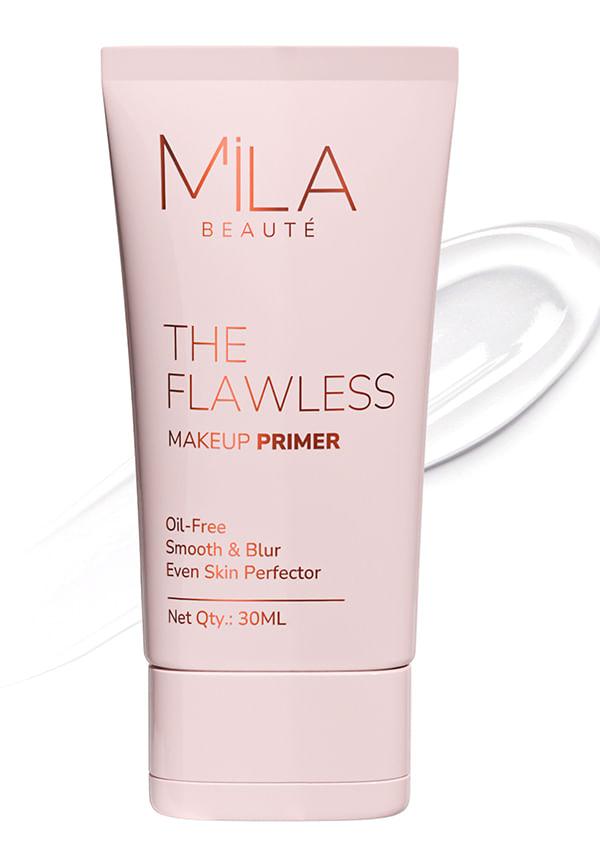 30ml
30mlThe Flawless Makeup Primer Oil-Free Smooth & Blur
Here's where the magic happens. Applying makeup primer correctly is an art form, and once you master it, your makeup will look professionally done every single time.
Step 1: Prep Your Canvas
Start with freshly cleansed skin. Apply your moisturiser and SPF, then wait 5-10 minutes for everything to absorb. This waiting period is crucial—rushing this step is the number one reason primer doesn't work properly.
Step 2: Choose the Right Amount
A pea-sized amount is enough for your entire face. Seriously. More isn't better with primer—it'll just make your foundation pill and separate.
Step 3: Master the Application Technique
Here's the professional secret: don't rub primer into your skin like moisturiser. Instead, use gentle tapping motions with your fingertips. Start from the centre of your face and work outwards, focusing extra attention on your T-zone where makeup tends to break down first.
Step 4: Target Problem Areas
Spend extra time on areas where your makeup usually fades first—around your nose, on your forehead, and anywhere you have visible pores or fine lines.
Step 5: The Waiting Game
This is where patience pays off. Wait 1-3 minutes before applying foundation. Use this time to do your eye makeup or choose your lip colour. The primer needs time to set properly for maximum effectiveness.
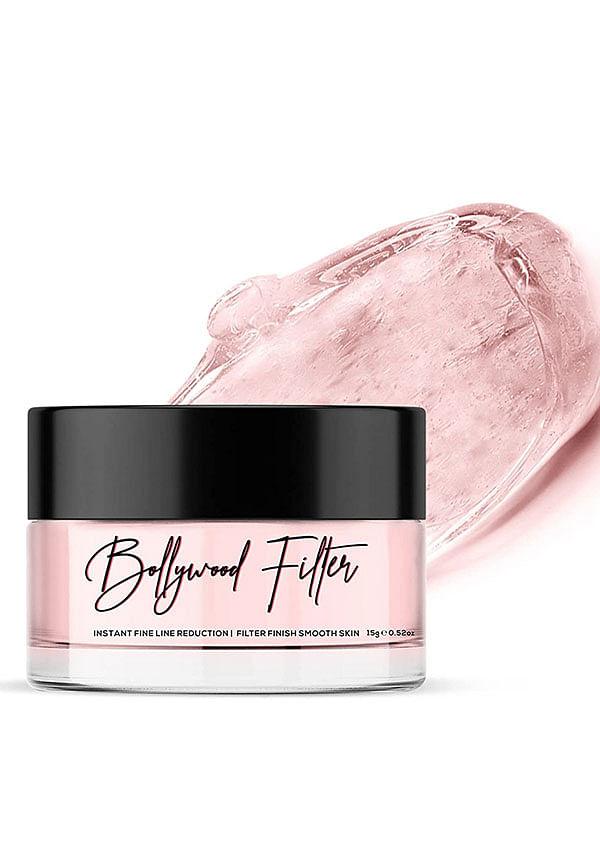 15 gm
15 gmBollywood Filter Face Primer – Blurring & Pore-Filling Primer for Smooth, Matte Base | Lightweight & Long-Lasting
Your fingers are actually the best tool for applying primer. The warmth helps the product melt into your skin, and you have better control over pressure and placement. However, if you prefer tools, a damp beauty sponge works well for pressing primer into textured areas.
Choosing the wrong primer is like wearing the wrong size shoes—technically possible, but you'll regret it all day. Here's how to match your primer to your skin's specific needs.
First, honestly assess your skin type. Touch your face an hour after cleansing—if it feels tight, you're likely dry. If there's shine on your T-zone, you're probably oily. If some areas are oily while others feel normal or dry, you've got combination skin.
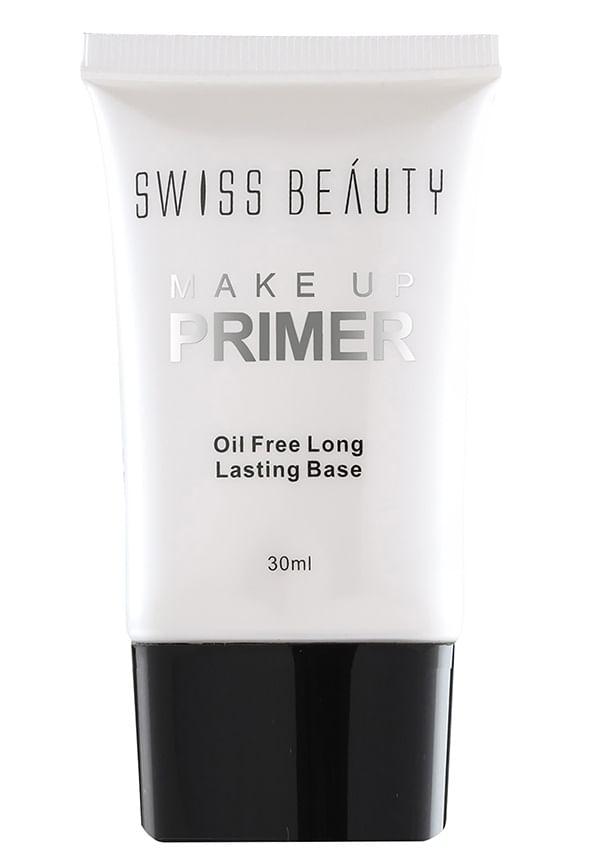 30 ml
30 mlMakeup Primer Oil Free Mattifying Long Lasting Base
The best makeup primer for oily skin contains mattifying ingredients without being overly drying. Look for oil-free, non-comedogenic formulas with niacinamide or salicylic acid. These ingredients control oil production while keeping pores clear.
Makeup primer for dry skin should feel like a lightweight moisturiser. Hydrating primers with hyaluronic acid, squalane, or ceramides work beautifully. Avoid anything labelled 'mattifying' as it'll emphasise dry patches.
You might need two different primers—a mattifying one for your T-zone and a hydrating one for your cheeks. This customised approach ensures every area of your face gets exactly what it needs.
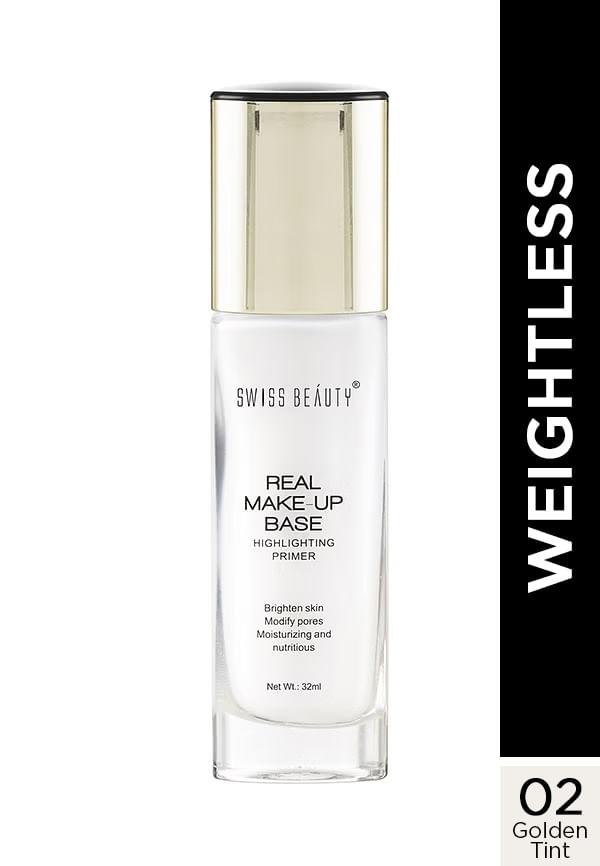 32 ml
32 mlReal MakeUp Base Highlighting Primer
This is crucial: silicone-based primers work best with silicone-based foundations, while water-based primers pair with water-based foundations. Mixing incompatible formulas causes that annoying pilling effect where your makeup balls up on your skin.
Want your makeup to look fresh from morning coffee to evening drinks? These pro techniques will change your makeup game forever.
The correct order is everything: primer before foundation, always. After your primer has set, apply foundation using gentle pressing motions rather than rubbing. This preserves the smooth base you've created and prevents the primer from moving around.
For that flawless finish, apply primer in thin layers. If you have particularly textured skin, you can apply a second thin layer to problem areas, but let the first layer set completely first.
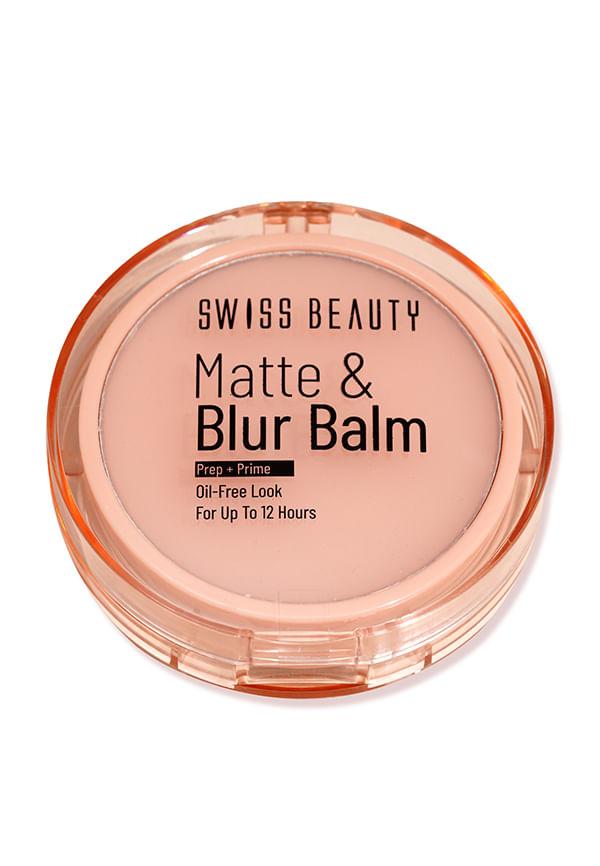 8 gm
8 gmMatte & Blur Balm | Prep + Prime | 12-Hour Oil-Free Shine | With Vitamin E & B3
The biggest mistake? Using too much product. Another common error is not waiting long enough between steps. Your primer needs time to create that grippy base—rushing leads to makeup that slides around all day.
In humid weather, opt for mattifying primers even if you don't have oily skin. In dry climates or air-conditioned environments, everyone benefits from a slightly more hydrating formula.
Finding the perfect primer can feel overwhelming with so many options available. That's where Smytten comes in handy—you can try different primer formulas through their curated trial packs before committing to full-size products. With over 1,500 trusted brands available, you can discover whether that highly-rated primer actually works for your specific skin type without the guesswork.
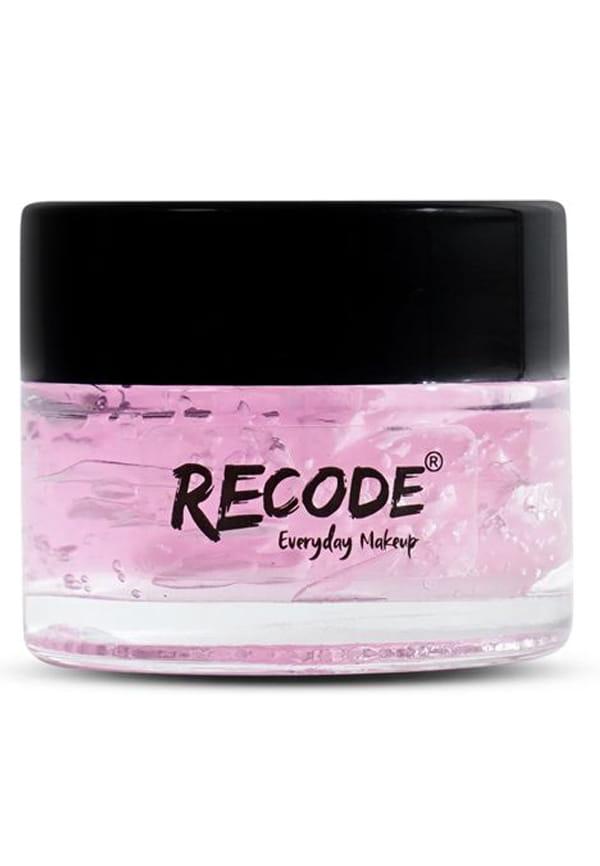 15g
15gEveryday Makeup Bussin Flawless Filter Primer
Even with the best intentions, primer application can go wrong. Here's how to fix the most common issues.
Makeup Pilling or Separating: This usually means you've used too much primer or didn't wait long enough between steps. Remove everything, start with less product, and be more patient with timing.
Foundation Slipping: Your primer and foundation might be incompatible (silicone vs. water-based), or your skin might be too oily for your current primer. Switch to a more mattifying formula.
Patchy Application: This often happens when skin isn't properly prepped. Make sure your moisturiser has fully absorbed before applying primer, and use gentle tapping motions rather than rubbing.
Primer Causing Breakouts: You might be using a formula that's too heavy for your skin or contains comedogenic ingredients. Switch to a lighter, non-comedogenic option.
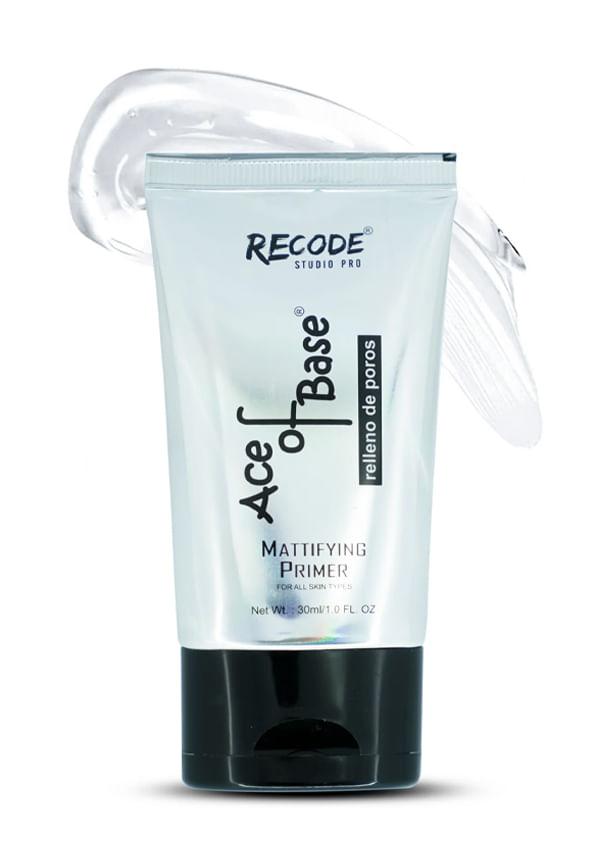 30ml
30mlAce of Base Mattifying Makeup Primer
While not mandatory, primer significantly improves makeup longevity and finish, especially for oily skin or when you need long-lasting wear. If you're just running to the shops, you might skip it, but for important events or long days, it's worth the extra step.
Apply a pea-sized amount after moisturiser using gentle tapping motions with your fingertips. Focus on your T-zone and any problem areas, then wait 1-3 minutes before applying foundation.
Always apply primer after your skincare routine (moisturiser and SPF) and before any base makeup like foundation or concealer. It's the bridge between skincare and makeup.
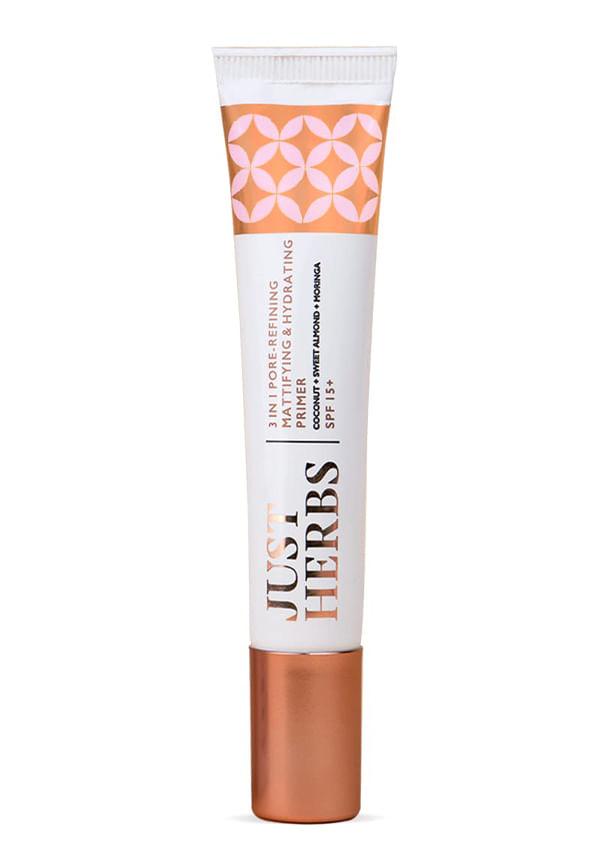 20 gm
20 gm3 in 1 Pore-Refining Mattifying & Hydrating Primer
Yes, but you can customise your application. Use mattifying primer on oily areas like your T-zone and hydrating primer on drier areas like your cheeks if needed.
Always moisturiser first. Let it absorb for 5-10 minutes, then apply primer. This layering ensures each product can do its job properly without interfering with the others.
Mastering how to use makeup primer is honestly one of the best investments you can make in your beauty routine. It's the difference between makeup that looks good in your bathroom mirror and makeup that looks flawless all day long. Remember, the key is finding the right formula for your skin type and applying it with patience and the proper technique.
Don't be discouraged if your first attempt isn't perfect—like any skill, primer application gets better with practice. Start with the basics: clean skin, the right amount of product, gentle application, and proper timing. Once you've nailed these fundamentals, you can experiment with different formulas and techniques to create your signature look.
The beauty of primer is that it makes every other step of your makeup routine easier and more effective. Your foundation will glide on smoothly, your concealer will blend seamlessly, and everything will stay exactly where you put it. With Smytten's trial packs, you can explore different primer options from trusted brands without committing to full sizes, making it easier than ever to find your perfect match. After all, why settle for makeup that fades when you can have a flawless face all day long?
