How to Perfect Your Makeup Base for a Flawless Finish


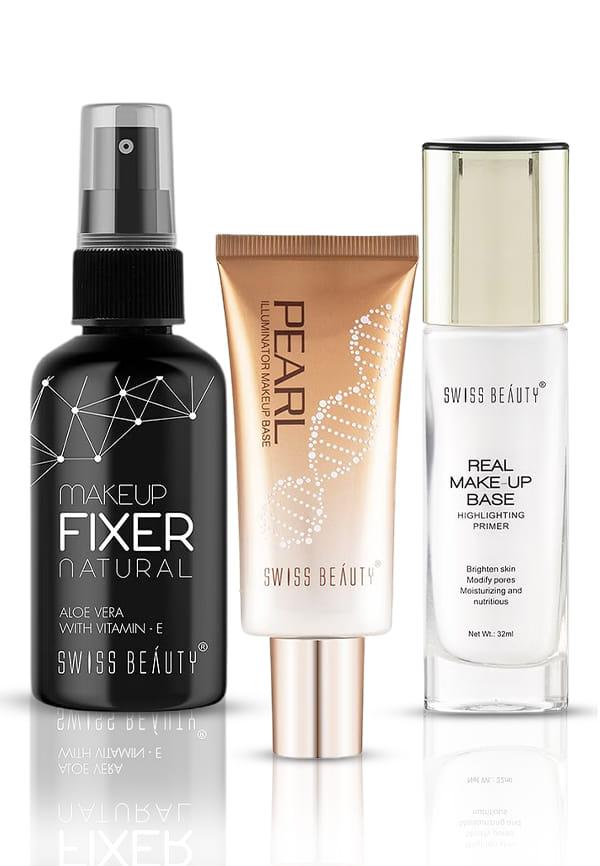 Combo
ComboGlowing Skin Prep Combo
Getting your makeup base right is honestly the difference between looking like you've got your life together and looking like you've been caught in a windstorm. Real talk—no matter how gorgeous your eyeshadow or how perfect your lipstick, if your foundation is patchy or your concealer is creasing, the whole look falls apart. Learning how to perfect makeup base isn't just about slapping on some foundation and hoping for the best. It's about creating that smooth, even canvas that makes everything else look effortless. Whether you're going for a natural makeup look for brunch or full glam for a night out, nailing your base is where the magic starts.
Before you even think about touching that foundation bottle, your skin needs some proper TLC. Think of skin preparation for makeup like prepping a wall before painting—skip this step and everything that follows will look wonky.
Start with a gentle cleanser to remove any leftover skincare or yesterday's makeup residue. Your skin should feel clean but not tight or stripped. Follow up with a moisturiser that suits your skin type—this creates that smooth base your foundation will thank you for.
Dehydrated skin is foundation's worst enemy. When your skin lacks moisture, foundation can look patchy, settle into fine lines, and fade faster than your motivation on a Monday morning. Well-hydrated skin helps your makeup glide on smoothly and stay put all day.
Oily skin benefits from lightweight, oil-free moisturisers that won't add extra shine. Dry skin needs richer formulas to prevent foundation from clinging to flaky patches. Combination skin? Focus hydrating products on dry areas and lighter textures on your T-zone.
Got active breakouts? Use a gentle spot treatment before moisturiser. Dealing with redness? A colour-correcting moisturiser can help neutralise it. The key is addressing these concerns before you start layering on base products.
If moisturiser is the foundation of your routine, then primer for makeup is the secret sauce that makes everything work better. It's like having a really good wingmate—makes everything else look more impressive.
Mattifying primers are perfect for oily skin and large pores. They create a smooth surface and help control shine throughout the day.
Hydrating primers work brilliantly for dry skin, adding an extra layer of moisture and helping foundation blend seamlessly.
Gripping primers are your go-to for long-lasting wear. They literally help your foundation stick to your skin better, perfect for long days or special events.
Match your primer to your main skin concern. Oily? Go mattifying. Dry? Choose hydrating. Normal skin can handle most primer types, so focus on what finish you want—natural, matte, or dewy.
Less is definitely more with primer. Use about a pea-sized amount for your entire face. Apply in thin, even layers, focusing on areas where your makeup tends to fade first—usually your T-zone and around your nose.
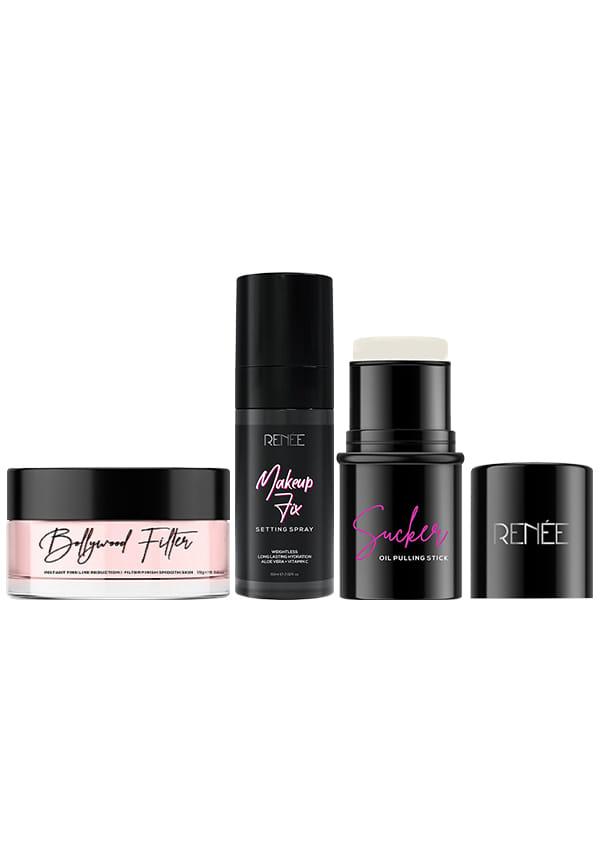 Combo
ComboAce the base Trio
Here's where things get a bit technical, but stick with me. Water-based primers work best with water-based foundations, and silicone-based primers pair with silicone-based foundations. Mixing them can cause your makeup to separate or pill.
Now we're getting to the main event—your foundation routine. This is where you transform from "just rolled out of bed" to "effortlessly put together." The trick is building coverage gradually rather than dumping half the bottle on your face.
Foundation shopping can feel overwhelming, but focus on your skin type first. Oily skin loves matte or semi-matte formulas, whilst dry skin thrives with dewy or hydrating foundations. For shade matching, test on your jawline in natural light—it should disappear into your skin.
Start with a small amount—you can always build up. Apply foundation to the centre of your face first (forehead, nose, cheeks, chin), then blend outward. This ensures the most coverage where you typically need it most.
Use a damp beauty sponge for a natural, skin-like finish, or a dense brush for more coverage. The key is working in thin layers rather than trying to achieve full coverage in one go.
Blending is everything. Use gentle pressing motions with a sponge rather than dragging. With brushes, use circular buffing motions to work the product into your skin. Always blend downward on your face to avoid emphasising facial hair.
The secret to avoiding that dreaded cakey look? Patience. Apply one thin layer, let it set for a minute, then assess if you need more coverage. Building gradually gives you control and prevents that mask-like appearance.
For a natural makeup look, focus on evening out your skin tone rather than covering everything completely. Use foundation only where needed—you don't have to cover your entire face if your skin is already pretty even.
Concealer is like the editor of your makeup routine—it fixes the little imperfections that foundation might have missed. But timing and technique matter more than you might think.
Apply concealer after foundation, not before. This way, you can see exactly what needs extra coverage without overdoing it. Foundation might already cover some imperfections, so you'll use less concealer overall.
For dark circles, use a concealer one shade lighter than your foundation. For redness, try a green-tinted concealer first, then your regular concealer on top. Purple or blue-toned concealers work wonders for yellow-toned dark spots.
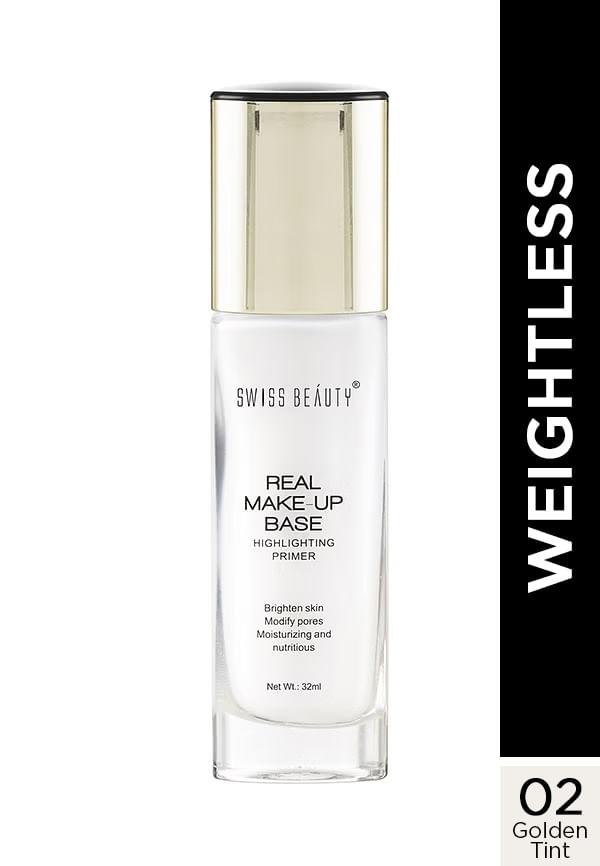 32 ml
32 mlReal MakeUp Base Highlighting Primer
Apply concealer in a triangular shape under your eyes, with the point towards your cheek. This brightens a larger area than just dotting under the eye. Blend the edges seamlessly into your foundation using gentle tapping motions.
Use thin layers and let each one set before adding more. If you're dealing with stubborn spots, try a colour corrector first, then a light layer of concealer. This prevents that thick, obvious look.
You've done all this beautiful work—now it's time to lock it in place. Setting your base properly is what separates makeup that lasts two hours from makeup that survives a full day.
Focus setting powder on areas that tend to get oily first—your T-zone, under-eyes, and anywhere you applied concealer. Use a fluffy brush for light coverage or a damp sponge for more intense setting power.
Don't powder your entire face unless you want a matte finish. Leave areas like your cheekbones and temples unpowdered for a more natural, dimensional look.
Hold your setting spray about arm's length from your face and mist evenly. Don't spray too close—you'll disturb your carefully applied makeup. Let it dry naturally rather than blending it in.
The trick is using just enough powder to set without going overboard. If you do end up looking too powdery, a light mist of setting spray or a clean, damp sponge can help meld everything together for a more natural finish.
Even with all the right techniques, there are some sneaky mistakes that can sabotage your flawless makeup base. Let's sort out the most common ones so you can avoid them completely.
Your skin should still look like skin, just better. If someone can tell you're wearing foundation from across the room, you've probably used too much. Build coverage gradually and stop when your skin looks even and smooth.
Foundation separating? Your primer and foundation probably aren't compatible. Patchy coverage? Your skin might need more moisture or exfoliation. Cakey appearance? You're likely using too much product or not blending thoroughly enough.
If your makeup starts separating during the day, gently press a tissue to remove excess oil, then lightly pat in some powder. For patchiness, a damp sponge can help blend harsh edges without disturbing the rest of your makeup.
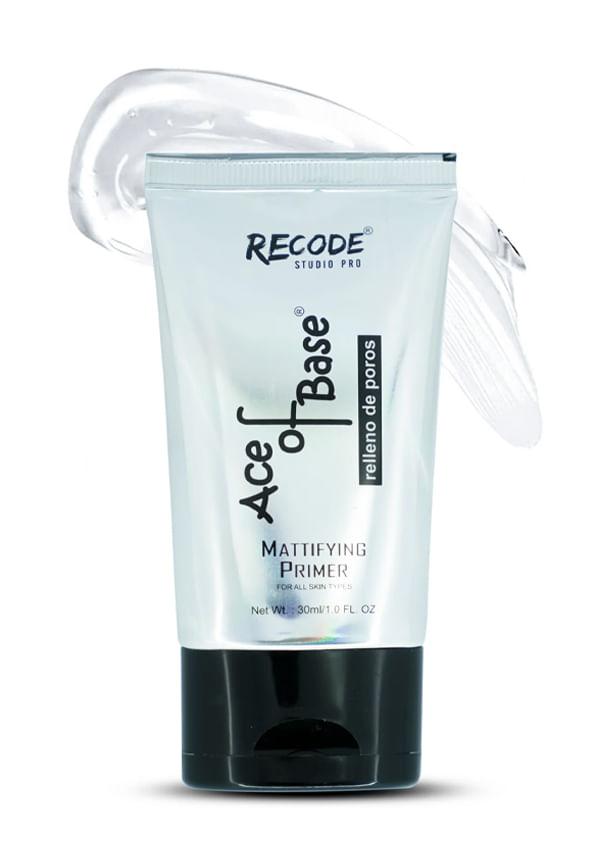 30ml
30mlAce of Base Mattifying Makeup Primer
Hot, humid weather calls for lighter coverage and more setting powder. Air-conditioned environments might need extra hydration. Special events might warrant that extra layer of coverage and setting spray for photos.
With platforms like Smytten, you can actually try different base products in mini sizes before committing to full-size purchases. This means you can experiment with various primers, foundations, and concealers to find your perfect combination without the financial risk. Getting up to 8 minis for just ₹249 makes it so much easier to discover what works for your unique skin.
Start with clean, moisturised skin, apply a thin layer of primer, then build foundation coverage gradually using a damp sponge. Focus on blending well and using less product than you think you need.
The correct order is: cleanser, moisturiser, primer, foundation, concealer, setting powder, and finally setting spray. This ensures each product works optimally with the others.
Proper skin preparation, using primer, applying thin layers, and setting with powder and spray are key. Also, choose long-lasting formulas suited to your skin type.
Moisturiser hydrates and nourishes your skin, whilst primer creates a smooth surface for makeup application and helps it last longer. You need both for the best results.
Use thin layers, blend thoroughly, and ensure your skin is properly prepared. Also, make sure your tools are clean and slightly damp if using sponges.
Whilst moisturiser is essential, primer serves a different purpose—creating grip for your makeup and smoothing texture. For best results, use both.
Check if both are water-based or silicone-based. If your makeup pills or separates, they're likely incompatible. Test combinations on your hand first.
Damp beauty sponges give the most natural finish, dense brushes provide more coverage, and your fingers work well for sheer, natural application. Choose based on your desired finish.
Mastering how to perfect makeup base is honestly one of those skills that transforms your entire makeup game. It's not about using the most expensive products or following every trend—it's about understanding your skin and working with it, not against it. The techniques we've covered will help you create that flawless base that makes everything else look effortless.
Remember, practice makes progress, not perfection. Your skin changes with seasons, hormones, and life, so be flexible with your routine. What works in winter might need tweaking for summer humidity. The key is having a solid foundation of knowledge (pun intended) that you can adapt as needed.
Smytten makes this journey of discovery so much easier by letting you try different products without the commitment. With over 1,500 trusted brands and the ability to get trial minis for just ₹249, you can experiment with different primers, foundations, and setting products until you find your perfect combination. Plus, with 100% cashback on trial purchases, you're essentially getting to try products risk-free. When you find something you love, buying the full-size version is just a click away. After all, why settle for 'maybe' when you can Try It All!
