How to Do Face Contouring: A Beginner's Guide

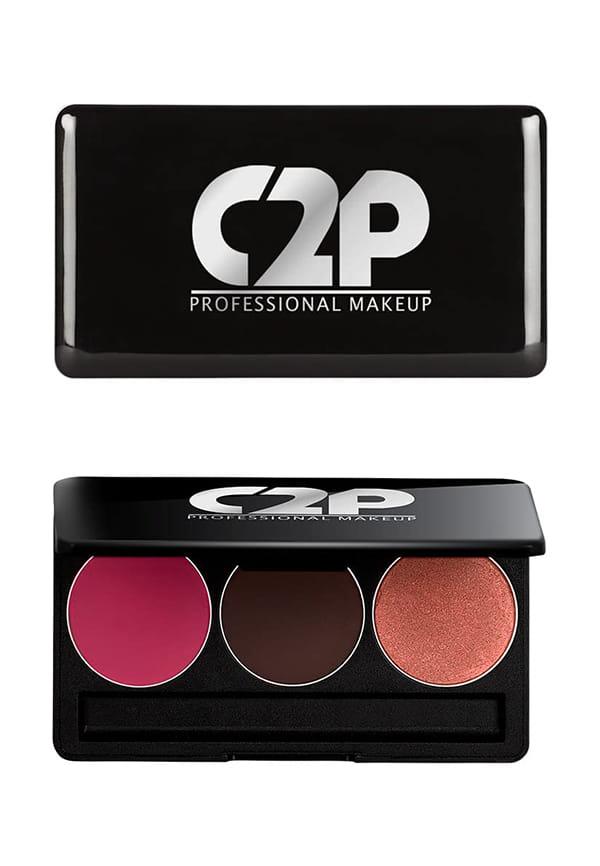 13 gm
13 gmBasic Trio 2 (Blusher-Contour-Highlighter) | 3-in-1 Multipurpose Skin Friendly Trio Kit | Powder Based Long Lasting Makeup
Face contouring might seem like something only makeup artists can master, but here's the thing—it's actually way more approachable than you think. This contouring guide breaks down everything you need to know about sculpting your features, from picking the right products to nailing those blending techniques. Whether you're after a subtle everyday look or something more dramatic for special occasions, learning how to do face contouring is like having a secret weapon in your makeup kit. Let's dive into this face contouring tutorial that'll have you contouring like a pro in no time.
Face contouring is basically the art of using makeup to create shadows and highlights that enhance your natural bone structure. Think of it as strategic shading that can make your cheekbones pop, slim your nose, or define your jawline. The whole idea is to mimic where shadows would naturally fall on your face and where light would hit.
For beginners, contouring techniques might feel intimidating, but the benefits are worth the learning curve. You can literally reshape your face without any invasive procedures—just some clever makeup application. The key difference between contouring and highlighting is that contouring creates depth with darker shades, while highlighting brings forward features with lighter tones. Together, they work to give your face more dimension and definition.
Real talk—you don't need to contour every single day. It's perfect for special events, date nights, or whenever you want to feel a bit more put-together. Some people love the daily ritual, whilst others save it for weekends. There's no right or wrong approach here.
Getting started with contouring makeup doesn't mean you need to splurge on every product out there. Smart choices and the right tools will get you much further than an overflowing makeup bag.
The age-old debate: cream versus powder contour products. For beginners, cream contours are often more forgiving because they blend more easily and give you more working time. Powder contours offer more precision but can be trickier to blend if you're just starting out.
When choosing your shade, stick to the golden rule—pick something that's one to two shades darker than your natural skin tone. The undertone matters loads here. You want cool-toned shades that mimic natural shadows, not warm orangey tones that'll make you look muddy. Budget-friendly options work brilliantly for learning, so don't feel pressured to invest in high-end products straight away.
Your tools can make or break your contouring game. An angled brush is your best mate for precise application—it fits perfectly into the hollows of your cheeks and along your jawline. A damp beauty sponge is essential for blending because it helps create those seamless transitions you're after.
If you're on a budget, you can use what you've got. A small, fluffy eyeshadow brush can work for nose contouring, and even your fingers can blend cream products in a pinch. The key is having something that gives you control and something else that blends beautifully.
Setting powder and spray aren't glamorous, but they're game-changers for making your contour last all day. A good primer creates the perfect base for everything to stick to. These might seem like extra steps, but they're what separate a good contour from a great one.
This face contouring tutorial will walk you through each step, so you can master the technique at your own pace. Remember, practice makes progress—don't expect perfection on your first try.
Start with clean, moisturised skin. This isn't just about hygiene—it's about creating a smooth canvas. Apply your primer next, focusing on areas where you tend to get oily or where makeup usually fades first.
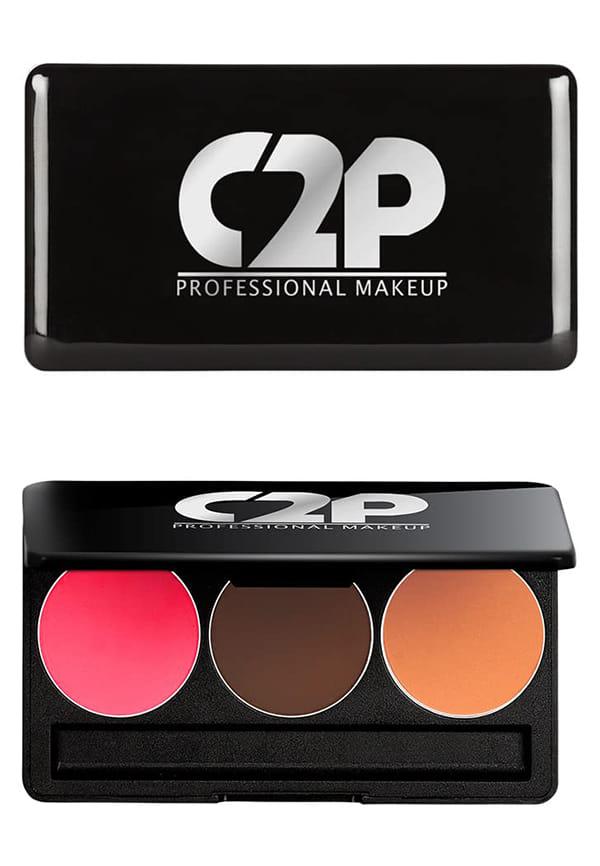 13 gm
13 gmBasic Trio 1 (Blusher & Contour)
Your foundation should match your skin tone perfectly and be applied evenly. This is your base, so take your time with it. If your foundation is patchy, your contour will be too.
Before you start applying product, take a moment to identify where shadows naturally fall on your face. Look in the mirror and notice the hollows of your cheeks, the area just below your cheekbones, the sides of your nose, your temples, and along your jawline.
These are your target areas. Don't try to contour everywhere at once—start with your cheekbones and build from there as you get more comfortable.
Less is definitely more when you're learning. Start with a tiny amount of product and build gradually. Apply the contour in the hollow of your cheek, starting from your ear and working towards the corner of your mouth, but don't go all the way.
Use light, gentle strokes rather than heavy-handed application. You can always add more, but taking away excess product is much trickier.
This is where the magic happens. Use upward blending motions to lift the face rather than dragging everything downward. A damp beauty sponge works brilliantly here—gently bounce it over the contour lines to soften any harsh edges.
Take your time with this step. Proper blending is what makes contouring look natural rather than like you've drawn lines on your face.
Now for the fun part—highlighting brings everything together. Apply highlighter to the tops of your cheekbones, down the bridge of your nose, on your cupid's bow, and on your chin. This creates the contrast that makes your contour really pop.
The key is balance. Your highlight should complement your contour, not compete with it.
Not all faces are created equal, and that's brilliant news because it means you can tailor your contouring techniques to work with your unique features. Understanding your face shape helps you know exactly where to place your contour for the most flattering results.
If you've got a round face, focus on creating length and definition. Contour along the sides of your face, starting from your temples and blending down towards your jawline. This creates the illusion of a more oval shape.
Avoid contouring the apples of your cheeks—this will only emphasise the roundness. Instead, focus on the hollows underneath your cheekbones.
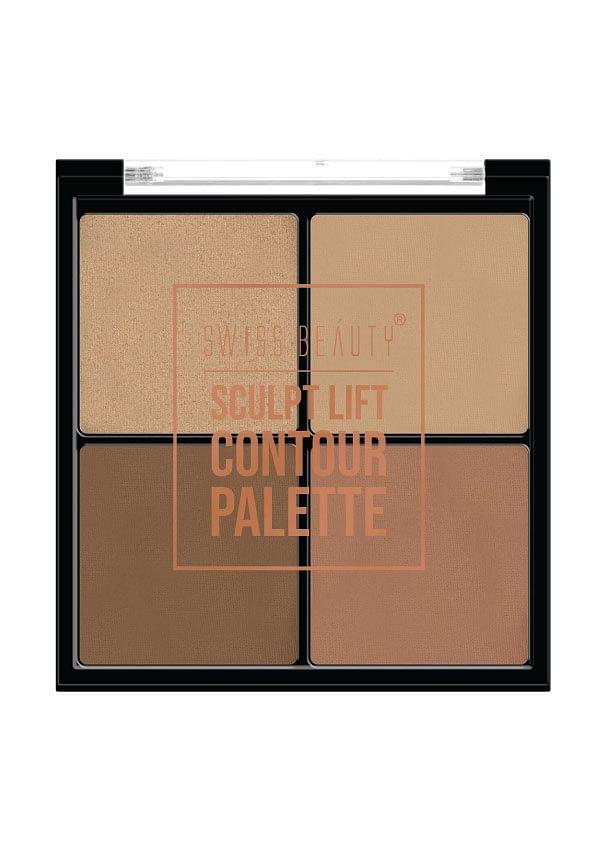 14 gm
14 gmSculpt Lift Contour Palette
Lucky you—oval faces are considered the ideal shape, so your contouring can be quite subtle. Focus on enhancing your natural bone structure rather than trying to change your face shape dramatically.
A light contour along the cheekbones and jawline is usually all you need to add some definition.
For square faces, the goal is to soften those strong angular features. Focus on the corners of your forehead and jawline, blending the contour in circular motions to create softer transitions.
You can also add some contour to the sides of your face to create the illusion of a more oval shape.
Heart-shaped faces benefit from contouring the temples and the point of the chin to balance out a wider forehead. Diamond faces can use contour on the temples and jawline to add width where needed.
The key with both these shapes is creating balance between the different areas of your face.
Even the most well-intentioned contouring attempts can go wrong, but knowing what to watch out for will save you from some major makeup mishaps. These are the mistakes that'll have you reaching for your makeup wipes.
Using the wrong undertone is probably the biggest culprit. Orange or warm-toned contours will make you look muddy rather than sculpted. Stick to cool, greyish tones that actually mimic shadows. Over-application is another common issue—it's much easier to build up coverage than to tone it down.
Poor blending technique can make your contour look like stripes rather than natural shadows. Take your time with this step and use the right tools. Skipping the setting step means your hard work might disappear by lunchtime, so don't forget your powder.
Lighting matters more than you might think. What looks perfect in your bathroom mirror might look completely different in natural light, so always check your makeup in different lighting conditions before heading out.
Once you've mastered the basics, these contouring tips will help you take your skills to the next level. Whether you're after a quick everyday look or something more dramatic, these techniques will become your go-to methods.
Not every day calls for a full contour situation. For a quick five-minute routine, focus just on your cheekbones with a light application of cream contour. Blend with your fingers and add a touch of highlighter to the tops of your cheekbones.
This gives you definition without looking overdone for daytime wear. Save the full face contouring for evenings or special occasions when you want more drama.
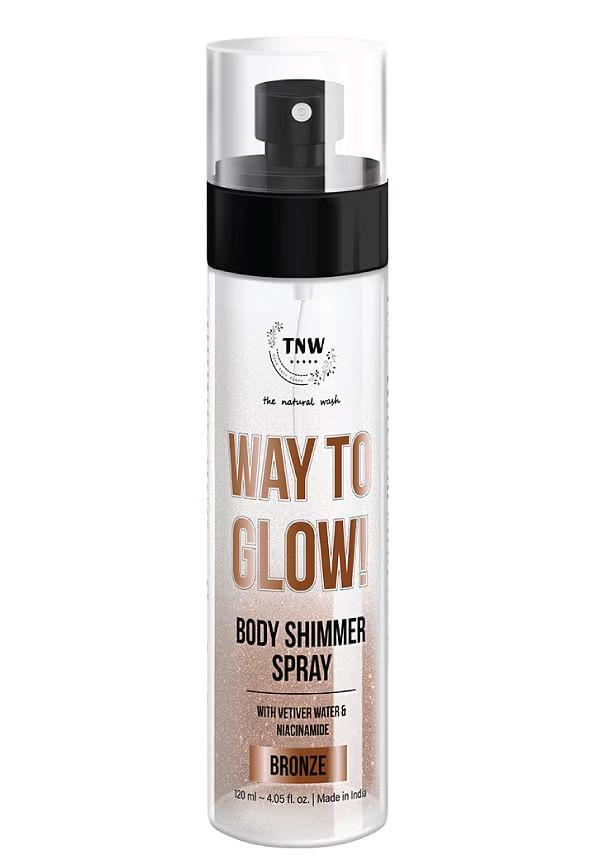 120 ml
Way to Glow Body Shimmer Spray! | Nourishes skin | For body radiance | Enhance skin texture | Daily skin care | 120ml
Nose contouring can be tricky but incredibly effective. Use a small brush to apply contour down the sides of your nose, then highlight down the centre. Blend carefully—this area is close to your eyes, so precision matters.
Jawline definition involves contouring just underneath your jawbone, not on top of it. This creates the illusion of a sharper, more defined jaw.
Natural light is your best friend for checking your blend, but it can also be unforgiving. If you're doing your makeup for evening events, remember that artificial lighting can wash out your contour, so you might need to apply it slightly more heavily.
For photography, contour often needs to be more dramatic than what looks good in person. The camera tends to flatten features, so don't be afraid to go a bit bolder.
When you're experimenting with different contouring products and techniques, platforms like Smytten make it so much easier to try before you commit. With curated trial packs from trusted brands, you can test various contour shades and formulas without the worry of wasting money on full-size products that might not work for you. It's brilliant for finding your perfect contour match—because let's be honest, finding the right shade can be a proper mission.
Start with clean, primed skin and apply your foundation. Map out where shadows naturally fall on your face, then apply a cool-toned contour product that's 1-2 shades darker than your skin tone. Focus on cheek hollows, jawline, temples, and nose sides. Blend upward with a damp sponge or angled brush, then add highlighter to high points like cheekbones and nose bridge.
Cream contours are more forgiving for beginners because they blend easily and give you more working time. They're great for dry skin and create a natural finish. Powder contours offer more precision and are better for oily skin, but they can be trickier to blend if you're just starting out.
Pick a cool-toned product that's one to two shades darker than your natural skin tone. Avoid warm or orange undertones that can look muddy. Test shades on your jawline in natural light to find your perfect match.
Absolutely! For round faces, focus on creating length and definition by contouring along the sides of your face from temples to jawline. Avoid contouring the apples of your cheeks, and instead focus on the hollows underneath your cheekbones to create a more sculpted look.
Essential tools include an angled brush for precise application and a damp beauty sponge for blending. You'll also want setting powder to lock everything in place. If you're on a budget, you can use small eyeshadow brushes or even blend with your fingers for cream products.
A quick everyday contour can take just 5 minutes focusing on cheekbones only. A full face contour with nose, jawline, and temples typically takes 10-15 minutes. Remember, blending is the most time-consuming but crucial step, so don't rush it.
Learning how to do face contouring is all about practice and patience. Start with the basics—good prep, the right products, and proper blending techniques. Remember that less is more when you're beginning, and focus on enhancing your natural features rather than completely changing your face shape.
The most important thing is finding products that work for your skin type and tone. This is where Smytten's trial packs become incredibly valuable—you can experiment with different contouring products from over 1,500 trusted brands without committing to full sizes. With options to get up to 8 minis for just ₹249 and 100% cashback redeemable for future orders, you can perfect your contouring technique whilst discovering your ideal products. After all, why settle for maybe when you can Try It All and find exactly what works for your unique features?
