How to Choose Foundation Shade Online: Your Complete Guide


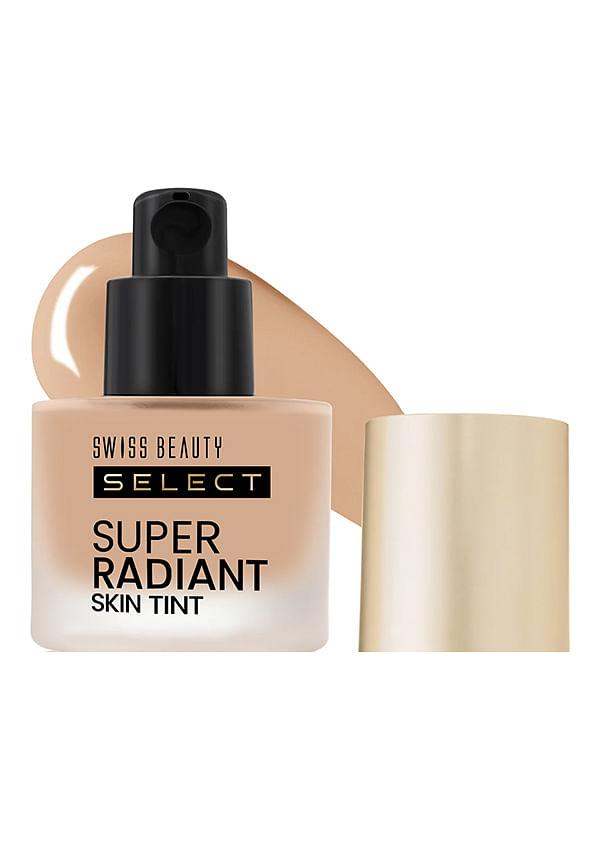
Select Super Radiant Hydrating Skin Tint
Finding the perfect foundation shade online feels like solving a puzzle without all the pieces, right? You're scrolling through endless shade charts, squinting at your phone screen, and wondering if 'Ivory' actually matches your skin or if you'll end up looking like you've been dunked in orange paint. The struggle is real, but here's the thing—choosing foundation shade online doesn't have to be a guessing game. With the right techniques, tools, and a bit of know-how, you can nail your perfect match from the comfort of your home. Whether you're exploring new brands on Smytten or hunting for your holy grail foundation, this guide will walk you through everything you need to know about online foundation shade matching. From understanding your undertones to using virtual try-on tools, we've got your back.
TL;DR
Identify your undertones using the vein test and match your foundation to your neck, not your face
Use multiple foundation shade finder tools and cross-reference results for accuracy
Leverage user-generated content like reviews and social media swatches for real-world results
Virtual try-on apps work best with proper lighting and can be 70-80% accurate when used correctly
Always check return policies and consider ordering samples before committing to full-size products
Before diving into the world of online foundation shade matching, you need to become best mates with your own skin. Think of this as getting to know yourself on a deeper level—literally. Understanding your skin's unique characteristics is the secret sauce to finding that perfect foundation match every single time.
Your undertone is basically your skin's permanent personality—it never changes, unlike your surface tone which can shift with seasons or sun exposure. Here's how to figure out if you're team cool, warm, or neutral.
The **vein test** is your best friend here. Head to a window with natural light and check the veins on your wrist. If they appear blue or purple, you've got cool undertones with a pink or red base. Green veins? You're warm with yellow, golden, or olive undertones. Can't tell if they're blue or green? Welcome to the neutral club—you've got the best of both worlds.
Still not sure? Try the **jewellery test**. Do you look better in silver (cool undertones) or gold (warm undertones)? Another quick check is how your skin reacts to sun—cool undertones tend to burn easily, while warm undertones tan more readily.
Depth is all about how light or dark your skin appears. Most brands categorise this into fair, light, medium, tan, and deep classifications. But here's the kicker—your face might be slightly different from your neck due to sun exposure or natural variation.
Always match your foundation to your **neck area** rather than your face. Your neck doesn't get as much sun exposure and represents your true skin depth. Take photos of your neck in natural light to reference when shopping online. Remember, lighting can be deceiving, so check yourself in different light sources throughout the day.
Technology has seriously stepped up its game when it comes to helping you find foundation match online. From AI-powered scanners to cross-brand databases, these tools are getting smarter every year.
Virtual foundation try-on apps use your phone's camera to analyse your skin and suggest matching shades. Brands like Maybelline, L'Oréal, and Sephora have invested heavily in this tech, and honestly, it's pretty impressive when used correctly.
For the best results, record your selfie video in **natural daylight** near a window. Avoid artificial lighting, which can throw off the colour analysis. Keep your face clean and makeup-free, and make sure your phone camera is clean too. Follow the app's instructions carefully—most will ask you to slowly turn your head to capture different angles.
The accuracy rate hovers around 70-80% when conditions are optimal, which isn't perfect but definitely gets you in the right ballpark. Think of it as your starting point rather than your final answer.
Platforms like Findation.com are absolute game-changers if you already know your shade in one brand and want to find matches across others. These databases crowdsource shade information from users worldwide, creating a massive cross-reference system.
Here's how it works: input a foundation shade you already love, and the platform suggests equivalent shades in other brands. The accuracy depends on how many users have contributed data for specific shade matches, so popular shades tend to be more reliable than niche ones.
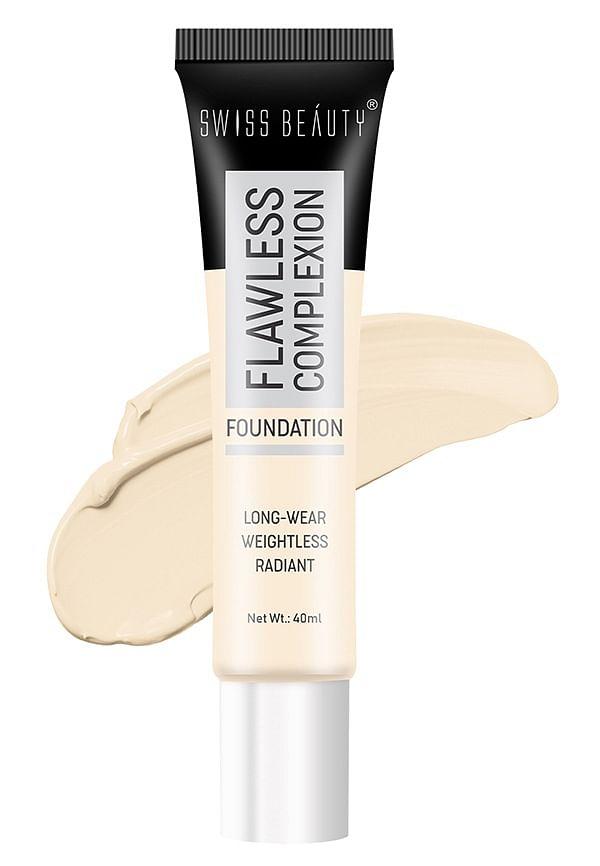
Flawless Complexion Foundation
Always check multiple platform recommendations and read user comments. Sometimes the suggested matches aren't perfect, but they'll get you close enough to make an informed decision.
When you can't physically test a foundation, you need to become a detective. The clues are all there—you just need to know where to look and how to interpret them.
Brand websites usually feature models wearing different foundation shades, but here's the thing—professional photography can be misleading. Look for models who share similar skin depth and undertones to yours, but don't rely solely on these images.
Pay attention to **shade descriptions** that mention undertones. Words like 'golden,' 'peachy,' or 'beige' indicate warm undertones, while 'rosy,' 'pink,' or 'porcelain' suggest cool undertones. 'Neutral' or 'natural' typically means balanced undertones.
Some brands use numbering systems where the first number indicates depth and letters indicate undertones (like N for neutral, W for warm, C for cool). Learn each brand's system to decode their shade charts more effectively.
Real people posting real photos are your secret weapon for accurate foundation shade matching. Scroll through review sections on beauty retail apps and look for customers who mention their skin tone or other foundation matches.
YouTube swatch videos are incredibly helpful—search for your skin tone plus the foundation name to find relevant content. Look for videos filmed in natural light rather than ring lights, which can distort colours. Social media platforms like Instagram and TikTok are goldmines for authentic swatches and reviews.
Join Facebook groups or Reddit communities dedicated to foundation matching. These communities are usually super helpful and you can post photos asking for shade recommendations.
Now that you've got the tools and knowledge, let's talk strategy. The best way to match foundation online combines multiple approaches for the most accurate results.
Step one is nailing your undertone using the methods we discussed earlier. This is non-negotiable—get this wrong and even the perfect depth match will look off. Step two is matching the depth to your neck area, not your face.
Take photos of your neck in natural light and use these as your reference when comparing online swatches. Your neck is the most accurate representation of your true skin tone because it's less affected by sun exposure, skincare products, or daily environmental factors.
Common mistakes include matching to your hand (which is usually darker), your face (which might have discolouration), or relying solely on artificial lighting for assessment.
Never rely on just one source for your foundation shade selection. Use multiple foundation shade finder tools, check AI recommendations against user reviews, and cross-reference with shade matching platforms.
Create a shortlist of 2-3 potential shades based on your research. If possible, order samples or mini sizes before committing to full-size products. Many brands offer sample programs, and platforms like Smytten specialise in trial-sized products that let you test before you invest.
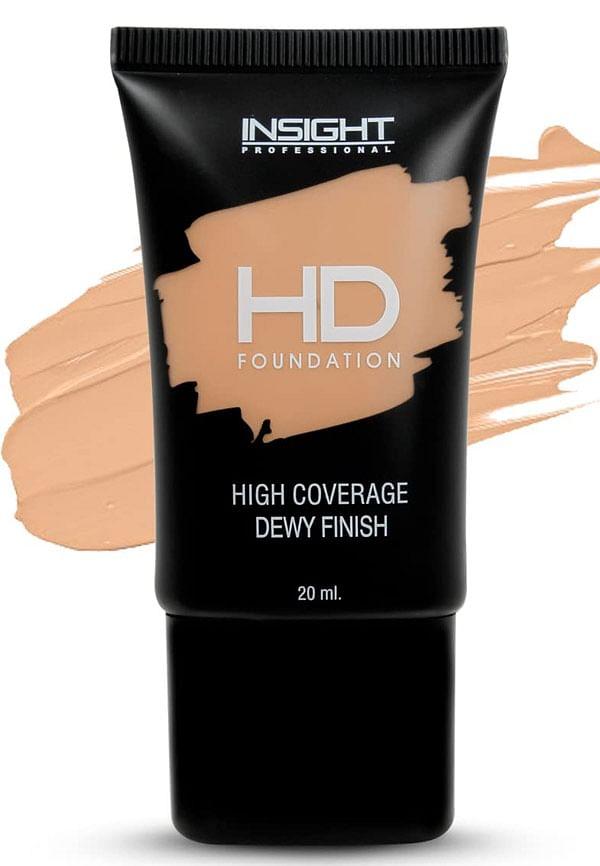
HD Foundation
Document your findings—keep notes about which tools gave which recommendations and how accurate they turned out to be. This builds your personal database for future foundation shopping.
Ready to level up your foundation matching game? These advanced techniques will help you navigate tricky situations and achieve professional-level results.
Beyond the basic cool, warm, and neutral categories, foundation undertones get pretty nuanced. Pink undertones work best for cool-toned skin but can look chalky on warm skin. Peach undertones are great for warm skin but might clash with cool undertones.
Yellow undertones are incredibly versatile and work for most warm and neutral skin tones. Olive undertones are tricky—they're technically warm but have a green base that can look muddy in the wrong foundation.
Foundation **oxidation** is when your foundation changes colour after application due to your skin's natural oils and pH. Foundations with certain undertones are more prone to this, so read reviews specifically mentioning oxidation if you have oily skin.
Professional makeup artists use colour theory principles that you can apply to online shopping. Complementary colours cancel each other out—so if you have redness, look for foundations with slight green undertones to neutralise it.
Screen calibration affects how colours appear on your device. If possible, check foundation swatches on multiple devices or adjust your screen's colour temperature to be more neutral when shade shopping.
Different foundation formulas can make the same shade appear different. Matte foundations tend to look slightly darker, while dewy formulas can appear lighter. Keep this in mind when switching between formula types within the same brand.
Even with the best preparation, sometimes things don't go according to plan. Here's how to troubleshoot common issues and turn foundation fails into wins.
Virtual try-on technology isn't perfect, and several factors can throw off the results. Poor lighting, dirty camera lenses, or extreme angles can all affect accuracy. If your virtual try-on result doesn't match reality, don't write off the technology entirely—just adjust your approach.
Try the virtual try-on at different times of day and in various lighting conditions. Take screenshots of the results and compare them to how the foundation actually looks on your skin. This helps you understand how the app interprets colours versus reality.
Most beauty retailers have generous return policies for foundation purchases. Keep receipts and original packaging, and don't be afraid to exchange shades that don't work. Your perfect match is worth the extra effort.
Not every brand offers comprehensive shade ranges, which can make finding your perfect match challenging. If you're struggling to find your shade in mainstream brands, look for brands specifically created with diverse skin tones in mind.
Foundation mixing is a legitimate technique—you can blend two shades to create your perfect match. Look for brands that offer mixing drops or consider purchasing two close shades to custom-blend.
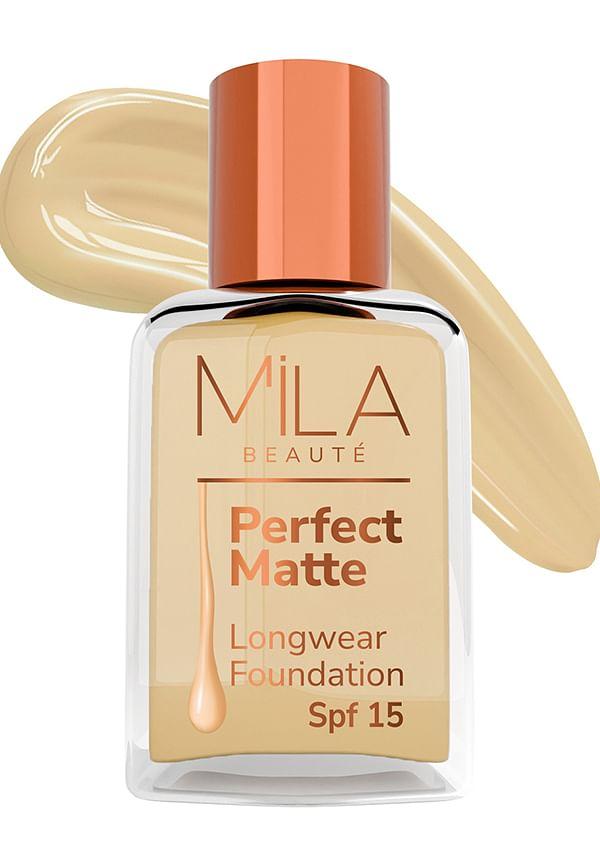
Perfect Matte Longwear Foundation SPF15 Smooth Matte Finish
Your skin tone might change slightly with seasons, especially if you tan or if your undertones shift. Don't be afraid to have multiple foundation shades for different times of year.
Start by identifying your undertones using the vein test, then use multiple foundation shade finder tools to get recommendations. Cross-reference these with user reviews and photos, and always match to your neck rather than your face for the most accurate result.
Virtual try-on apps are typically 70-80% accurate when used in optimal conditions—natural lighting, clean camera, and proper technique. They're best used as a starting point rather than your final decision, especially when combined with other matching methods.
The most effective approach combines multiple methods: use AI-powered tools, check shade matching databases, read user reviews, watch swatch videos, and cross-reference recommendations. Consider ordering samples through platforms like Smytten before committing to full-size products.
Always match foundation to your neck area. Your neck represents your true skin tone because it's less affected by sun exposure, skincare products, or environmental factors that can alter your face's colour.
If you have complex undertones, look for neutral foundations or those specifically designed for olive or mixed undertones. Consider brands that offer customisation options or foundation mixing services to create your perfect match.
Beauty app recommendations are helpful starting points but shouldn't be your only source. Use them alongside other methods like user reviews, professional swatches, and cross-brand matching tools for the most accurate results.
Choosing the perfect foundation shade online is totally doable when you know what you're doing. Start by understanding your skin's undertones and depth, then use multiple tools and resources to narrow down your options. Virtual try-on apps and shade finder tools are helpful, but they work best when combined with real user reviews and professional swatches.
Remember to always match to your neck, not your face, and don't be afraid to order samples or use generous return policies to find your perfect match. The key is patience and using multiple verification methods rather than relying on just one source.
Your perfect foundation shade is out there—it just takes a bit of detective work to find it. With these techniques in your toolkit, you'll be matching foundations like a pro in no time.
Finding your perfect foundation match online doesn't have to be a shot in the dark anymore. With the right approach and tools, you can discover your ideal shade from the comfort of your home. Smytten makes this journey even easier by offering trial packs from over 1,500 trusted beauty brands, letting you test foundation shades before committing to full-size purchases. With 100% cashback on trial minis and authentic brand-verified products available across India, you can explore different foundation options risk-free. After all, why settle for 'maybe' when you can try before you buy and find the foundation that's truly worth obsessing over?
