How to Apply Makeup on Textured Skin for a Smooth Finish

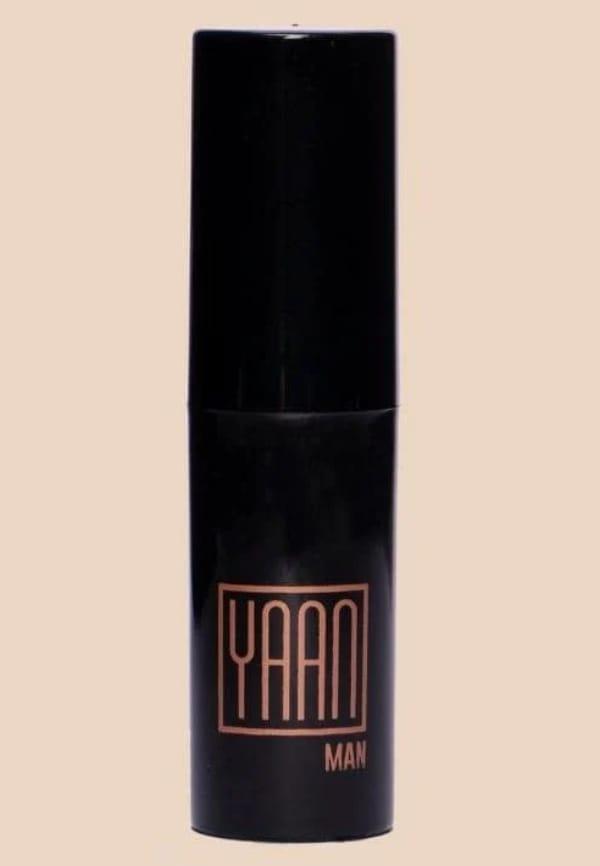
Perfection Stick-Dark
Let's be real—textured skin and makeup can feel like they're working against each other sometimes. Whether you're dealing with acne scars, enlarged pores, or just that bumpy texture that makes foundation sit weird, you've probably wondered how to get that smooth, flawless finish you see everywhere. The good news? It's totally doable with the right approach. Understanding makeup for textured skin how to apply it properly isn't about hiding who you are—it's about feeling confident and putting your best face forward. With some smart prep work, the right products, and techniques that actually work for your skin type, you can create a smooth canvas that looks natural and feels comfortable. Plus, platforms like Smytten make it easier than ever to trial different products before committing to full sizes, so you can find what actually works for your unique skin texture.
Proper skin prep with hydration and gentle exfoliation creates the perfect base for makeup application on textured skin
The right primer makes all the difference—choose smoothing formulas for pores and hydrating ones for dry patches
Foundation application technique matters more than the product itself—thin layers and stippling motions work best
Strategic concealer placement and proper setting techniques ensure your makeup stays smooth all day
Avoid common mistakes like over-application and wrong tools that can emphasise texture rather than smooth it
Before you even think about reaching for that foundation, your skin needs some TLC. Think of this step as creating the perfect canvas—because even the best makeup for bumpy skin won't look smooth if your base isn't sorted.
Here's something that might surprise you: dehydrated skin actually makes texture look worse under makeup. When your skin lacks moisture, foundation clings to every bump, dry patch, and pore, creating that dreaded cakey look. A good moisturiser plumps up your skin slightly, filling in minor texture and creating a smoother surface for makeup application.
Dead skin cells love to hang around and make texture more obvious. A gentle chemical exfoliant (think BHA for oily skin or AHA for dry skin) used 2-3 times a week can help smooth things out. Just don't overdo it—over-exfoliated skin gets angry and creates more texture, not less.
Textured skin isn't one-size-fits-all. Oily textured skin needs lightweight, oil-free prep products, while dry textured skin craves richer formulas. Understanding whether your texture comes with oiliness or dryness helps you choose the right prep routine.
If foundation is the star of your makeup routine, then primer is definitely the supporting actor that makes everything work better. The right primers for textured skin can literally transform how your makeup sits and lasts throughout the day.
Smoothing primers physically fill in pores and small bumps, creating an actually smoother surface. Blurring primers use optical tricks to make texture less visible. For deeper acne scars or more pronounced texture, smoothing primers usually work better.
Look for primers specifically designed to fill pores—these often have a slightly thicker consistency and contain silicones that literally fill in the gaps. Pat (don't rub) these into areas where you have the most texture, focusing on your T-zone and any scarred areas.
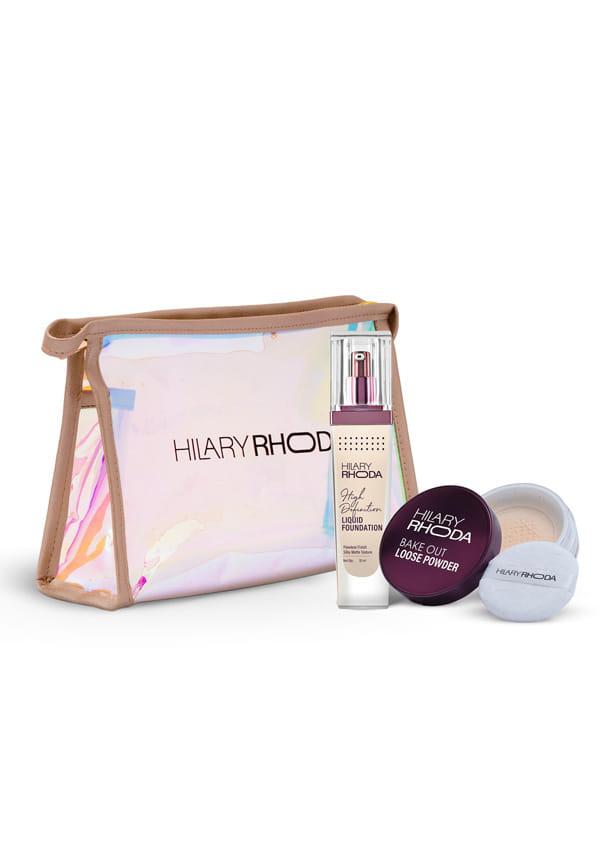
Perfect Base Makeup Kit | Matte Finish
If your textured skin tends to be on the dry side, hydrating primers can be game-changers. These add an extra layer of moisture while still providing that smoothing effect, preventing your foundation for textured skin from looking flaky or patchy.
Here's where things get interesting—the foundation you choose and how you apply it can make or break your entire look. The best makeup for acne scars and textured skin isn't necessarily the highest coverage formula you can find.
Buildable, medium-coverage foundations often work better than full-coverage ones for textured skin. Why? Because you can control exactly how much coverage you need in different areas without creating that mask-like effect. Look for formulas described as "buildable" or "customisable coverage."
Forget everything you know about blending foundation in circular motions. For textured skin, stippling (gentle patting motions) is your best friend. This technique presses foundation into your skin rather than moving it around, which helps it settle into texture rather than sitting on top of it.
It's tempting to pile on foundation to cover texture, but this usually backfires. Start with a thin layer, let it set for a minute, then add more only where you need it. This approach gives you better coverage with a more natural finish.
Damp beauty sponges are often the best choice for applying foundation on textured skin. They help press product into your skin while picking up any excess, creating a smooth, natural finish. If you prefer brushes, choose dense, flat-topped ones and use that stippling motion.
Concealer for textured skin isn't just about coverage—it's about strategic placement and smart application. Used correctly, concealer can help create the illusion of smoother skin without looking obvious.
Instead of covering every single bump or scar, focus on the areas that bother you most. Often, evening out your overall skin tone with foundation and then spot-concealing only the most noticeable areas gives you a more natural result than trying to cover everything.
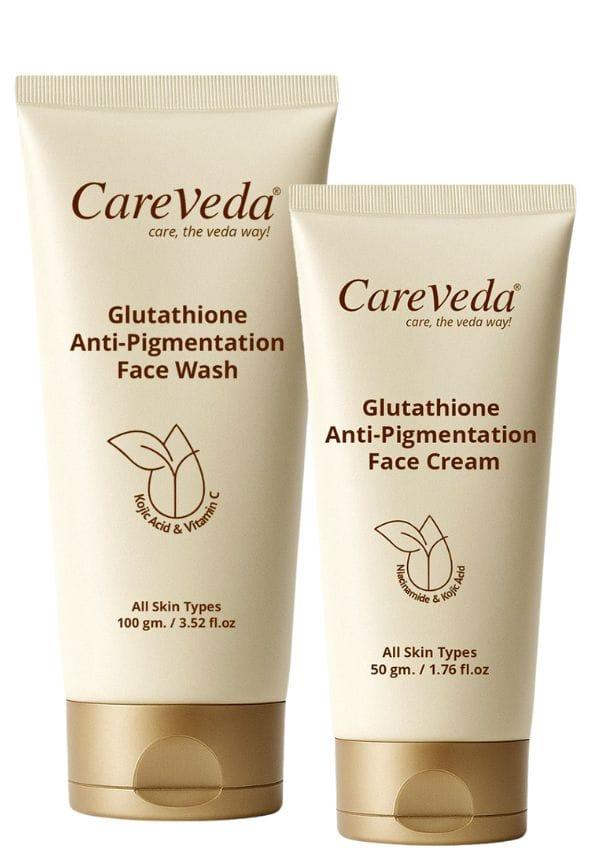
Face Wash & Cream for Bright, Even-Toned Skin
For makeup tips for uneven skin tone, colour correcting can be a game-changer. Use peach or orange correctors for dark spots and acne scars, green for redness, and purple for dullness. Apply these before your regular concealer for better coverage with less product.
Textured areas tend to move makeup around throughout the day. Lightly dust setting powder over concealed areas using a small, fluffy brush to lock everything in place.
The final steps in your routine can make the difference between makeup that looks smooth all day and makeup that starts emphasising texture by lunchtime. How you set your makeup matters just as much as how you apply it.
For textured skin, pressing powder into your skin works better than sweeping it on. Use a damp beauty sponge or a dense powder brush to gently press setting powder into areas where you need it most. This helps lock your base in place without disturbing the smooth finish you've created.
Both dewy makeup for textured skin and mattifying makeup for oily textured skin can work—it depends on your skin type and personal preference. Dewy finishes can help minimise the appearance of texture by reflecting light, while matte finishes provide longer-lasting coverage for oily skin types.
Hold your setting spray about arm's length away and mist evenly over your face. For textured areas, you can also spray your beauty sponge and gently press it over your makeup for extra staying power.
After trying countless products and techniques, here are the insider secrets that actually make a difference when learning how to apply makeup on textured skin.
Slightly warming your foundation between your hands before application can help it blend more seamlessly into textured skin. Cold product tends to sit on top of texture rather than melting into it.
Using too much product is mistake number one. Over-applying foundation, concealer, or powder will always emphasise texture rather than smooth it. Mistake number two? Using the wrong tools—harsh brushes or dry sponges can disturb your carefully applied base.
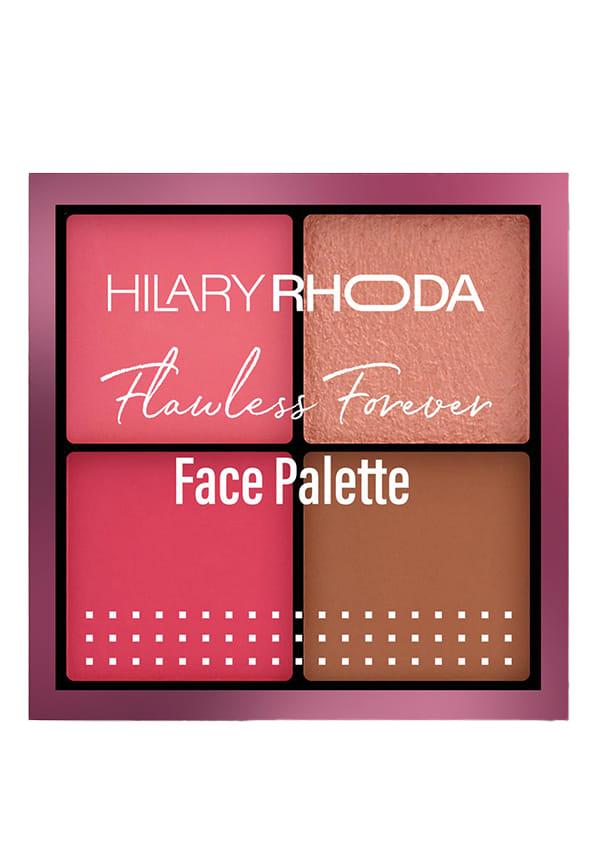
Flawless Forever Face Palette
You don't need to cover every single pore or bump. Sometimes, evening out your skin tone and covering only the most noticeable areas gives you a more natural, smooth-looking result than trying to create a completely flawless surface.
Start with proper skin prep including moisturiser and primer, then apply foundation in thin layers using stippling motions. Focus on strategic concealer placement rather than full coverage, and set everything with powder applied using pressing motions rather than sweeping.
Buildable, medium-coverage foundations work better than full-coverage formulas. Look for hydrating makeup for dry textured skin or oil-free formulas for oily types. Smoothing primers and creamy concealers tend to work best for most textured skin types.
Rather than hiding texture completely, focus on creating an even skin tone and smoothing the most noticeable areas. Use primer to fill pores, apply foundation in thin layers, and strategically conceal only where needed. The goal is smooth-looking skin, not perfect skin.
Absolutely! Platforms like Smytten offer trial packs of various makeup products, so you can test different foundations, primers, and concealers to find what works best for your specific skin texture before investing in full-size products.
Yes, acne scars might need more targeted concealing, while enlarged pores respond better to pore-filling primers. Dry textured skin benefits from hydrating products, while oily textured skin needs oil-free, mattifying formulas.
Creating a smooth makeup finish on textured skin is absolutely achievable with the right approach. The key lies in proper preparation, choosing products that work with your skin type, and using application techniques that enhance rather than fight against your natural texture. Remember that the goal isn't to create completely different skin—it's to help your skin look its smoothest and most even.
Focus on building thin layers, using the right tools, and being strategic about where you apply coverage. Sometimes less really is more, and embracing your skin's natural texture while evening out tone and smoothing the most noticeable areas often gives you the most natural, confident-looking result.
Finding the right makeup routine for textured skin often involves some trial and error, which is where Smytten becomes your best friend. As India's largest product discovery platform, Smytten offers curated trial packs from over 1,500 trusted beauty brands, letting you explore different foundations, primers, and concealers before committing to full-size purchases. With trial packs available across makeup categories and 100% cashback on trials redeemable for future orders, you can experiment with different products to find your perfect textured skin routine without the financial risk. After all, why settle for maybe when you can try it all and find what actually works for your unique skin?
