How to Apply Makeup: A Beginner's Essential Guide

 Combo
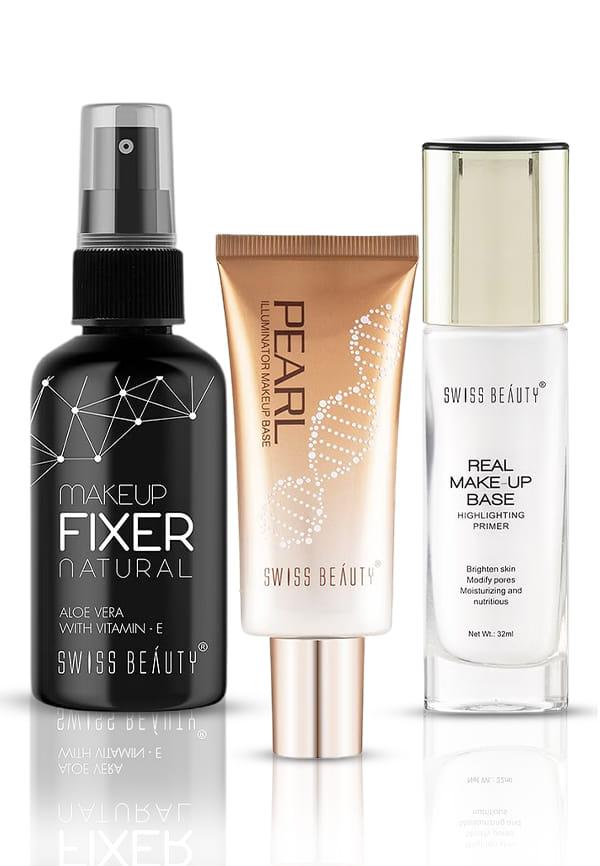
ComboGlowing Skin Prep Combo
Starting your makeup journey can feel a bit overwhelming with all those tutorials and product lists floating around. But here's the thing—you don't need a degree in beauty to nail the basic makeup steps. Whether you're after a quick five-minute fresh face or want to master a polished daily look, getting the fundamentals right is your ticket to confidence. Think of this as your no-nonsense guide to beginner makeup that actually makes sense. We'll walk through everything from prepping your skin to adding those finishing touches, plus share some simple makeup tips that'll have you looking naturally gorgeous without the stress.
Let's be real—you don't need to break the bank or fill an entire drawer to get started with makeup. The key is knowing which products will give you the most bang for your buck and actually make a difference in your daily makeup look.
Your starter kit should include a few multi-tasking heroes. A good foundation or BB cream forms the base of any look, whilst a concealer helps tackle those pesky dark circles and blemishes. Don't skip primer—it's like a smooth canvas for everything else. For your eyes, start with a neutral eyeshadow palette (think browns, taupes, and soft pinks), a reliable mascara, and an eyebrow pencil or powder. Face-wise, grab a blush for that healthy glow, a bronzer for subtle warmth, and some setting powder to keep everything in place.
You can absolutely create a gorgeous natural makeup look without spending a fortune. Look for drugstore brands that offer good coverage and blendability. Many affordable options perform just as well as their pricier counterparts, especially when you're learning the ropes.
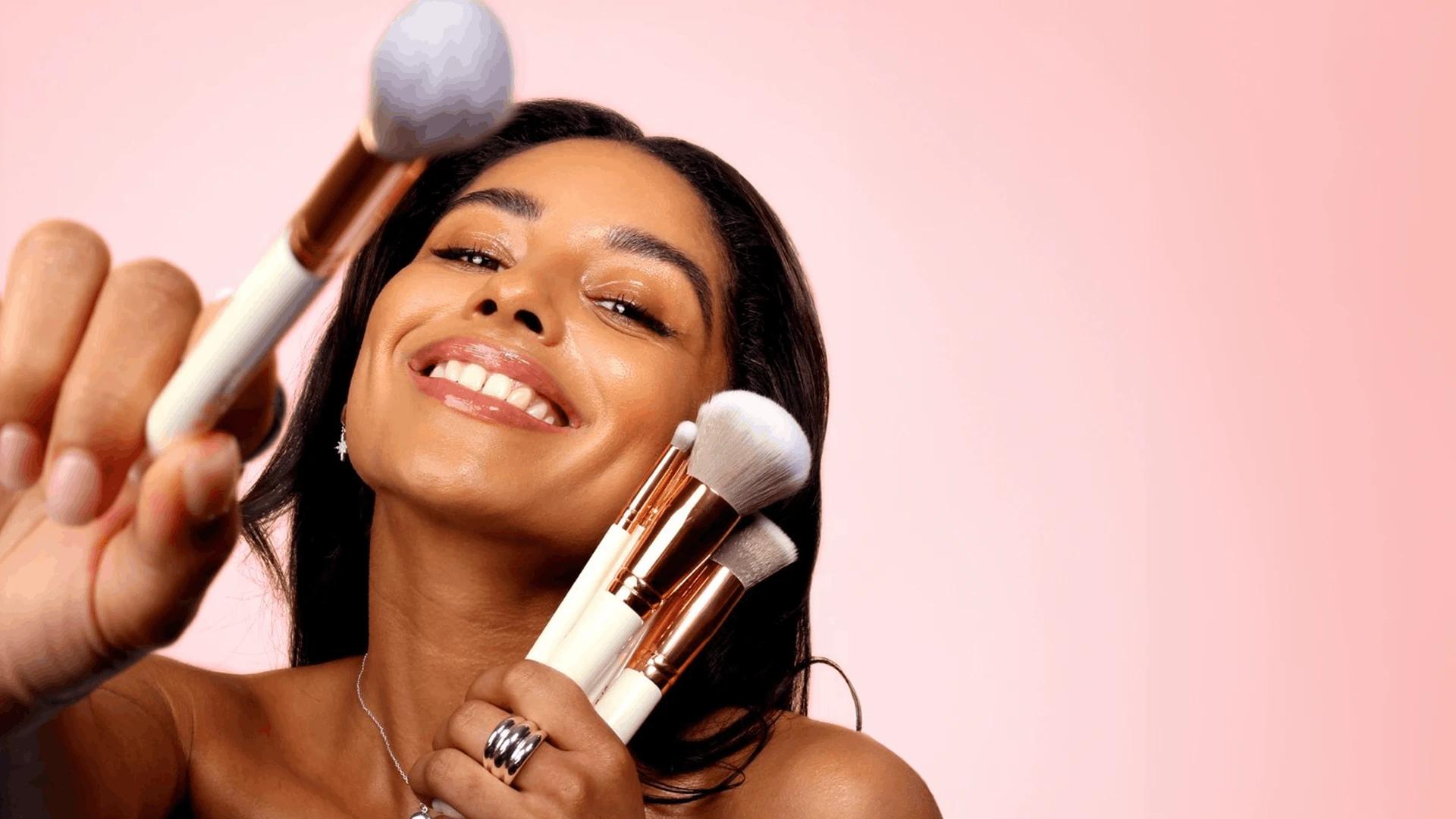
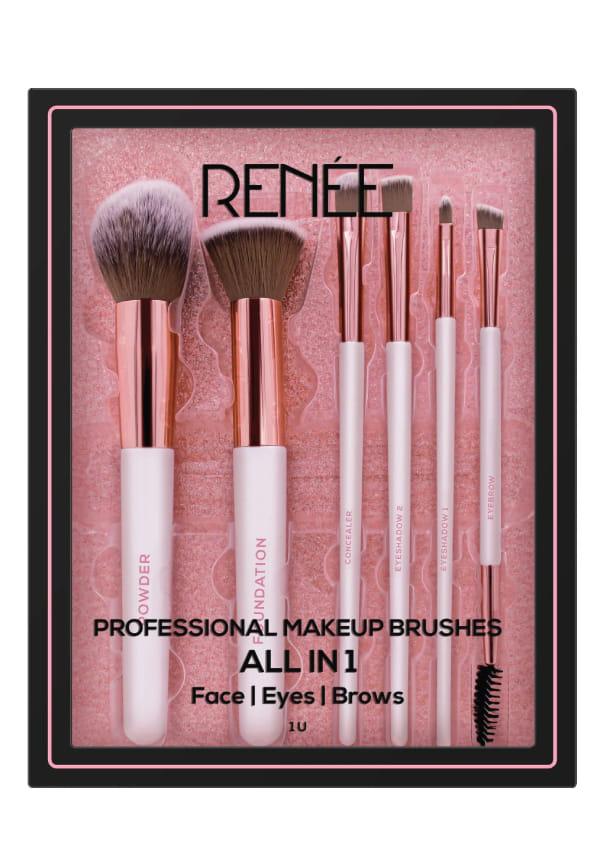
The right tools can make your easy makeup routine even simpler. A damp beauty sponge helps blend foundation seamlessly, whilst a basic brush set covers all your blending needs. An eyelash curler opens up your eyes instantly, and trust us—it's worth the small investment.
Here's where the magic really begins—and it's not with the makeup itself. Proper skin prep is what separates a good makeup day from a great one. Think of it as laying the groundwork for your flawless makeup application.
Start with clean skin—always. A gentle cleanser removes any overnight buildup and creates a fresh base. Follow with a moisturiser that suits your skin type; this prevents your makeup from looking patchy or clinging to dry spots. Don't forget SPF if you're heading out during the day. Many moisturisers now come with built-in sun protection, making this step super easy to remember.
Primer might seem like an extra step, but it's honestly a game-changer for makeup for beginners. It smooths out your skin's texture and helps your makeup stay put longer. Apply it after your moisturiser has absorbed, focusing on areas where your makeup tends to fade first—usually your T-zone. Choose a primer based on your skin's needs: mattifying for oily skin, hydrating for dry skin, or colour-correcting for specific concerns.
 6 Pcs
6 PcsAll In 1 Professional Makeup Brush Set
Now for the fun part—actually applying your makeup. These basic makeup steps will become second nature with a bit of practice, and you'll be amazed at how quickly you can achieve a polished look.
Start with less product than you think you need—you can always build up coverage. Apply foundation to the centre of your face and blend outwards using your preferred method. A damp beauty sponge gives the most natural finish, whilst a brush offers more coverage. For colour matching, test shades on your jawline in natural light. The right shade should disappear into your skin without any obvious lines.
Concealer is your secret weapon for those days when your skin needs a bit of extra help. For dark circles, apply in an upside-down triangle shape under your eyes and blend the edges. For blemishes, dab a small amount directly on the spot and gently pat to blend. Remember—concealer should be one shade lighter than your foundation for under-eyes, but match your foundation exactly for covering spots.
A light dusting of setting powder keeps everything in place without looking cakey. Focus on your T-zone and any areas that tend to get oily throughout the day. Use a fluffy brush and tap off excess powder before applying.
This is where your face makeup steps really start to bring your look together. Adding colour and definition doesn't have to be complicated—a few strategic touches can make all the difference.
Forget complicated contouring maps for now. Simply sweep bronzer along your hairline, under your cheekbones, and along your jawline for subtle warmth. Apply blush to the apples of your cheeks and blend upwards towards your temples. The key is building colour gradually—you can always add more, but it's harder to take away.
Start by filling in your brows with light, hair-like strokes. For eyeshadow, stick to one or two neutral shades—a light shade over the entire lid and a slightly deeper one in the crease for definition. Finish with mascara, wiggling the wand at the base of your lashes and pulling through to the tips. One or two coats usually does the trick for a natural makeup look.
 30 ml
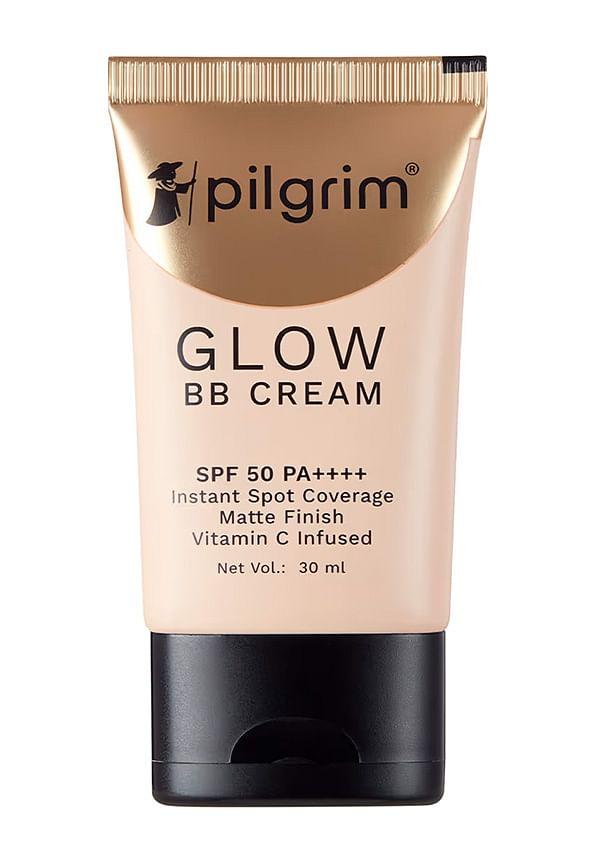
30 mlBB Cream
For daily wear, tinted lip balms or sheer lipsticks work beautifully. They add a hint of colour whilst keeping your lips comfortable throughout the day. Choose shades that enhance your natural lip colour rather than dramatically changing it.
Even with the best intentions, there are some common pitfalls that can trip up beginners. Knowing what to watch out for will help you avoid these mistakes and achieve that polished finish you're after.
This simple rule suggests focusing on 2-3 features at most to avoid overwhelming your face. If you're going for bold eyes, keep lips neutral. If you want a statement lip, tone down the eye makeup. This creates balance and prevents your look from competing with itself.
Good blending is what separates amateur from professional-looking makeup. Use circular motions for foundation, patting motions for concealer, and sweeping motions for powder products. Take your time—rushing the blending process is where most makeup looks go wrong.
A few spritzes of setting spray can extend your makeup's wear time significantly. Hold the bottle about arm's length away and mist evenly over your face. Let it dry naturally—don't fan or pat your face.
Skip the heavy hand with products—less is definitely more when you're learning. Avoid applying makeup in poor lighting, and don't forget to blend your foundation down your neck to avoid that obvious makeup line.
Not every day calls for a full makeup routine, and that's perfectly fine. Having a few go-to looks for different time constraints means you'll always feel put-together, no matter how rushed your morning is.
When you're really pressed for time, focus on evening out your skin tone with a tinted moisturiser or BB cream, add a swipe of mascara, and finish with a tinted lip balm. This gives you that 'your skin but better' effect in minutes.
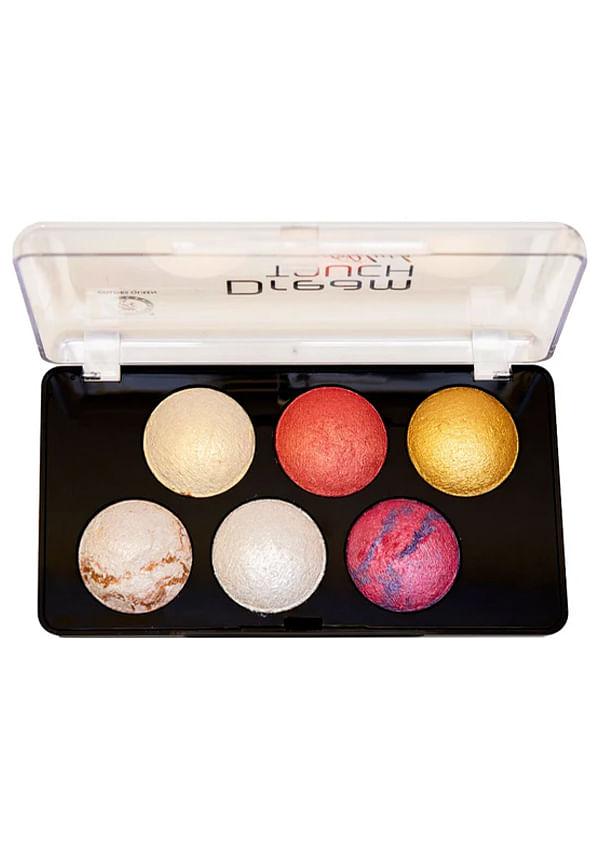 18 gm
18 gmDream Touch Blusher & Highlighter Palette
With a bit more time, add concealer where needed, a touch of blush, and fill in your brows. This creates a more polished appearance whilst still being completely achievable on busy mornings.
As you get more comfortable with the basics, you can start adding elements like eyeshadow, bronzer, and lip colour. The beauty of mastering these basic makeup steps is that you can mix and match based on your mood and schedule. Platforms like Smytten make it easy to try different products without committing to full sizes. With trial packs from trusted brands, you can experiment with new formulas and shades to find what works best for your skin and style.
The essential steps include skin prep (cleanse, moisturise, prime), base makeup (foundation, concealer, powder), adding colour (blush, bronzer), basic eye makeup (mascara, brows), and lip colour. Start with these fundamentals and build from there.
The core five steps are: 1) Prep your skin, 2) Apply base makeup (foundation/concealer), 3) Set with powder, 4) Add colour to cheeks and lips, 5) Define eyes with mascara. These create a complete, polished look.
A basic routine can take anywhere from 5-15 minutes once you're comfortable with the steps. As a beginner, allow yourself 20-30 minutes to practice and perfect your technique without rushing.
Mascara should be replaced every 3-6 months, liquid foundations every 12-18 months, and powder products can last 2-3 years. Always check for changes in smell, texture, or performance as signs it's time to replace.
Use a gentle makeup remover or cleansing oil first, followed by your regular cleanser. This double-cleansing method ensures all makeup is removed without harsh scrubbing that can irritate your skin.
Mastering these basic makeup steps is really about finding what works for your lifestyle and comfort level. Remember, makeup should enhance your natural beauty, not mask it completely. Start with the essentials, practice regularly, and don't be afraid to experiment with different techniques and products. The key to a great makeup tutorial experience is patience with yourself and having the right products to work with. Smytten's trial packs let you discover new brands and formulas without the commitment of full-size purchases, making it easier to build your perfect makeup collection gradually. With over 1,500 trusted brands available in mini sizes, you can try everything from foundations to mascaras until you find your perfect match. After all, why settle for 'maybe' when you can try it all and find what truly works for you?
