How to Apply Foundation: A Beginner's Complete Guide


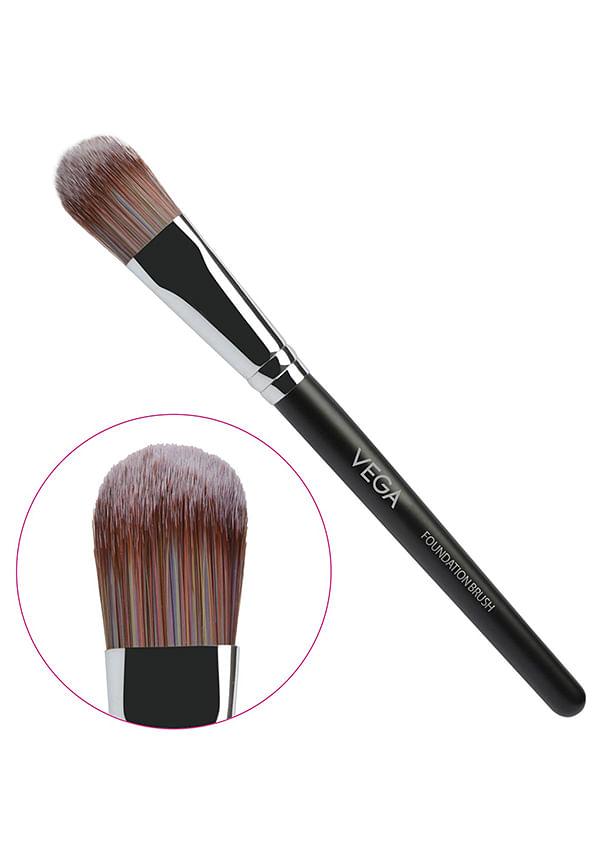 1 unit
Foundation Brush (PB-02)
Starting your makeup journey can feel overwhelming, especially when it comes to foundation application. You've probably watched countless tutorials and wondered how everyone makes it look so effortless. Here's the thing—foundation doesn't have to be complicated. With the right foundation tips for beginners, you can master this essential makeup step and create a flawless base that looks natural and feels comfortable. Whether you're completely new to makeup or just want to improve your technique, this guide will walk you through everything you need to know about foundation application. From choosing the right shade to perfecting your blending technique, we'll cover all the basics that'll help you feel confident in your makeup routine.
Let's start with the fundamentals. Foundation is essentially a base product that evens out your skin tone and creates a smooth canvas for the rest of your makeup. Think of it as your skin but better—it helps minimise imperfections whilst maintaining a natural look. Foundation comes in different coverage levels, and understanding these will help you choose what works best for your needs. Light coverage gives you a natural, barely-there finish that's perfect for everyday wear. Medium coverage offers more colour payoff and can hide minor blemishes whilst still looking natural. Full coverage provides maximum colour payoff and can cover significant imperfections, though it requires more skill to apply naturally. It's worth noting that foundation isn't the same as other base products you might have heard about. Tinted moisturiser offers very light coverage with added hydration, BB cream provides light coverage with skincare benefits, and concealer is designed to target specific areas rather than your entire face. Understanding these differences helps you choose the right product for your goals. The biggest mistake beginners make? Using too much product. Start with less than you think you need—you can always build up coverage gradually. Another common error is not blending properly, which can leave you with visible lines or patches.
Choosing the right type of foundation can make or break your makeup experience. Each formula has its own benefits and works better for different skin types and preferences.
This is often the best foundation for beginners because it's forgiving and easy to blend. Liquid foundations work well on most skin types and offer buildable coverage. They're also the most versatile—you can apply them with brushes, sponges, or even your fingers.
Powder foundations are great if you have oily skin or prefer a matte finish. They're quick to apply and perfect for touch-ups throughout the day. However, they can emphasise dry patches, so they're not ideal if you have dry skin.
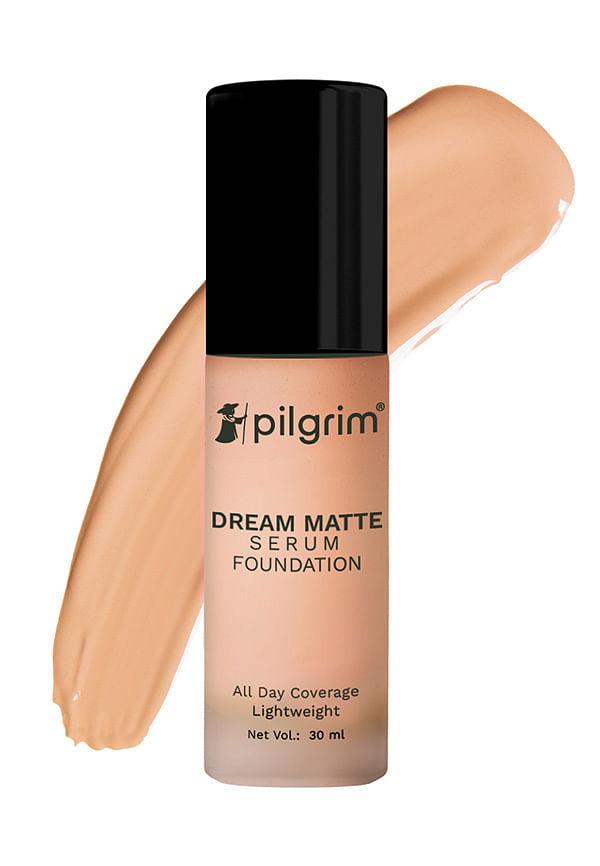 30 ml
30 mlSerum Foundation
These offer full coverage and work beautifully on dry or mature skin. Cream foundations provide a natural, skin-like finish but can feel heavy if you're not used to wearing makeup. They require a bit more blending skill than liquid formulas.
Stick foundations are convenient and travel-friendly. They offer medium to full coverage and work well for spot-concealing or all-over application. They're particularly good if you want precise application control.
These are excellent starter options if you want something lighter than traditional foundation. They provide hydration along with light coverage and are nearly impossible to mess up. Perfect for building confidence before moving to fuller coverage products.
Getting your foundation shade right is crucial for a natural look. The key is understanding your undertone—the subtle hue beneath your skin's surface. Undertones fall into three categories: cool (pink, red, or blue hints), warm (yellow, golden, or peachy hints), and neutral (a mix of cool and warm). To determine yours, look at your wrist veins in natural light. Blue or purple veins suggest cool undertones, green veins indicate warm undertones, and if you can't tell, you're likely neutral. When testing foundation shades, always test on your jawline rather than your hand or wrist. Your face and hands can be different colours, and the jawline gives you the most accurate match. Apply three shades—one you think matches and one slightly lighter and darker. The right shade should disappear into your skin. Seasonal changes can affect your foundation needs. You might need a slightly lighter shade in winter and a deeper one in summer. Many people find success mixing two shades to create their perfect match throughout the year. If you're between shades, go for the lighter one. It's easier to build coverage or add a touch of bronzer than to tone down a foundation that's too dark.
Having the right tools makes foundation application much easier and more professional-looking. You don't need everything at once, but these basics will set you up for success. For tools, you have three main options: brushes (great for buildable, even coverage), beauty sponges (perfect for natural, seamless blending), and your fingers (surprisingly effective for liquid foundations and gives the most natural finish). Proper skincare prep is non-negotiable for smooth foundation application. Start with a clean face, then apply moisturiser suited to your skin type. Let it absorb for a few minutes before moving to the next step. Primer isn't always necessary, but it can help your foundation go on smoother and last longer. If you have large pores, textured skin, or oily areas, primer can create a more even base for your foundation. The goal is creating a clean, smooth canvas. Any dry patches, excess oil, or leftover skincare residue can interfere with how your foundation applies and wears throughout the day.
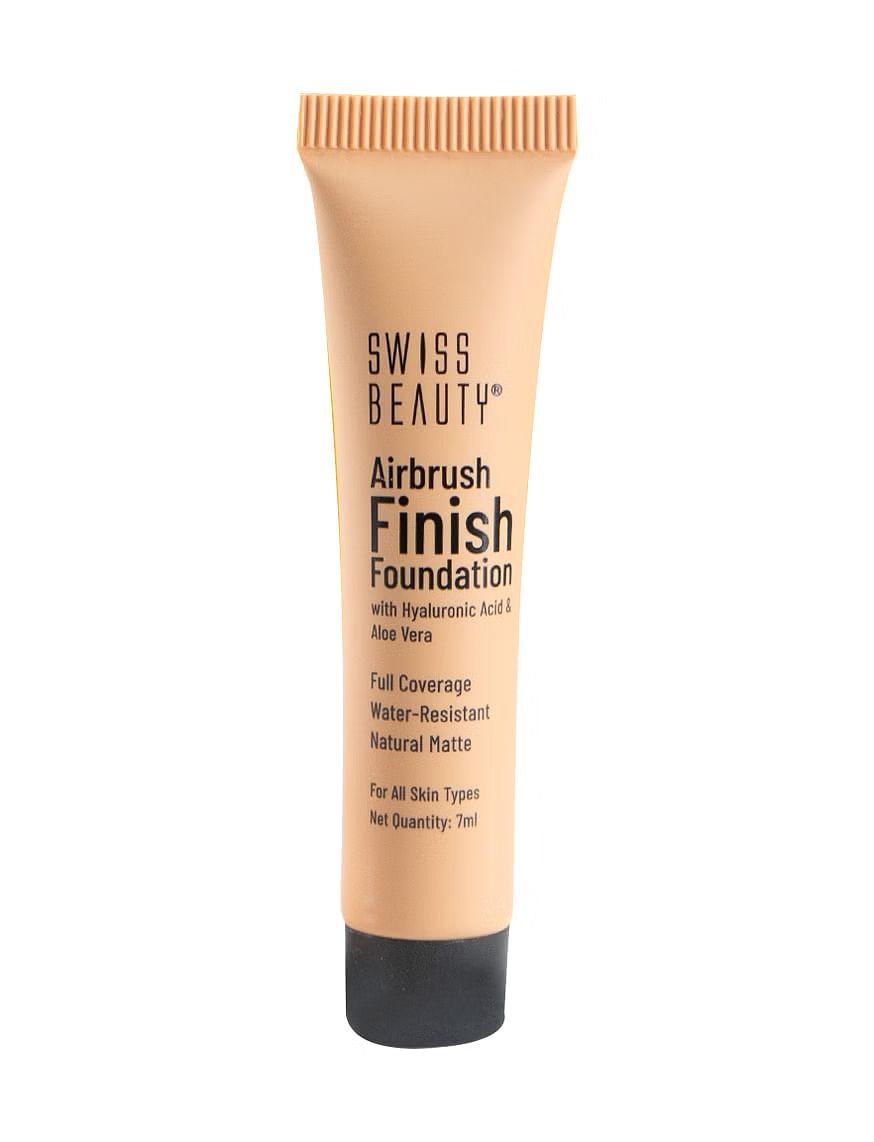 7 ml
7 mlAirbrush Finish Foundation
Now for the main event—actually applying your foundation. This step-by-step process will help you achieve a flawless foundation finish every time. Step 1: Start with a clean, primed face. Make sure your skincare has absorbed and your primer (if using) has set for a minute or two. Step 2: Apply foundation from the centre outward. Start with a small amount in the centre of your face—forehead, nose, cheeks, and chin. This is where you typically need the most coverage. Step 3: Use a stippling motion rather than painting. Whether you're using a brush, sponge, or fingers, press and lift rather than dragging across your skin. This prevents streaking and gives more even coverage. Step 4: Blend thoroughly. Work the foundation outward toward your hairline, jawline, and neck. Make sure there are no visible lines where your foundation stops. Step 5: Build coverage gradually. If you need more coverage in certain areas, add a tiny bit more product and blend again. It's much easier to add than to remove excess. Step 6: Touch up with concealer where needed. Foundation doesn't have to do all the work. Use concealer for any spots that need extra coverage. Step 7: Set with powder if desired. A light dusting of translucent powder can help your foundation last longer, especially in oily areas.
These makeup foundation tips will help you avoid common pitfalls and achieve a more professional-looking result. Remember that less is always more when starting out. It's tempting to use a lot of product, but foundation should enhance your natural skin, not mask it completely. Start with a thin layer and build up only where needed. Work from the inside of your face outward for the most natural blending. This ensures the highest concentration of product is where you typically need it most—the centre of your face. To prevent streaks, work quickly but don't rush. Foundation has a working time before it starts to set, so blend efficiently but thoroughly. If you notice streaking, it usually means you're using too much product or not blending enough. Foundation can oxidise (change colour) after application due to your skin's natural oils and pH. This is why testing foundation for a few hours before purchasing is ideal. If your foundation consistently turns orange or darker, you might need a different formula or shade. To make your foundation last all day, focus on proper prep and setting. A good skincare routine, appropriate primer for your skin type, and light powder in oily areas will significantly improve longevity.
Even with the best foundation application techniques, you might encounter some issues. Here's how to fix the most common problems beginners face. If your foundation looks cakey or heavy, you're likely using too much product or not blending enough. Remove excess with a damp beauty sponge and blend more thoroughly. Next time, start with less product. When foundation doesn't match your skin, don't panic. You can mix it with a lighter or darker shade, or use bronzer and highlighter to help it blend with your natural colouring. For future purchases, always test in natural light. If foundation separates or slides off, it's usually a prep issue. Make sure your skincare has absorbed completely, and consider using a primer. Oily skin types might need an oil-controlling primer or powder. Dry patches can make foundation look patchy or flaky. Exfoliate gently before application and use a hydrating primer or mix a drop of facial oil into your foundation. If foundation emphasises pores or texture, try using less product and a different application method. Sometimes switching from a brush to a sponge or fingers can help. A smoothing primer can also minimise texture issues. When you're exploring different foundation options, platforms like Smytten make it easier to try various products without committing to full sizes. With over 1,500 trusted brands including makeup favourites like Renee and Bella Vita, you can discover your perfect foundation match through trial-sized products. This approach lets you test different formulas and shades until you find what works best for your skin type and preferences.
Start with less product than you think you need, choose the right shade by testing on your jawline, prep your skin properly with moisturiser, and blend thoroughly from the centre of your face outward. Focus on creating a natural finish rather than full coverage initially.
Begin with a liquid foundation in your correct shade. Apply moisturiser first, then dot foundation on your forehead, cheeks, nose, and chin. Use a damp beauty sponge or your fingers to blend outward, building coverage gradually where needed.
 30 ml
30 mlVery Me Liquid Foundation
Liquid foundation is typically best for beginners because it's forgiving, easy to blend, and works on most skin types. Look for medium coverage formulas that you can build up or sheer out as needed.
Start with proper skincare (cleanser and moisturiser), choose the right foundation shade and type for your skin, invest in basic application tools like a beauty sponge, and practice the application technique regularly to build confidence.
Liquid foundation is generally better for beginners because it's more forgiving and easier to blend. Powder foundation can be tricky to apply evenly and may emphasise dry patches if you're still learning proper application techniques.
Start with about a pump or a pea-sized amount for your entire face. You can always add more, but removing excess is much harder. Remember, foundation should enhance your natural skin, not completely cover it.
Mastering foundation application is a journey, not a destination. The most important foundation tips for beginners revolve around starting simple and building your skills gradually. Choose a foundation type that suits your skin and comfort level, invest time in finding your perfect shade match, and remember that practice makes perfect. The key to flawless foundation lies in preparation, the right tools, and patience with the blending process. Don't expect perfection immediately—even professional makeup artists had to start somewhere. Focus on creating a natural, even base rather than trying to achieve full coverage right away. Exploring different foundation options has never been easier thanks to platforms like Smytten, India's largest product discovery and trial platform. With access to trial-sized products from trusted beauty brands, you can experiment with different formulas and shades without the commitment of full-size purchases. This makes finding your perfect foundation match both affordable and risk-free, letting you build confidence in your makeup routine one trial at a time. After all, why settle for 'maybe' when you can try it all and find exactly what works for your unique skin?
