Essential Easy Contouring Makeup Tips Checklist for Beginners

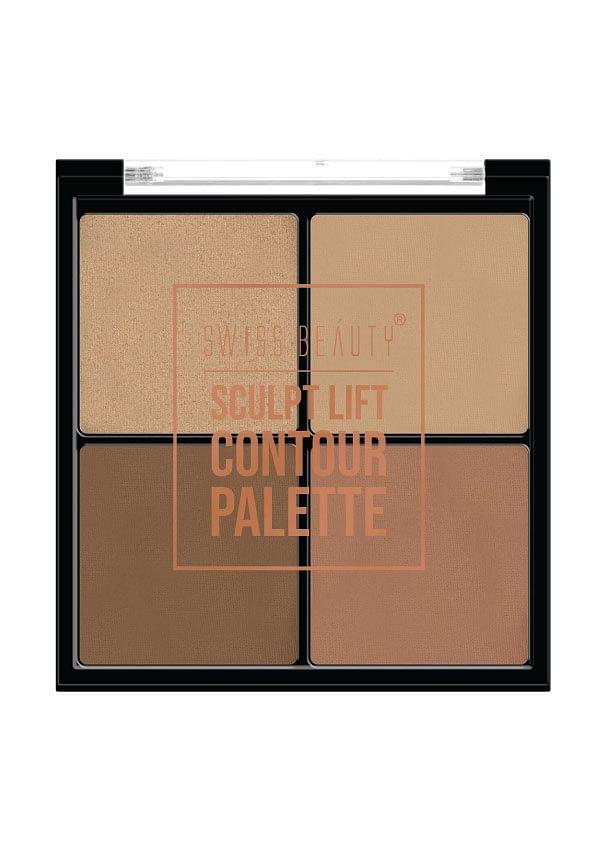 14 gm
14 gmSculpt Lift Contour Palette
Let's be real—contouring can feel like rocket science when you're starting out. One minute you're watching a tutorial thinking "this looks easy," and the next you're staring at your reflection wondering if you've accidentally cosplayed as a zebra. But here's the thing: easy contouring makeup tips aren't just for makeup artists with years of training. With the right approach and a bit of practice, anyone can master the art of face sculpting makeup. Whether you're looking to define your cheekbones for a night out or just want to add some dimension to your everyday look, this beginner-friendly guide will walk you through everything you need to know.
Before diving into techniques, let's clear up some confusion. Contouring isn't the same as bronzing or highlighting—though they often work together like the best kind of squad. Contouring for beginners is essentially about creating shadows to sculpt and define your face's natural structure. Think of it as strategic shading that makes certain features recede while others pop forward.
The magic of face sculpting makeup lies in its ability to work with what you've got. You're not changing your face—you're just giving it a bit more definition and drama. It's like adding depth to a painting; suddenly everything looks more three-dimensional and interesting.
Here's what contouring can actually do for you:
Define your cheekbones and jawline
Slim down a wider nose or forehead
Add structure to rounder face shapes
Create the illusion of higher cheekbones
Balance out facial proportions
Now, let's bust some myths. You don't need to contour every single day, and you definitely don't need to look like you're wearing stage makeup. Natural contouring is totally achievable and often looks way better than heavy-handed techniques. The goal is enhancement, not transformation.
Right, let's talk products. Walking into a beauty store and seeing hundreds of contour options can be overwhelming, but you really don't need much to get started. The key is finding products that work well with your skin type and skill level.
If you're just starting out, cream contour products are usually more forgiving. They blend easier and give you more time to work with them before they set. Powder contours can look more natural once you've got the hang of it, but they require a steadier hand and better blending skills.
You don't need to break the bank to get started with contouring. Some brilliant options include contour sticks, cream palettes, and powder compacts that won't cost you more than a decent dinner out. Look for shades that are about two tones darker than your natural skin colour—nothing too warm or orange-toned.
Your tools matter almost as much as your products. A fluffy angled brush works brilliantly for powder contour, while a damp beauty sponge is perfect for blending cream products. Don't forget a smaller, more precise brush for detailed work around your nose.
This bit's crucial—the wrong shade can make your contour look muddy or unnatural. For fair skin, look for cool-toned greys or taupes. Medium skin tones work well with warm browns, whilst deeper skin tones can handle richer, more intense shades. When in doubt, test on your jawline in natural light.
Ready for the actual contour makeup tutorial? This step-by-step guide will take you through the basics without overwhelming you. Remember, practice makes progress—you don't need to nail it on your first try.
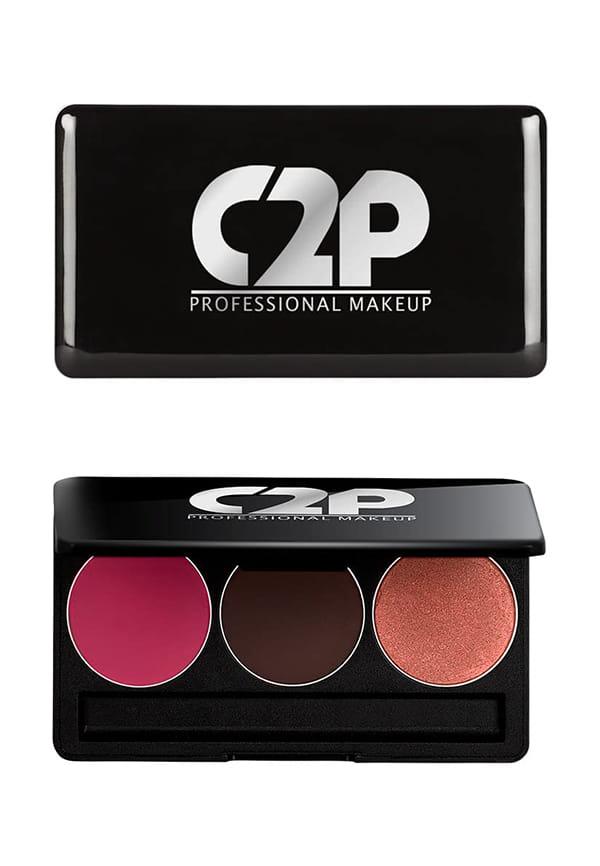 13 gm
13 gmBasic Trio 2 (Blusher-Contour-Highlighter) | 3-in-1 Multipurpose Skin Friendly Trio Kit | Powder Based Long Lasting Makeup
Start with a good base. Apply your foundation and concealer as usual, but don't set everything with powder just yet. You want a slightly tacky base that will help your contour products blend seamlessly.
Here's where to place your contour for maximum impact:
Hollows of your cheeks (suck them in to find the right spot)
Temples, blending towards your hairline
Sides of your nose (if you want to slim it)
Along your jawline
Hairline and sides of your forehead
The secret to natural-looking contour is all in the blending. Use circular motions with a damp sponge or gentle sweeping motions with a fluffy brush. Build up gradually—you can always add more, but it's harder to take away.
Don't go too dark too quickly, and please don't forget to blend your edges. Also, avoid contouring too low on your cheeks—it can make you look gaunt rather than sculpted.
Not all faces are created equal, and that's brilliant news for contouring. Contouring techniques should be tailored to work with your unique face shape, not against it. Let's break down what works best for different face shapes.
For rounder faces, focus on creating length and definition. Contour along the sides of your forehead and blend down towards your temples. Add contour to the outer edges of your cheeks, blending upwards towards your ears.
If you've got a square face, soften those strong angles by contouring the corners of your forehead and jawline. Focus on creating curves rather than emphasising the existing angular structure.
Lucky you—oval faces are naturally balanced. You can experiment with most contouring tips for different face shapes without worrying too much about proportions. Focus on enhancing your natural bone structure.
For heart-shaped faces, contour along your hairline to minimise a wider forehead, and add some definition to your jawline to balance out your features.
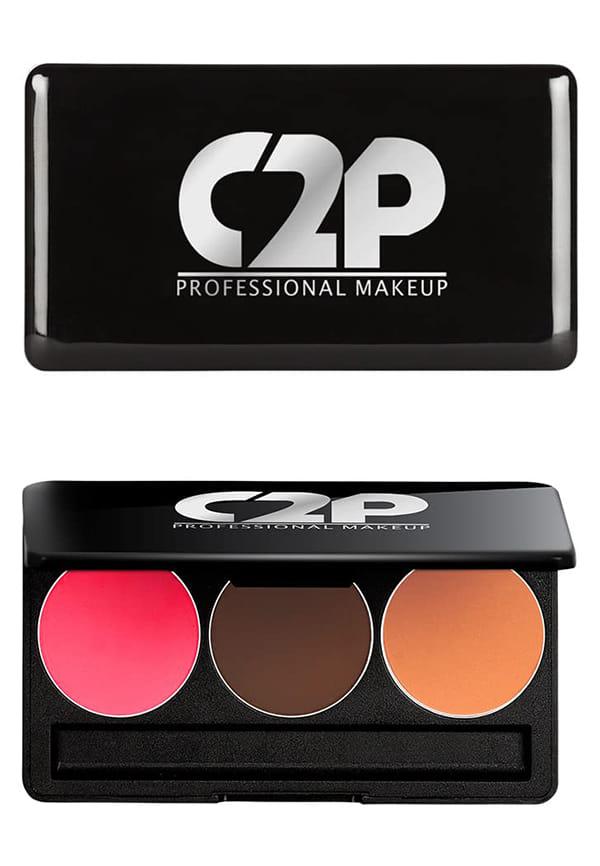 13 gm
13 gmBasic Trio 1 (Blusher & Contour)
Contour and highlight work together like the ultimate beauty duo. While contour creates shadows and depth, highlighting brings forward the features you want to emphasise. Getting this balance right is what separates amateur contouring from professional-looking results.
Apply highlighter to the high points of your face: the tops of your cheekbones, bridge of your nose, centre of your forehead, and your cupid's bow. These are the areas that naturally catch light.
Your contour and highlight should complement each other. If you're using warm-toned contour, stick with warm-toned highlights. Cool-toned contour pairs better with cooler, more silvery highlights.
Apply your contour first, blend it out, then add your highlight. This layering technique creates the most natural-looking dimension and prevents muddy mixing of products.
For daytime, keep both contour and highlight subtle. Evening looks can handle more intensity and shimmer. Think natural glow for brunch, full glamour for dinner.
Once you've mastered the basics, these advanced techniques will help you refine your skills and create even more natural-looking results. These easy contouring makeup tips focus on subtlety and sophistication rather than dramatic transformation.
As we age, heavy contouring can settle into fine lines and look harsh. Focus on cream products and lighter application. Emphasise lifting rather than dramatic sculpting.
Your contouring should adapt to the seasons. Summer calls for lighter, more bronzed looks, while winter might require slightly deeper contour shades to match your paler complexion.
For busy mornings, focus on just the cheeks and jawline. Use a cream contour stick, blend quickly with your fingers, and add a touch of highlight to your cheekbones. Job done.
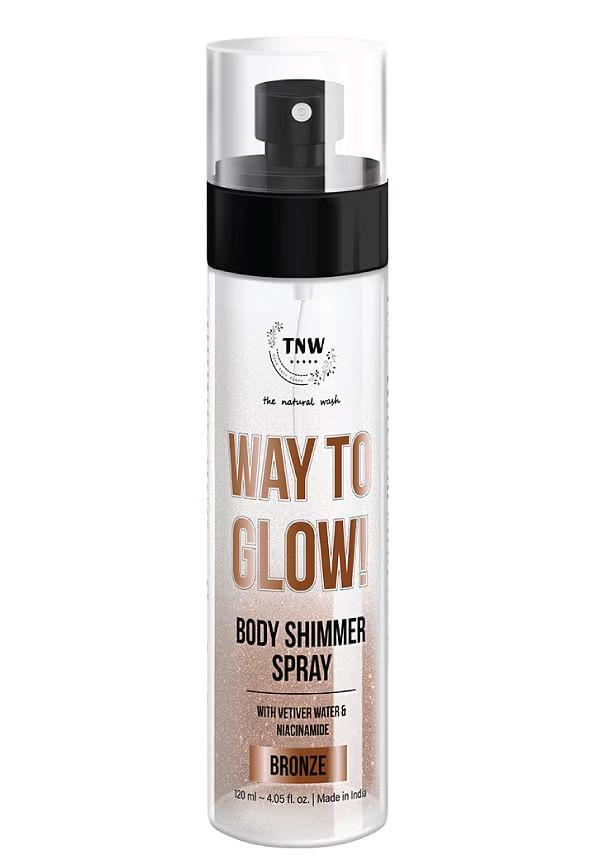 120 ml
Way to Glow Body Shimmer Spray! | Nourishes skin | For body radiance | Enhance skin texture | Daily skin care | 120ml
Gone too heavy? Don't panic. Blend a bit of your foundation over the contour to tone it down, or use a clean, damp sponge to lift some product away.
When you're ready to experiment with different contour products, platforms like Smytten make it easy to try before you commit. With curated trial packs from trusted brands, you can test various contour shades and formulas without the risk of purchasing full-size products that might not work for you. This approach lets you discover your perfect contour match while building confidence in your makeup contouring guide journey.
Most people start feeling comfortable with basic contouring after about two weeks of regular practice. Don't expect perfection immediately—it's all about building muscle memory and understanding what works for your face shape.
Absolutely! You can contour on bare skin, but make sure to blend really well. Cream products work better than powder on bare skin, and the result will be more subtle and natural-looking.
Bronzing adds warmth and a sun-kissed glow all over, while contouring creates specific shadows to sculpt your face shape. Bronzer is typically warmer-toned, whilst contour shades are cooler and more neutral.
If you can see obvious lines or patches, or if your contour looks muddy rather than natural, you've probably gone too heavy. Start with less product than you think you need—you can always build up.
That's totally up to you! Many people do a subtle everyday contour and save the more dramatic looks for evenings or special events. Find what makes you feel confident and comfortable.
The biggest mistakes are using the wrong shade (too warm or too dark), not blending enough, and placing contour in the wrong spots. Take your time and practice in good lighting.
Mastering easy contouring makeup tips is like learning any new skill—it takes time, patience, and a bit of experimentation. The key is starting simple and building your confidence gradually. Remember, the goal isn't to completely change your face but to enhance what you already have.
Don't get discouraged if your first few attempts don't look Instagram-ready. Even professional makeup artists had to start somewhere, and they definitely didn't nail it on their first try. Focus on understanding your face shape, finding the right products for your skin type, and practising those blending techniques until they become second nature.
The beauty of contouring lies in its versatility. Whether you want a subtle everyday enhancement or full glamour for a special night out, these techniques can be adapted to suit any occasion. And with platforms like Smytten offering trial-sized products from over 1,500 trusted brands, you can experiment with different contour formulas and shades without committing to full-size purchases. This makes discovering your perfect contour routine both affordable and risk-free—because why settle for maybe when you can Try It All!
