Cream Contour vs Powder Contour: Which is Best for You?

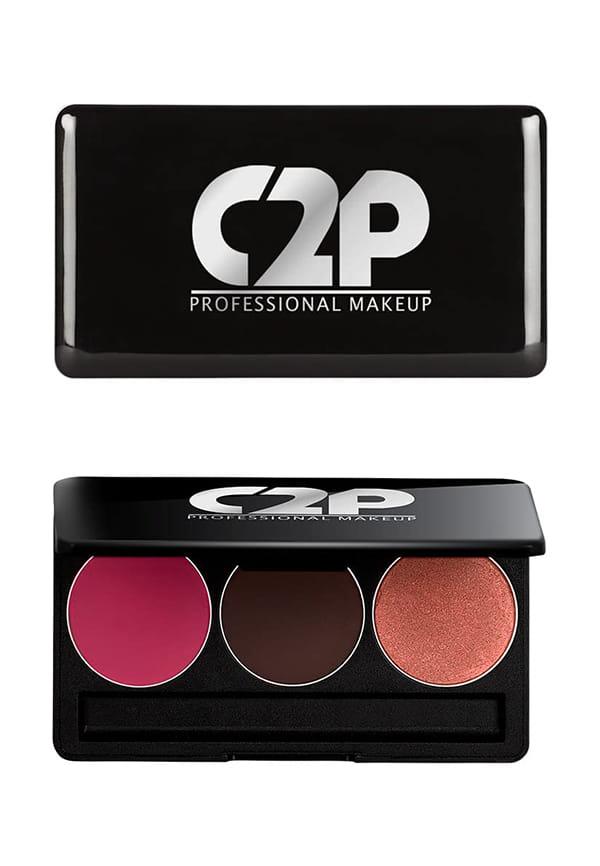 13 gm
13 gmBasic Trio 2 (Blusher-Contour-Highlighter) | 3-in-1 Multipurpose Skin Friendly Trio Kit | Powder Based Long Lasting Makeup
The contour makeup game has completely transformed how we think about face sculpting makeup. But here's the thing—choosing between cream vs powder contour can feel like picking sides in a beauty battle. Both formulas promise to chisel your cheekbones and define your features, yet they work in totally different ways. Whether you're just starting your contouring journey or looking to switch up your routine, understanding which formula suits your skin type, lifestyle, and skill level makes all the difference. Let's break down everything you need to know about these two contour heavyweights so you can find your perfect match.
Before diving into the cream vs powder contour debate, it's worth understanding what sets these formulas apart. Each type has its own unique composition, application method, and finish that can dramatically change your makeup contour guide experience.
Cream contour comes in various forms—think sticks, palettes, or liquid formulas. These products contain emollients and waxes that give them a creamy, blendable texture. The pigments are suspended in oils or silicones, which means they melt into your skin for a natural, skin-like finish. Most cream contours offer a subtle sheen that mimics real shadows, making them brilliant for achieving that effortless, no-makeup makeup look.
Powder contour, on the other hand, is made up of finely milled pigments mixed with binding agents and sometimes talc or mica. These formulas are typically applied with brushes and offer more control over intensity. Powder contours usually deliver a matte finish that photographs beautifully and tends to last longer throughout the day.
The key difference lies in how each formula interacts with your skin. Cream contours work by melting slightly with your body heat, allowing them to blend seamlessly with your foundation. Powder contours sit on top of your base makeup, building up gradually for precise control. This fundamental difference affects everything from application technique to longevity.
Cream contour has gained serious popularity among makeup enthusiasts and professionals alike. Understanding its strengths and limitations helps you decide if it's your kind of pick for daily wear.
The biggest win with cream contour? It looks incredibly natural. Here's why it might become your next fave:
Skin-like finish: Blends seamlessly for that "your features but better" look
Beginner-friendly: More forgiving during application and easier to blend
Hydrating properties: Often contains moisturising ingredients that benefit dry skin
Buildable coverage: Start sheer and build up intensity as needed
Quick application: Can be applied and blended with fingers for speedy routines
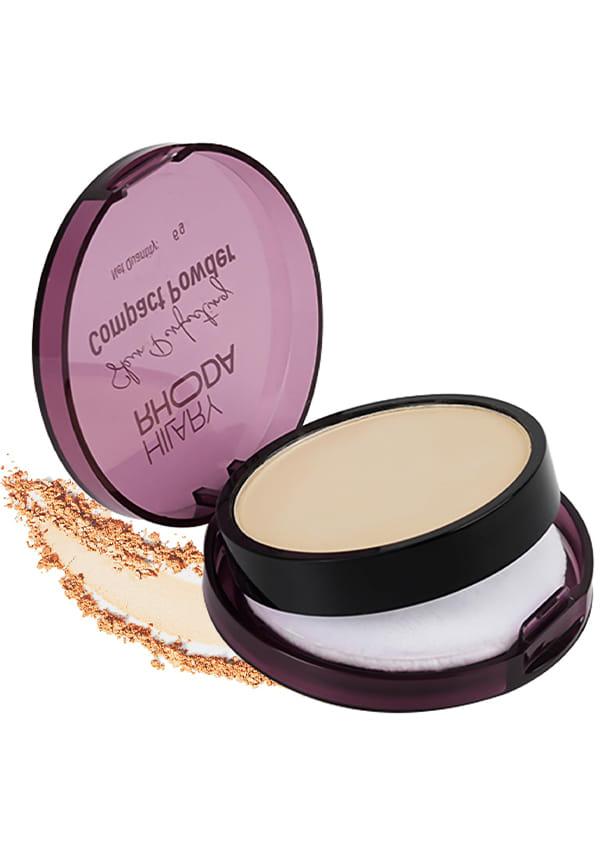 6g
6gSkin Perfecting Compact Powder
Real talk—cream contour isn't perfect for everyone. Here are the potential drawbacks:
Shorter wear time: May fade or move throughout the day, especially on oily skin
Can emphasise texture: Might cling to dry patches or settle into pores
Limited shade range: Some brands offer fewer options compared to powder formulas
Requires setting: Often needs powder on top for longevity
Getting cream contour right is all about the technique. Start by applying small amounts to the hollows of your cheeks, temples, and jawline. Use a damp beauty sponge, dense brush, or clean fingers to blend upwards and outwards. The key is working quickly before the product sets, and always blend in thin layers rather than trying to build intensity all at once.
Powder contour has been the go-to choice for makeup artists for decades. Its versatility and longevity make it a staple in many makeup bags, but it does come with its own learning curve.
Powder formulas offer some serious benefits that keep them relevant in the contour makeup world:
Long-lasting wear: Stays put for hours without touch-ups
Matte finish: Perfect for oily skin types and photography
Buildable and forgiving: Easy to add more or blend out harsh lines
Wide shade selection: Most brands offer extensive colour ranges
Precise application: Allows for detailed sculpting and definition
While powder contour has its perks, it's not without challenges:
Can look chalky: Especially on dry skin or when over-applied
Requires skill: Takes practice to achieve a natural-looking finish
May settle into lines: Can emphasise fine lines or texture issues
Needs the right tools: Requires good quality brushes for best results
Success with powder contour is all about the right tools and technique. Use a fluffy, angled brush to apply product lightly, then blend with circular motions using a clean blending brush. Build up colour gradually—it's easier to add more than to remove excess. Always tap off excess product from your brush before applying to avoid harsh lines.
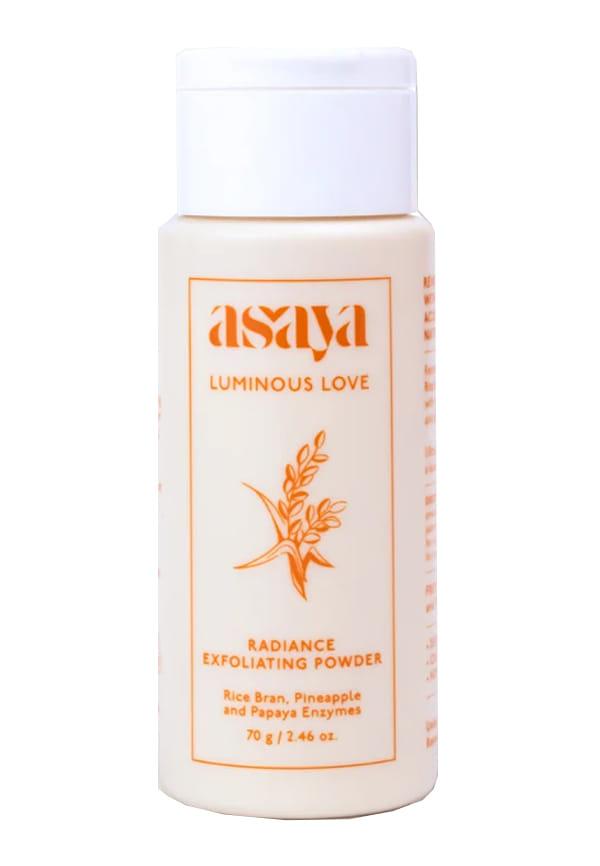 Size
SizeRadiance Exfoliating Powder
Your skin type plays a huge role in determining which contour formula will work best for you. Let's break down the best options for different skin concerns and types.
If you're dealing with dry or dehydrated skin, cream contour is typically your best bet. The emollient-rich formula helps add moisture while providing coverage, and it won't cling to dry patches like powder can. Look for cream contours with hydrating ingredients like hyaluronic acid or glycerin for an extra boost.
Oily skin types usually find more success with powder contour. The matte finish helps control shine, and powder formulas are less likely to slide around throughout the day. If you prefer cream contour, make sure to set it with translucent powder and consider using a mattifying primer underneath.
Combination skin can be tricky, but you've got options. Consider using cream contour on drier areas like your cheeks and powder contour in your T-zone where you tend to get oily. This strategic approach gives you the best of both worlds.
If you're new to face sculpting makeup, cream contour is generally more forgiving. It blends easily, looks more natural, and is harder to overdo. Once you've mastered cream contour techniques, you can always experiment with powder formulas for different looks and occasions.
Here's where things get interesting—you don't have to choose just one formula. Many professional makeup artists use both cream and powder contour together for maximum impact and longevity.
Start with cream contour as your base, blending it seamlessly into your foundation. Then, lightly dust powder contour over the same areas to set the cream and add extra definition. This technique gives you the natural finish of cream with the staying power of powder—worth obsessing over, honestly.
Use cream contour for areas where you want a softer, more natural shadow (like the sides of your nose or temples), and powder contour for areas that need more definition (like your cheekbones or jawline). This creates beautiful dimension without looking overdone.
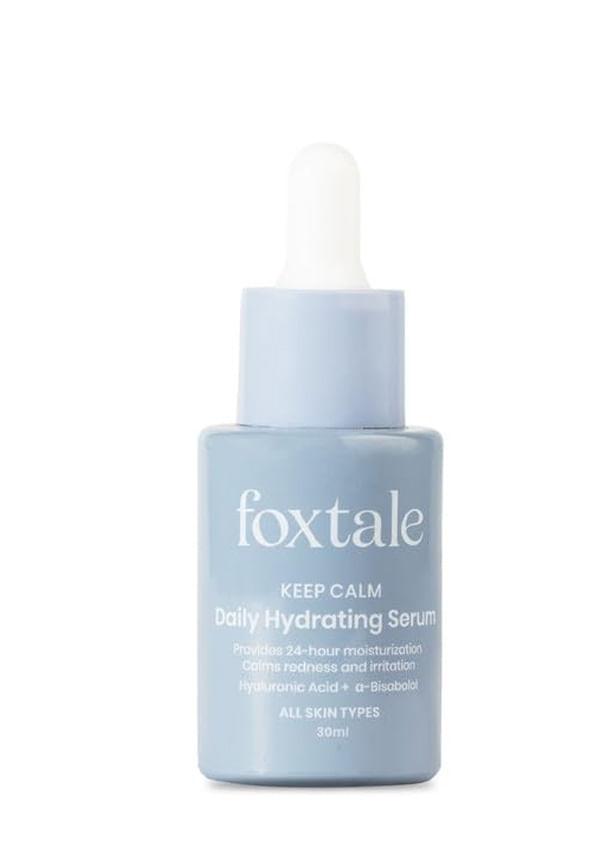 30 ml
30 mlHydrating Serum with Hyaluronic Acid and Bisabolol
Finding the perfect contour shades is crucial for achieving natural contour makeup that enhances rather than masks your features. The key is understanding your undertones and choosing shades that mimic real shadows.
Cool undertones work best with taupe or greyish-brown contour shades, while warm undertones suit golden or reddish-brown shades. If you're unsure about your undertones, look at the veins on your wrist—blue or purple veins indicate cool undertones, while green veins suggest warm undertones.
When exploring different contour products, consider starting with trial sizes to find your perfect match. Smytten offers curated trial packs from over 1,500 trusted brands, letting you discover your ideal contour formula without committing to full-size purchases. With options from brands like Renee and other top makeup names, you can try multiple formulas for just ₹249 and get up to 8 minis to experiment with different techniques and shades.
Neither is universally "better"—it depends on your skin type, skill level, and desired finish. Cream contour works brilliantly for dry skin and natural looks, while powder contour excels for oily skin and long-wearing makeup. Consider your lifestyle and preferences when choosing.
You don't need both, but having options can be helpful. Many people find one formula that works perfectly for their needs. However, if you enjoy experimenting with different looks or have combination skin, having both formulas gives you more versatility.
Liquid contour (a type of cream formula) offers similar benefits to cream contour—natural finish and easy blending. Choose liquid for a dewy, natural look and powder for a matte, long-lasting finish. Your skin type and desired outcome should guide your choice.
Cream contour is typically more beginner-friendly because it's easier to blend and more forgiving if you apply too much. The natural finish also means small mistakes are less noticeable. Start with cream contour to build confidence, then explore powder options as your skills develop.
The cream vs powder contour debate doesn't have a one-size-fits-all answer, and that's actually brilliant news. Your perfect contour formula depends on your unique skin type, lifestyle, and makeup goals. Cream contour offers that effortless, natural finish that's perfect for everyday wear and dry skin types, while powder contour delivers the staying power and precision that oily skin craves.
The beauty of makeup lies in experimentation and finding what works for your individual needs. Whether you're team cream, team powder, or somewhere in between, the key is understanding how each formula works with your skin. With Smytten's trial platform, you can explore different contour options from trusted brands without the commitment of full-size purchases. After all, why settle for maybe when you can try it all and discover your perfect contour match? Remember, the best contour is the one that makes you feel confident and looks effortlessly you.
