7 Pro Tips to Achieve Flawless Makeup Look
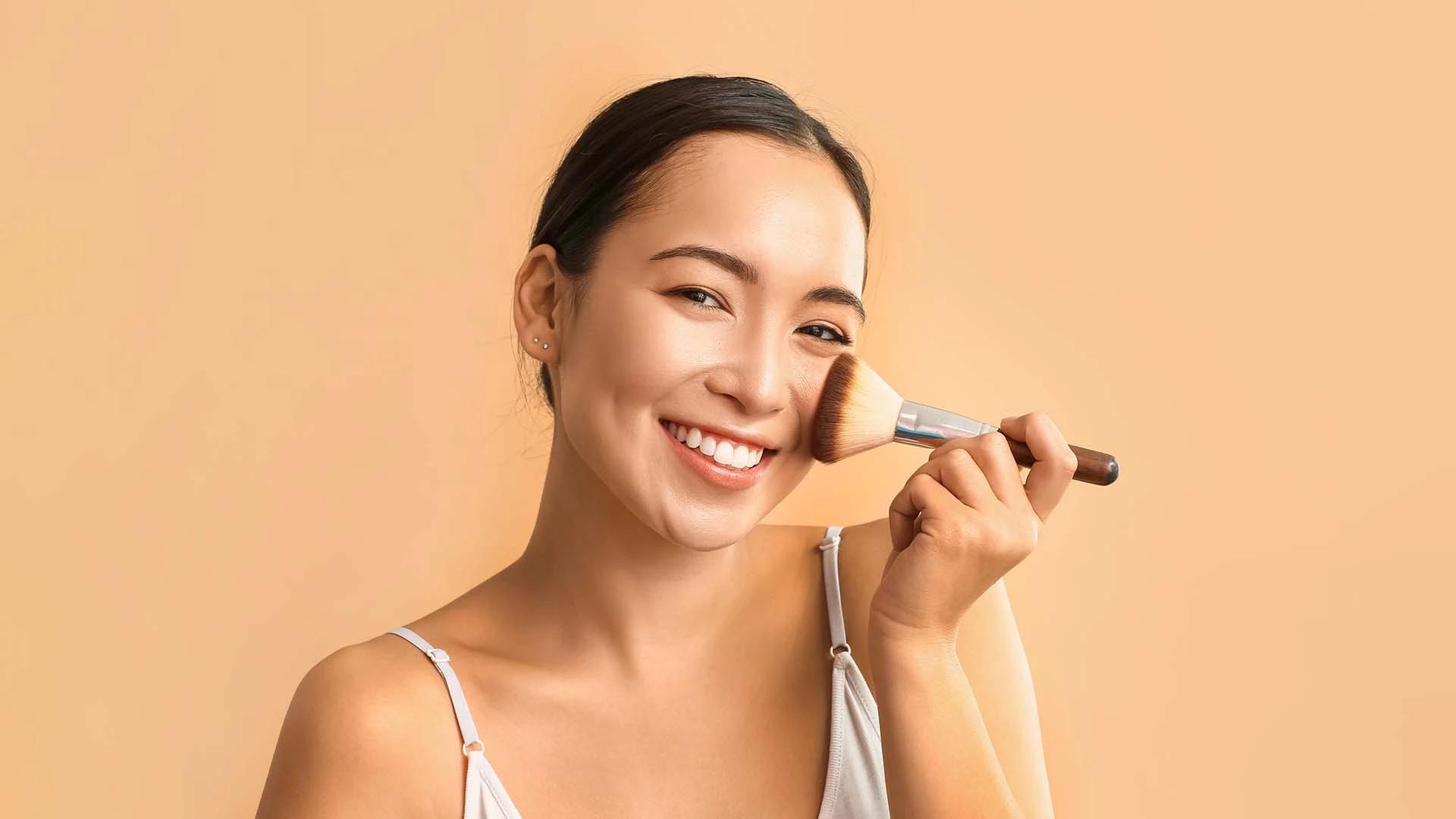

Let's be real—scrolling through social media and seeing those impossibly perfect makeup looks can make you wonder if you need a degree in artistry just to leave the house looking decent. But here's the thing: achieving a flawless makeup look isn't about having the most expensive products or being born with perfect features. It's about mastering a few key techniques that work with your unique face, not against it. Whether you're a complete beginner or someone who's been doing their makeup for years but still feels like something's missing, these seven pro tips will help you create that effortlessly polished look you've been after. Think of this as your cheat sheet to looking like you woke up this way—but better.
Before we dive into the how-to, let's chat about what flawless makeup actually means in the real world. Spoiler alert: it's not about looking like you've been airbrushed to perfection or having zero visible pores. True flawless makeup is about creating a smooth, even base that enhances your natural features whilst looking completely effortless. The key characteristics of genuinely perfect makeup include seamless blending where you can't see where one product ends and another begins, a base that looks like your skin but better, and colours that complement rather than compete with your natural beauty. It's about that "no-makeup makeup" vibe that somehow makes you look more awake, more polished, and more like the best version of yourself. One of the biggest misconceptions is that you need to cover everything completely. Real talk: your skin has texture, and that's completely normal. The goal isn't to erase every freckle or line—it's to create balance and enhance what you've already got. This mindset shift is crucial because it means you'll use less product overall, which actually helps you achieve that natural, skin-like finish we're all after.
Here's where most people go wrong—they skip the prep and wonder why their makeup looks patchy or doesn't last. Achieving perfect skin starts way before you even touch your foundation. Your beauty routine sets the stage for everything that follows.
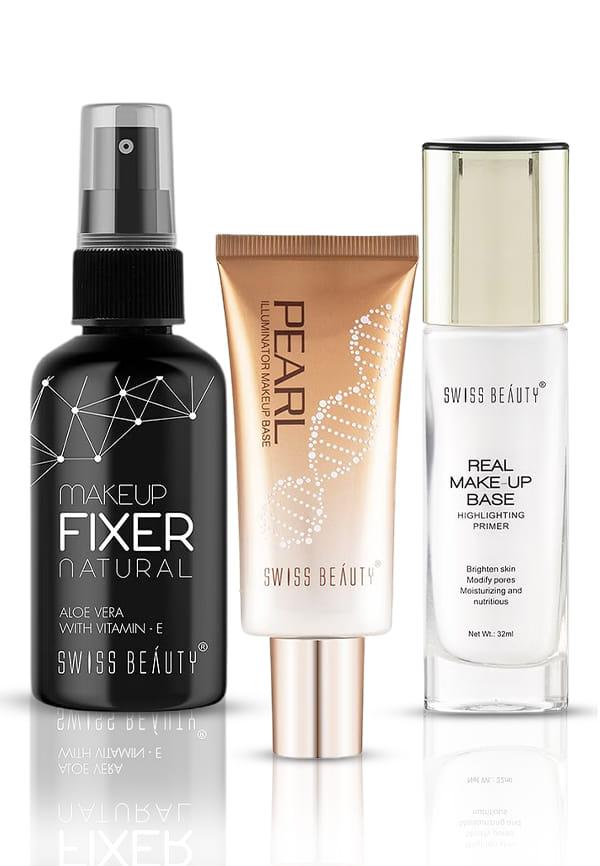 Combo
ComboGlowing Skin Prep Combo
Your skincare needs time to absorb before you start with makeup. Apply your moisturiser and wait at least 5-10 minutes before moving on to primer. This prevents your products from pilling or sliding around. If you're using a treatment serum, give it even longer to sink in.
Primer isn't just an extra step—it's your makeup's best friend. For oily skin, go for a mattifying primer that controls shine. Dry skin benefits from hydrating primers with ingredients like hyaluronic acid. If you have large pores, look for a pore-minimising formula that creates a smooth canvas.
This is where the magic happens. Green corrector neutralises redness, peach or orange tackles dark circles on deeper skin tones, whilst pink corrector brightens dull areas. Apply these sparingly—a little goes a long way. The goal is to neutralise, not add more colour to correct later.
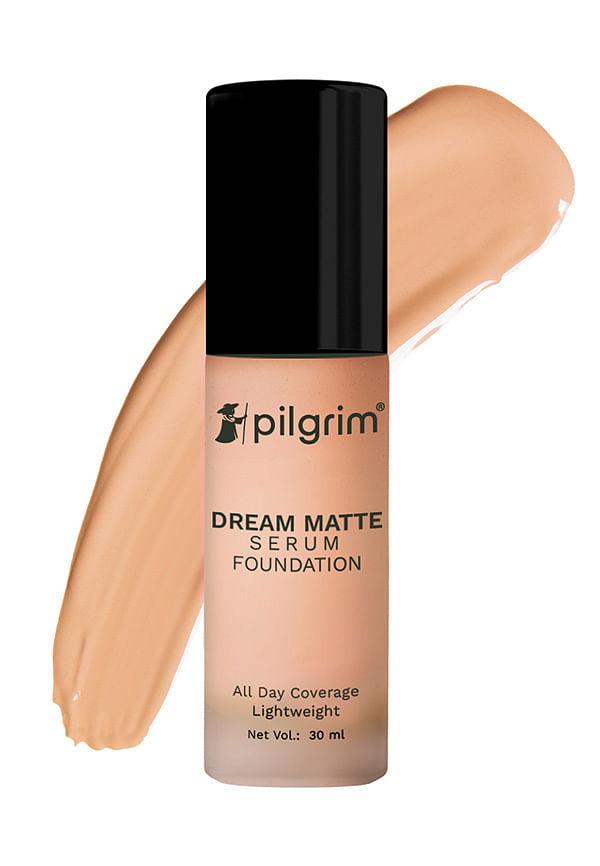 30 ml
30 mlSerum Foundation
Your foundation routine is the backbone of any flawless look. Get this right, and everything else falls into place. The secret isn't in the product itself—it's in how you apply it.
Match your foundation to your neck, not your face. Test shades in natural light whenever possible, and don't be afraid to mix two shades if you're between colours. For formula, consider your skin type: dewy foundations for dry skin, matte for oily, and satin finishes for combination skin.
Forget what you've seen in tutorials about painting foundation all over your face. Professional makeup application uses the stippling method: apply small dots of foundation to the centre of your face, then blend outwards using a damp beauty sponge or stippling brush. This gives you more control and prevents over-application.
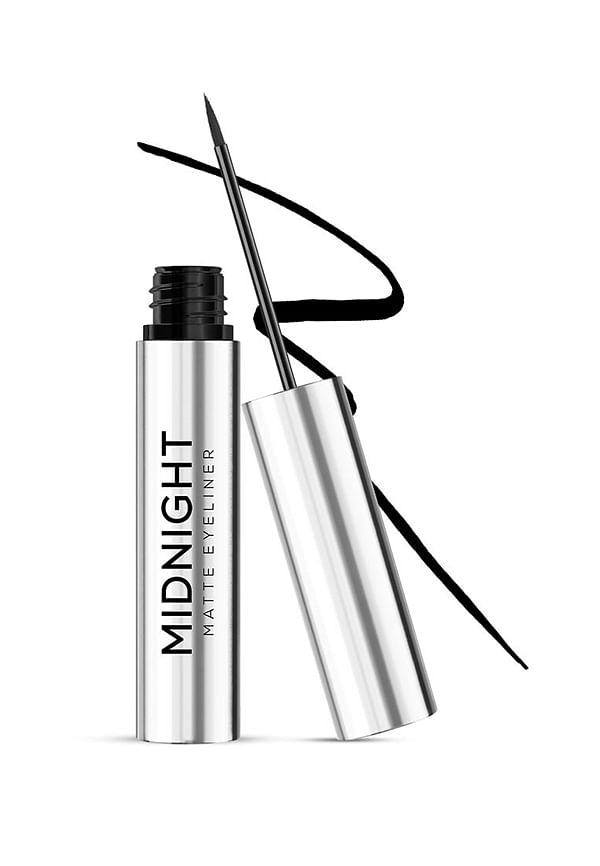 2.5 ml
Midnight Matte Eyeliner
Start with less than you think you need. Apply a thin layer, assess, then build up only where needed. Most people use far too much foundation, which creates that cakey, obvious makeup look. Remember: you can always add more, but taking away excess product is much harder.
Only set areas that tend to get oily or where you need extra longevity—usually the T-zone and under-eye area. Use a fluffy brush and press the powder in rather than sweeping it around. This prevents disturbing the foundation underneath.
Contouring doesn't have to mean dramatic Instagram-style sculpting. When done right, contouring tips help you create subtle definition that enhances your bone structure naturally.
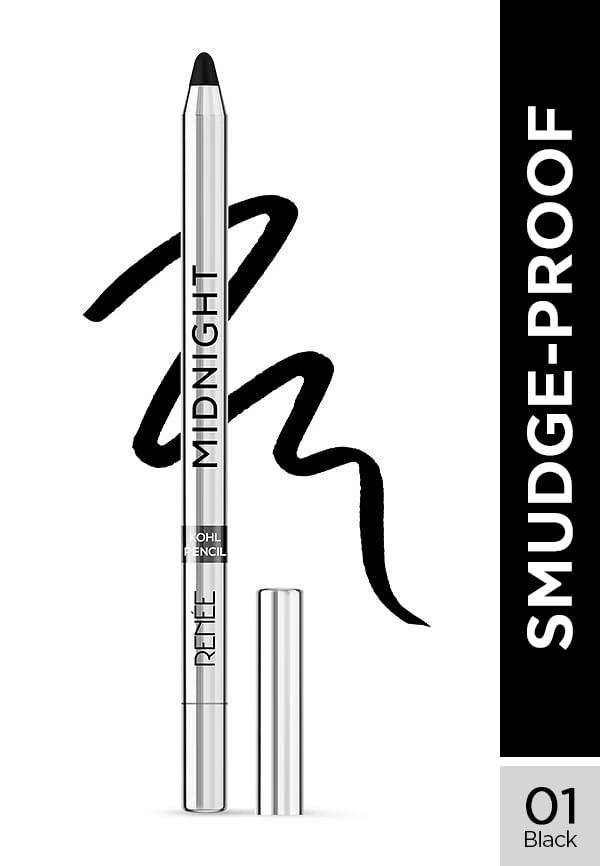 1.5 gm
Midnight Kohl Pencil – 24H Long-Lasting Kajal | Smudge-Proof, Waterproof
Every face is different, so generic contouring maps don't work for everyone. Feel your cheekbones, jawline, and temples to understand where your natural shadows fall. Contour should enhance these areas, not create fake shadows where they don't naturally occur.
Cream contour products blend more seamlessly into the skin and look more natural, especially for everyday wear. Powder contour gives more precision and is easier for beginners to control. Choose shades that are only 1-2 shades deeper than your natural skin tone—anything darker looks obvious.
The key to natural-looking contour is in the blending. Use a clean, fluffy brush or beauty sponge to soften any edges. Work in small, circular motions and build gradually. If you can see where your contour starts and stops, you need to blend more.
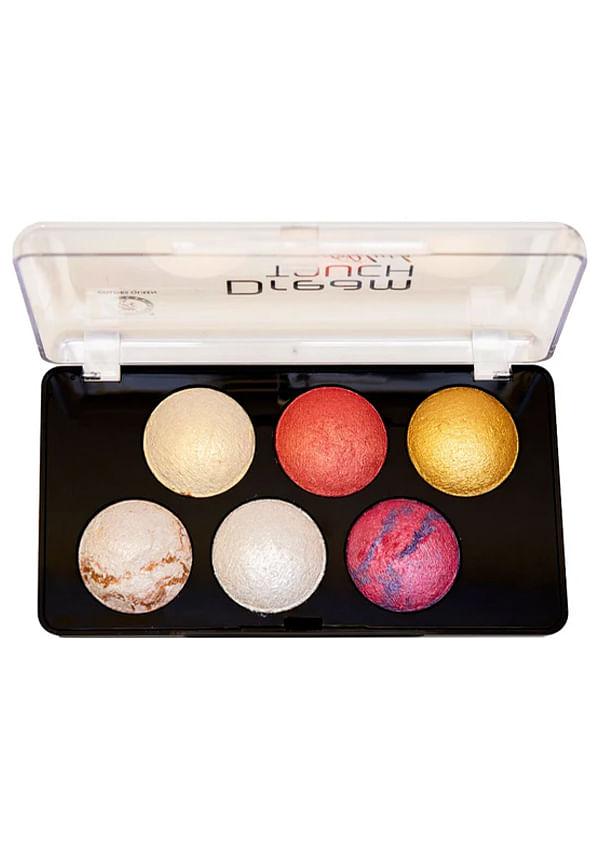 18 gm
18 gmDream Touch Blusher & Highlighter Palette
Highlight only the high points where light naturally hits your face: the tops of cheekbones, bridge of the nose, and centre of the forehead. Avoid highlighting areas you want to minimise, like a double chin or wide nose.
Once your base is sorted, it's time to add those finishing touches that pull everything together. The key to perfect makeup is balance—if you go bold on the eyes, keep the lips neutral, and vice versa.
Always start with eyeshadow primer to prevent creasing and fading. Apply eyeshadow before foundation to avoid fallout ruining your base. If you're doing a dramatic eye look, consider doing your eye makeup first, then cleaning up any fallout before moving to your base.
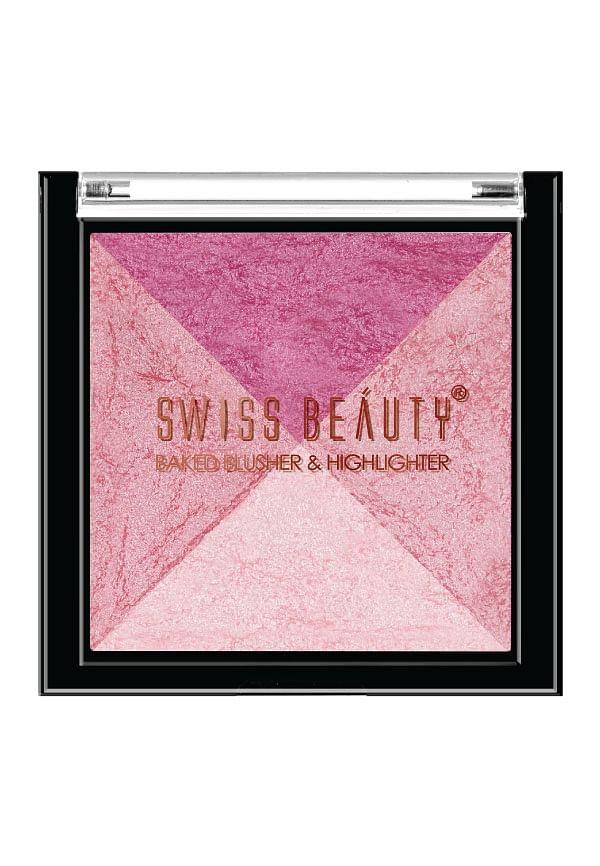 7 gm
7 gmBaked Blusher & Highlighter
Exfoliate and moisturise your lips before applying any colour. Use a lip liner that matches your natural lip colour or your lipstick to define the shape and prevent bleeding. Apply lipstick with a brush for precision, or straight from the tube for a more casual look.
This is where many people go wrong—trying to do everything at once. Choose one feature to be the focus. If you're wearing a bold red lip, keep the eyes simple with just mascara and maybe a neutral eyeshadow. Dramatic smoky eyes pair better with nude or berry lips.
You've put in all this work—now let's make sure it stays put. The right setting techniques can mean the difference between makeup that lasts all day and makeup that's sliding off by lunchtime.
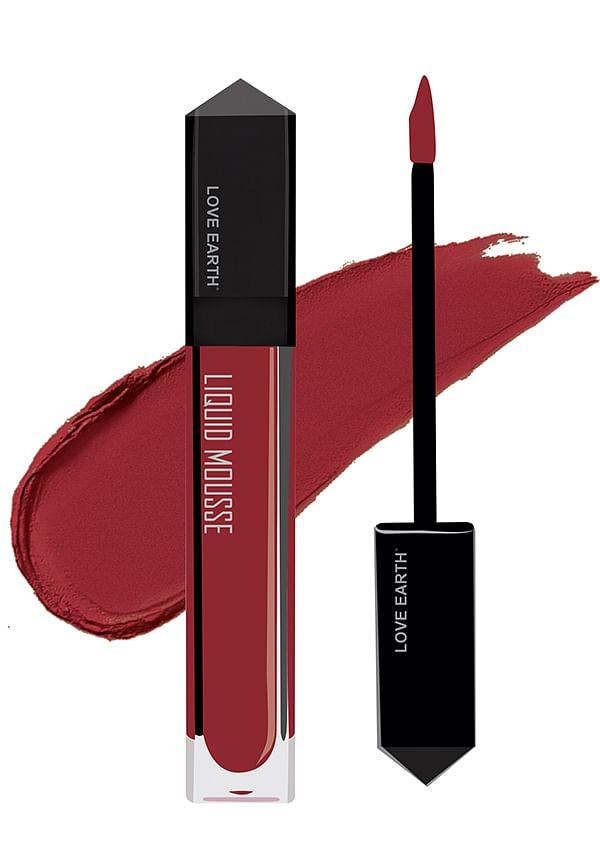 6 ml
6 mlLiquid Lipstick
Powder sets specific areas and controls oil, whilst setting spray locks everything in place and helps makeup look more skin-like. Use powder sparingly on areas that get oily, then finish with a light mist of setting spray held about 20cm from your face.
Don't powder your entire face unless you want a matte finish everywhere. Focus on the T-zone, under-eye area, and anywhere you tend to get shiny. For the rest of your face, setting spray alone will maintain that natural, skin-like finish.
Step back and look at your makeup in different lighting. Check for any harsh lines, uneven blending, or areas that need a bit more coverage. Use a clean, fluffy brush to soften any edges and blend everything seamlessly together. This is where platforms like Smytten become invaluable for makeup for beginners and seasoned enthusiasts alike. With access to trial-sized products from trusted brands like Renee and Dot & Key, you can experiment with different formulas and shades without committing to full-size products. Whether you're testing a new foundation shade or trying out a different contouring technique, having the right products to practice with makes all the difference.
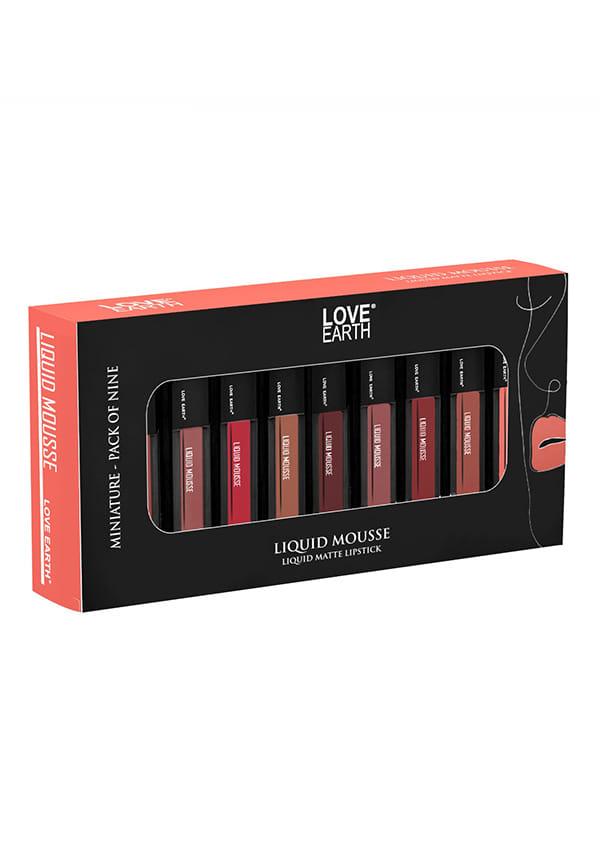 Pack Of 9
Liquid Mousse Lipstick
Even with the best techniques, things can go wrong. Here's how to fix the most common issues that prevent you from achieving that perfect finish.
If your foundation looks cakey, you've likely applied too much or your skin wasn't properly prepped. Use a damp beauty sponge to press and blend the foundation, which will remove excess product and smooth out the texture. For uneven coverage, spot-conceal rather than adding more foundation all over.
Foundation that changes colour throughout the day is usually due to oxidation—a reaction between the makeup and your skin's natural oils. Choose oil-free formulas if you're prone to this, and always test new foundations for a few hours before committing. If oxidation happens, use a setting powder with a slightly cooler undertone to counteract the colour change.
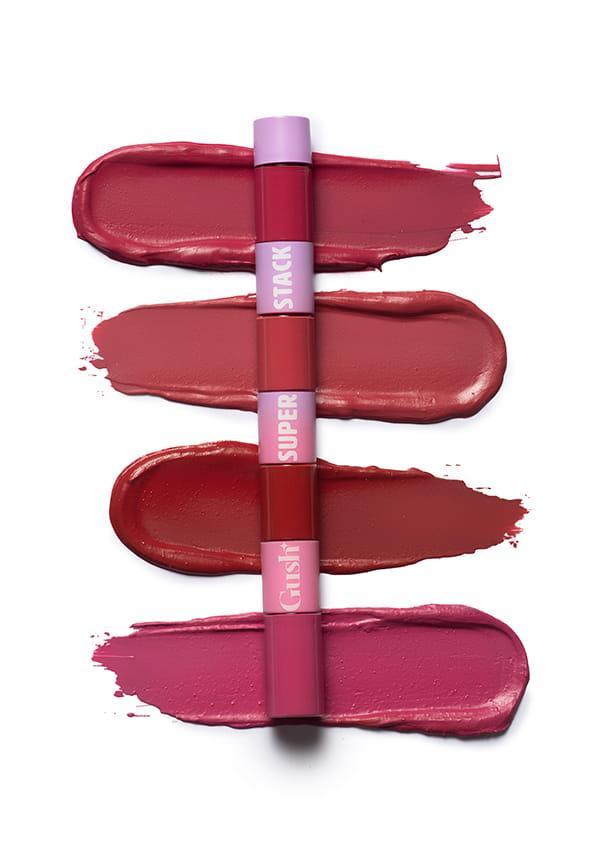 8.4ml
8.4mlSuper stack
Keep a small concealer and powder compact for touch-ups. For smudged mascara or eyeliner, use a cotton bud with a tiny bit of makeup remover to clean up the area, then reapply. For faded lipstick, blot, reapply, and blot again for longer-lasting colour.
What looks perfect in your bathroom mirror might look completely different in office lighting or outdoor settings. Practice your makeup routine in the lighting where you'll spend most of your day. Generally, natural light is the most flattering and accurate for makeup application.
Start with clean, moisturised skin, apply primer, use lightweight foundation with a stippling technique, conceal strategically, set with powder only where needed, add your eye and lip makeup, then finish with setting spray. The key is building coverage gradually rather than applying everything heavily at once.
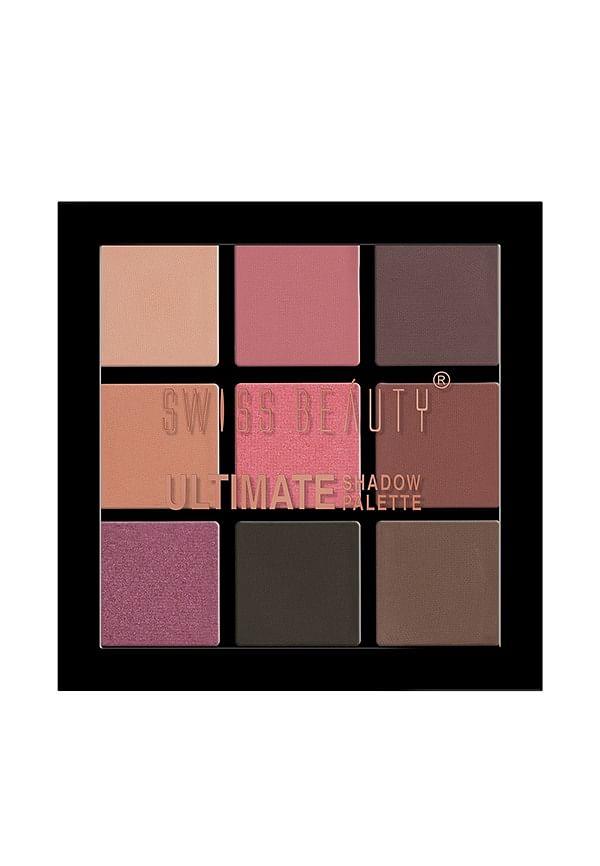 6 gm
6 gmUltimate Eyeshadow Palette
Proper prep work is crucial—clean skin, moisturiser, and primer create the perfect base. Use thin layers of product, set strategically with powder and setting spray, and choose formulas that work with your skin type rather than against it.
Start with the basics: a good foundation match, concealer, mascara, and a neutral lip colour. Practice blending techniques with affordable products or trial sizes before investing in expensive makeup. Focus on enhancing your natural features rather than completely transforming your face.
Invest in a few quality brushes: a foundation brush or beauty sponge, a fluffy powder brush, and a blending brush for eyeshadow. Clean tools regularly to prevent bacteria buildup and ensure smooth application.
Test foundation on your jawline in natural light, and choose the shade that disappears into your skin. Don't be afraid to mix two shades if you're between colours, and remember that your skin tone can change with the seasons.
Achieving a flawless makeup look isn't about perfection—it's about enhancing what you've already got with the right techniques and products. The foundation of great makeup is literally your foundation: proper skin prep, the right shade match, and application techniques that work with your skin, not against it. Remember that practice makes progress, not perfection. Every face is unique, so what works for your favourite beauty influencer might need tweaking for you. Start with the basics, master those techniques, then gradually add more complex elements like contouring and dramatic eye looks. The beauty of makeup is that it's completely removable—so don't be afraid to experiment. With platforms like Smytten offering trial-sized products from over 1,500 trusted brands, you can explore different formulas, shades, and techniques without the commitment of full-size purchases. Whether you're discovering your perfect foundation match or trying out new makeup techniques, having access to mini versions means you can build your skills and find your signature look without breaking the bank. After all, why settle for 'maybe' when you can try it all and find what truly works for you?
