7 Pro Tips for Perfect Blush Application
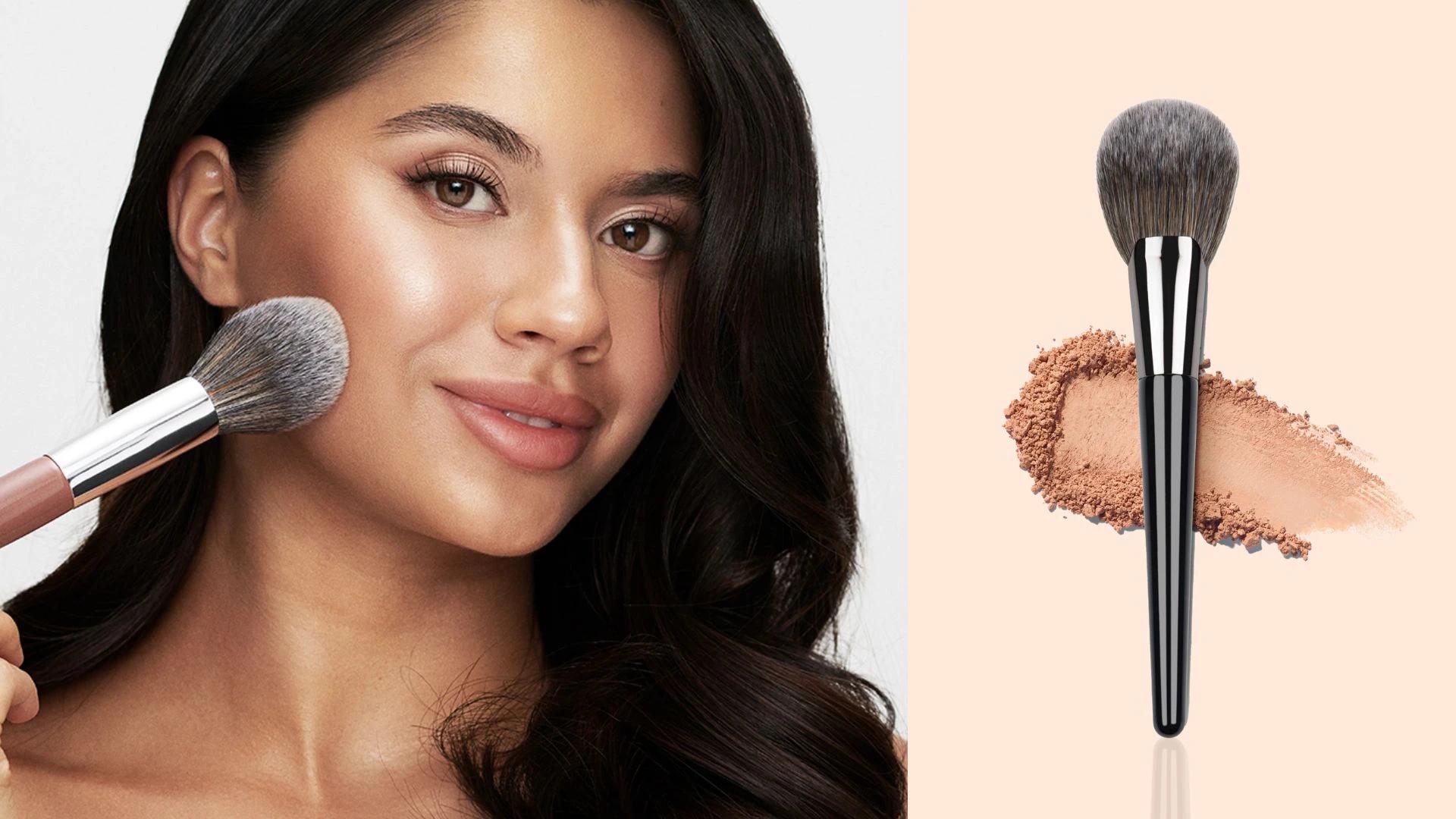

Let's be real—blush can make or break your entire makeup look. You might have the perfect foundation and killer eye makeup, but if your blush placement is off, everything feels a bit meh. Here's the thing: most of us learned how to apply blush from watching someone else do it (probably in questionable lighting), and we've been winging it ever since. But what if we told you that mastering the art of blush application could completely transform how your makeup looks? This comprehensive blush application guide breaks down seven professional techniques that'll have you applying blush like a proper makeup artist. From understanding your face shape to choosing the right tools, we're covering everything you need to know for that perfect flush.
Before diving into the pro tips, let's talk about the basics that'll set you up for success. Think of this as your foundation knowledge—without understanding the different types of blush and tools available, even the best techniques won't give you the results you're after.
Powder blush is your reliable mate for most situations. It's brilliant for oily skin because it absorbs excess oil and tends to last longer throughout the day. The buildable coverage means you can go from subtle to dramatic without much fuss.
Cream blush is worth obsessing over if you've got dry skin or want that dewy, natural finish. It blends seamlessly into your skin and gives you that lit-from-within glow. Plus, it's perfect for creating a natural blush look that doesn't look like you're wearing makeup at all.
Liquid blush offers the best of both worlds—buildable coverage with a lightweight feel. It's particularly good for beginners because it's harder to overdo, and the blending time is more forgiving.
Gel blush gives you that fresh-faced, dewy finish that looks like you've just been for a brisk walk. It's brilliant for no-makeup makeup days when you want to look naturally flushed.
Your blush brush guide starts with understanding that different brushes create different effects. A fluffy, dome-shaped brush gives you soft, diffused colour that's perfect for everyday wear. Angled brushes help you follow your cheekbone structure for more precise placement, whilst stippling brushes are brilliant for building up colour gradually.
For cream formulas, your fingers can actually be your best tool. The warmth helps blend the product seamlessly into your skin. However, a damp beauty sponge works wonders too, especially if you want to avoid any streakiness.
Here's something that might surprise you—your blush application actually starts before you even touch the blush itself. The prep work you do beforehand determines whether your blush will look seamless or patchy, last all day or fade by lunchtime.
Always apply your foundation and concealer first. This creates an even canvas and ensures your blush colour shows up true to what you see in the pan. If you apply blush to bare skin and then add foundation over it, you'll end up with muddy, uneven colour that looks anything but natural.
Setting your base with a light dusting of translucent powder is crucial, especially if you're using powder blush. This prevents the blush from grabbing onto any tacky spots in your foundation and creating patches. Think of it as creating the perfect surface for your blush to glide over smoothly.
If you're using cream or liquid blush, you can skip the powder step on your cheeks specifically. The slight tackiness of your foundation will actually help the cream blush blend more seamlessly.
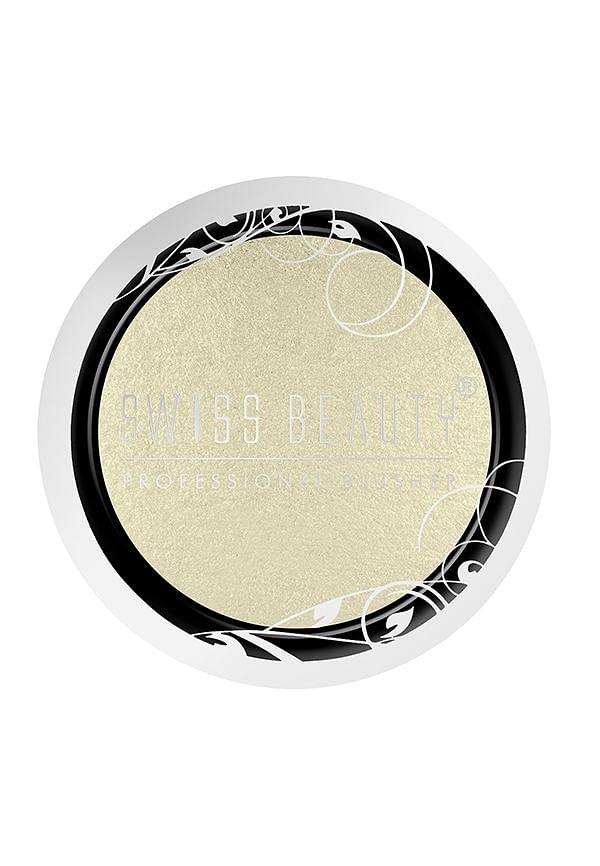 6 gm
6 gmProfessional Blusher
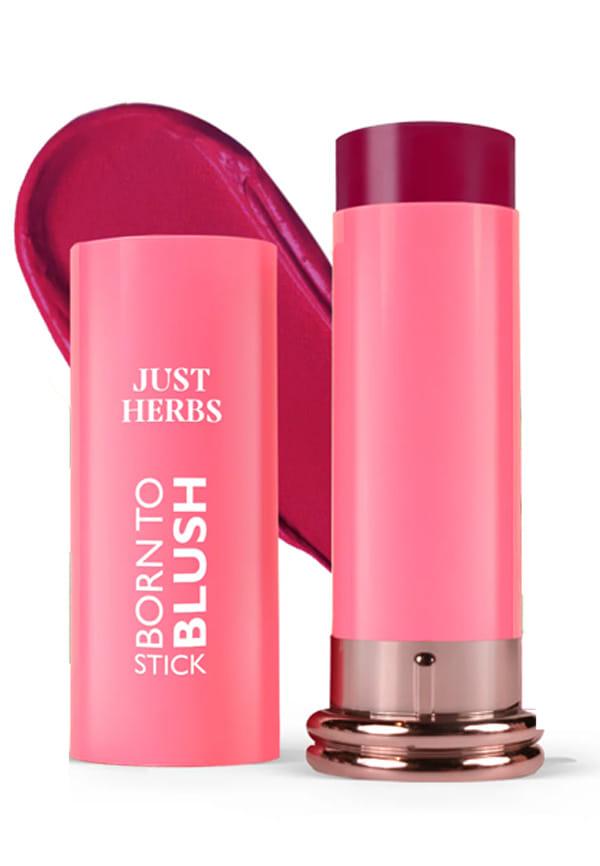 14g
14gBorn To Blush
This is where things get interesting—blush placement isn't one-size-fits-all. Your face shape determines where blush will look most flattering, and understanding this can completely change how your makeup looks.
If you've got an oval face, you're pretty lucky because most placement techniques will work for you. Focus on the apples of your cheeks and blend outward toward your temples. This enhances your natural bone structure without changing your face's proportions.
For round faces, place your blush higher up on your cheekbones and blend upward toward your temples. This creates a lifting effect that adds definition and makes your face appear more angular. Avoid placing blush too low on the apples of your cheeks, as this can emphasise roundness.
Square faces benefit from upward sweeping motions that soften angular jawlines. Apply blush to the apples of your cheeks and blend upward and outward in a C-shape motion. This creates curves that balance out strong, angular features.
If you have a heart-shaped face, place blush lower on your cheeks, closer to your jawline. This adds width to the lower portion of your face and balances out a wider forehead.
The classic apple placement works brilliantly for a youthful, fresh look. Smile and apply blush to the rounded part of your cheeks that pops up. This mimics a natural flush and gives you that healthy glow.
For a more sculpted, mature look, focus on your cheekbones instead. Apply blush along the cheekbone and blend upward toward your temples. This technique is particularly flattering for evening looks or when you want more definition.
Now for the actual how to apply blush bit—this is where technique really matters. The way you load your brush, the direction you blend, and the pressure you use all affect the final result.
Start by tapping your brush into the blush, then tap off any excess on the back of your hand. This prevents you from applying too much product at once, which is the quickest way to end up looking like you've been slapped.
Apply the blush using upward and outward motions, following the natural curve of your cheekbone. Think of it as painting with light, feathery strokes rather than pressing the colour into your skin.
The key to seamless blending is to work in thin layers. It's much easier to build up colour gradually than it is to tone down an overly intense application. Take your time and step back frequently to assess the colour payoff.
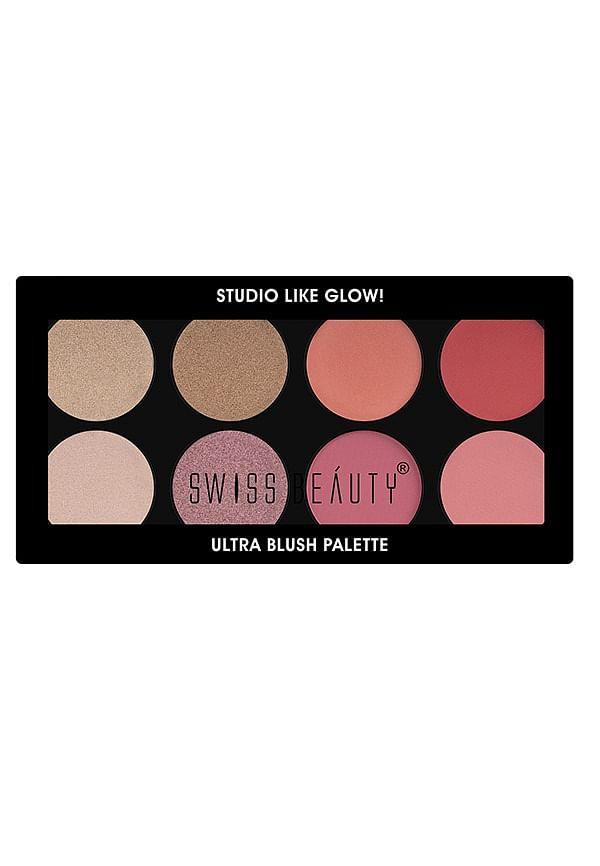 16 gm
16 gmUltra Blush Palette
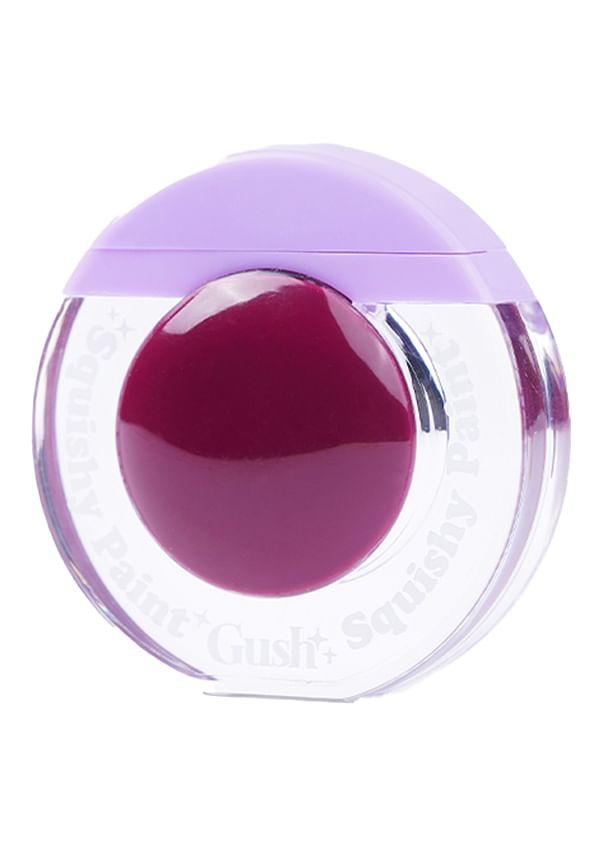 15 gm
15 gmSquishy Blush
Start with barely any product on your brush—seriously, less than you think you need. You can always add more, but removing excess blush is much trickier. Build the colour up slowly, checking your progress in natural light if possible.
If you do go overboard, don't panic. A clean, fluffy brush can help diffuse harsh edges, or you can lightly dust translucent powder over the area to tone down the intensity.
Colour selection can make or break your blush game. The best blush colors for you depend on your skin tone, undertones, and the overall look you're going for.
For fair skin tones, soft pinks, peaches, and light corals work beautifully. These shades enhance your natural colouring without overwhelming your complexion. Avoid anything too deep or orange-based, as it can look harsh.
Medium skin tones can handle a wider range of colours. Warm peachy pinks, berry tones, and deeper corals all look stunning. You can also experiment with plum and mauve shades for evening looks.
Deep skin tones look incredible in rich berries, deep plums, and warm brick tones. These colours show up beautifully and complement the natural richness of deeper complexions. Don't be afraid to go bold—your skin can handle more intensity than you might think.
Your blush should complement, not compete with, your lip colour. If you're wearing a bold lip, keep your blush more subdued. Conversely, if you're going for a natural lip, you can afford to be a bit more adventurous with your blush.
Consider the time of day and occasion too. Daytime calls for more natural, subtle shades, whilst evening looks can handle deeper, more dramatic colours.
The natural blush look is all about mimicking the flush you get naturally when you're happy, excited, or slightly embarrassed. It should look like it's coming from within your skin, not sitting on top of it.
Think about where you naturally flush—usually the apples of your cheeks and sometimes extending to your nose and temples. Applying blush to these areas creates the most convincing natural effect.
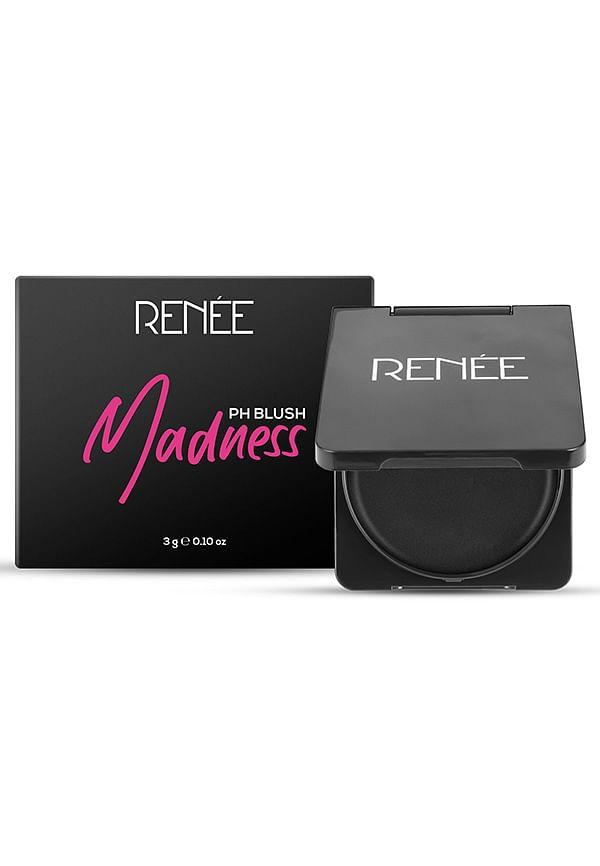 3 gm
3 gmMadness pH Blush
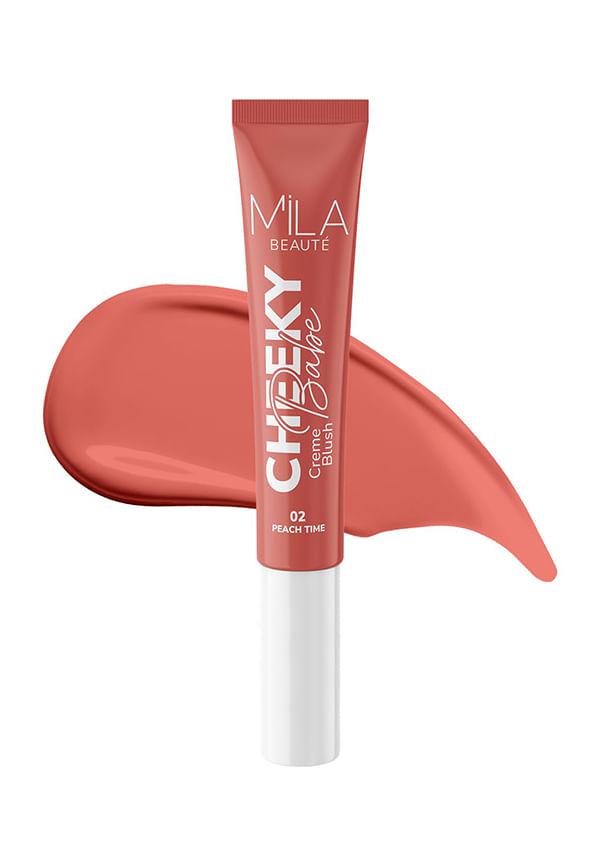 8 ml
8 mlCheeky Babe Creme Blush
The key is seamless blending. There should be no visible edges or lines where the blush starts and stops. Use a clean, fluffy brush to diffuse any harsh edges and create that gradient effect.
For the most natural-looking result, try layering different textures. Start with cream blush application as your base—this gives you that lit-from-within glow. Then, lightly dust a similar-toned powder blush over the top for longevity.
Setting your blush with a light mist of setting spray helps lock everything in place whilst maintaining that natural, skin-like finish.
Ready to level up your blush game? These blush makeup tips will help you achieve more sophisticated looks and fix common application mistakes.
The draping technique involves applying blush from the apples of your cheeks up toward your temples and even onto your forehead. This creates a cohesive, sun-kissed effect that's particularly stunning for evening looks.
Multi-colour blush application involves using two complementary shades—a lighter one on the apples and a deeper one along the cheekbones. This adds dimension and creates a more sculpted effect.
If your blush looks muddy, it's usually because you've applied it over foundation that hasn't been properly set, or you're using a dirty brush. Always use clean tools and ensure your base is set before applying blush.
Patchy application often happens when you're working too quickly or using too much product at once. Slow down, use less product, and build up gradually.
Different occasions call for different blush techniques. What works for a casual day out might not photograph well or last through a long evening event.
Daytime blush should be subtle and natural-looking. Use lighter shades and apply with a gentle hand. The goal is to look healthy and awake, not made-up.
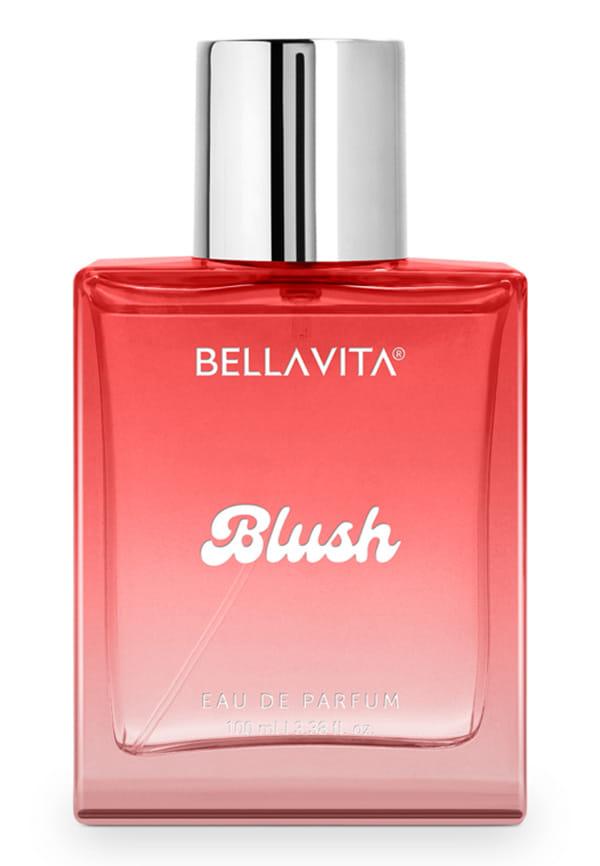 100 ml
Blush Perfume
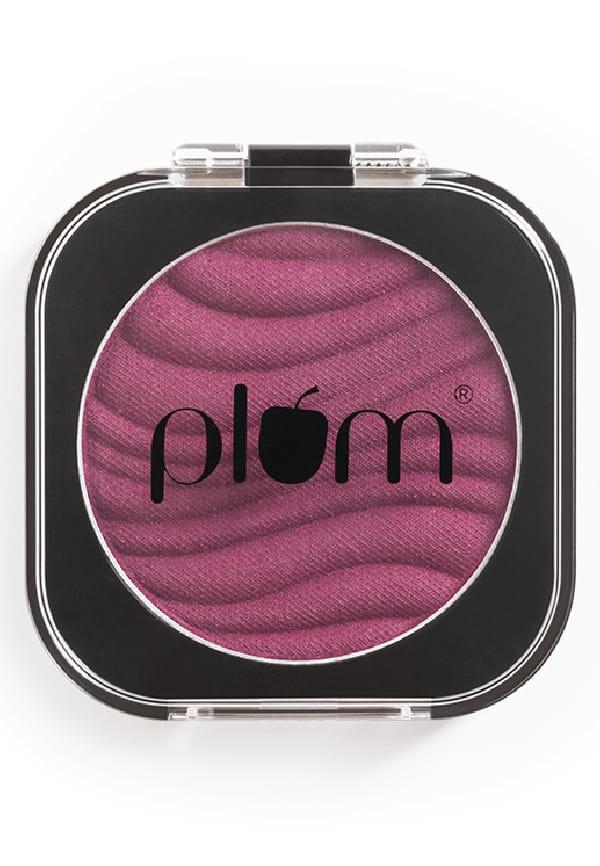 4.5 gm
Cheek-A-Boo Matte Blush
Evening looks can handle more intensity and drama. You can use deeper colours and apply them more boldly. Remember that artificial lighting can wash out colour, so don't be afraid to go a bit stronger than you would during the day.
Summer calls for peachy, coral tones that complement a sun-kissed complexion. Winter is perfect for deeper berries and plums that complement the season's richer colour palette.
Current trends lean toward cream and liquid formulas that give that dewy, natural finish. The key is adapting trends to suit your personal style and colouring.
When you're experimenting with different shades and techniques, Smytten's curated trial packs make it easy to try new blush formulas without committing to full-size products. With over 1,500 trusted brands available, you can discover your perfect blush match through mini-sized products that let you test everything from cream to powder formulas.
Start with a clean, set base. Load your brush lightly with product, tap off excess, and apply to the apples of your cheeks or along your cheekbones depending on your desired look. Blend upward and outward using gentle, circular motions. Build colour gradually and check your progress frequently.
The most common mistakes include applying too much product at once, not blending properly, using dirty brushes, placing blush too low on the face, and not considering your face shape when choosing placement.
The two finger rule suggests that blush should be applied no closer than two finger widths from your nose. This prevents the colour from looking too central and ensures a more natural, flattering placement.
With proper application and setting, blush should last 6-8 hours. Powder formulas typically last longer than cream or liquid formulas. Using a primer and setting spray can extend wear time.
Yes, you can apply blush over powder foundation. In fact, this often gives the most seamless result with powder blush. Just ensure your foundation is evenly applied and not too heavy, as this can cause the blush to look patchy.
Mastering blush application is one of those skills that genuinely transforms your entire makeup routine. Once you understand your face shape, choose the right colours, and nail the application technique, you'll wonder how you ever did your makeup without this knowledge.
Remember, the best blush application is the one that makes you feel confident and beautiful. These seven pro tips give you the foundation to experiment and find what works best for your unique features and style. Don't be afraid to try different techniques, colours, and formulas until you find your perfect combination.
The beauty of makeup is that it's all about experimentation and finding what makes you feel your best. Whether you prefer a subtle, natural flush or a bold, dramatic statement, these techniques will help you achieve professional-looking results every time. Practice makes perfect, so grab your brushes and start experimenting—your perfect blush look is waiting to be discovered.
