7 Pro Face Contouring Techniques for Beginners

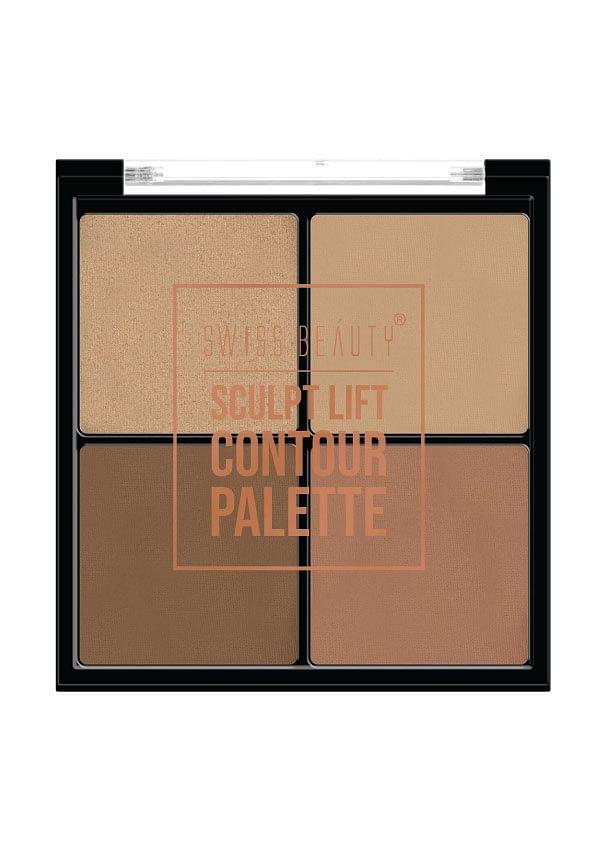 14 gm
14 gmSculpt Lift Contour Palette
Face contouring techniques can completely transform your look, but let's be real—it doesn't have to be as intimidating as those Instagram tutorials make it seem. Whether you're just starting your makeup journey or looking to refine your skills, mastering the art of face contouring is all about understanding your unique features and working with them, not against them. The good news? You don't need a makeup artist's toolkit or years of practice to achieve that naturally sculpted look. With the right contouring for beginners approach and these seven professional techniques, you'll be creating shadows and highlights like a pro in no time.
Before diving into specific techniques, it's worth understanding what face sculpting actually does. Contouring uses the power of light and shadow to enhance your natural bone structure, creating the illusion of more defined cheekbones, a sharper jawline, or a slimmer nose. Think of it as strategic shading that works with your face's natural contours rather than fighting them.
The science behind contouring is surprisingly simple. Darker shades recede and create shadows, whilst lighter shades bring features forward and add dimension. When applied correctly, these contrasts mimic natural shadows that would occur with different lighting angles.
One common confusion amongst beginners is the difference between bronzer vs contour. Bronzer adds warmth and mimics a sun-kissed glow, typically in golden or warm brown tones. Contour, however, creates shadows using cooler, greyish-brown tones that look more like natural shadows.
When it comes to the best contour products, you've got three main options: powders, creams, and sticks. Powder contours are most beginner-friendly as they're easier to blend and build gradually. Cream contours offer more precision but require quicker blending before they set.
Your contour brush choice matters too. An angled brush works brilliantly for precise application, whilst a fluffy blending brush helps soften harsh lines. A damp beauty sponge is your best friend for seamless blending.
Proper preparation makes all the difference in achieving professional-looking results. Start with a smooth base using primer, foundation, and concealer in that order. Your contour shade should be about one to two shades darker than your natural skin tone, but crucially, it should have cool undertones to mimic real shadows.
Natural lighting is your best friend when applying contour makeup. Artificial lighting can be deceiving, so try to work near a window when possible. Take time to study your face in the mirror—everyone's bone structure is different, and understanding yours is key to successful contouring.
Now for the main event—these seven techniques will give you a complete contouring guide that covers every area of your face. Remember, the goal is enhancement, not transformation, so start light and build gradually.
Finding your cheek hollows is easier than you think. Suck in your cheeks slightly and feel for the natural indentation—that's where your contour goes. Apply the product from your ear towards the middle of your cheek, stopping about halfway to your mouth.
Blend upwards and outwards using circular motions. The key is to keep the colour in the hollow, not on the actual cheekbone. This creates natural-looking depth without the dreaded muddy stripe effect.
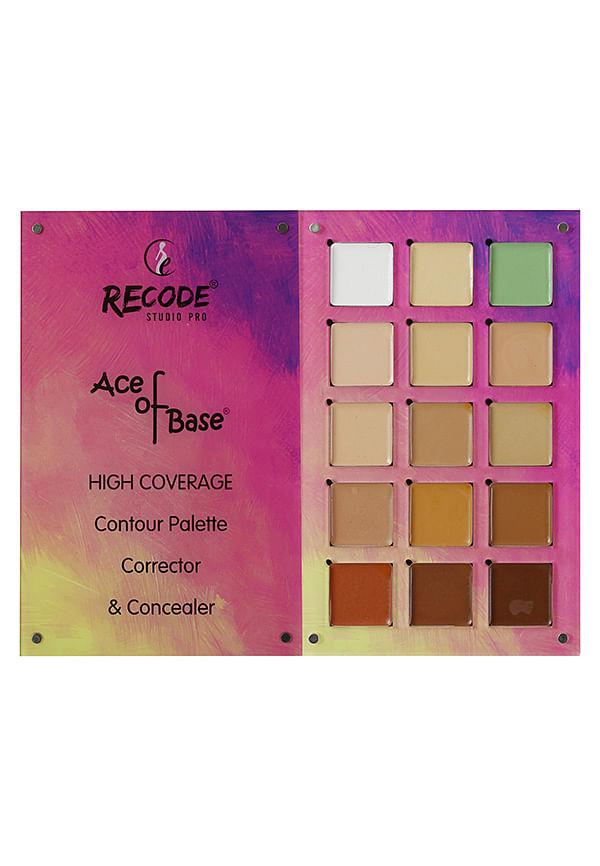 52 gm
52 gmAce of Base High Coverage Contour, Corrector & Concealer Palette
For jawline definition, apply contour along the underside of your jawbone from ear to chin. This face sculpting technique creates the illusion of a more defined jaw and can help minimise the appearance of a double chin.
Blend downwards towards your neck to avoid harsh lines. The goal is to create a subtle shadow that looks natural from every angle.
Nose contouring requires a light touch. Draw two straight lines from the inner corners of your eyebrows down to the tip of your nose, staying within the natural shadows on either side.
For a slimmer appearance, keep the lines closer together. For a straighter nose, ensure the lines are perfectly parallel. Always highlight down the bridge to balance the shadows.
Apply contour along your hairline and temples to create natural shadows. This technique is particularly effective for reducing the appearance of a large forehead or adding dimension to a flat forehead.
Blend the product into your hairline for the most natural finish. The temples are often forgotten but are crucial for connecting your cheek and forehead contour seamlessly.
Very lightly apply contour in the natural hollow under your eye, blending towards your temple. This adds depth and can make your eyes appear larger and more defined.
Be extremely gentle in this area—the skin is delicate, and less is definitely more. Focus on enhancing the natural shadow rather than creating a dramatic effect.
Apply a small amount of contour under your chin and blend downwards onto your neck. This creates the illusion of a more defined jawline and elongates your neck.
These makeup contouring tips work particularly well for photography, where the camera can flatten facial features. The key is ensuring there are no visible lines where your face meets your neck.
Once you've applied contour to individual areas, step back and assess the overall balance. Use a large, fluffy brush to lightly blend all the contoured areas together, ensuring they flow naturally into one another.
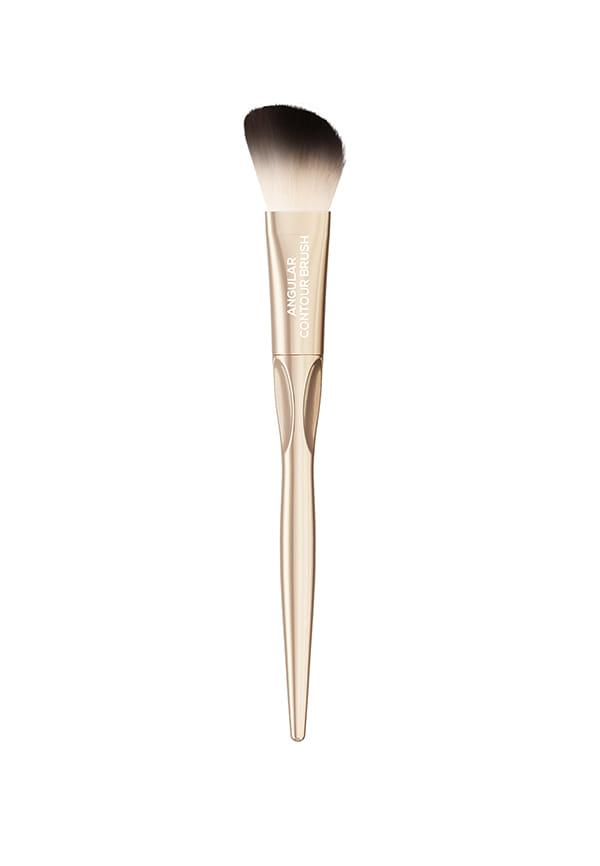 1N
1NPRO Angular Contour Brush
Check your work in different lighting conditions. What looks perfect in your bathroom mirror might appear too heavy in natural light, so adjust accordingly.
Understanding contouring techniques for different face shapes is crucial for achieving the most flattering results. Each face shape has unique characteristics that can be enhanced or balanced through strategic contouring.
For round faces, focus on the temples and jawline to create more angular definition. Square faces benefit from softening the corners of the forehead and jaw. Oval faces are naturally balanced, so light contouring enhances existing proportions.
Heart-shaped faces should focus on balancing a wider forehead with chin contouring, whilst long faces benefit from horizontal contouring to create width. Diamond faces can soften prominent cheekbones with strategic blending.
The difference between amateur and professional-looking contouring often comes down to blending technique. When learning how to contour, remember that blending is just as important as application.
Use circular motions with a damp beauty sponge or fluffy brush to soften any harsh lines. Work in thin layers, building intensity gradually rather than applying too much product at once.
The "less is more" principle applies here—you can always add more, but removing excess product is much trickier. Take breaks during application to assess your progress with fresh eyes.
Set your contour with a light dusting of translucent powder to ensure it lasts all day. For special occasions or long wear, consider using a setting spray designed for makeup longevity.
Climate and skin type affect how your contour wears throughout the day. Oily skin might need more powder setting, whilst dry skin benefits from cream contours that won't emphasise texture.
Even with the best intentions, contouring can go wrong. The most common mistake is applying too much product or choosing the wrong shade. If your contour looks muddy, it's likely too warm-toned or you've applied too much.
 1 Piece
Stay Sharp Contour Brush
If you've gone too heavy, use a clean, damp sponge to lift excess product. For patchy application, go back in with a small amount of foundation to even things out, then reapply contour more lightly.
Wrong shade selection is easily fixed—if your contour looks orange or muddy, try a cooler-toned shade. Remember, contour should look like a natural shadow, not a stripe of colour.
Start with a light hand and build gradually. Apply contour to the natural shadows of your face—under cheekbones, along the jawline, and at the temples. Blend thoroughly using circular motions with a damp sponge or fluffy brush.
Absolutely! Daily contouring can be much lighter than evening looks. Focus on one or two areas rather than full-face contouring for a natural, everyday enhancement.
This simplified technique focuses on three key areas: cheekbones, jawline, and nose. It's perfect for beginners who want definition without complexity.
Bronzer adds warmth and mimics a tan, whilst contour creates shadows using cooler tones. Bronzer goes where the sun naturally hits, contour goes in natural shadow areas.
No, these serve different purposes. Contour should be matte and cool-toned, whilst highlighter should be light and often has shimmer to catch light.
Mastering these seven face contouring techniques takes practice, but the results are worth it. Start with one technique at a time rather than attempting a full face immediately. Remember, the goal is to enhance your natural features, not create entirely new ones.
The beauty of learning proper contouring lies in experimentation and finding what works for your unique face shape. With platforms like Smytten, you can try different contour products without committing to full sizes, making it easier to discover your perfect shade and formula. Smytten's curated trial packs let you explore various brands and products, so you can find your ideal contour match before investing in full-size versions.
Practice makes perfect, so don't be discouraged if your first attempts don't look Instagram-ready. Even professional makeup artists started as beginners. The key is understanding your face, choosing the right products, and developing your blending technique through consistent practice.
