7 Easy Face Contouring Tricks for Beginners

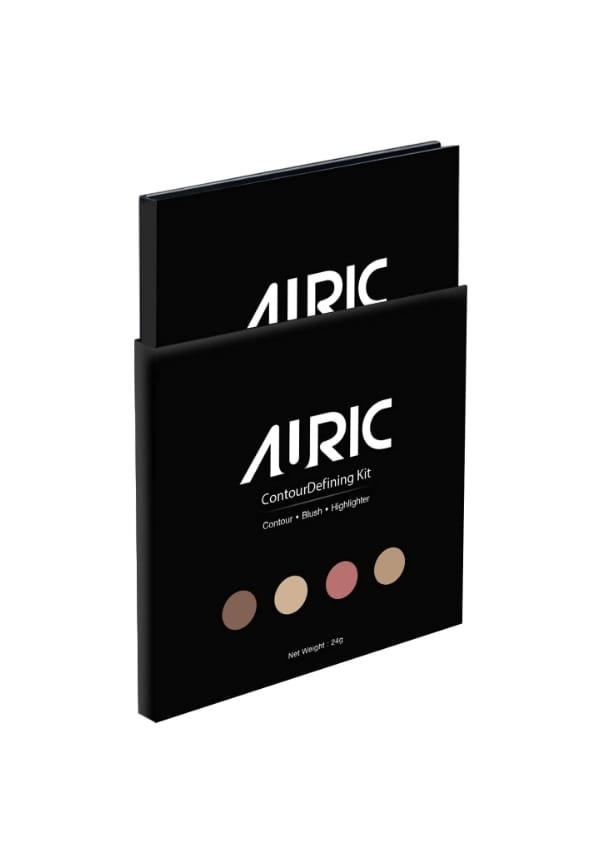 1 Unit
Contour Defining Kit
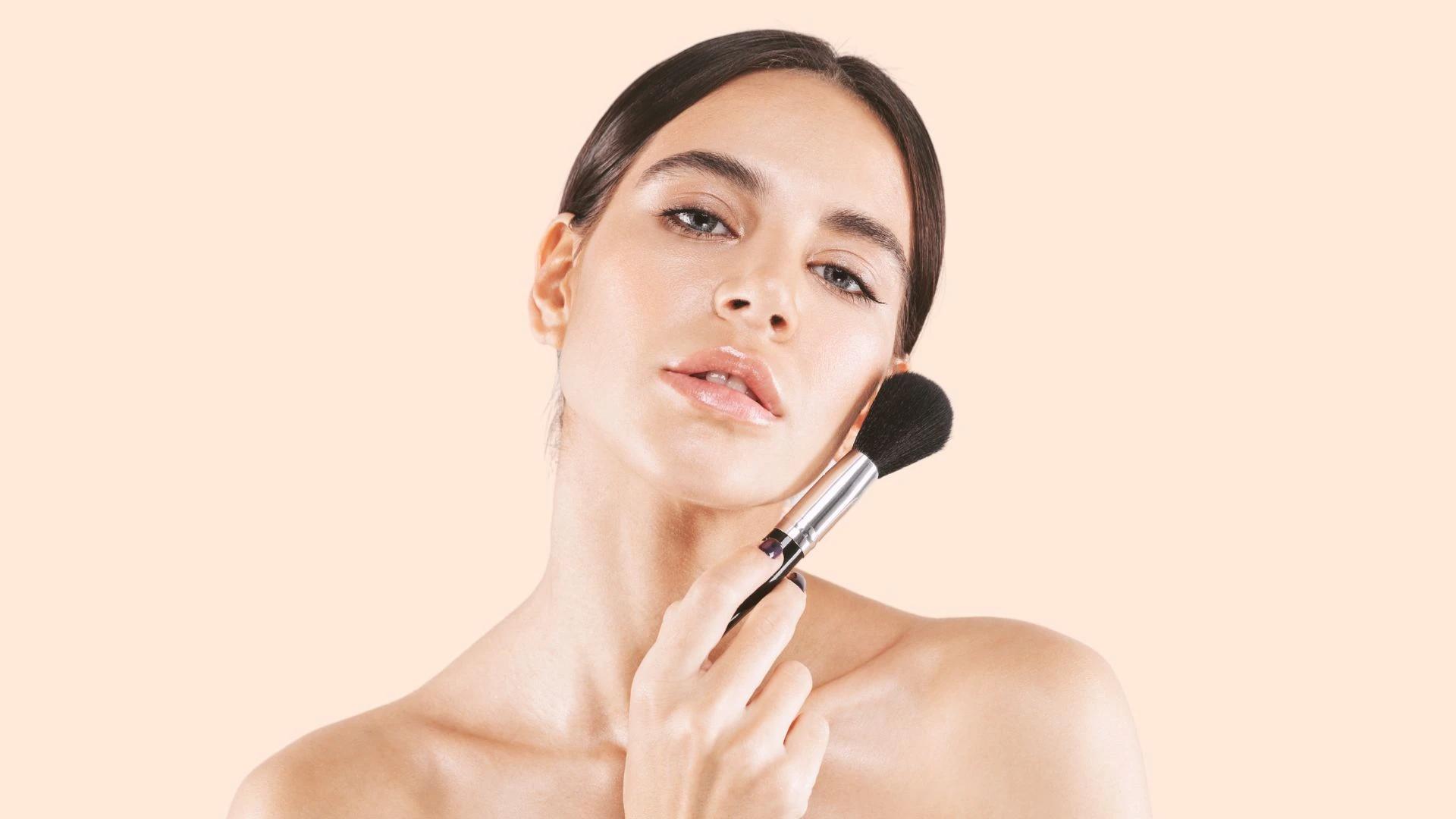
Face contouring might seem like rocket science when you're scrolling through those flawless Instagram tutorials, but here's the real talk—it's actually way more approachable than you think. This contouring guide for beginners breaks down everything into bite-sized, doable steps that won't leave you looking like you've been in a makeup mishap. Whether you're completely new to contour makeup or you've tried before and ended up looking a bit too dramatic, these seven easy tricks will help you nail that natural, sculpted look without the stress. Let's dive into the world of face contouring and discover how simple tweaks can make all the difference.
Face contouring is basically the art of using makeup to create shadows and highlights that enhance your natural bone structure. Think of it as strategic shading—you're using darker shades to recede certain areas and lighter ones to bring others forward. The magic happens when you blend everything seamlessly, creating the illusion of more defined cheekbones, a slimmer nose, or a sharper jawline. For beginners, contouring techniques can feel overwhelming because there's so much conflicting advice out there. Some tutorials make it look like you need a full face transformation, but that's not what we're going for here. Natural-looking contouring is about subtle enhancement, not complete reconstruction. The beauty of starting with basic techniques is that you can build your skills gradually without committing to anything too dramatic. The biggest mistake beginners make? Going too heavy, too fast. When you're learning how to contour, it's tempting to use a shade that's way too dark or apply too much product at once. This usually results in muddy-looking makeup that's more obvious than flattering. Starting with these beginner-friendly tricks means you'll develop good habits from day one.
Before we jump into the actual techniques, let's sort out what you actually need in your makeup kit. The good news? You don't need to break the bank or buy twenty different products to get started with easy contouring.
Here's the golden rule for picking your contour shade: it should be about two shades deeper than your natural skin tone, but with a cool undertone. Think of the natural shadows on your face—that's the vibe you're going for. Avoid anything too warm or orange-toned, as this can look muddy rather than like a natural shadow. Cream contour products are often more forgiving for beginners because they blend more easily and give you more working time. Powder contours can be trickier to blend but offer more precision once you get the hang of it.
You don't need a full brush collection to start. A fluffy, angled brush works brilliantly for powder contour, whilst a damp beauty sponge is perfect for blending cream products. If you're on a budget, even your fingers can work for cream contouring—just make sure they're clean. A small, dense brush is handy for more precise areas like the nose, whilst a larger, fluffier brush helps with blending and diffusing harsh lines. The key is having tools that help you blend seamlessly rather than leave obvious lines.
Starting your contouring journey doesn't require splashing out on high-end products. Many drugstore brands offer excellent contour makeup options that work just as well as their pricier counterparts. Look for matte formulas without shimmer or glitter—you want to create realistic shadows, not sparkly ones. Multi-use products are your friend when you're beginning. A matte bronzer that's slightly deeper than your skin tone can double as a contour shade, and a concealer one shade lighter than your foundation works perfectly as a highlight.
Understanding your face shape takes the guesswork out of where to apply your contour. This isn't about changing your face completely—it's about enhancing what you've already got and creating balance.
Pull your hair back and look at your face straight-on in the mirror. Round faces have soft curves with similar width and length. Square faces have a strong jawline with similar width at the forehead and jaw. Heart-shaped faces are wider at the forehead and narrow at the chin. Oval faces are longer than they are wide with gently curved edges.
For round faces, focus on the outer edges—contour along the hairline, under the cheekbones, and along the jawline to create more definition. Square faces benefit from softening the angles by contouring the corners of the forehead and jawline. Heart-shaped faces look balanced when you contour the temples and add some definition under the cheekbones whilst highlighting the chin area. Oval faces are naturally balanced, so you can focus on enhancing your existing bone structure rather than trying to change proportions. A light contour under the cheekbones and along the jawline usually does the trick.
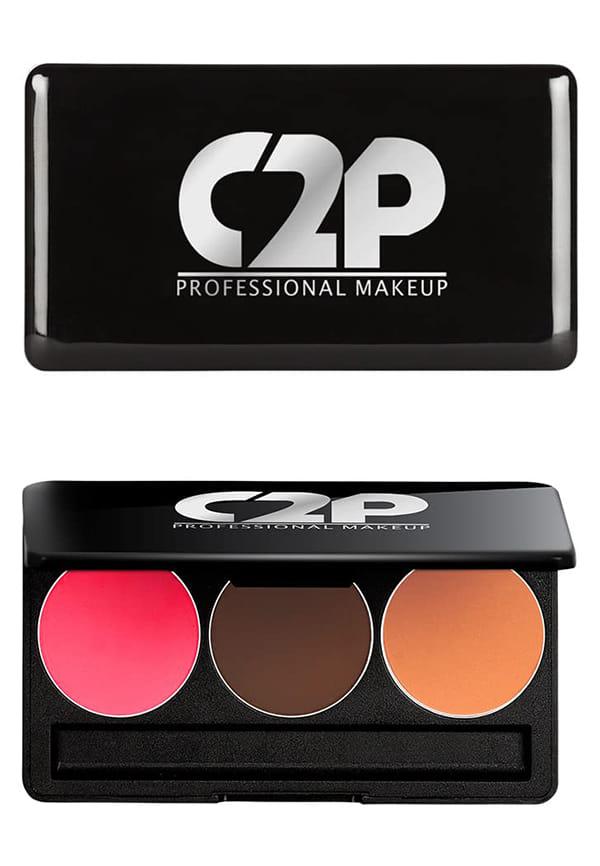 13 gm
13 gmBasic Trio 1 (Blusher & Contour)
Regardless of your face shape, there are certain areas that almost everyone can contour for a more defined look. The hollows under your cheekbones, the sides of your nose, and the perimeter of your forehead are safe bets for most people. These areas naturally have some shadow anyway, so you're just enhancing what's already there.
Now for the main event—the seven game-changing tricks that will transform your contouring tutorial experience from stressful to enjoyable.
Start with way less product than you think you need. You can always build up, but taking away excess product is much trickier. Apply your contour in thin layers, checking your progress in natural light if possible. This approach prevents that obvious, stripe-like appearance that screams "I'm wearing contour."
Instead of dragging your brush or sponge back and forth, use gentle circular motions to blend your contour. This technique helps the product melt into your skin rather than sitting on top of it. The circular motion also prevents harsh lines and creates a more natural gradient.
Dab a small amount of cream contour onto the back of your hand before applying it to your face. This warms up the product slightly and gives you better control over how much you're picking up with your brush or sponge. It's also easier to see exactly how much product you're working with.
This might be the most important tip in any makeup contouring guide. Begin with a shade that's barely darker than your skin tone and gradually build up the intensity. It's much easier to add more depth than to tone down an overly dramatic contour.
Don't try to contour your entire face at once. Start with your cheekbones, blend them perfectly, then move on to the next area. This prevents the product from drying or setting before you've had a chance to blend it properly, and it helps you maintain control over the final result.
Instead of drawing long lines of contour, apply small dots of product along the areas you want to contour, then blend them together. This gives you more control and prevents accidentally applying too much product in one spot.
Once you're happy with your contour, lightly dust translucent powder over the top to set everything in place. This step is especially important if you're using cream products, as it prevents them from moving around throughout the day.
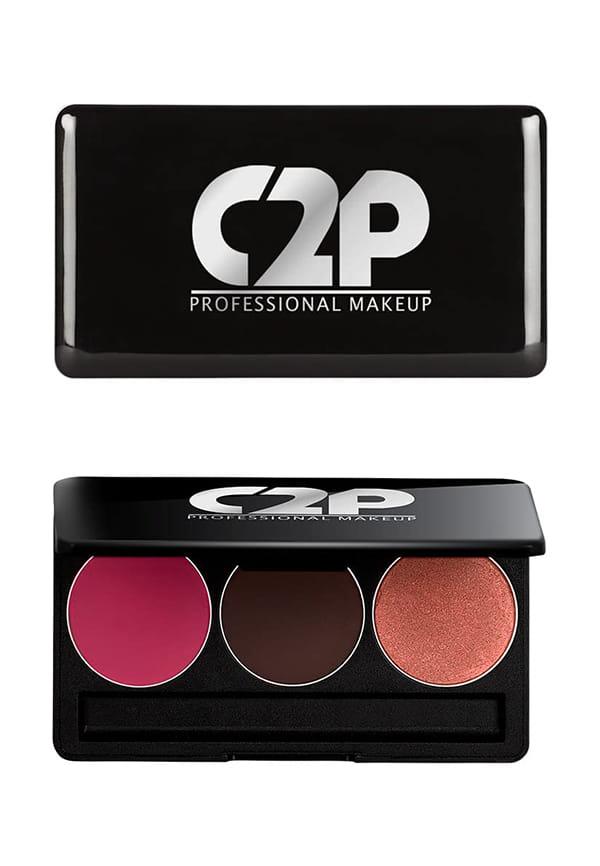 13 gm
13 gmBasic Trio 2 (Blusher-Contour-Highlighter) | 3-in-1 Multipurpose Skin Friendly Trio Kit | Powder Based Long Lasting Makeup
Let's put all these contouring tips together into a foolproof routine that you can follow every time.
Always apply your base makeup before you start contouring. Your foundation creates an even canvas, and concealer helps hide any blemishes that might interfere with your contour placement. Make sure everything is well-blended before you move on to the next step.
For your forehead, apply contour along the hairline and blend downwards. Keep it light—you're just adding a subtle shadow. For nose contouring, use a small brush to apply product along the sides of your nose, avoiding the tip unless you specifically want to make it appear smaller. Cheekbone contouring is where most people start, and for good reason—it makes the biggest impact. Suck in your cheeks slightly to find the hollow, then apply contour just below your cheekbone. For jawline definition, apply contour along the underside of your jaw, blending downwards towards your neck.
The key to natural-looking contour is seamless blending. Use a clean, damp sponge or a fluffy brush to soften any harsh edges. Work in small sections and take your time—rushing this step is where most contouring goes wrong.
Highlight is the perfect partner to contour. Apply it to the high points of your face—the tops of your cheekbones, the bridge of your nose, your forehead, and your chin. This creates dimension and makes your contour look more natural and three-dimensional.
Let's tackle some of the most frequently asked questions about contouring for dummies and beginners.
Start with a fluffy, angled brush and tap off excess product before applying. Use light, sweeping motions and build up gradually. Powder contour should be applied after foundation but before setting powder.
Absolutely! Once you've mastered these basic techniques, daily contouring can become as routine as applying mascara. Just keep it subtle for everyday wear and save the more dramatic looks for special occasions.
Always apply contour first, blend it well, then add highlight. This order prevents the products from mixing together and creating muddy tones. Think of contour as creating the shadows and highlight as catching the light.
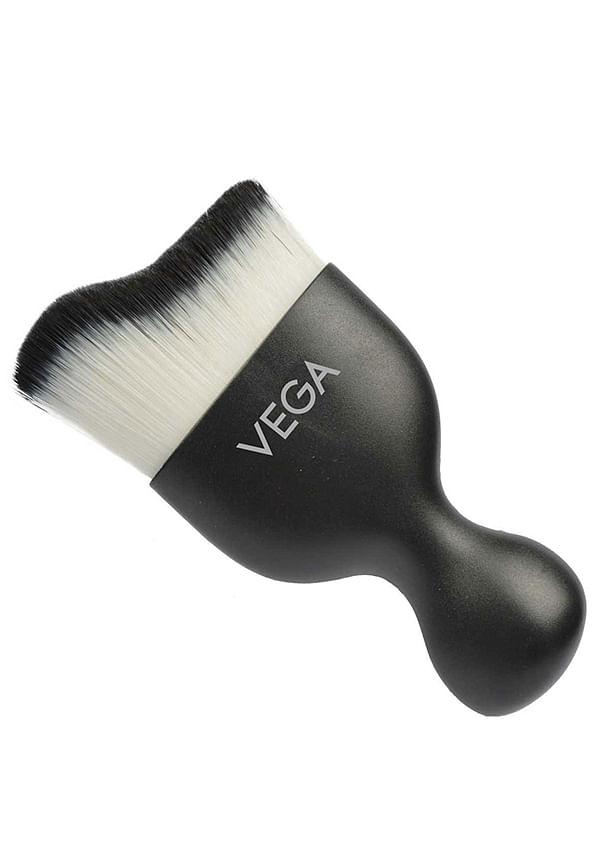 1 unit
Contour Brush (MBP-14)
Start with one good contour shade and a highlighting product. A cream contour stick or palette is often more beginner-friendly than powder, as it's easier to blend and more forgiving if you apply too much.
If you've applied too much contour, don't panic. Use a clean, damp sponge to gently lift some of the product, or apply a bit of foundation over the top to tone it down. You can also use a fluffy brush with translucent powder to diffuse harsh lines.
Mature skin often benefits from cream contour products rather than powder, as they're less likely to settle into fine lines. Focus on subtle enhancement rather than dramatic sculpting, and always use a light hand with the application.
Once you've mastered the basics, these advanced tips will help you refine your technique and achieve even more professional-looking results.
Natural light is your best friend when applying contour. If possible, do your makeup near a window or invest in a good daylight lamp. Artificial lighting can be deceiving and might make your contour look perfect indoors but obvious in natural light.
Setting your contour properly is crucial for longevity. Use a setting spray before and after applying your contour, and consider using a primer specifically designed for makeup longevity. If you're using cream products, always set them with powder.
Your daytime contour should be subtle and natural, but you can intensify it for evening by adding a bit more depth to the same areas. Use the same placement but build up the intensity gradually.
Sometimes less is more. If you're in a rush, feeling unwell, or just want a natural look, it's perfectly fine to skip contouring altogether. Your natural face is beautiful as it is, and makeup should enhance, not mask, your features.
Practice makes perfect, but don't put pressure on yourself to get it right immediately. Take photos of your makeup in different lighting to see how it looks, and don't be afraid to experiment with placement and intensity until you find what works for your face. When you're ready to explore different contour products and find your perfect shade match, platforms like Smytten make it easy to try before you commit. With curated trial packs from trusted beauty brands, you can discover which best contour products work for your skin type and preferences without the worry of purchasing full-size products that might not suit you. This approach takes the guesswork out of building your contour kit and helps you make more confident choices.
Mastering face contouring as a beginner doesn't have to be intimidating or expensive. These seven tricks provide a solid foundation for creating natural, flattering contour that enhances your features rather than overwhelming them. Remember, the goal isn't to completely transform your face—it's to highlight your natural beauty and create subtle definition where you want it. The most important thing to remember is that practice makes progress, not perfection. Every face is different, and what works for someone else might need tweaking for you. Start with these basic techniques, be patient with yourself, and gradually build your skills and confidence. Smytten's trial packs make it easier than ever to experiment with different contour products and techniques without committing to full-size purchases. With access to over 1,500 trusted beauty brands and the ability to try up to 8 minis for just ₹249, you can discover your perfect contour shade and formula whilst building your skills. The platform's 100% cashback system means you can explore different products affordably, and when you find something you love, purchasing the full-size version is just a click away. After all, why settle for maybe when you can try it all and find exactly what works for your unique face and style?
