7 Best Makeup Tutorials for Beginners


 Combo
ComboGlam Essentials
Starting your makeup journey can feel like learning a new language. With endless products, techniques, and conflicting advice everywhere, it's no wonder many beginners feel overwhelmed before they even pick up a brush. But here's the thing—everyone starts somewhere, and the best makeup tutorial is simply one that breaks things down into manageable steps. Whether you're looking for a natural everyday look or want to master that perfect smokey eye, the right guidance makes all the difference. These seven beginner-friendly tutorials will take you from makeup novice to confident creator, one step at a time.
Let's be real—scrolling through endless makeup tutorials can leave you more confused than when you started. The difference between a good tutorial and a great one lies in how it addresses your actual concerns as a beginner. These carefully selected tutorials focus on building foundational skills rather than overwhelming you with advanced techniques. What makes a beginner makeup tutorial truly effective? First, it should use products you can actually find and afford. Second, it needs to acknowledge that your first attempt won't look like a professional artist's work—and that's perfectly fine. The best tutorials also explain the 'why' behind each step, not just the 'how.' These seven tutorials cover everything from basic foundation routines to more adventurous looks like contouring and smokey eyes. Each one builds upon the previous skills, creating a natural progression that won't leave you feeling lost. Plus, they're designed with real life in mind—meaning you can actually recreate these looks with the time and products you have.
Before diving into any makeup tutorial, proper preparation sets you up for success. Think of this as laying the groundwork for everything that follows—skip these steps, and even the best techniques won't deliver the results you're hoping for.
Your skin needs to be clean and hydrated before any makeup touches it. Start with a gentle cleanser to remove any overnight oils or previous day's residue. Follow with a moisturiser suited to your skin type—this creates a smooth canvas and prevents makeup from looking patchy or clinging to dry areas.
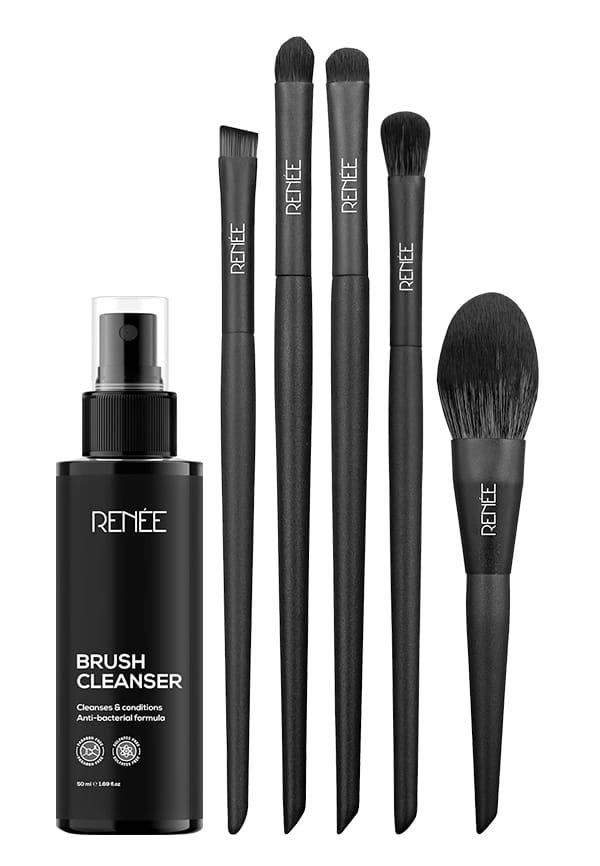
You don't need a professional makeup artist's entire kit to get started. A few quality basics will serve you better than a drawer full of random brushes. Start with a foundation brush or beauty sponge, a fluffy eyeshadow brush, a smaller blending brush, and a basic powder brush. These four tools can handle most beginner tutorials.
Knowing whether your skin is oily, dry, or combination helps you choose the right products and techniques. Similarly, understanding your undertones—warm, cool, or neutral—makes colour selection much easier. This knowledge transforms every tutorial from guesswork into informed choices.
Good lighting makes or breaks your makeup application. Natural light near a window works best, but if that's not available, invest in a well-lit mirror. Keep your products organised and within easy reach—fumbling for items mid-application disrupts your flow and confidence.
The natural makeup tutorial is every beginner's best friend. It's forgiving, quick, and perfect for building confidence while learning basic application techniques. This look enhances your features without dramatic changes, making it ideal for daily wear.
This easy makeup tutorial focuses on efficiency without sacrificing results. Start with tinted moisturiser or light foundation, add a touch of concealer where needed, and finish with mascara and a hint of lip colour. The entire process should feel effortless, not rushed.
Choose products that match your skin tone closely and offer buildable coverage. Cream blushes work beautifully for natural looks as they blend seamlessly into skin. Neutral eyeshadows in browns or soft pinks complement most skin tones without looking overdone.
 Combo
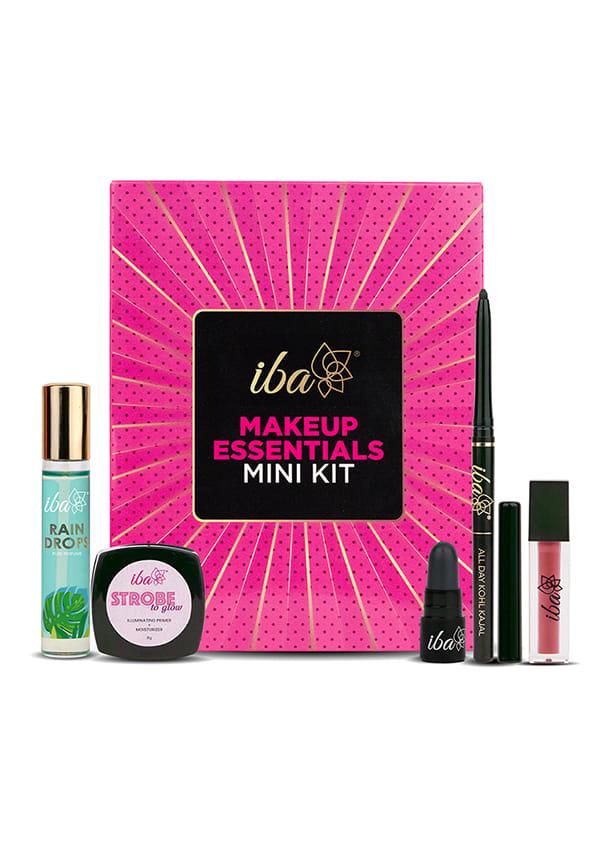
ComboMini Makeup Essentials Kit for Women
The key to natural makeup lies in blending. Use gentle, circular motions when applying foundation, and always blend outwards from the centre of your face. For eyeshadow, use light, sweeping motions rather than pressing hard—you can always build up colour gradually.
The biggest mistake beginners make with natural makeup is using too much product at once. Start with less than you think you need—you can always add more. Also, don't forget to blend down your neck slightly to avoid obvious makeup lines.
A solid foundation routine forms the base of every great makeup look. This tutorial focuses on creating an even, natural-looking complexion that doesn't feel heavy or cakey—essential skills for any makeup enthusiast.
Test foundation on your jawline, not your wrist or hand. The right shade should disappear into your skin without any obvious colour difference. Consider your undertones when choosing—yellow-based foundations suit warm undertones, while pink-based ones work better for cool undertones.
Each application method creates different results. Brushes offer more coverage and precision, sponges create a natural, airbrushed finish, and fingers work well for light, natural coverage. Experiment with each to find your preference, but remember that damp sponges blend foundation beautifully for beginners.
Apply concealer after foundation, not before. Use it sparingly on blemishes, under-eye circles, and around the nose where redness often appears. Pat gently with your finger or a small brush to blend edges without disturbing the foundation underneath.
A light dusting of translucent powder helps your foundation stay put throughout the day. Focus on areas that tend to get oily—typically the T-zone. Use a fluffy brush and gentle pressing motions rather than sweeping to avoid disturbing your carefully applied base.
Eyeshadow intimidates many beginners, but it doesn't have to. This eyeshadow tutorial breaks down the basics into simple, manageable steps that anyone can follow. Start with neutral shades and basic techniques before moving on to more complex looks.
You need just three brushes to start: a flat shader for applying colour, a fluffy blending brush for softening edges, and a smaller pencil brush for detail work. Each serves a specific purpose, and understanding when to use which brush makes application much easier.
 12gm
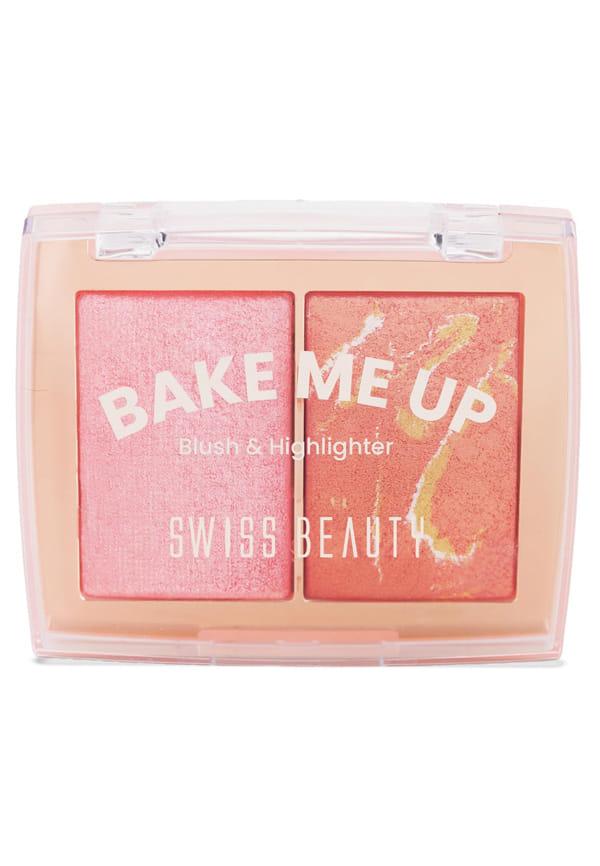
12gmBake Me Up Blush & Highlighter
Think of your eyelid in three sections: the lid, crease, and brow bone. Lighter shades go on the lid and brow bone, while deeper shades define the crease. This basic formula works for countless eyeshadow looks and provides a reliable starting point.
Even simple eyeshadow looks benefit from dimension. Use a shade slightly darker than your skin tone in the crease to add subtle depth. Blend upwards and outwards, keeping the colour soft and diffused rather than harsh or obvious.
While basic techniques work for everyone, small adjustments can enhance your particular eye shape. Hooded eyes benefit from keeping darker shades lower, while deep-set eyes can handle more dramatic crease colours. Don't stress too much about this initially—focus on mastering basic application first.
The smokey eye seems intimidating, but this beginner-friendly approach breaks it down into manageable steps. This smokey eye tutorial focuses on creating depth and drama without the complexity of advanced techniques.
Start with browns rather than blacks—they're more forgiving and easier to blend. Choose three shades: a light brown for the base, a medium brown for the crease, and a darker brown for depth. This creates a beautiful smokey effect without looking overdone.
Begin with the lightest shade across the entire lid. Apply the medium shade to the crease using a fluffy brush, blending in windshield wiper motions. Add the darkest shade to the outer corner and lower lash line, blending carefully to avoid harsh lines.
Blending makes or breaks a smokey eye. Use a clean, fluffy brush to soften any harsh edges between colours. Work in small, circular motions, building up gradually rather than trying to achieve the final look in one go. Patience is key here.
For daytime, keep the smokey effect subtle by using lighter pressure and less product. Evening looks can handle more intensity—add a touch of shimmer to the centre of the lid or deepen the outer corner with a darker shade.
Contouring doesn't have to involve complicated maps and multiple products. This simplified contouring tutorial focuses on enhancing your natural bone structure with minimal effort and maximum impact.
Before picking up any contour products, spend time studying your face in natural light. Notice where shadows naturally fall and where light hits. This observation guides your contouring placement better than any generic face chart.
 Combo
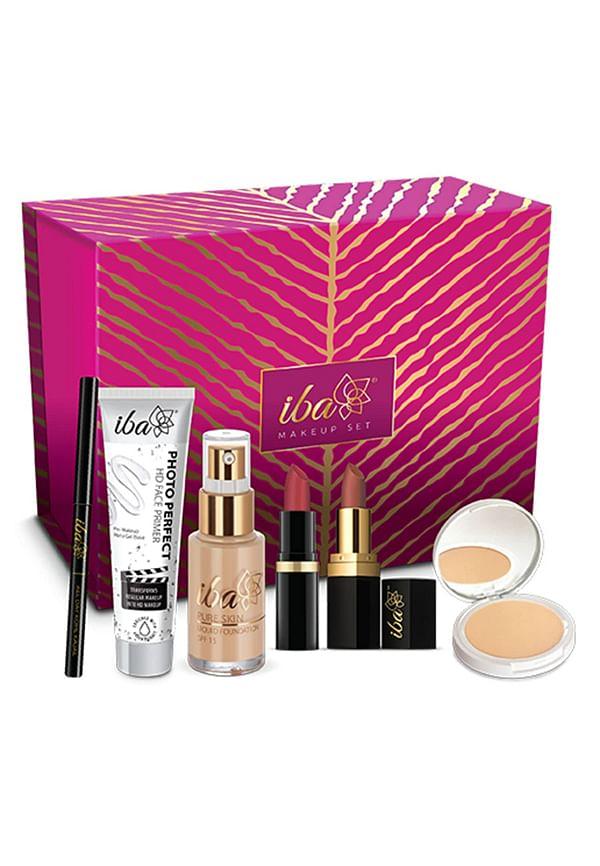
ComboMakeup Gift Set (Medium)
Cream contour blends more easily and looks more natural, making it ideal for beginners. Powder contour offers more precision but requires more blending skill. Start with cream formulas—they're more forgiving and easier to correct if you make mistakes.
Keep it simple with three key areas: hollows of the cheeks, sides of the nose, and temples. Apply contour shade to these areas, blend thoroughly, and assess before adding more. This basic approach enhances your features without looking overdone.
Highlight the high points of your face where light naturally hits: cheekbones, bridge of the nose, centre of the forehead, and chin. Use a light hand—highlighting should look like a natural glow, not obvious shimmer stripes. Trying new makeup techniques becomes much more enjoyable when you can experiment with different products without committing to full sizes. Smytten's curated trial packs let you explore various contour and highlight shades from trusted brands, helping you find your perfect match before investing in full-size products.
The best makeup tutorial for beginners focuses on basic techniques using minimal products. It should explain each step clearly, address common mistakes, and use affordable, easily accessible products. Good tutorials also show realistic results rather than heavily edited final looks.
Start with 15-20 minutes for basic tutorials and gradually work up to longer sessions as you become more comfortable. Daily practice isn't necessary—2-3 times per week allows you to build skills without feeling overwhelmed.
Start with skincare, then primer, foundation, concealer, powder, eyeshadow, eyeliner, mascara, blush, and finish with lips. This order ensures each product applies smoothly and stays put throughout the day.
Start with foundation or tinted moisturiser, concealer, mascara, a neutral eyeshadow palette, blush, and a lip colour you love. These basics allow you to create multiple looks while learning fundamental techniques.
If your makeup feels heavy, looks cakey, or doesn't blend well, you're likely using too much product. Start with less than you think you need—you can always build up coverage gradually.
Common mistakes include using the wrong foundation shade, applying too much product at once, not blending properly, and skipping primer. These issues are easily fixed with practice and the right guidance.
Mastering makeup is a journey, not a destination. These seven tutorials provide a solid foundation for your beauty routine, but remember that practice makes progress, not perfection. Start with the natural makeup tutorial to build confidence, then gradually work your way up to more complex techniques like smokey eyes and contouring. The beauty of learning makeup lies in discovering what works for your unique features and lifestyle. Some techniques will click immediately, while others might take more practice. That's completely normal and part of the fun. Don't be afraid to experiment and make mistakes—they're often the best teachers. With Smytten's trial packs, you can explore products from over 1,500 trusted beauty brands without the commitment of full-size purchases. This makes trying new techniques and finding your perfect products both affordable and exciting. Whether you're testing different foundation shades or experimenting with new eyeshadow colours, having access to mini-sized products lets you build your skills and confidence simultaneously. After all, why settle for maybe when you can try it all?
