7 Best Foundation Tips for Flawless Makeup


Getting your foundation right can feel like cracking a secret code. One day it looks flawless, the next it's patchy and weird. Sound familiar? You're not alone. Foundation is literally the base of your entire makeup look, so when it goes wrong, everything else follows suit. But here's the thing—mastering foundation isn't about having expensive products or being a makeup artist. It's about knowing the right techniques and understanding what works for your skin. These seven best foundation tips will transform how you think about base makeup and help you achieve that smooth, natural finish you've been chasing.
Let's be real—foundation is doing the heavy lifting in your makeup routine. It's evening out your skin tone, covering blemishes, and creating that perfect canvas for everything else. When your foundation routine is on point, your concealer blends seamlessly, your blush looks natural, and your whole face just works together. But when foundation goes wrong? It's obvious. You get that mask-like effect, or worse, patchy coverage that makes you look like you've applied makeup in the dark. The difference between good and bad foundation application often comes down to technique rather than the product itself. Even a budget-friendly foundation can look amazing with the right foundation application tips, while an expensive one can look terrible if applied incorrectly. The key is understanding that foundation isn't just about coverage—it's about creating a natural-looking base that enhances your skin rather than hiding it completely. This shift in mindset changes everything about how you approach your makeup routine.
Before you even think about opening that foundation bottle, your skin needs to be prepped properly. Think of it like painting a wall—you wouldn't just slap paint on without preparing the surface first, right?
Start with clean, moisturised skin. This isn't negotiable. Even if you have oily skin, skipping moisturiser will make your foundation look patchy and wear off faster. Choose a lightweight, non-comedogenic moisturiser that absorbs quickly. Exfoliation is your secret weapon for smooth foundation application. Use a gentle chemical exfoliant 2-3 times a week to remove dead skin cells. This prevents that flaky, uneven texture that makes foundation look rough. Primer isn't just marketing hype—it genuinely helps your foundation last longer and apply more smoothly. Choose a primer that addresses your specific concerns: mattifying for oily skin, hydrating for dry skin, or colour-correcting for redness or dullness.
Getting the wrong shade is probably the biggest foundation mistake people make. Your foundation should disappear into your skin, not create a line of demarcation at your jawline. Test shades on your jawline, not your hand or wrist. Your face and hands can be completely different colours. Apply three shades—one you think is perfect, one slightly lighter, and one slightly darker. The right shade will literally vanish into your skin. Understand your undertones. Cool undertones have pink or blue hints, warm undertones lean yellow or golden, and neutral undertones are a mix of both. Most people get this wrong and end up with foundation that looks off, even if the depth is correct. Remember that your skin tone can change with the seasons. You might need a slightly different shade in summer versus winter, so don't be afraid to mix two shades or switch between them.
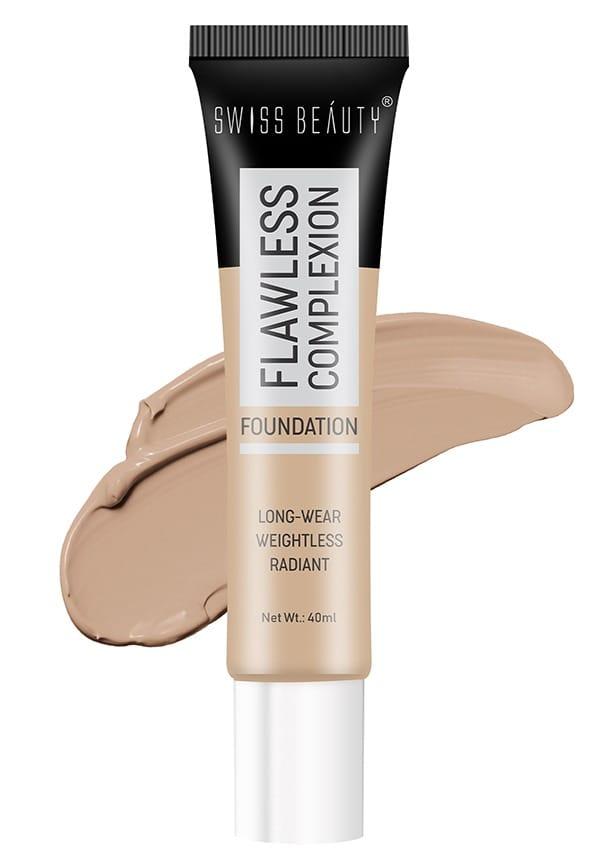 40 ml
40 mlFlawless Complexion Foundation
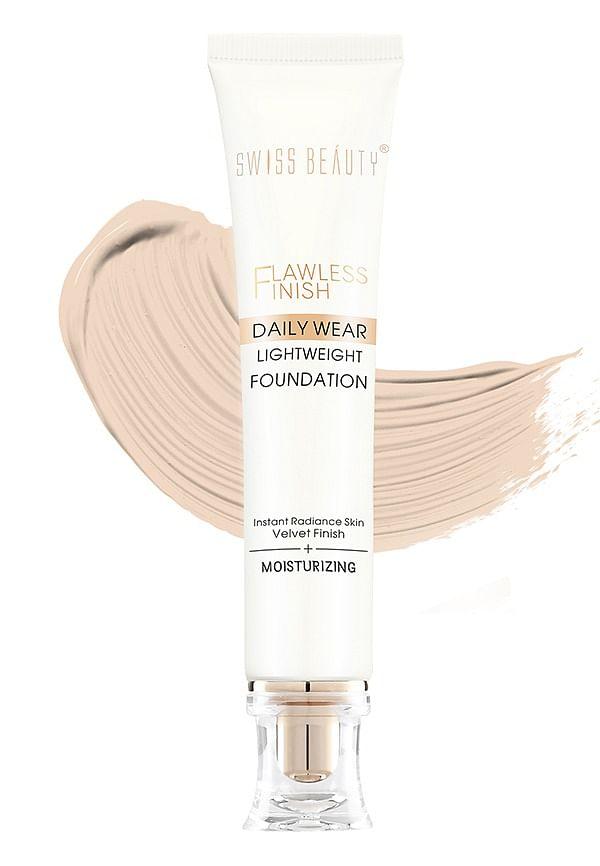 40 gm
40 gmFlawless Finish Daily Wear Lightweight Foundation
The tool you use to apply foundation can completely change the finish and coverage. Each method has its place, and knowing when to use what will level up your makeup game significantly.
Foundation brushes give you the most control and can create anything from sheer to full coverage. Flat-top brushes work well for liquid foundations, while fluffy brushes are better for powder foundations. The key with brushes is to use gentle, buffing motions rather than dragging the product across your skin. Beauty sponges, when damp, give the most natural finish. They're perfect for blending and can help you build coverage gradually. The bouncing motion helps the foundation melt into your skin rather than sitting on top of it. Your fingers aren't just a backup option—they're actually great for warming up the product and creating a natural, skin-like finish. The heat from your fingers helps the foundation blend seamlessly, especially around the nose and under-eye area.
Start with less product than you think you need. You can always build coverage, but removing excess product is much harder. Apply foundation to the centre of your face first—forehead, nose, cheeks, and chin—then blend outward. The stippling technique involves gently pressing your tool into the skin rather than wiping or dragging. This helps the foundation settle into your skin naturally and prevents streaking. Pay special attention to your hairline and jawline. These are the areas where foundation mishaps are most obvious. Blend thoroughly to avoid harsh lines that scream "I'm wearing makeup."
Not all skin is created equal, and your foundation application tips should reflect that. What works for your oily-skinned friend might be a disaster on your dry skin.
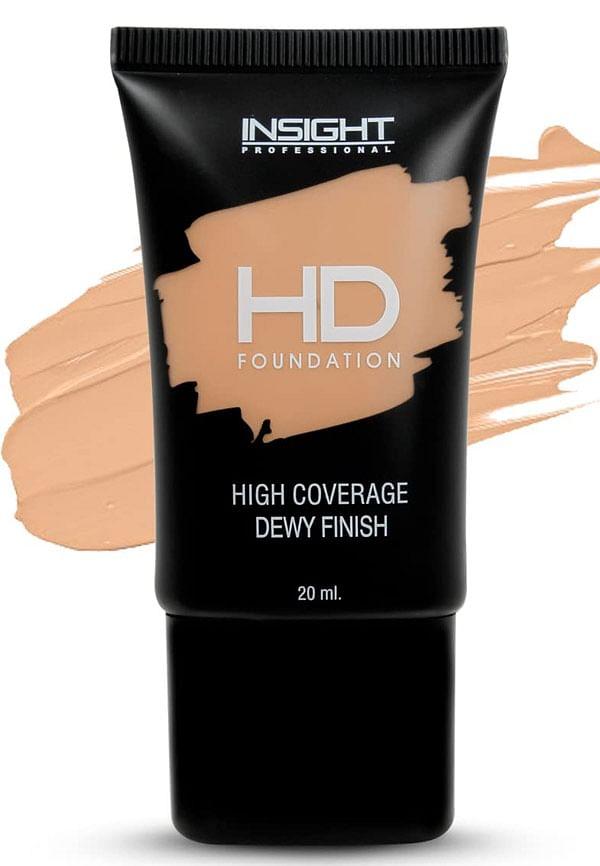 20 ml
20 mlHD Foundation
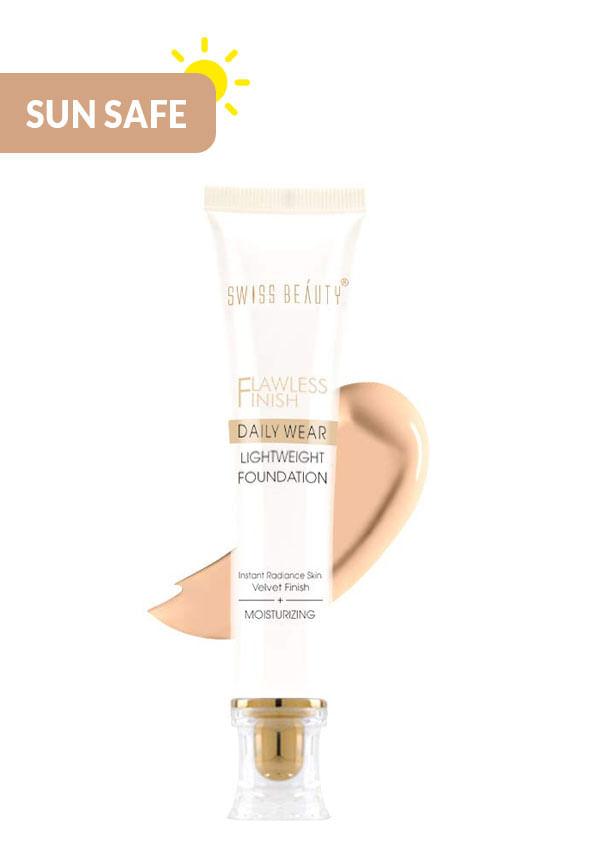 40 gm
40 gmLightweight Foundation
Dry skin needs extra love and hydration. Start with a hydrating primer and let it fully absorb before applying foundation. Look for foundations with hydrating ingredients like hyaluronic acid or glycerin. Apply foundation in thin layers, allowing each layer to set before adding more. This prevents the foundation from looking cakey or emphasising dry patches. Avoid powder foundations or use them very sparingly. Cream and liquid foundations will give you a more natural, healthy-looking finish. Set only the areas that tend to get oily (usually the T-zone) with a light dusting of translucent powder. Over-powdering dry skin will make it look flat and lifeless.
Oily skin benefits from a mattifying primer that controls shine and helps foundation last longer. Look for primers with silicones or oil-absorbing ingredients. Choose long-wearing, oil-free foundations that won't break down throughout the day. Matte or satin finishes usually work better than dewy finishes for oily skin. Set your foundation with translucent powder, focusing on areas that get oily first. Use a fluffy brush to apply powder lightly—heavy-handed powder application can look cakey. For combination skin, treat different areas differently. Use mattifying products on your T-zone and hydrating products on drier areas like your cheeks.
Having a systematic approach to how to apply foundation takes the guesswork out of the process and ensures consistent results every time.
Start with clean, moisturised skin and apply primer if you're using one. Let everything absorb for a few minutes before moving to the next step. Dispense a small amount of foundation onto the back of your hand or a mixing palette. This prevents contaminating your foundation bottle and lets you control the amount you're using. Apply foundation to the centre of your face using your chosen tool. Work in sections—do one cheek, then the other, then your forehead, nose, and chin. Blend outward from the centre, paying special attention to the edges. Make sure there are no visible lines where your foundation starts and stops. Check your work in natural light if possible. Artificial lighting can be deceiving, and you want to make sure your foundation looks good in all lighting conditions.
If your foundation looks cakey, you've probably applied too much product or haven't blended properly. Use a damp beauty sponge to gently press and blend the foundation, which will help it look more natural. Patchy coverage usually means your skin wasn't properly prepped or you're using the wrong application technique. Make sure your skin is smooth and moisturised, and try using a stippling motion instead of wiping. If your foundation separates or looks weird after a few hours, it's likely incompatible with your primer or skincare. Make sure all your products have similar bases (water-based with water-based, silicone-based with silicone-based).
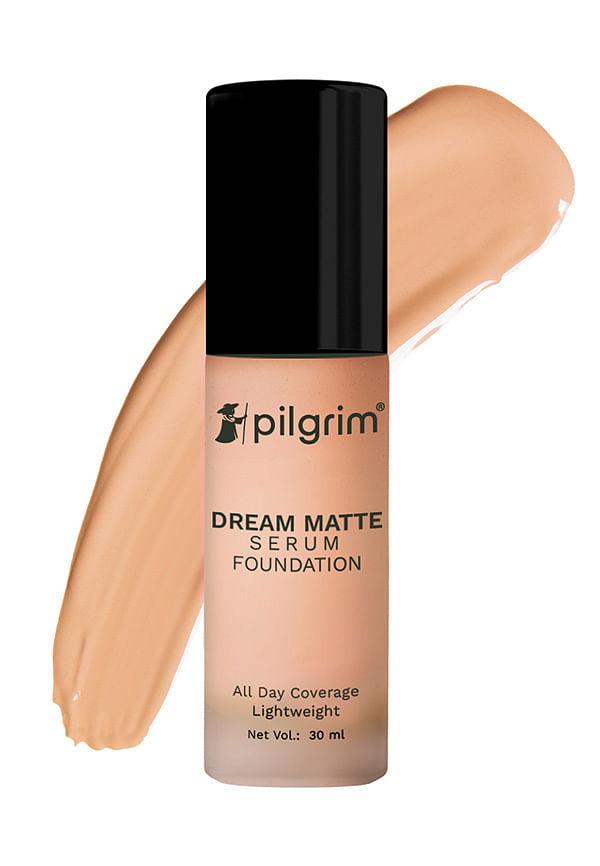 30 ml
30 mlSerum Foundation
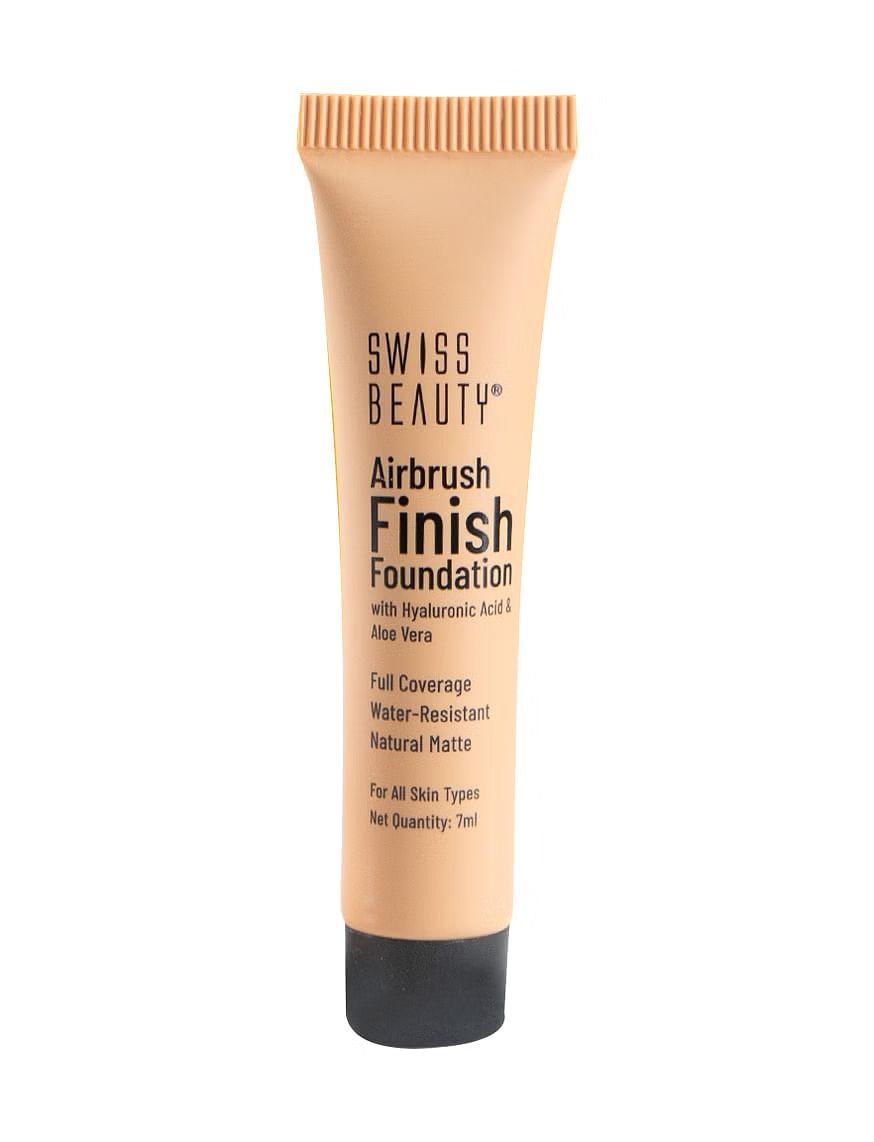 7 ml
7 mlAirbrush Finish Foundation
Once you've mastered the basics, these advanced techniques will help you achieve that professional, flawless foundation finish that looks like you're not wearing makeup at all.
The secret to natural-looking coverage is building it gradually. Start with a sheer layer and add more only where you need it. This creates a more natural variation in coverage that mimics real skin. Use concealer strategically rather than trying to get full coverage from foundation alone. Apply foundation first, then spot-conceal only the areas that need extra coverage. Mix your foundation with a drop of facial oil or moisturiser for a more natural, skin-like finish. This technique is perfect for special occasions when you want that lit-from-within glow. Set your foundation selectively. You don't need to powder your entire face—focus on areas that tend to get oily or where you need the makeup to last longest.
For events or photos, consider using a slightly fuller coverage foundation than your everyday routine. The extra coverage will help your makeup show up better in photos and last through long events. Apply foundation in thin layers, setting each layer lightly with powder before adding the next. This technique, called "layering and setting," creates incredibly long-lasting coverage that won't budge. Use a setting spray between layers and as a final step. This helps everything meld together and creates a more natural finish than powder alone. When trying new products or techniques, platforms like Smytten make it easy to experiment without committing to full-size purchases. With curated trial packs from trusted brands, you can test different foundations and find what works best for your skin before investing in the full-size version.
The best method depends on your skin type and desired coverage. For most people, using a damp beauty sponge with a stippling motion gives the most natural finish. Start with small amounts of product and build coverage gradually.
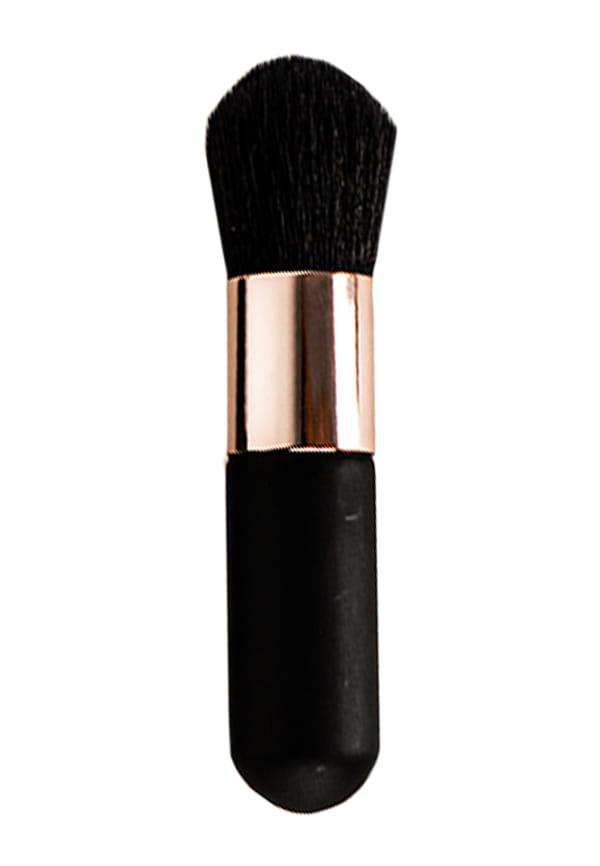 1 Unit
Foundation Brush
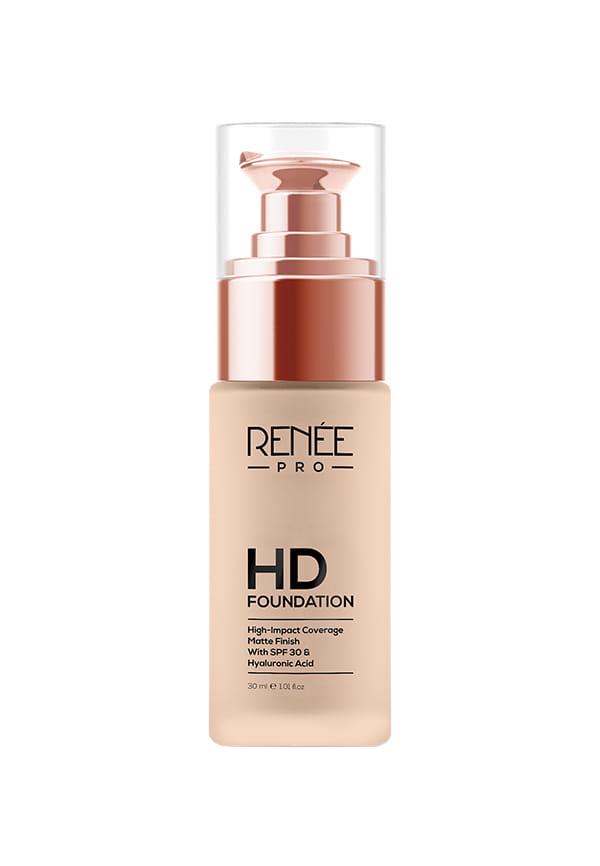 30 ml
30 mlPRO HD Foundation
Proper skin prep is key for long lasting foundation. Use a primer suited to your skin type, apply foundation in thin layers, and set with translucent powder. A setting spray can also help lock everything in place.
Test foundation shades on your jawline in natural light. The right shade should disappear into your skin without leaving a visible line. Consider your undertones—cool, warm, or neutral—when selecting shades.
Both have their benefits. Foundation brush tips include using flat-top brushes for more coverage and fluffy brushes for lighter application. Sponges give a more natural finish when used damp. Experiment to see what works best for your skin and preferred coverage level.
Start with less than you think you need—about a pump or small dollop for your entire face. You can always build coverage, but removing excess product is much harder.
Cakey foundation usually results from using too much product, inadequate skin prep, or poor foundation blending techniques. Make sure your skin is properly moisturised, use thin layers of foundation, and blend thoroughly.
Mastering these best foundation tips is about understanding your skin and choosing the right techniques for your needs. Remember that great foundation application starts with proper skin prep and the right shade match. Don't be afraid to experiment with different tools and techniques until you find what works best for you. The beauty of makeup is that it should enhance your natural features, not mask them completely. With practice and the right approach, foundation can become the easiest part of your makeup routine rather than the most frustrating. Smytten's platform makes it easier than ever to discover your perfect foundation match. With trial packs from over 1,500 trusted brands, you can experiment with different formulas and shades without the commitment of full-size purchases. The platform's 100% cashback offer on trial minis means you can explore various options affordably, and when you find your perfect match, purchasing the full-size version is just a click away. After all, why settle for 'maybe' when you can try it all and find exactly what works for your skin?
